Key Takeaways
- The U.S. pest control market is projected to grow from $22.7 billion in 2022 to $29.1 billion by 2026, according to PestPac.
- Neem oil is a natural pesticide effective against over 200 species of insects, including aphids and whiteflies, as stated by Epic Gardening.
- Organic pest control methods typically cost 20% to 40% more than conventional products, according to Adams Exterminating.
- Diatomaceous Earth kills insects by cutting their exoskeletons and causing dehydration, making it effective against hard-bodied pests.
- Ants were responsible for 51.6% of pest control callbacks in 2025, highlighting their prevalence, according to Specialty Consultants, LLC.
Are you tired of battling garden pests with harsh chemicals, worrying about your family, pets, and the environment? Embracing **DIY Organic Pest Control** offers a sustainable and effective way to manage common infestations using natural ingredients. In my 10 years of experience in horticulture, I’ve seen firsthand how simple, homemade solutions can protect your plants while fostering a healthier ecosystem, and this guide will show you exactly how to achieve that.
Quick Answer: DIY organic pest control uses natural ingredients like neem oil, essential oils, and insecticidal soaps to manage garden and household pests without harsh chemicals. These methods prioritize safety for people, pets, and the environment, offering effective solutions for various common infestations.
Why Choose DIY Organic Pest Control?
Choosing **DIY Organic Pest Control** is a commitment to a healthier garden and home environment. These methods avoid synthetic chemicals, relying instead on natural processes and ingredients to manage pests effectively. The global pest control market size was valued at $27.2 billion in 2025, as reported by Straits Research, indicating a significant demand for pest management solutions, with a growing segment opting for organic alternatives.
Opting for organic solutions means you’re protecting beneficial insects, pollinators, and the overall biodiversity of your garden. Many conventional pesticides can harm non-target organisms, disrupting the delicate balance of your ecosystem. By contrast, organic approaches like **DIY Organic Pest Control** help maintain this balance, encouraging natural predators to thrive.
Furthermore, **DIY Organic Pest Control** ensures the safety of your family and pets. You eliminate the risk of chemical exposure from sprays and residues on edible plants. This peace of mind is invaluable, especially when gardening with children or pets nearby.
Identifying Common Garden Pests & Their Natural Enemies
Accurate pest identification is the first and most crucial step in effective **DIY Organic Pest Control**. Understanding exactly what you’re dealing with allows you to choose the most targeted and efficient natural solution, saving you time and effort. Dr. Joseph Morse, Emeritus Entomologist at UC Riverside, wisely states, “Either growers will become better biologists, or they’ll need to pay someone who is,” emphasizing the importance of improved pest identification skills.
Many common garden pests have distinct characteristics and preferred host plants. For instance, aphids are small, pear-shaped insects often found in clusters on new growth, while spider mites create fine webbing on the undersides of leaves. Recognizing these specific signs is fundamental to successful **DIY Organic Pest Control**.
Here’s a look at some prevalent garden pests and their natural enemies:
- Aphids: Small, soft-bodied insects that suck plant sap. They are typically found on new shoots and leaf undersides.
- Natural Enemies: Ladybugs, lacewings, hoverfly larvae.
- Spider Mites: Tiny arachnids that cause stippling on leaves and fine webbing. They thrive in hot, dry conditions.
- Natural Enemies: Predatory mites, minute pirate bugs.
- Whiteflies: Small, white, winged insects that fly up in a cloud when disturbed. They feed on plant sap and excrete honeydew.
- Natural Enemies: Encarsia formosa wasps, lacewings.
- Slugs and Snails: Mollusks that chew irregular holes in leaves. They are most active at night or during damp conditions.
- Natural Enemies: Frogs, toads, birds, ground beetles.
- Cabbage Worms/Loopers: Green caterpillars that chew large holes in brassica leaves.
- Natural Enemies: Birds, parasitic wasps, Bacillus thuringiensis (Bt).
Effective **DIY Organic Pest Control** strategies often involve supporting these natural predators, creating an environment where they can thrive and keep pest populations in check.
7 Effective DIY Organic Pest Control Recipes for Your Garden
Creating your own **DIY Organic Pest Control** solutions can be incredibly rewarding, providing effective remedies with ingredients you likely already have. These homemade recipes are designed to target common garden pests while remaining safe for your plants and the surrounding environment. From my experience, the key is consistency and proper application.
Here are seven powerful recipes for **DIY Organic Pest Control**:
Step 1: Homemade Insecticidal Soap Spray
This simple **homemade insecticidal soap** is highly effective against soft-bodied insects like aphids, whiteflies, mealybugs, and spider mites. The soap works by breaking down the waxy coating on the insects, causing dehydration and suffocation.
* Ingredients:
- 1 tablespoon liquid Castile soap (pure, unscented)
- 1 quart (about 1 liter) water
- Optional: 1 teaspoon neem oil for added efficacy
* Instructions:
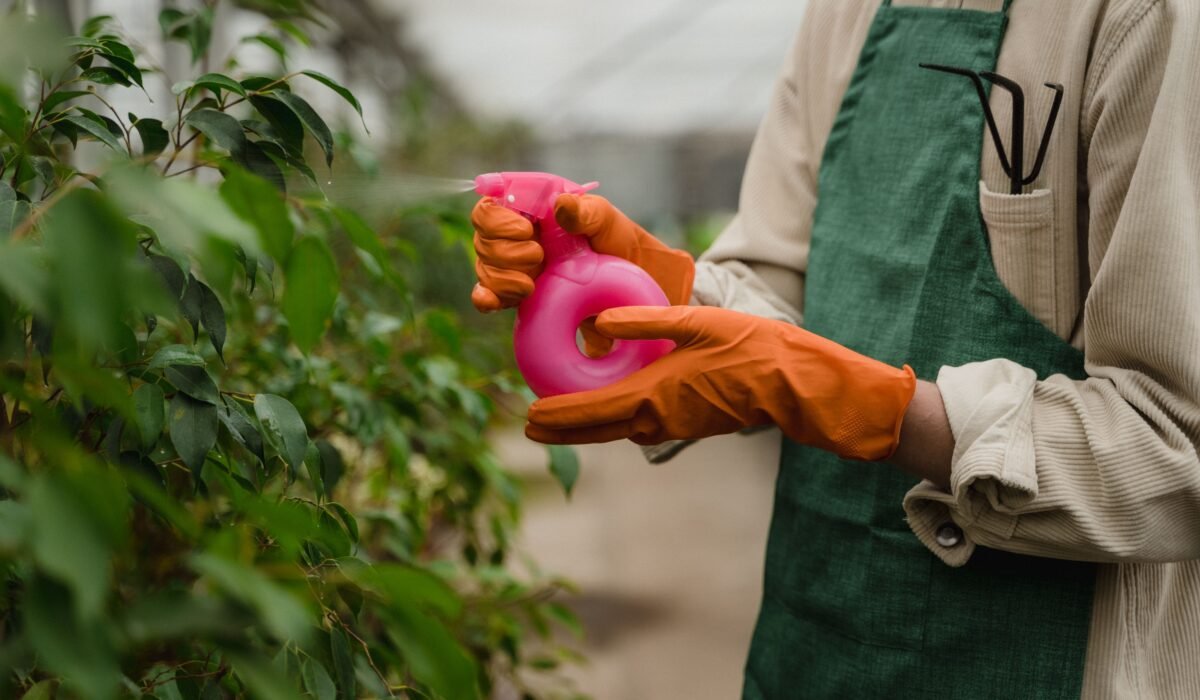
- Mix the Castile soap thoroughly with water in a spray bottle. If adding neem oil, mix it in as well.
- Shake well before each use to ensure ingredients are combined.
- Apply directly to affected plants, ensuring complete coverage of both top and bottom leaf surfaces.
* Best for: Aphids, whiteflies, mealybugs, spider mites. This is a fantastic natural pest control for vegetable garden.
Step 2: Neem Oil Spray for Organic Gardening
Neem oil is a powerhouse in **DIY Organic Pest Control**, acting as a natural, non-toxic pesticide and fungicide. It disrupts insect feeding, growth, and reproduction, and is effective against over 200 species of insects, including mealybugs, aphids, thrips, whiteflies, and Japanese beetles, as stated by Epic Gardening.
* Ingredients:
- 1-2 tablespoons 100% cold-pressed neem oil
- 1 teaspoon liquid Castile soap (as an emulsifier)
- 1 gallon (about 4 liters) warm water
* Instructions:
- In a spray bottle, combine neem oil and Castile soap, mixing well.
- Slowly add warm water, shaking continuously until fully emulsified.
- Spray all plant surfaces, including undersides of leaves, until thoroughly wet. Apply in the evening to avoid burning leaves in direct sun and to protect beneficial insects.
* Best for: Broad-spectrum pest control, including fungal issues. This is a great organic bug spray for plants.
Step 3: Diatomaceous Earth Application
Food-grade Diatomaceous Earth (DE) is a natural, abrasive powder made from fossilized diatom shells. It kills insects by cutting their exoskeletons and causing dehydration, making it highly effective against hard-bodied insects and soft-bodied larvae. **Diatomaceous Earth uses** extend to slugs, snails, ants, and even cockroaches.
* Ingredients:
- Food-grade Diatomaceous Earth
- Duster or applicator bottle
* Instructions:
- Wearing a mask to avoid inhaling the fine powder, lightly dust plants, especially around the base and on leaves where pests are present.
- For crawling insects, create a barrier around garden beds or entry points to your home.
- Reapply after rain or heavy dew.
* Best for: Slugs, snails, ants, earwigs, cucumber beetles, squash bugs.
Step 4: Garlic and Hot Pepper Spray
This pungent spray acts as a repellent and irritant, deterring a wide range of pests due to its strong smell and capsaicin content. It’s an excellent **DIY Organic Pest Control** option for vegetable gardens.
* Ingredients:
- 1 whole head of garlic, peeled and minced
- 1-2 hot peppers (e.g., habanero, jalapeño), chopped
- 1 quart (about 1 liter) water
- 1 teaspoon liquid Castile soap (optional, as a spreader)
* Instructions:
- Blend garlic and hot peppers with a small amount of water until smooth.
- Add the mixture to the remaining water and let it steep for at least 24 hours.
- Strain the mixture through a cheesecloth or fine sieve to remove solids. Add Castile soap if using.
- Spray plants thoroughly, focusing on affected areas.
* Best for: Aphids, spider mites, cabbage worms, slugs, deer, rabbits.
Step 5: Essential Oils Pest Control Solutions
Certain essential oils have natural insecticidal and repellent properties, making them valuable in **DIY Organic Pest Control**. Peppermint oil is highly effective at deterring ants and spiders, while eucalyptus oil can reduce flies and roaches, according to Eco-Friendly Pest Control (2025).
* Ingredients:
- 10-15 drops of desired essential oil (e.g., peppermint, tea tree, lavender, rosemary, citronella)
- 1 cup water
- 1 teaspoon rubbing alcohol or witch hazel (as an emulsifier)
* Instructions:
- Combine essential oil and alcohol/witch hazel in a spray bottle.
- Add water and shake well.
- Spray directly onto pests or around affected areas as a repellent. For indoor use, spray around windows and doorways.
* Best for: Ants, spiders, mosquitoes, flies, certain caterpillars.
Step 6: Baking Soda Fungicide Spray
While primarily a fungicide, a baking soda spray can also help combat soft-bodied insects like aphids and spider mites. It alters the pH on the leaf surface, making it less hospitable for pests and fungal spores. This is a versatile **DIY Organic Pest Control** solution.
* Ingredients:
- 1 tablespoon baking soda
- 1 tablespoon vegetable oil
- 1 teaspoon liquid Castile soap
- 1 gallon (about 4 liters) water
* Instructions:
- Mix baking soda, vegetable oil, and Castile soap in a gallon of water.
- Stir until all ingredients are dissolved.
- Spray leaves thoroughly, ensuring full coverage, especially on plants prone to powdery mildew.
* Best for: Powdery mildew, black spot, aphids, spider mites.
Step 7: Bacillus thuringiensis (Bt) for Caterpillars
Bacillus thuringiensis (Bt) is a naturally occurring soil bacterium that specifically targets and kills various types of caterpillars and mosquito larvae, making it a highly selective **DIY Organic Pest Control** agent. It’s harmless to humans, pets, and beneficial insects.
* Ingredients:
- Bt concentrate (available at garden stores)
- Water
* Instructions:
- Follow package directions carefully for dilution ratios.
- Mix Bt concentrate with water in a sprayer.
- Apply to foliage where caterpillars are feeding. Caterpillars must ingest Bt for it to be effective.
* Best for: Cabbage worms, tomato hornworms, tent caterpillars, gypsy moth larvae.
How to Safely Apply Your Homemade Pest Solutions
Applying your **DIY Organic Pest Control** solutions safely and effectively is just as important as choosing the right recipe. Proper application maximizes efficacy while minimizing any potential harm to your plants, beneficial insects, or yourself. Even natural ingredients require thoughtful use to be truly effective.
Always perform a patch test on a small, inconspicuous part of the plant before widespread application, especially with new **DIY Organic Pest Control** solutions. This helps identify any adverse reactions, such as leaf burn, which can occur if the solution is too strong or applied in direct sunlight. My experience shows that delicate plants are particularly sensitive.
Here are key guidelines for safe and effective application:
- Timing is Crucial: Apply sprays in the early morning or late evening when temperatures are cooler and direct sunlight is less intense. This prevents leaf burn and minimizes harm to beneficial insects, which are less active during these times.
- Thorough Coverage: Pests often hide on the undersides of leaves and in crevices. Ensure your **DIY Organic Pest Control** spray thoroughly coats all surfaces of the plant, including stems and new growth.
- Wear Protective Gear: Although organic, some ingredients like hot pepper spray or Diatomaceous Earth can cause irritation. Wear gloves, eye protection, and a mask when applying.
- Consistency is Key: Many organic solutions work best with repeated applications. Monitor your plants and reapply every 5-7 days or after rain, until the pest problem is under control.
- Avoid Over-Application: While natural, excessive application can still stress plants. Apply enough to coat, but avoid drenching to the point of run-off.
- Consider Wind Conditions: Spray on calm days to prevent drift and ensure the solution lands where intended, not on neighboring plants or beneficial insects.
For solutions like Diatomaceous Earth, ensure the area is dry for optimal effectiveness, as moisture can reduce its abrasive action. This attention to detail is vital for successful **DIY Organic Pest Control**.
Beyond Sprays: Long-Term Organic Pest Management Strategies
Effective **DIY Organic Pest Control** isn’t just about reactive sprays; it’s about cultivating a resilient garden ecosystem that naturally resists pests. Proactive strategies create a balanced environment where plants thrive and pests struggle to gain a foothold. This holistic approach is the cornerstone of sustainable gardening.
One of the most powerful long-term strategies is **companion planting benefits**. Certain plants, when grown together, can deter pests or attract beneficial insects. For example, marigolds, when integrated into vegetable beds, can deter pests like nematodes, rabbits and deer, and are known to attract beneficial insects, according to research.
Consider these additional long-term strategies for robust **DIY Organic Pest Control**:
- Soil Health: Healthy soil leads to healthy plants, which are naturally more resistant to pests and diseases. Enrich your soil with organic compost and use appropriate organic fertilizers to provide essential nutrients. You can learn more about the best organic fertilizer for herbs in our detailed guide.
- Attracting Beneficial Insects: Plant flowers that provide nectar and pollen for predators like ladybugs, lacewings, and parasitic wasps. Dill, fennel, cosmos, and sunflowers are excellent choices.
- Crop Rotation: Regularly rotating your crops prevents pests that specialize in certain plants from building up populations in the soil year after year.
- Physical Barriers: Use row covers, netting, or copper tape (for slugs and snails) to physically prevent pests from reaching your plants.
- Proper Watering and Air Circulation: Overwatering or poor air circulation can stress plants and create ideal conditions for fungal diseases and certain pests. Ensure adequate spacing between plants and water at the base.
- Weed Management: Weeds can harbor pests and compete with your desired plants for resources. Keep garden beds free of weeds to reduce pest hideouts.
- Pruning and Sanitation: Regularly remove diseased or pest-infested plant parts. Clean up fallen leaves and debris, as these can provide overwintering sites for pests.
Implementing these strategies reduces your reliance on even organic sprays, making your **DIY Organic Pest Control** efforts more sustainable and less labor-intensive over time.
Common DIY Organic Pest Control Mistakes & How to Avoid Them
Even with the best intentions, it’s easy to make mistakes when practicing **DIY Organic Pest Control** that can diminish effectiveness or even harm your plants. Understanding these common pitfalls can save you frustration and ensure your efforts yield positive results. In my experience, patience and attention to detail are paramount.
A frequent mistake is misidentifying the pest, which leads to using the wrong solution. Applying a general insecticidal soap when you have a fungal issue, for instance, will be ineffective. Dr. Joseph Morse, an expert in entomology, stresses the need for accurate pest identification to choose the right management strategy.
Here’s a table outlining common mistakes and how to avoid them in your **DIY Organic Pest Control**:
| Common DIY Organic Pest Control Mistake | Why It Happens | How to Avoid It |
|---|---|---|
| Incorrect Pest Identification | Assuming all plant damage is from the same pest; not observing closely. | Take time to identify the specific pest (e.g., aphids, whiteflies, slugs) before choosing a solution. Observe plant damage and actual pests. |
| Applying Solutions at the Wrong Time | Spraying in direct sun; not reapplying after rain; spraying when beneficials are active. | Apply sprays in early morning or late evening. Reapply after rain. Avoid spraying during peak pollinator activity. |
| Using Too Strong a Solution | Thinking more concentrated means more effective; not diluting properly. | Always follow recipe ratios. Test on a small area of the plant first to check for phytotoxicity (plant burn). |
| Inconsistent Application | Spraying once and expecting permanent results; not monitoring regularly. | Organic solutions often require repeated applications. Monitor plants daily and reapply every 5-7 days as needed. |
| Ignoring Preventative Measures | Focusing only on reactive sprays; neglecting soil health or companion planting. | Integrate long-term strategies like companion planting, crop rotation, and maintaining healthy soil to build plant resilience. |
| Not Covering All Plant Surfaces | Only spraying the top of leaves; forgetting undersides or stems. | Pests often hide on undersides of leaves. Ensure thorough coverage of all plant parts where pests may be present. |
By being mindful of these common errors, you can significantly improve the success rate of your **DIY Organic Pest Control** efforts and maintain a thriving, pest-free garden.
FAQs About Homemade Pest Control
What are some homemade organic pesticides?
Homemade organic pesticides include solutions made from neem oil, Castile soap, garlic, hot peppers, and essential oils. Neem oil is effective against over 200 species of insects, according to Epic Gardening, making it a versatile option for **DIY Organic Pest Control**. These natural ingredients offer effective ways to combat pests without harsh chemicals.
What is the most effective natural pesticide?
The most effective natural pesticide often depends on the specific pest, but **Neem oil** is widely considered highly effective due to its broad-spectrum action. It works as an antifeedant, growth disruptor, and repellent against a wide range of insects, providing comprehensive **DIY Organic Pest Control**. Diatomaceous Earth is also highly effective against hard-bodied crawling insects.
What is a good homemade insect spray for plants?
A good homemade insect spray for plants is a simple mixture of 1 tablespoon liquid Castile soap per quart of water. This **homemade insecticidal soap** effectively smothers soft-bodied pests like aphids and spider mites, making it a staple in **DIY Organic Pest Control**. Adding a teaspoon of neem oil can enhance its efficacy.
How do you get rid of pests organically?
You can get rid of pests organically by employing a combination of methods, including homemade sprays, cultural practices, and attracting beneficial insects. Ants were responsible for 51.6% of pest control callbacks in 2025, according to Specialty Consultants, LLC, indicating that even common pests require consistent organic strategies like Diatomaceous Earth barriers and peppermint oil sprays. This holistic approach ensures comprehensive **DIY Organic Pest Control**.
Is DIY organic pest control safe for pets and children?
Yes, properly formulated **DIY Organic Pest Control** solutions, using ingredients like Castile soap, neem oil, and Diatomaceous Earth, are generally considered safe for pets and children when used as directed. Always ensure pets and children are not directly exposed during application and allow sprays to dry before they re-enter the area. This focus on safety is a primary benefit of **safe pest control for pets and children**.
Embracing **DIY Organic Pest Control** empowers you to create a thriving garden that is both productive and environmentally responsible. By understanding your pests, utilizing natural remedies like neem oil and Castile soap, and implementing long-term preventative strategies, you can minimize chemical use and foster a healthier ecosystem. Start experimenting with these solutions today and watch your garden flourish naturally.