Key Takeaways
- Vertical gardens require specialized fertilization due to their limited soil volume and increased nutrient leaching.
- Soil testing is crucial before applying any fertilizer to understand existing nutrient levels, according to Varden.com (2022).
- The global vertical farming market is projected to reach USD 67,933.23 million by 2035, growing at a CAGR of 21.63%.
- Hydroponics dominated the vertical farming market in 2025, driven by efficient water utilization and high crop productivity.
- Organic fertilizers enhance soil structure, improve water retention, and support beneficial microbes, states MySoil Test Kit (2025).
Navigating the unique nutritional demands of vertical gardens can feel like a puzzle, especially when aiming for lush growth and abundant harvests. This comprehensive **vertical garden fertilization guide** will equip you with the expert knowledge to provide your plants with precisely what they need, ensuring a thriving vertical oasis. As a gardener with over a decade of experience in horticulture, I’ve seen firsthand how proper feeding transforms these compact systems.
Quick Answer: Vertical garden fertilization is crucial due to limited soil volume and increased nutrient leaching. It involves understanding NPK, soil testing, and applying appropriate organic or synthetic fertilizers based on plant type and growth stage for optimal nutrient uptake.
Why Do Vertical Gardens Need Fertilization?
Vertical gardens absolutely need fertilization because their confined growing environment rapidly depletes essential nutrients. Unlike in-ground gardens where plant roots can spread wide to find sustenance, vertical systems offer limited soil volume, intensifying the need for a targeted **vertical garden fertilization guide**. This necessity is further highlighted by the fact that the global vertical farming market is expected to grow from USD 11,662.67 million in 2026 to approximately USD 67,933.23 million by 2035, representing a CAGR of 21.63%, according to market reports.
The unique structure of vertical gardens, often involving stacked planters or wall-mounted pockets, means that water tends to drain quickly, carrying away vital nutrients in a process known as leaching. This rapid nutrient loss necessitates a consistent and strategic approach to feeding. Lee Connelly, The Skinny Jean Gardener, states that “Nutrients leach out quickly, and plants need a consistent boost to reach their full potential” (2026). Without a proper **vertical garden fertilization guide**, plants can quickly become stressed, leading to stunted growth and reduced yields.
* **Limited Soil Volume:** Vertical garden containers hold significantly less soil than traditional garden beds, meaning the initial nutrient supply is quickly exhausted by growing plants.
* **Increased Leaching:** Frequent watering in vertical systems, especially those with good drainage, can wash away soluble nutrients, making them unavailable to roots.
* **Intensive Planting:** Vertical gardens are designed for high-density planting, which places a greater demand on the available nutrients per square foot.
* **Rapid Growth Cycles:** Many vertical garden crops, such as leafy greens and herbs, have fast growth rates, requiring a steady supply of nutrients for continuous production.
* **Optimizing Yields:** Strategic vertical garden fertilization maximizes plant health and productivity, ensuring a bountiful harvest from a compact space.
Understanding NPK Ratios for Vertical Garden Plants
Understanding NPK ratios is fundamental to any effective **vertical garden fertilization guide**, as these three numbers represent the primary macronutrients plants need: Nitrogen (N), Phosphorus (P), and Potassium (K). The specific ratio on a fertilizer label indicates the percentage by weight of these nutrients, crucial for tailoring feeding to plant growth stages. For instance, a 5-10-5 fertilizer contains 5% nitrogen, 10% phosphorus, and 5% potassium.
Nitrogen promotes vigorous leafy growth, phosphorus supports root development and flowering, and potassium aids in overall plant health, disease resistance, and fruit production. My 10 years of experience have taught me that matching the NPK ratio to your plant’s needs is key. Without this knowledge, you might apply a fertilizer that encourages lush leaves on a fruiting plant when it actually needs more phosphorus for blossoms.
Common NPK Ratios and Their Uses:
- High Nitrogen (e.g., 10-5-5): Ideal for leafy greens like lettuce, spinach, kale, and herbs such as basil and mint, promoting strong vegetative growth.
- Balanced (e.g., 10-10-10): Good for general-purpose feeding and early growth stages of most plants, offering an even supply of essential nutrients.
- High Phosphorus (e.g., 5-10-5): Best for flowering and fruiting plants like tomatoes, strawberries, and peppers, encouraging blooms and fruit development.
- High Potassium (e.g., 5-5-10): Beneficial for overall plant vigor, stress resistance, and enhancing the quality of fruits and vegetables.
Before applying anything, a soil test is the most important first step in any **vertical garden fertilization guide**. “Before adding any amount of fertilizer to your raised bed or vertical garden it is important to get a soil test from your local Horticulture Extension Office,” according to Varden.com (2022). This test reveals your existing nutrient levels and pH, preventing over-fertilization or nutrient lock-out.
Best Fertilizers for Vertical Gardens
The best fertilizers for vertical gardens are those that provide balanced nutrition, are easily absorbed, and can be applied efficiently within a confined system, making them a crucial part of any **vertical garden fertilization guide**. Both organic and synthetic options offer distinct advantages depending on your gardening philosophy and plant needs. Organic fertilizers, like those from Espoma, build long-term soil health, while synthetic options often provide quicker nutrient availability.
Many vertical garden enthusiasts, including users of Greenstalk Garden systems, find success with a combination of slow-release granular and liquid fertilizers. Slow-release fertilizers, such as Osmocote, are excellent for mixing into the potting medium during setup, providing a steady supply of nutrients over several months. This steady release prevents nutrient shock and reduces the frequency of feeding.
Top Fertilizer Types for Vertical Gardens:
- Slow-Release Granular Fertilizers: These gradually release nutrients over weeks or months, ideal for mixing into the potting mix at planting. Brands like Osmocote and Espoma Garden-Tone are popular choices. Greenway Biotech (2021) recommends slow-release, organic fertilizers for vertical gardens.
- Liquid Fertilizers: Water-soluble and easily absorbed by plants, liquid fertilizers like Fox Farm Grow Big are perfect for regular feeding through irrigation systems or as a foliar spray. Atami’s VGN – VEGANIC Fertilisers, certified organic, are specifically designed for urban and vertical gardens.
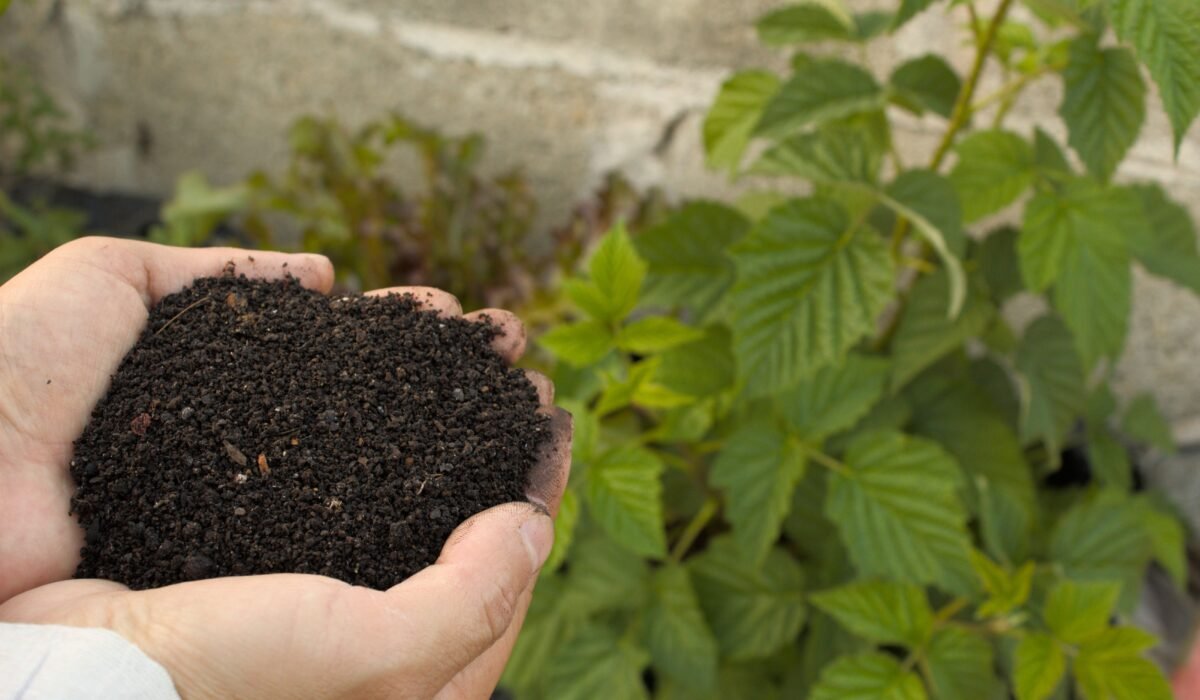
- Compost Tea and Worm Castings: Excellent organic options that enrich the soil with beneficial microbes and a broad spectrum of nutrients. They improve soil structure and water retention, according to MySoil Test Kit (2025).
- Specialized Plant Foods: Specific formulations like Espoma Tomato-Tone or Miracle-Gro Bloom Booster are tailored for particular plant types, providing optimized NPK ratios for flowers and fruits.
When selecting the best liquid fertilizer for vertical garden applications, consider products that are highly concentrated and can be diluted to precise strengths, ensuring your plants receive exactly what they need without excess.
How to Fertilize Your Vertical Garden: Application Methods
Applying fertilizer correctly is just as important as choosing the right type, forming a critical section of any effective **vertical garden fertilization guide**. The method you choose will depend on your vertical garden system, the type of fertilizer, and your plants’ specific needs. Precision in application prevents common issues like over-fertilization or nutrient runoff.
For soil-based vertical gardens, integrating fertilizers into your watering routine is often the most efficient approach. Many Varden Kits, for example, are designed to allow water-soluble fertilizers to be run through drip lines, ensuring direct root uptake. This method minimizes waste and delivers nutrients directly to where they are needed most.
Step 1: Assess Your Garden’s Needs with Soil Testing
Before any application, assess your garden’s needs through soil testing. This matters because it provides a baseline understanding of your soil’s existing nutrient profile and pH. Use a MySoil Test Kit to get accurate readings, which will guide your **vertical garden fertilization guide** decisions.
* Collect soil samples from different levels or pockets of your vertical garden.
* Send samples to a local extension office or use a home test kit like MySoil Test Kit.
* Analyze results to identify deficiencies or excesses in NPK and micronutrients.
* Adjust your fertilization plan based on these specific recommendations.
Step 2: Choose the Right Fertilizer Type
Choosing the right fertilizer type is paramount for successful vertical garden fertilization. This is important because different fertilizers release nutrients at varying rates and are suited for different application methods. Consider slow-release for initial potting and liquid for ongoing feeding, as outlined in this **vertical garden fertilization guide**.
* **Slow-Release Granules:** Mix directly into the potting mix when planting or repotting. Fox Farm Jump Start is a good option for initial soil enrichment.
* Liquid Concentrates: Dilute according to package instructions for regular feeding. Atami’s VGN – VEGANIC Fertilisers offer specific NPK ratios for different growth stages.
* Organic Amendments: Incorporate compost or worm castings into the soil, or brew compost tea for liquid feeding.
Step 3: Understand NPK and Micronutrients
Understanding NPK ratios and micronutrients is vital for targeted plant nutrition. This knowledge allows you to precisely match fertilizer to your plants’ growth stage and specific needs. A robust **vertical garden fertilization guide** always emphasizes this.
* Nitrogen (N): For lush foliage (e.g., leafy greens).
* Phosphorus (P): For strong roots, flowers, and fruits (e.g., tomatoes, strawberries).
* Potassium (K): For overall plant vigor and disease resistance.
* Micronutrients: Essential trace elements like iron, zinc, and boron, often included in complete fertilizers, are critical for preventing nutrient deficiencies.
Step 4: Apply Fertilizer Correctly
Applying fertilizer correctly ensures optimal nutrient uptake and prevents plant damage. This matters because improper application can lead to root burn or nutrient runoff. Follow this **vertical garden fertilization guide** for best practices.
* Liquid Fertilizers: Dilute precisely. Apply during regular watering, either by hand or through an integrated drip system, ensuring the soil is already moist to prevent root burn.
* Slow-Release Granules: Mix into the top inch of soil or potting mix, away from the plant stem, following dosage recommendations. These are excellent for Greenstalk Garden systems.
* Foliar Feeding: For quick boosts, spray diluted liquid fertilizer directly onto leaves, ideally in the early morning or late evening.
Step 5: Monitor and Adjust Feeding Schedule
Monitoring your plants and adjusting your feeding schedule is crucial for their long-term health. This continuous assessment ensures your plants receive consistent and appropriate nutrition. Regular observation is a key component of any successful **vertical garden fertilization guide**.
* Observe leaf color, growth rate, and overall plant vigor for signs of nutrient deficiencies or excesses.
* Adjust the frequency or concentration of your fertilizer based on plant response and seasonal changes.
* Consider reducing feeding during dormant periods or cooler months.
How Often Should You Fertilize a Vertical Garden?
How often you should fertilize a vertical garden depends significantly on the type of fertilizer used, the specific plants you are growing, and the growth stage, making it a highly variable aspect of any **vertical garden fertilization guide**. General recommendations often suggest more frequent feeding than traditional gardens due to faster nutrient depletion. For instance, plants in Greenstalk Garden systems might require different schedules than those in other vertical setups.
My experience with various vertical systems shows that liquid fertilizers are often applied every 1-2 weeks, while slow-release granules might only need reapplication every 2-4 months. Greenway Biotech (2021) suggests that vertical gardens especially “love slow release, organic fertilizers” due to their consistent nutrient delivery. A proper **vertical garden fertilization guide** always emphasizes flexibility based on observation.
Fertilization Frequency Guidelines:
- Liquid Fertilizers: Typically every 1-2 weeks, diluted to half or quarter strength for continuous feeding.
- Slow-Release Granules: Apply every 2-4 months, or as directed by the product label, usually mixed into the potting medium.
- Organic Amendments (e.g., compost tea): Can be applied weekly or bi-weekly for a gentle, consistent nutrient boost.
- Young Plants/Seedlings: Start with very dilute solutions (e.g., 1/4 strength liquid fertilizer) to avoid shocking tender roots.
- Mature/Fruiting Plants: May require more frequent feeding or higher concentrations, especially when flowering or producing fruit.
- Dormant Plants: Reduce or cease fertilization during cooler months or when plants are not actively growing.
Understanding how often to fertilize a vertical garden is critical to preventing both under-feeding and over-fertilization, both of which can harm your plants.
Fertilizing Hydroponic & Aeroponic Vertical Gardens
Fertilizing hydroponic and aeroponic vertical gardens requires a fundamentally different approach than soil-based systems, as plants derive all their nutrients directly from a carefully balanced nutrient solution. This specialized feeding is a distinct and critical part of any comprehensive **vertical garden fertilization guide** for soilless systems. The hydroponics segment held a 60.36% revenue share in the vertical farming market in 2025, according to market data, underscoring its prevalence.
In these systems, there’s no soil to buffer nutrient levels or provide a reservoir of micronutrients. Therefore, maintaining the correct pH and electrical conductivity (EC) of the nutrient solution is paramount. My 10 years in gardening have taught me that even slight imbalances can lead to nutrient lockouts or toxicity, making precise measurement essential for a successful **vertical garden fertilization guide** in hydroponics.
Key Considerations for Hydroponic/Aeroponic Vertical Garden Fertilization:
- Complete Nutrient Solutions: Use fertilizers specifically formulated for hydroponics, which contain all macro and micronutrients in water-soluble forms. Brands like Atami offer specialized nutrient solutions.
- pH Monitoring: Regularly test and adjust the pH of your nutrient solution (ideally between 5.5 and 6.5) to ensure nutrient availability. Use a pH meter and pH up/down solutions.
- EC/TDS Monitoring: Use an EC (Electrical Conductivity) or TDS (Total Dissolved Solids) meter to measure nutrient concentration. Adjust as plants grow and consume nutrients.
- Water Quality: Start with good quality water (e.g., reverse osmosis or filtered) to avoid introducing unwanted minerals that can throw off your nutrient balance.
- Reservoir Management: Replace the entire nutrient solution every 1-2 weeks to prevent nutrient imbalances and pathogen buildup. This is a crucial step for maintaining a healthy hydroponic vertical garden. (For more details, refer to our Hydroponic System Cleaning and Sterilization guide).
- Targeted Formulas: Utilize “grow” formulas (higher nitrogen) for vegetative stages and “bloom” formulas (higher phosphorus/potassium) for flowering and fruiting.
A consistent vertical garden nutrient solution regimen, coupled with diligent monitoring, is the cornerstone of thriving hydroponic or aeroponic plants.
Troubleshooting Vertical Garden Fertilization Issues
Troubleshooting vertical garden fertilization issues effectively means recognizing common symptoms of nutrient deficiencies or over-fertilization and knowing how to correct them, which is a vital part of any practical **vertical garden fertilization guide**. Because plants in vertical systems are often under more stress due to limited space, these issues can manifest quickly. Prompt identification and action are essential for plant recovery.
In my experience, yellowing leaves are a common first sign, but the pattern of yellowing can tell you a lot. For example, general yellowing of older leaves might indicate a nitrogen deficiency, while yellowing between the veins on newer leaves often points to an iron deficiency. This precision in diagnosis is key to preventing widespread problems in your vertical garden.
Common Fertilization Problems and Solutions:
| Symptom | Possible Cause | Solution in a Vertical Garden Fertilization Guide |
|---|---|---|
| Overall Yellowing, especially older leaves | Nitrogen Deficiency | Apply a nitrogen-rich liquid fertilizer (e.g., Fox Farm Grow Big) or compost tea. |
| Purple or Reddish Leaves, stunted growth | Phosphorus Deficiency | Use a high-phosphorus fertilizer (e.g., Espoma Tomato-Tone) or bone meal. |
| Yellowing leaf edges, brown spots, weak stems | Potassium Deficiency | Apply a high-potassium fertilizer or wood ash (for organic systems). |
| Yellowing between veins on new leaves (chlorosis) | Iron Deficiency | Use a chelated iron supplement or adjust pH if too high. |
| Brown or crispy leaf tips/edges, stunted growth | Over-fertilization (Nutrient Burn) | Flush the soil thoroughly with plain water. Reduce fertilizer concentration or frequency. |
| Stunted growth, dark green leaves, slow flowering | Excess Nitrogen | Reduce nitrogen-rich fertilizers; switch to a more balanced or bloom-focused formula. |
| Wilting, leaf drop, unusual leaf shapes | pH Imbalance (Nutrient Lockout) | Test soil/solution pH. Adjust using pH up/down products to the ideal range (6.0-6.8 for soil, 5.5-6.5 for hydro). |
Regular monitoring of your plants and using a MySoil Test Kit can help you catch these issues early, making your **vertical garden fertilization guide** truly effective.
DIY Organic Fertilizers for Your Vertical Garden
Creating your own DIY organic fertilizers for your vertical garden is an excellent way to provide your plants with sustainable and chemical-free nutrition, aligning perfectly with a natural **vertical garden fertilization guide**. These homemade options not only nourish your plants but also improve soil health by fostering beneficial microbial life. Organic fertilizers enhance soil structure, improve water retention, and support beneficial microbes and earthworms, according to MySoil Test Kit (2025).
Many of these organic options can be made from kitchen scraps or garden waste, turning potential waste into valuable plant food. From my perspective, embracing DIY organic solutions is a deeply rewarding aspect of gardening. It allows for a closed-loop system where your garden feeds itself.
Effective DIY Organic Fertilizers for Your Vertical Garden:
- Compost Tea:
* Method: Steep a bag of finished compost in water for 24-48 hours.
* Benefits: Provides a gentle, nutrient-rich liquid feed and beneficial microbes.
* Application: Dilute to a light brown color and use as a liquid plant food every 1-2 weeks. It’s an excellent organic fertilizer for vertical garden systems. - Banana Peel Fertilizer:
* Method: Chop banana peels and bury them shallowly in the soil or soak them in water for a week to create a liquid feed.
* Benefits: High in potassium, excellent for flowering and fruiting plants.
* Application: Use the liquid directly or chop and mix into the top layer of soil. - Eggshell Powder:
* Method: Rinse and dry eggshells, then crush them into a fine powder.
* Benefits: Provides calcium, preventing issues like blossom end rot in tomatoes and peppers.
* Application: Mix a tablespoon into the soil around plants or sprinkle on top. (For more on calcium deficiency, see our Blossom End Rot Treatment guide). - Coffee Grounds:
* Method: Sprinkle used coffee grounds directly onto the soil surface.
* Benefits: Adds nitrogen, improves soil structure, and can slightly acidify the soil.
* Application: Use sparingly, as too much can lower pH excessively. - Alfalfa Meal:
* Method: Incorporate alfalfa meal into your potting mix or sprinkle on the soil surface.
* Benefits: A slow-release source of nitrogen, phosphorus, and potassium, plus trace minerals.
* Application: Ideal for leafy greens and general plant vigor.
By incorporating these DIY solutions, your **vertical garden fertilization guide** becomes more sustainable and tailored to your specific needs.
Frequently Asked Questions
How do I fertilize my vertical garden?
You fertilize your vertical garden by first conducting a soil test to determine nutrient levels, then choosing appropriate liquid or slow-release granular fertilizers. Apply liquid fertilizers diluted during watering every 1-2 weeks, or mix slow-release granules into the soil every few months, according to Varden.com (2022). Always tailor your approach based on plant type and growth stage.
What is the best fertilizer for vertical farming?
The best fertilizer for vertical farming is typically a balanced, water-soluble liquid nutrient solution or a high-quality slow-release organic granular fertilizer. Hydroponic systems, which dominated the United States vertical farming market in 2025, require specialized complete nutrient solutions that contain all macro and micronutrients. For soil-based systems, a product like Espoma Garden-Tone or a balanced liquid feed from Fox Farm can be highly effective.
How often should I fertilize my vertical garden?
You should fertilize your vertical garden more frequently than traditional gardens, typically every 1-2 weeks for liquid fertilizers at a diluted strength, or every 2-4 months for slow-release granules. This increased frequency is due to the limited soil volume and rapid nutrient leaching inherent in vertical systems, as highlighted by Lee Connelly (2026). Always observe your plants for signs of nutrient needs and adjust accordingly.
Do vertical gardens need fertilizer?
Yes, vertical gardens absolutely need fertilizer because their limited soil volume and increased drainage lead to rapid nutrient depletion. Without consistent fertilization, plants in vertical gardens will quickly suffer from nutrient deficiencies, leading to stunted growth and poor yields. The vegetables segment, which held 68% of the total vertical farming market share in 2025, relies heavily on precise nutrient management.
What are the signs of over-fertilization in a vertical garden?
Signs of over-fertilization in a vertical garden include brown or crispy leaf tips and edges, stunted growth, wilting, and a general decline in plant health. This occurs because excess salts from the fertilizer draw water out of the plant roots, causing “nutrient burn.” If you suspect over-fertilization, flush the soil thoroughly with plain water to wash out excess salts.
Mastering your **vertical garden fertilization guide** is truly the secret to unlocking the full potential of your compact green space. By understanding your plants’ nutritional needs, selecting the right fertilizers, and applying them correctly, you’ll cultivate a vibrant and productive vertical garden. Start with a soil test, feed consistently, and watch your plants flourish, transforming your vertical space into a thriving oasis.