
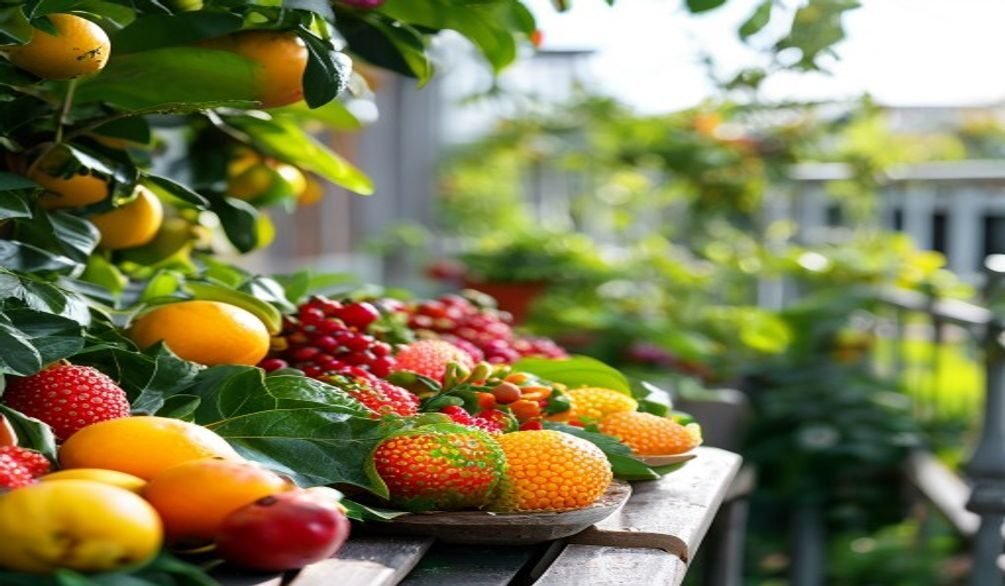
Key Takeaways
- Container gardening households increased by approximately 200% between 2022 and 2023, reflecting urban living trends.
- The average return on food gardening investment was 757% in 2021, according to RubyHome (November 2025).
- Dwarf fruit varieties like Bonfire Dwarf Peach thrive in pots, producing 20-30 full-size peaches.
- Adequate sunlight (6-8 hours daily) is crucial for the success of most fruit-bearing plants in containers.
- A record 64% of respondents plan to expand their gardens in 2026, indicating a growing interest in home food production, according to Axiom (December 2025).
Growing your own produce on a small patio or apartment balcony is entirely possible, and understanding the **Best Balcony Fruits** can transform your limited space into a productive edible oasis. This guide will walk you through expert strategies to select, plant, and nurture fruit-bearing plants, ensuring a bountiful harvest right outside your door.
Quick Answer: The best balcony fruits are dwarf, compact varieties like strawberries, dwarf citrus, blueberries, and miniature peaches or pomegranates. Success requires adequate sunlight (6-8 hours), proper drainage, suitable pot size, and consistent watering to ensure these best balcony fruits thrive.
What are the best balcony fruits for your space?
The best balcony fruits are typically dwarf or compact varieties specifically bred to thrive in containers, maximizing yield in minimal space. These selections allow urban gardeners to enjoy fresh, homegrown produce without needing a large yard. From my 10 years of experience, focusing on these tailored varieties is the secret to success.
Choosing the right plants is the first step to a successful balcony edible garden. Many traditional fruit trees are too large, but breeders have developed incredible dwarf fruit trees for pots that fit perfectly.
Here are some of the top picks for the best balcony fruits:
- Strawberries: These are arguably the easiest balcony fruits for beginners. They grow wonderfully in hanging baskets, vertical planters, or shallow containers, producing sweet berries quickly.
- Dwarf Citrus Trees: Varieties like Meyer Lemon, Calamondin Orange, and Key Lime are fantastic balcony citrus trees. They offer fragrant blossoms and delicious fruit, often thriving indoors during colder months.
- Blueberries: Dwarf blueberry bushes, such as ‘Top Hat’ or ‘Jelly Bean’, are well-suited for containers, though they require acidic soil and consistent moisture. These make excellent best balcony fruits.
- Miniature Peaches/Nectarines: The Bonfire Dwarf Peach is a prime example, growing only three to four feet tall in a pot yet capable of producing 20 to 30 full-size freestone peaches.
- Dwarf Pomegranates: The Dwarf Pomegranate ‘Nana’ is incredibly resilient, producing 20 to 30 small, sweet pomegranates even with limited light. This truly makes them among the best balcony fruits.
- Fig Trees: Compact fig varieties like ‘Little Miss Figgy’ or ‘Brown Turkey’ adapt well to containers and can produce abundant fruit with proper care.
- Columnar Apple Trees: These narrow-growing varieties are perfect for small spaces, growing upwards rather than outwards, making them ideal high yield container fruits.
Understanding these options helps you select the best balcony fruits that align with your available space and growing conditions. Each of these compact fruit plants offers a unique reward for the diligent balcony gardener.
Choosing balcony fruit plants: sun, space, and climate considerations
Selecting the ideal best balcony fruits for your specific environment hinges on understanding your balcony’s microclimate, particularly its sun exposure, available space, and local climate zone. Overlooking these factors is a common mistake that can lead to disappointment.
Most fruit-bearing plants require at least 6-8 hours of direct sunlight daily to produce a good harvest, according to Oregon State University Extension (2023). However, some “fruit plants for shady balcony” options exist, though yields may be reduced.
Consider these critical factors when choosing your best balcony fruits:
- Sunlight Exposure: Observe your balcony throughout the day and across seasons. A south-facing balcony typically offers the most sun, ideal for most best balcony fruits. East or west-facing balconies receive partial sun, while north-facing balconies are best for shade-tolerant options or those needing less intense light, like Dwarf Pomegranate ‘Nana’.
- Available Space: Measure the footprint for your containers and consider vertical space. Vertical fruit gardening systems can significantly increase your planting area for fruits like strawberries.
- Climate Zone: Your USDA hardiness zone dictates which perennial fruits can survive winter outdoors. For colder zones, you might need to choose cold-hardy varieties or plan to overwinter tender plants indoors.
- Wind Protection: Balconies can be windy, which stresses plants and dries out soil quickly. Consider windbreaks or positioning taller plants where they are sheltered to protect your best balcony fruits.
Katie Tamony, Chief Marketing Officer at Monrovia Plants, notes, “There is more interest than ever in gardening on decks and patios,” highlighting the widespread appeal of growing fruit in small spaces (December 2025). This trend emphasizes the need for careful selection of the best balcony fruits.
Essential strategies for growing balcony fruits in containers
Successful cultivation of the best balcony fruits in containers requires specific, careful strategies regarding variety selection, potting, watering, and feeding. These foundational steps ensure your plants have the best chance to thrive and produce abundantly.
My decade of experience has taught me that meticulous attention to these details prevents many common container gardening failures. Here are the essential steps for your best balcony fruits:
Step 1: select dwarf fruit varieties
The very first step is to choose fruit varieties specifically bred for compact growth, ensuring they are truly the best balcony fruits for your space. Opt for varieties labeled “dwarf,” “patio,” or “container-friendly” to prevent overgrowth. For example, the Bonfire Dwarf Peach is excellent for container gardening.
Step 2: choose ideal pots and soil
Selecting the right container size and potting mix is paramount for your best balcony fruits. Most dwarf fruit trees require pots at least 15-20 gallons (around 18-24 inches in diameter) to allow for root growth and stability. Smaller fruits like strawberries can thrive in 8-10 inch pots or hanging baskets.
Use a high-quality, well-draining potting mix, not garden soil, which can compact and suffocate roots in containers. For acidic-loving plants like blueberries, amend your soil with peat moss or specific acid-lovers mix. Proper drainage is critical for growing fruit in small spaces.
Comparison of Potting Mix Components for Best Balcony Fruits
| Component | Purpose | Suitable Fruits |
|---|---|---|
| Coir/Peat Moss | Retains moisture, lightens soil | Most best balcony fruits, especially strawberries |
| Perlite/Vermiculite | Improves drainage and aeration | All container fruit plants |
| Compost | Nutrient supply, soil structure | All best balcony fruits for sustained fertility |
| Pine Bark Fines | Aeration, moisture retention, acidity | Blueberries, some dwarf citrus trees |
Step 3: ensure proper sun and watering
Consistent watering is vital for container plants, as they dry out faster than in-ground gardens. Check soil moisture daily, especially during hot, sunny weather. The USDA recommends consistent moisture for healthy container plants, but never waterlogging (2023).
Most of the best balcony fruits need full sun, meaning 6 to 8 hours of direct sunlight. Position your containers strategically to capture maximum light throughout the day.
Step 4: fertilize and prune regularly
Containerized fruit plants rely entirely on you for nutrients. Use a balanced, slow-release fertilizer or a liquid feed specifically formulated for fruit-bearing plants, following package directions. Regular pruning is also essential to maintain plant shape, encourage fruit production, and keep your best balcony fruits manageable in size. Maximizing fruit tree pollination also benefits from healthy, well-pruned plants.
How to maximize your balcony fruit harvest year-round
Maximizing your harvest from the best balcony fruits involves strategic planting, continuous care, and smart overwintering techniques. This approach ensures you get the most out of your growing fruit in small spaces throughout the seasons.
Step 5: manage pests and diseases
Even the best balcony fruits can fall victim to pests and diseases. Regular inspection is your best defense. Look for early signs of trouble like discolored leaves, sticky residue, or visible insects. Early intervention is key to keeping your fruit plants healthy.
For common pests like aphids, a strong spray of water or an application of insecticidal soap can be effective. Natural aphid control solutions are often sufficient for balcony gardens. For diseases, ensure good air circulation and avoid overwatering, which can promote fungal issues. Organic disease prevention is crucial for sustainable balcony edible garden practices.
Step 6: overwinter perennial plants
For perennial best balcony fruits in colder climates, overwintering is crucial. This involves protecting plants from freezing temperatures. You might need to move pots indoors to a sunny window, a garage, or a protected porch.
Reduce watering significantly during dormancy and stop fertilizing. For instance, dwarf citrus trees can thrive indoors near a bright window during winter, continuing to be productive balcony citrus trees.
Step 7: enjoy your balcony harvest
The ultimate reward for nurturing your best balcony fruits is the delicious harvest! Pick fruits at their peak ripeness for the best flavor. Many dwarf fruit trees for pots, like the Bonfire Dwarf Peach, are prolific, providing a substantial yield.
Consider succession planting for fruits like strawberries, planting new batches every few weeks to ensure a continuous supply throughout the season. This strategy is vital for high yield container fruits.
Keeping your balcony fruits healthy: pest and disease solutions
Maintaining the health of your best balcony fruits against pests and diseases is primarily about proactive observation and early, organic intervention. A healthy plant is inherently more resistant to problems.
Approximately two-thirds of garden enthusiasts are between ages 18-34, a demographic increasingly interested in sustainable practices, according to gardening industry surveys (2023). This includes favoring organic pest control for their fruit plants.
Here are practical solutions to keep your best balcony fruits thriving:
- Regular Inspections: Dedicate a few minutes each week to examine your plants closely. Check the tops and undersides of leaves, stems, and developing fruits for any signs of pests or disease. Early detection is the most effective pest management strategy for easy balcony fruits.
- Good Air Circulation: Crowded plants are more susceptible to fungal diseases. Ensure adequate spacing between your containers and prune away dense foliage to improve airflow around your best balcony fruits.
- Watering Practices: Water at the base of the plant to avoid wetting foliage, which can encourage fungal growth. Water in the morning so leaves can dry throughout the day.
- Organic Pest Control: For common pests like aphids, mealybugs, or spider mites, start with non-toxic methods. A strong spray of water can dislodge many pests. Neem oil or insecticidal soaps are excellent organic options for your best balcony fruits.
- Beneficial Insects: Encourage natural predators like ladybugs by planting companion flowers. Balcony garden companion planting can attract these helpful insects, creating a balanced ecosystem for your best balcony fruits.
Katie Tamony of Monrovia Plants states, “Gardening is cheaper than therapy – and you get tomatoes,” a sentiment that extends to the joy and satisfaction of nurturing healthy best balcony fruits (October 2025).
The hidden benefits of growing balcony fruits
Beyond the obvious joy of fresh produce, cultivating the best balcony fruits offers significant economic, environmental, and personal well-being advantages. These often-overlooked benefits make balcony gardening a truly rewarding endeavor.
The average return on food gardening investment was 757% in 2021, according to RubyHome (November 2025), highlighting the substantial economic benefits of growing your own food, including the best balcony fruits.
Consider these impactful benefits of growing fruit in small spaces:
- Cost Savings: Producing your own best balcony fruits can significantly reduce your grocery bill, especially for expensive organic produce. The initial investment in pots and plants quickly pays for itself.
- Improved Nutrition: Homegrown fruits are often fresher, more flavorful, and potentially more nutritious than store-bought options, as they are picked at peak ripeness. You control the growing conditions, ensuring no harmful pesticides.
- Mental Well-being: Engaging with nature, even on a small scale, has documented mental health benefits. The act of nurturing plants and watching them grow can reduce stress and improve mood. “The glory of gardening: hands in the dirt, head in the sun, heart with nature,” as Alfred Austin beautifully put it (April 2024).
- Environmental Impact: Growing best balcony fruits reduces your carbon footprint by minimizing transportation needs and supporting local ecosystems. Container fruit plants contribute to urban greening.
- Food Security: Having a personal supply of best balcony fruits provides a sense of security and self-sufficiency, a growing concern for many. Households engaging in container gardening increased by roughly 200% between 2022 and 2023.
This surge in interest is also reflected in spending, with 49.5% of gardeners spending more money gardening in 2025, an 11.5% increase from 2024, according to Axiom’s 2026 Gardening Outlook Study (December 2025). This shows a commitment to growing the best balcony fruits.
Quick start guide: easiest balcony fruits for beginners
For those new to growing fruit in small spaces, starting with easy balcony fruits ensures a higher chance of success and builds confidence for more ambitious projects. My advice is always to begin with varieties that are forgiving and productive.
A record 64% of respondents in a 2025 study plan to plant more and expand their gardens in 2026, indicating a broad enthusiasm for gardening, according to Axiom (December 2025). This guide focuses on making that expansion easy for new gardeners.
Here’s a quick-start guide to the easiest best balcony fruits:
- Strawberries: Purchase established plants or bare roots. Plant them in hanging baskets or wide, shallow containers with good drainage. Provide at least 6 hours of sun and consistent moisture. They are incredibly forgiving and perfect for a balcony edible garden.
- Bush Cherries (Dwarf Varieties): Look for varieties like ‘Carmine Jewel’ or ‘Romeo’. These are cold-hardy and produce tart cherries suitable for fresh eating or preserves. They need a larger pot (20-25 gallons) and full sun.
- Dwarf Pomegranates (e.g., ‘Nana’): These are exceptionally resilient and can tolerate less-than-ideal light conditions, making them excellent fruit plants for shady balcony spots. Plant in a medium-sized pot (10-15 gallons) and water regularly.
- Meyer Lemon (Dwarf): A popular choice for balcony citrus trees, it’s more tolerant of temperature fluctuations than other lemons. Plant in a 15-20 gallon pot, ensure full sun, and bring indoors if temperatures drop below 40°F (4°C).
- Raspberries (Dwarf or Compact): Varieties like ‘Raspberry Shortcake’ are thornless and grow well in large containers. They require staking or a small trellis for support and consistent watering.
With these selections, you can confidently begin your journey to a productive balcony garden filled with the best balcony fruits. Remember, even a small space can yield a surprising amount of fresh produce.
Frequently asked questions
What fruits grow best on apartment balconies?
The best fruits for apartment balconies are dwarf, compact varieties like strawberries, dwarf citrus (Meyer lemons, Calamondin oranges), blueberries, miniature peaches (Bonfire Dwarf Peach), and dwarf pomegranates (‘Nana’). These plants are specifically bred to thrive in container conditions, making them ideal for limited spaces.
What is the easiest fruit to grow on a balcony?
Strawberries are widely considered the easiest fruit to grow on a balcony due to their adaptability to various containers, quick fruiting, and relatively low maintenance requirements. Households engaging in container gardening increased by roughly 200% between 2022 and 2023, often starting with resilient choices like strawberries.
How much sun do balcony fruit plants need?
Most balcony fruit plants, especially those that produce a significant harvest, require at least 6-8 hours of direct sunlight daily. For instance, dwarf citrus and peaches thrive in full sun, while some varieties like Dwarf Pomegranate ‘Nana’ can tolerate a few hours of gentle light, according to Oregon State University Extension (2023).
Which fruit plants produce fruit the fastest?
Strawberries and certain dwarf raspberry varieties are among the fastest fruit plants to produce fruit on a balcony, often yielding within the first growing season. These quick producers are excellent for satisfying immediate gardening gratification and are among the best balcony fruits for rapid results.
What are some tips for growing fruit in small spaces?
To successfully grow fruit in small spaces, focus on dwarf or columnar varieties, use appropriately sized pots with excellent drainage, provide consistent watering and feeding, and choose a location with maximum sunlight. Regular pruning is also key to maintaining size and promoting fruit production for your best balcony fruits.







