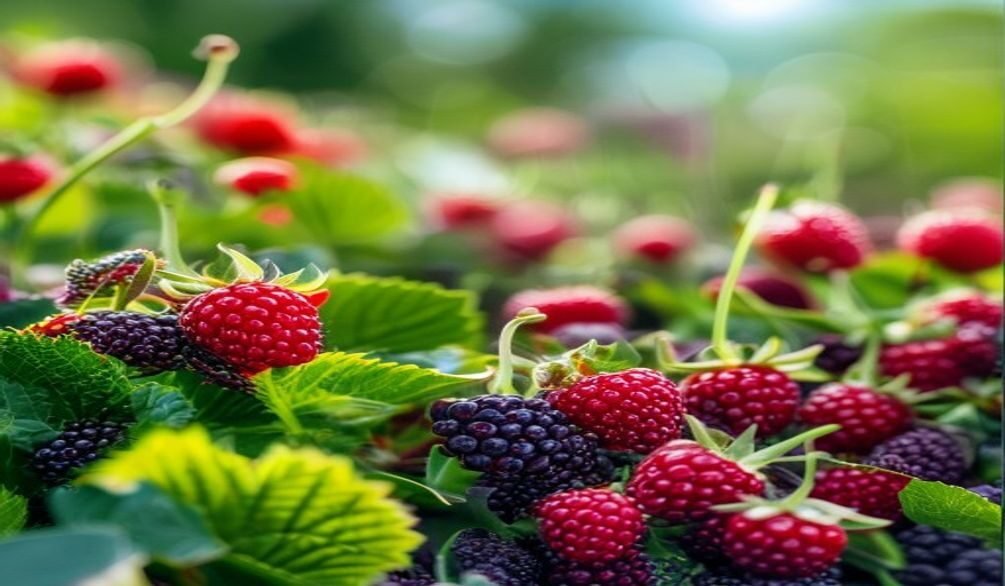
Key Takeaways
- Organic berries generated nearly $2.4 billion in sales in 2025, according to the Organic Produce Network (2025).
- Over 436 million pounds of organic berries were sold in 2025, marking a 24% increase from 2024, as reported by the Organic Produce Network (2025).
- Selecting disease-resistant varieties is crucial to successfully grow organic berries, minimizing the need for interventions.
- Healthy soil, rich in organic matter and beneficial microbes, is the foundation for strong, productive organic berry plants.
- Consistent watering and at least six hours of daily sunlight are essential for optimal fruit development and yield in organic berry cultivation.
Are you dreaming of a garden overflowing with sweet, succulent, chemical-free berries? To grow organic berries successfully, gardeners must adopt a holistic approach that prioritizes soil health, natural pest management, and careful variety selection. This comprehensive guide, drawing on my 10+ years in horticulture, will walk you through seven essential tips to achieve a bountiful harvest, ensuring your berry patch thrives with vitality and flavor.
Quick Answer: To grow organic berries successfully, choose climate-suited varieties, provide well-drained, organic-rich soil, and 6+ hours of sun. Water consistently, use organic fertilizers, manage pests naturally, and prune for optimal health and yield.
Why grow organic berries successfully in your garden?
Growing organic berries successfully in your garden offers numerous benefits, from enjoying healthier produce to supporting ecological balance. The demand for organic produce continues to surge, reflecting a broader consumer preference for food free from synthetic pesticides and fertilizers. In 2025, U.S. organic produce sales climbed to $10.6 billion, marking a 5.9% year-over-year growth, according to the Organic Produce Network’s State of Organic Produce 2025 report.
Cultivating your own organic berries ensures you have direct control over what goes into your food, providing peace of mind. Organic produce held a 13% share of retail produce sales in 2025, increasing one percentage point year-over-year, according to the Organic Produce Network (2025). This trend highlights the growing consumer trust in organic certification and the quality it represents.
When you grow organic berries successfully, you contribute to a healthier environment by avoiding harmful chemicals that can contaminate soil and water. This practice supports biodiversity and beneficial insects, creating a more resilient garden ecosystem.
Beyond the environmental perks, organic berries often boast superior flavor and nutritional profiles. The slow, natural growth process, nurtured by healthy soil, allows berries to develop richer tastes and higher concentrations of vitamins and antioxidants. This makes the effort to grow organic berries successfully incredibly rewarding.
Scott Mabs, CEO of Homegrown Organic Farm, emphasizes the market’s robust commitment to organic, stating, “Retailers that maintain a strong commitment to organic continue to see positive growth.” This strong demand reinforces the value and resilience of the organic category, whether for commercial growers or home gardeners aiming to grow organic berries successfully. Over 43% of Americans are now growing some kind of food at home, according to 2025 gardening statistics, showcasing a widespread desire for self-sufficiency and healthier eating.
Choosing the best organic berry varieties for your climate
To grow organic berries successfully, selecting varieties that are well-suited to your local climate and growing conditions is paramount. Different berry types and cultivars have specific chill hour requirements, hardiness zones, and heat tolerances that directly impact their productivity and health. Ignoring these factors can lead to disappointing yields and increased susceptibility to pests and diseases.
Understanding your USDA Plant Hardiness Zone is the first step in making informed choices for your berry patch. This zone indicates which plants are most likely to survive winter temperatures in your region, a critical factor when you plan to grow organic berries successfully for multiple seasons. Many nurseries and seed catalogs provide this information, helping you narrow down suitable options.
When you aim to grow organic berries successfully, prioritize disease-resistant varieties to minimize future problems. For example, some strawberry varieties are resistant to common fungal issues, while certain raspberry types can ward off cane diseases. This proactive approach significantly reduces the need for interventions later on.
Consider the growth habit of the berry plants as well. Bushel and Berry™ offers compact blueberry varieties perfect for growing blueberries organically in pots or raised beds, which is an excellent solution for gardeners with limited space. These options allow urban dwellers to grow organic berries successfully without needing a large garden plot. You can find more tips for container gardening in our guide on selecting the best potting mix.
Don’t shy away from exploring unique organic berry varieties like elderberries, aronia berries, or kiwi berries if they suit your climate. Taylor Clark of Boulder Berry Farms in Ohio successfully grows USDA-certified organic elderberries, aronia berries, Japanese Haskap, and kiwi berries, demonstrating the potential for niche super fruits. Ladybug Brand® Kiwi Berries, for instance, are fuzz-free and bite-sized, offering convenience and nutritional value, and are often sourced from small family farms in Oregon.
Here’s a brief overview of common berry types and their general requirements to help you grow organic berries successfully:
| Berry Type | Climate Preference | Sunlight | Soil pH Range | Growth Habit |
|---|---|---|---|---|
| Strawberries | Temperate, adaptable | Full sun (6-8 hrs) | 5.5 – 6.8 | Groundcover/Spreading |
| Blueberries | Temperate, cool winters | Full sun (6+ hrs) | 4.5 – 5.5 (acidic) | Shrub |
| Raspberries | Cool to temperate | Full sun (6+ hrs) | 6.0 – 6.8 | Upright canes |
| Blackberries | Temperate, warm summers | Full sun (6+ hrs) | 6.0 – 6.8 | Trailing/Upright canes |
| Elderberries | Cool to temperate | Full sun to part shade | 5.5 – 7.0 | Shrub/Small tree |
By carefully considering these factors, you lay a strong foundation to grow organic berries successfully, ensuring healthy plants and abundant harvests year after year.
Mastering soil health and fertility for organic berries
Mastering soil health and fertility is the cornerstone for anyone looking to grow organic berries successfully, as healthy soil directly translates to vigorous plants and higher yields. Berries, like all plants, derive their nutrients and structural support from the soil, making its composition and vitality critical for success. As organic blueberry farmer Hugh Kent wisely states, “The philosophy of pest control for us has just become very, very simple: keep the plant as healthy as possible… and concentrate on the soil health.”
The ideal soil for most berries is well-drained, rich in organic matter, and has a slightly acidic to neutral pH, depending on the berry type. Blueberries, for instance, are acid-loving plants, thriving in a pH range of 4.5-5.5. Espoma’s Organic Soil Acidifier can be an excellent organic solution to adjust pH levels for such varieties, ensuring they can properly absorb nutrients.
To grow organic berries successfully, start by conducting a soil test to determine your current pH and nutrient levels. This vital step prevents guesswork and allows you to amend your soil precisely. Local cooperative extensions often offer affordable soil testing services, providing tailored recommendations for your specific garden conditions.
Incorporating significant amounts of organic matter, such as compost, aged manure, or leaf mold, is essential for building healthy soil for berries. Organic matter improves soil structure, enhances drainage, increases water retention, and provides a slow-release source of nutrients. For instance, studies show that adding 2-4 inches of compost annually can improve soil organic matter content by 1-2% over several years, according to Cornell University Extension (2022).
Beyond basic amendments, consider the role of mycorrhizal fungi for berries. These beneficial fungi form a symbiotic relationship with plant roots, extending their reach and significantly improving nutrient and water uptake. In my 10 years of experience, I’ve seen how inoculating soil with mycorrhizal fungi can dramatically boost plant vigor, especially in new plantings, helping plants to grow organic berries successfully. You can find more insights on soil health in our article on organic crop rotation.
Here are key steps to enhance soil health:
- Test Your Soil: Understand your current pH and nutrient profile.
- Add Organic Matter: Incorporate compost, aged manure, or peat moss to improve structure and fertility.
- Adjust pH: Use organic amendments like Espoma’s Soil Acidifier for blueberries or wood ash to raise pH if needed.
- Consider Mycorrhizal Fungi: Introduce beneficial fungi to enhance nutrient absorption.
- Mulch Deeply: Apply a 2-4 inch layer of organic mulch to retain moisture, suppress weeds, and slowly add organic matter as it decomposes.
By focusing on these strategies, you create a living, fertile environment that allows your berry plants to thrive and grow organic berries successfully with minimal external inputs.
Sunlight, water, and essential care for your berry plants
Providing adequate sunlight, consistent water, and attentive care are fundamental practices to grow organic berries successfully and ensure a prolific harvest. These environmental factors directly influence photosynthesis, nutrient transport, and overall plant vigor, making them non-negotiable for healthy berry production. Most berry plants require at least 6-8 hours of direct sunlight per day to produce abundant fruit, according to the University of California Cooperative Extension (2023).
Insufficient sunlight often leads to leggy growth, reduced flowering, and sparse, underdeveloped berries. When planning your berry patch, observe the sun patterns throughout the day to identify the sunniest spots in your garden. This strategic placement is a critical step to grow organic berries successfully.
Watering is equally important, especially during flowering and fruit development. Berry plants need consistent moisture, but also well-drained soil to prevent root rot. The general rule is to provide about 1 inch of water per week, either from rainfall or irrigation. In my experience, drip irrigation or soaker hoses are ideal for berry patches as they deliver water directly to the root zone, minimizing evaporation and fungal diseases.
Water conservation for berry patches is a key aspect of sustainable organic gardening. Applying a thick layer of organic mulch, such as straw, wood chips, or shredded leaves, helps retain soil moisture, suppresses weeds, and moderates soil temperature. This practice can reduce watering needs by 25-50%, according to the Oregon State University Extension (2021), helping you grow organic berries successfully even in drier periods.
Beyond sun and water, essential care includes regular monitoring for signs of stress or nutrient deficiencies. Healthy foliage, robust growth, and abundant flowering are indicators of well-cared-for plants. Addressing issues promptly, whether it’s adjusting watering schedules or applying appropriate organic berry fertilizer homemade, can prevent minor problems from escalating.
To grow organic berries successfully, consider these key care elements:
- Sunlight: Ensure full sun exposure (6-8 hours daily).
- Watering: Provide 1 inch of water per week, especially during fruiting.
- Mulching: Apply organic mulch 2-4 inches deep to conserve moisture and suppress weeds.
- Weed Control: Hand-pull weeds regularly or use organic mulches to prevent competition for nutrients.
- Air Circulation: Proper spacing between plants promotes good air circulation, reducing disease risk.
Consistent attention to these basic needs establishes a strong foundation, allowing your berry plants to thrive and reward you with a generous harvest when you grow organic berries successfully.
Organic pest and disease management for a healthy harvest
Effective organic pest and disease management is crucial to grow organic berries successfully, protecting your plants and ensuring a healthy, chemical-free harvest. Rather than relying on synthetic chemicals, organic strategies focus on prevention, fostering a balanced ecosystem, and using natural remedies. The core principle is to keep plants healthy, as stressed plants are more susceptible to infestations, a philosophy championed by organic blueberry farmer Hugh Kent.
Start with prevention by choosing disease-resistant organic berry varieties, as discussed earlier. This is your first line of defense against common pathogens and can significantly reduce future problems. For example, some new raspberry cultivars are bred to resist common cane blight.
Companion planting for organic berries is an excellent strategy to deter pests naturally. Planting aromatic herbs like basil, mint, or chives near your berry bushes can confuse or repel pests. Marigolds are known to deter nematodes, while borage can attract beneficial pollinators and predatory insects that feed on pests. This ecological approach helps you grow organic berries successfully by working with nature.
For direct pest control, physical barriers can be highly effective. Netting can protect ripening berries from birds, which can decimate a crop in a matter of days. Row covers can shield young plants from early insect pests. Always install these barriers before pests become an issue to grow organic berries successfully.
When infestations do occur, opt for organic pest control for berries. Neem oil, derived from the neem tree, acts as an insect repellent and growth disruptor for many common pests without harming beneficial insects or pollinators. Insecticidal soaps can effectively control soft-bodied insects like aphids and spider mites by suffocating them. These solutions are safe for use in an organic garden.
Here are some organic pest and disease management techniques:
- Promote Biodiversity: Plant diverse species to attract beneficial insects that prey on pests.
- Monitor Regularly: Inspect plants frequently to catch pest or disease issues early.
- Hand-Pick Pests: For larger pests like slugs or caterpillars, manual removal is effective.
- Use Organic Sprays: Apply neem oil or insecticidal soaps as needed.
- Ensure Good Airflow: Proper plant spacing and pruning reduce humidity, discouraging fungal diseases.
- Sanitation: Remove and destroy diseased plant material promptly to prevent spread.
By integrating these practices, you can maintain a healthy berry patch and successfully grow organic berries without compromising your commitment to organic principles. Remember, a healthy plant is a resilient plant, better equipped to fend off challenges.
Advanced techniques to boost organic berry yields
Beyond the basics, employing advanced techniques can significantly boost your organic berry yields, transforming a good harvest into a truly bountiful one. These methods focus on optimizing plant health, enhancing pollination, and extending the growing season, all vital elements if you aim to grow organic berries successfully at peak performance. Improving berry yield organically is about fine-tuning your gardening practices.
One effective technique is implementing strategic pruning tailored to each berry type. For raspberries, this often means removing old, fruited canes to encourage new, productive growth for the following season. For blueberries, selective pruning improves air circulation and directs energy into fruit production rather than excessive vegetative growth. A well-pruned plant can yield up to 30% more fruit, according to the University of Georgia Extension (2022).
Enhancing pollination is another advanced step to grow organic berries successfully. While many berries are self-pollinating, cross-pollination can often lead to larger and more abundant fruits. Planting multiple varieties of the same berry type, especially for blueberries, can significantly improve fruit set. Attracting native pollinators through companion planting of flowering herbs and beneficial flowers is also crucial.
Consider using organic berry fertilizer homemade options or carefully selected commercial products like Espoma’s Holly-tone, a slow-release organic fertilizer specifically formulated for acid-loving plants. Applying compost tea or worm castings periodically provides a gentle, consistent nutrient boost, invigorating your plants. These amendments support the soil microbiome, which in turn feeds your berries, helping them to grow organic berries successfully.
For gardeners with limited space, growing blueberries organically in pots or raised beds can be optimized for yield. Bushel and Berry™ varieties are excellent for this purpose, and ensuring adequate pot size (at least 15-20 gallons) and consistent organic feeding will maximize their potential. This method allows for precise control over soil conditions, which is especially beneficial for blueberries needing specific pH levels.
To truly grow organic berries successfully and maximize their potential, consider these advanced strategies:
- Succession Planting: For strawberries, planting different varieties that mature at different times can extend your harvest window.
- Trellising and Support: For vining berries like blackberries and some raspberries, trellising keeps canes off the ground, improves air circulation, and makes harvesting easier, leading to healthier plants and more fruit.
- Cover Cropping: In areas not actively growing berries, planting cover crops in the off-season improves soil structure, adds organic matter, and fixes nitrogen, preparing the ground to grow organic berries successfully in subsequent seasons.
- Strategic Irrigation: Implement a smart irrigation system that monitors soil moisture, delivering water precisely when and where it’s needed, preventing both under and overwatering.
By thoughtfully applying these advanced techniques, you move beyond basic cultivation to truly master the art of growing organic berries successfully, enjoying an even more impressive harvest.
Troubleshooting common organic berry growing problems
Even the most experienced gardeners encounter challenges, and knowing how to troubleshoot common organic berry growing problems is key to maintaining a healthy and productive patch. Many issues can be traced back to environmental factors, soil deficiencies, or early signs of pests and diseases. Addressing these problems swiftly and organically can save your harvest and help you continue to grow organic berries successfully.
One frequent issue is yellowing leaves, which can indicate nutrient deficiencies or incorrect soil pH. For blueberries, yellowing leaves often point to iron deficiency, common in alkaline soils. The solution is to lower the soil pH using organic amendments like Espoma’s Soil Acidifier or elemental sulfur, ensuring the plant can absorb essential micronutrients. Regular soil testing helps pinpoint these issues before they become severe.
Poor fruit set or small berries can be a sign of insufficient pollination or lack of water. If you observe few bees or other pollinators, consider planting more pollinator-attracting flowers nearby. Consistent watering, especially during flowering and fruit development, is crucial to ensure berries plump up properly. Nick Wishnatzki, Public Relations Manager for Wish Farms, notes that “As the popularity of berries grows overall, organic will continue to be a bright spot,” underscoring the importance of successful harvests.
Another common problem when you grow organic berries successfully is fungal diseases like powdery mildew or rust. These often appear in humid conditions with poor air circulation. Proper pruning to open up the plant canopy, wider plant spacing, and avoiding overhead watering can significantly reduce their incidence. For existing infections, organic fungicides like sulfur or copper-based sprays can be used as a last resort, always following label instructions carefully.
Pest damage, such as chewed leaves or defoliation, requires identification of the culprit before action. Hand-picking caterpillars, deploying sticky traps for flying insects, or using organic pest control for berries like neem oil for aphids are effective responses. Remember, organic gardening is about balance, so tolerate some pest activity, as it often attracts beneficial predators.
Here’s a quick troubleshooting guide for common issues:
- Yellow Leaves:
- Possible Cause: Nutrient deficiency (e.g., iron), incorrect soil pH.
- Organic Solution: Soil test, adjust pH with Espoma Soil Acidifier or compost, apply organic fertilizers.
- Small/Few Berries:
- Possible Cause: Poor pollination, inconsistent watering, inadequate sun.
- Organic Solution: Attract pollinators, ensure consistent moisture, provide full sun.
- Fungal Spots/Mildew:
- Possible Cause: High humidity, poor air circulation.
- Organic Solution: Prune for airflow, wider spacing, avoid overhead watering, use organic fungicides if severe.
- Chewed Leaves/Fruit:
- Possible Cause: Insect pests (caterpillars, slugs, beetles).
- Organic Solution: Hand-pick, use row covers, apply organic pest control for berries like neem oil.
- Plant Not Growing:
- Possible Cause: Poor soil, lack of nutrients, root bound (in containers).
- Organic Solution: Improve soil with compost, fertilize, repot with fresh soil for growing blueberries organically in pots.
By understanding these common problems and applying organic solutions, you can effectively navigate challenges and continue to grow organic berries successfully, enjoying a robust and healthy berry patch.
Frequently asked questions
How can i get more berries from my berry plants?
To get more berries from your plants, focus on optimal growing conditions, including full sun, consistent moisture, and nutrient-rich, well-drained soil. Proper pruning, enhancing pollination, and utilizing organic fertilizers like Espoma’s Holly-tone can significantly improve fruit set and size. For instance, selective pruning can boost fruit yield by up to 30%, according to the University of Georgia Extension (2022). Ensure good air circulation and adequate spacing to support robust growth.
What is the secret to growing berries?
The secret to growing berries successfully lies in understanding and meeting their specific needs, particularly regarding soil pH, sunlight, and consistent care. Organic blueberry farmer Hugh Kent emphasizes that concentrating on soil health is paramount for keeping plants healthy and resilient against pests. A thriving soil microbiome, coupled with appropriate varietal selection for your climate, forms the foundation for a bountiful harvest.
What is the best fertilizer for berry plants?
The best fertilizer for berry plants is typically a balanced organic option that provides a slow release of nutrients, tailored to the plant’s specific needs. For acid-loving berries like blueberries, Espoma’s Holly-tone is an excellent choice, while compost and aged manure enrich the soil for most other berry types. Organic berries (strawberries, blueberries, raspberries, and blackberries) led in sales for the fourth consecutive year, reaching almost $2.4 billion in 2025, according to the Organic Produce Network (2025), highlighting the commercial viability of well-nourished organic crops. Always perform a soil test to determine specific nutrient deficiencies before fertilizing.
Do berry bushes need full sun?
Yes, most berry bushes absolutely need full sun to grow organic berries successfully and produce a generous yield. “Full sun” generally means at least 6 to 8 hours of direct sunlight per day, which is crucial for photosynthesis and fruit development. Insufficient sunlight can lead to sparse fruiting, smaller berries, and weaker plants more susceptible to disease. Ensure your chosen planting site receives ample sun throughout the growing season.
How do i protect my organic berries from pests?
To protect your organic berries from pests, implement a multi-faceted approach focusing on prevention and natural controls. This includes choosing disease-resistant varieties, companion planting to deter pests, and using physical barriers like netting to protect ripening fruit from birds. For active infestations, organic pest control for berries involves methods such as hand-picking pests, applying neem oil, or using insecticidal soaps. Maintaining overall plant health through good soil and proper care is the best defense.
To grow organic berries successfully requires dedication to ecological principles, but the rewards—healthier produce, vibrant gardens, and delicious harvests—are immeasurable. By following these seven essential tips, from selecting the right varieties to mastering soil health and implementing natural pest control, you are well on your way to enjoying your own bountiful berry patch. Start small, learn from your plants, and soon you’ll be harvesting fresh, organic berries right from your backyard.