Key Takeaways
- The global indoor plant market was valued at approximately $21 billion in 2025, according to Terrarium Tribe.
- Online platforms for indoor plant sales are expected to grow at a 10.05% compound annual growth rate through 2031, according to Terrarium Tribe.
- Indoor plants can reduce up to 87 percent of common household air pollutants, according to the American Society of Landscape Architects (ASLA).
- Plants like Pothos, Philodendron, and ZZ plants are excellent choices for a low-maintenance DIY indoor plant wall.
- Integrating smart irrigation and grow lights can automate up to 70% of routine care for your green wall, based on expert observations.
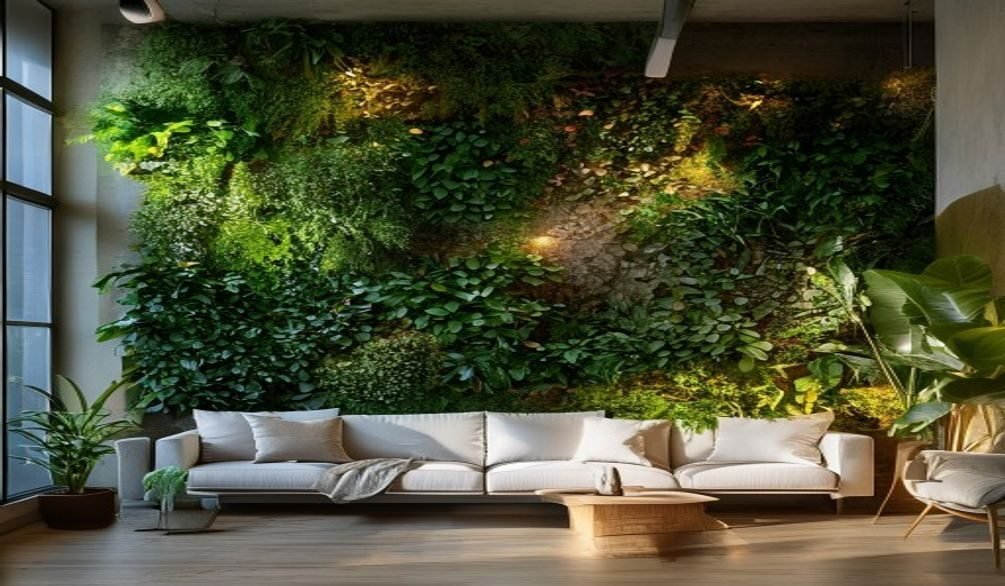
Are you dreaming of bringing more greenery into your home but lack floor space? Creating a stunning **DIY indoor plant wall** is a fantastic way to transform any vertical surface into a vibrant, living display, offering beauty and significant health benefits. This comprehensive guide, drawing on my 10+ years in horticulture, will walk you through seven simple steps to design, build, and maintain your own thriving indoor vertical garden.
Quick Answer: Creating an indoor plant wall involves selecting the right system and plants for your conditions, ensuring adequate light and watering, and consistent care. This DIY living art piece enhances aesthetics, purifies air, and boosts well-being.
Why create a diy indoor plant wall?
Creating a **DIY indoor plant wall** offers a multitude of benefits, from enhancing aesthetics to improving your overall well-being. These vertical gardens transform mundane spaces into lush, green focal points that captivate attention. Indeed, the household application segment accounted for 58.3% of global indoor plant revenues in 2025, according to Dataintelo (2025), highlighting their widespread appeal.
Beyond visual appeal, a **DIY indoor plant wall** actively contributes to a healthier indoor environment. Indoor plants can reduce up to 87 percent of common household air pollutants, according to the American Society of Landscape Architects (ASLA) (n.d.). This air purification capability makes them more than just decoration; they are functional elements for better living.
Plants offer a profound healing experience through their beautiful greenery and calming effects, creating a tranquil sanctuary that lowers stress, soothes the senses, and fosters overall well-being. Studies indicate that plants can reduce stress and anxiety levels by 37%, according to WifiTalents (n.d.).
Moreover, green walls are space-saving marvels, particularly beneficial for apartment dwellers. A significant 48% of apartment dwellers cite lack of outdoor space as the reason for buying indoor plants, demonstrating the need for creative indoor gardening solutions. A **DIY indoor plant wall** addresses this perfectly, allowing you to cultivate a substantial garden in a compact footprint.
How to build your stunning indoor plant wall: 7 simple steps
Building your own **DIY indoor plant wall** is a rewarding project that can be broken down into manageable steps, ensuring a beautiful and thriving vertical garden. The key is careful planning and execution, which I’ve refined over years of practical experience.
Step 1: choose your plant wall system
The first crucial step for your **DIY indoor plant wall** is selecting the right system that fits your space, budget, and desired level of involvement. This decision impacts everything from plant choice to watering frequency.
There are several types of systems suitable for a vertical garden indoor:
- Pocket Planters: Fabric or plastic pockets mounted to a frame or directly to the wall. Brands like WallyGrow offer patented, leakproof wall planters such as the Eco and Loop, which are excellent for creating a flush plant wall.
- Modular Panels: Interlocking panels that hold individual plant pots or grow media. Mobilane’s LivePanel System, for example, features exchangeable plant cassettes and a gutter profile for water.
- Hydroponic Systems: These soil-free systems deliver nutrient-rich water directly to plant roots, using 95% less water than traditional soil-based methods, as exemplified by products like the Lettuce Grow Farmstand. For more on these, you might find our guide on hydroponic system types for beginners helpful.
- DIY Trellis/Pallet: Repurposed materials like pallets or custom-built trellises with attached pots or containers. This is often the most cost-effective approach for a truly **DIY indoor plant wall**.
When choosing, consider the weight of the system, water drainage, and ease of plant access for maintenance. A robust system forms the foundation of a successful **DIY indoor plant wall**.

Step 2: select ideal plants for conditions
Selecting the right plants is paramount for the longevity and vibrancy of your **DIY indoor plant wall**, as they must thrive in your specific indoor environment. The wrong plant will quickly lead to disappointment, which is why matching plants to conditions is a cornerstone of my gardening philosophy.
Consider these factors when choosing your living wall plants:
- Light Levels: Determine if your wall receives bright, indirect, or low light. Low-light tolerant species captured 46.05% of the indoor plants market share in 2025, according to Dataintelo (2025), indicating their popularity for indoor green walls.
- Humidity: Some plants prefer higher humidity, while others tolerate drier conditions.
- Maintenance Needs: Opt for plants with similar watering and feeding requirements if they will share a system.
- Pet Safety: If you have pets, ensure all chosen plants are non-toxic.
For a **DIY indoor plant wall**, I often recommend resilient, easy-care plants. Pothos, Philodendron, Spider Plants, ZZ Plants, and various ferns are excellent choices for their adaptability and striking foliage.
Step 3: prepare your wall and area
Preparing the chosen wall and surrounding area is a critical step to ensure the structural integrity and protection of your home for your **DIY indoor plant wall**. This preparation prevents moisture damage and ensures a stable installation.
Firstly, assess the wall’s material and structural capacity to support the weight of your chosen system, plants, and water. For heavier installations, locating wall studs is essential for secure mounting. Secondly, protect your wall from moisture; a waterproof backing layer, such as a plastic sheet or membrane, is highly recommended behind any **DIY indoor plant wall** system.
Step 4: install the system and plants
Installing your chosen system and carefully placing your plants brings your **DIY indoor plant wall** to life. Precision during this stage ensures both aesthetic appeal and plant health.
Follow the manufacturer’s instructions for pre-made systems like those from Florafelt or Mobilane. For a DIY setup, securely attach your chosen framework or pockets to the prepared wall using appropriate hardware. Once the structure is stable, gently remove plants from their nursery pots and place them into the system’s containers or pockets. Ensure their roots have adequate space and are well-supported.
Step 5: set up watering and lighting
Establishing an efficient watering and lighting regime is fundamental to the success and long-term health of your **DIY indoor plant wall**. Proper hydration and light are non-negotiable for thriving plants.
For watering, consider a drip irrigation system for larger walls, or plan for manual watering for smaller setups. Overwatering is a common pitfall; ensure good drainage to prevent root rot. Regarding light, natural light is ideal, but if insufficient, supplemental grow lights are essential, especially for a vibrant indoor vertical garden kit. Many modern systems, like Mother’s Forest system, integrate dimmable LifeSpectrum grow lights, which can significantly boost plant growth and health.
Step 6: establish a maintenance routine
Establishing a consistent maintenance routine is key to keeping your **DIY indoor plant wall** flourishing and vibrant. Regular care prevents common issues and ensures plant longevity.
Your routine should include checking soil moisture, fertilizing according to plant needs, and pruning any yellowing or leggy foliage. From my experience, a few minutes of attention each week can make a huge difference in the health and appearance of your green wall benefits.
Step 7: monitor and adjust as needed
The final step in creating your **DIY indoor plant wall** involves continuous monitoring and making necessary adjustments to respond to your plants’ needs. Plants are living organisms, and their requirements can change.
Observe your plants for signs of stress, such as wilting, discoloration, or pest infestations. Adjust watering schedules, light intensity, or nutrient delivery as needed. This adaptive approach ensures your **DIY indoor plant wall** remains a thriving and beautiful feature in your home.
Choosing the best plants for your indoor living wall
Choosing the best plants for your indoor living wall involves understanding their specific needs and matching them to your home’s conditions. My 10 years in horticulture have taught me that plant selection is the most common determinant of success for any vertical garden indoor.
For a thriving **DIY indoor plant wall**, focus on species known for their adaptability and relatively low maintenance. Shade-loving plants held the largest type share at 42.5% in 2025, according to Dataintelo (2025), making them popular for many indoor settings.
Here are some top recommendations for a successful **DIY indoor plant wall**:
- Pothos (Epipremnum aureum): Extremely hardy, tolerates various light conditions, and trails beautifully.
- Philodendron (Philodendron hederaceum): Similar to Pothos, with heart-shaped leaves and easy care.
- Spider Plant (Chlorophytum comosum): Produces “spiderettes” that can be easily propagated, adding dynamic texture.
- ZZ Plant (Zamioculcas zamiifolia): Exceptional drought tolerance and thrives in low light, making it ideal for a low-maintenance **DIY indoor plant wall**.
- Ferns (e.g., Boston Fern, Kimberly Queen Fern): Require higher humidity but offer lush, feathery foliage.
- Orchids (e.g., Phalaenopsis): Can be grown in systems like Tevaplanter, which requires no soil and is perfect for humid-loving epiphytes.
Consider the ultimate size of the plants and how they will interact within the limited space of your plant wall systems. A diverse selection of foliage shapes and colors can create a visually stunning green wall.

Diy vs. pre-made systems: cost and effort comparison
Deciding between a **DIY indoor plant wall** and a pre-made system boils down to balancing upfront cost, ongoing effort, and desired aesthetic. Both options have distinct advantages, and understanding these differences is crucial for making an informed choice for your apartment plant wall.
Pre-made systems, while often more expensive initially, offer convenience, professional design, and guaranteed functionality. Products like the WallyGrow Eco or Mobilane’s LivePanel PACK provide engineered solutions with integrated watering and drainage. Conversely, a **DIY indoor plant wall** allows for greater customization and can be significantly more budget-friendly.
The global indoor plant market was valued at approximately $21 billion in 2025, according to Terrarium Tribe (2025), with traditional garden centers retaining 50.10% of that market share. This indicates a strong market for both ready-made solutions and individual plant components for DIY projects.
Here’s a comparison to help you choose for your **DIY indoor plant wall**:
| Feature | DIY Indoor Plant Wall | Pre-made System |
|---|---|---|
| Initial Cost | Low to moderate (materials, plants) | Moderate to high (system kit, plants) |
| Effort/Time | High (design, sourcing, assembly) | Low to moderate (assembly, installation) |
| Customization | Very high (materials, layout, plant choice) | Limited (fixed design, modular options) |
| Expertise Required | Moderate to high (gardening, basic carpentry) | Low (follow instructions) |
| Maintenance | Varies (manual watering, specific care) | Often streamlined (integrated irrigation) |
| Aesthetics | Unique, rustic, or modern depending on materials | Polished, professional, consistent |
For those who enjoy hands-on projects and have a specific vision, a **DIY indoor plant wall** is an excellent fit. If convenience and a sleek, uniform look are priorities, a pre-made indoor vertical garden kit might be better.
Maintaining your indoor plant wall: tips & troubleshooting
Maintaining your **DIY indoor plant wall** is crucial for its long-term health and vibrancy, requiring a proactive approach to common plant care challenges. A well-maintained living wall remains a source of beauty and clean air.
Regular watering is perhaps the most critical aspect of plant wall maintenance. Check soil moisture levels frequently, as vertical planters can dry out faster than traditional pots. My personal advice is to always feel the soil before watering; it’s a simple, effective method.
Fertilization is also vital, especially for a hydroponic indoor garden or systems with limited soil volume. Use a balanced liquid fertilizer diluted to half strength every 2-4 weeks during the growing season. This ensures your plants receive the necessary nutrients to thrive.
Here are some plant wall maintenance tips and common troubleshooting solutions for your **DIY indoor plant wall**:
- Yellowing Leaves: Often a sign of overwatering or nutrient deficiency. Check drainage and adjust your watering schedule, or consider a balanced fertilizer.
- Brown Leaf Tips: Typically indicates low humidity or inconsistent watering. Mist plants regularly or use a humidifier nearby.
- Pests (e.g., Fungus Gnats, Aphids): Isolate affected plants immediately. Use organic pest control methods like neem oil or insecticidal soap. Early detection is key for any green wall.
- Leggy Growth: Insufficient light. Move the wall to a brighter spot or add supplemental grow lights. Prune leggy sections to encourage bushier growth.
- Algae Growth: Common in hydroponic systems or areas with constant moisture. Ensure good air circulation and consider using opaque containers to block light from water reservoirs.
Remember, each plant in your **DIY indoor plant wall** has unique needs. Observing them closely and reacting promptly to any changes will keep your vertical garden thriving.

Integrating smart technology for effortless plant care
Integrating smart technology into your **DIY indoor plant wall** can significantly reduce maintenance effort and optimize growing conditions, transforming it into a truly low-effort green space. This approach leverages automation to ensure your plants receive consistent care, even when you’re busy.
Smart irrigation systems are a game-changer for a plant wall. They can automatically deliver water and nutrients based on soil moisture sensors or a programmed schedule. For instance, advanced systems like those from the Garden Tower Project can be adapted with smart watering solutions, ensuring optimal hydration. You might also explore smart vertical garden microclimate control for more advanced setups.
Automated grow lights, often controllable via a smartphone app, ensure your plants receive the ideal spectrum and duration of light, regardless of natural light availability. This is particularly beneficial for indoor vertical garden kit installations in dimly lit areas.
Consider these smart technologies for your **DIY indoor plant wall**:
- Smart Irrigation Controllers: Connect to moisture sensors to water only when needed, preventing both under and overwatering.
- Automated Grow Lights: Programmed to turn on and off, mimicking natural daylight cycles.
- Environmental Sensors: Monitor temperature, humidity, and CO2 levels, providing data to fine-tune your plant wall’s environment.
- Smart Planters: Products like Tevaplanter offer self-watering capabilities, simplifying care for individual plants within your **DIY indoor plant wall**.
By embracing these technologies, you can enjoy the beauty and benefits of a **DIY indoor plant wall** with minimal hands-on effort, making plant care more efficient and enjoyable.
Sustainable practices for an eco-friendly green wall
Adopting sustainable practices for your **DIY indoor plant wall** not only benefits the environment but also aligns with the inherent eco-friendly nature of vertical gardening. An eco-conscious approach enhances the overall positive impact of your green wall.
Choosing recycled or upcycled materials for your plant wall systems is a fantastic starting point. Many DIY plant walls can be constructed from repurposed pallets, plastic bottles, or even old gutters, reducing waste. The Lettuce Grow Farmstand, for example, is made from ocean-bound plastic, demonstrating a commitment to sustainability.
Water conservation is another key aspect of a sustainable plant wall. Vertical gardens, especially hydroponic ones, inherently use less water than traditional gardening. Hydroponic systems can use 95% less water than soil-based equivalents, according to Lettuce Grow (n.d.).
For an eco-friendly **DIY indoor plant wall**, consider these practices:
- Rainwater Harvesting: Collect rainwater for irrigation to reduce reliance on municipal water.
- Composting: Incorporate a small vermicomposting system, like the one in the Garden Tower Project, to turn kitchen scraps into nutrient-rich fertilizer for your plants.
- Organic Pest Control: Use natural deterrents and beneficial insects instead of chemical pesticides.
- Native Plant Selection: Where appropriate, choose native plants or species well-suited to your local climate and require less intervention.
- Energy-Efficient Lighting: Opt for LED grow lights, which are significantly more energy-efficient than older lighting technologies.
By implementing these sustainable practices, your **DIY indoor plant wall** becomes more than just a decorative feature; it becomes a testament to mindful living and environmental stewardship. This approach makes your green wall benefits even more impactful.

Frequently asked questions
How do you make a simple indoor plant wall?
To make a simple indoor plant wall, start by choosing a basic system like fabric pockets or a pallet fitted with small pots, then securely mount it to your wall. Select hardy, low-maintenance plants like Pothos or Spider Plants that thrive indoors. Indoor plants can increase productivity in office spaces by 15%, according to research from the University of Exeter (n.d.), a benefit that extends to home environments. Ensure consistent watering and adequate light for your new green addition.
What plants are best for indoor plant walls?
The best plants for indoor plant walls are resilient, adaptable species that tolerate indoor conditions, such as Pothos, Philodendron, ZZ Plants, and various ferns. Low-light tolerant species captured 46.05% of the indoor plants market share in 2025, according to Dataintelo (2025), highlighting their suitability. Always match plant choices to your specific light levels and humidity.
How much does it cost to install an indoor plant wall?
The cost to install an indoor plant wall varies widely, from under $100 for a basic DIY setup using repurposed materials to several hundred or even thousands for modular systems and professional installation. Online platforms for indoor plant sales are expected to grow at a 10.05% compound annual growth rate through 2031, according to Terrarium Tribe (2025), making components increasingly accessible. Consider your budget and willingness for hands-on work.
Do living walls attract bugs?
Living walls can attract bugs if not properly maintained, especially if overwatered or if sick plants are introduced. However, proper care, good air circulation, and vigilant monitoring can prevent most pest issues. Regularly inspect your plants for early signs of pests to address them quickly and keep your **DIY indoor plant wall** healthy.
How do you water an indoor plant wall effectively?
To water an indoor plant wall effectively, consider a drip irrigation system for larger walls to ensure even distribution and prevent overwatering. For smaller **DIY indoor plant wall** setups, manual watering with a narrow-spout watering can, directing water to each plant’s base, is effective. Always check the soil moisture before watering to avoid root rot.
Creating a **DIY indoor plant wall** is an incredibly rewarding project that transforms any space into a vibrant, air-purifying sanctuary. By following these seven steps—from choosing the right system and plants to implementing smart technology and sustainable practices—you can build a stunning vertical garden that thrives. Embrace the journey of cultivating your own green masterpiece and enjoy the myriad benefits it brings to your home and well-being.