
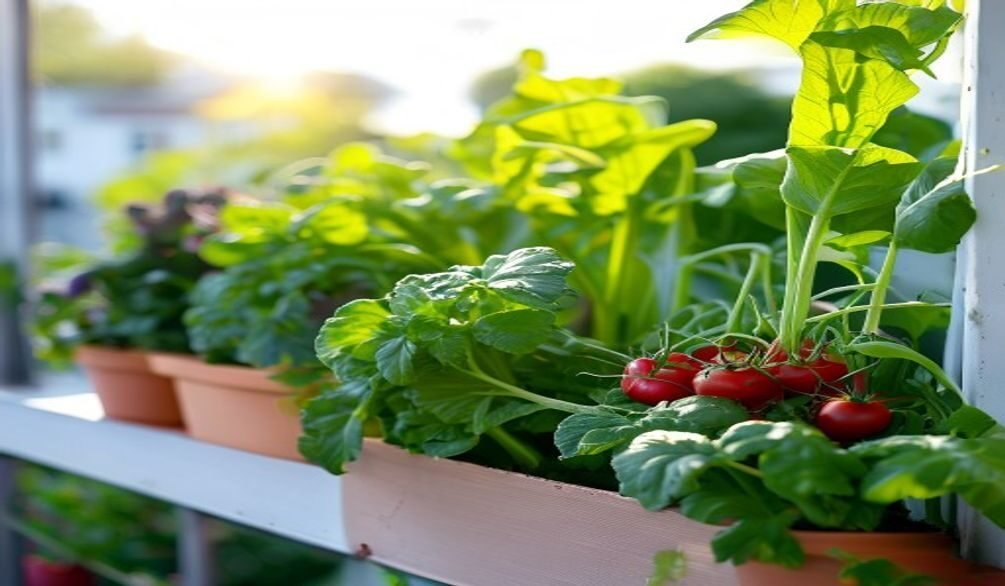
Key Takeaways
- 71% of Americans planned to grow a food garden in 2025, showing a strong trend towards home gardening.
- Urban gardeners are adopting raised beds and container gardens at a 72% participation rate, according to Axiom Marketing (2025).
- The global urban agriculture market is projected to reach $9.2 billion in 2026.
- Urban farms can produce 15-20 times more food per acre than traditional agriculture.
- An average household can save $600-$900 per year on produce through urban gardening.
Most Bangalore balcony gardeners dream of a thriving harvest, but often struggle with limited space and choosing the right plants. Finding the perfect balcony vegetables fast growers can feel like a puzzle, especially when you want quick results without a huge commitment. Don’t worry, you’re not alone in wanting fresh produce right outside your door; many urban gardeners face these same challenges, but with the right choices, you can definitely grow your own delicious food.
Quick Answer: For fast-growing balcony vegetables in small spaces, prioritize leafy greens like lettuce, spinach, and arugula, along with radishes, bush beans, and cherry tomatoes, as they offer quick harvests and adapt well to containers.
What are the easiest vegetables to grow on a small apartment balcony?
The easiest vegetables to grow on a small apartment balcony are typically leafy greens, radishes, and bush beans, thanks to their quick growth cycles and minimal space requirements. In fact, 72% of urban gardeners are already embracing container gardens, according to Axiom Marketing (2025). These plants are incredibly forgiving, making them perfect for urban settings.
Leafy greens like lettuce, spinach, and arugula are absolute champions for container gardening small spaces. They don’t need deep roots, and you can harvest their outer leaves repeatedly, which means a continuous supply of fresh greens. Wired Homestead (April 24, 2026) rightly points out, “If small space gardening had a ‘sure win’ category, leafy greens would be number 1 every time.” I’ve found that varieties like local Palak (spinach) or Lollo Rosso lettuce thrive even in shallow pots, giving you a harvest in just a few weeks.
Radishes are another fantastic option for balcony vegetables fast growers. They mature incredibly quickly, often in just 25-30 days, and need only about 6 inches of soil depth. This means you can sow seeds every couple of weeks for a rolling harvest. Bush beans are also great because they’re compact and don’t require the support that pole beans do, producing a good yield on a smaller plant. Even a small pot on your balcony can give you fresh bhindi or cluster beans.
What vegetables grow well in small pots for beginners?
For beginners looking for balcony vegetables fast growers that thrive in small pots, options like microgreens, cherry tomatoes, and dhania (coriander) are excellent choices. Microgreens, for instance, can be harvested in as little as 7-14 days. These plants are forgiving and adapt well to the limited soil volume found in smaller containers, making them ideal easy balcony vegetables.
Microgreens are probably the fastest turnaround you can get. You just need a shallow tray and some good potting mix, and within a week or two, you’ll have tender greens like mustard or radish sprouts. Cherry tomatoes, especially dwarf varieties like Pusa Ruby, are also perfect for beginners. They produce plenty of fruit on a relatively small plant, and watching them ripen on your balcony is incredibly rewarding. Just make sure they get enough sun.
Dhania (coriander) is another must-have for Indian kitchens and grows surprisingly well in pots. However, I learned this the hard way: I lost my entire coriander crop in May 2022 when I sowed directly in a pot on a south-facing balcony. The soil hit 45°C by afternoon, and the seedlings fried within 4 days. After that, I moved them to a spot with morning sun only and afternoon shade, and got a full harvest on the next attempt. This experience taught me that even fast growers need the right conditions, especially during the intense Indian summer heat.
Can you grow vegetables on a balcony without full sun?
Yes, you can absolutely grow a variety of vegetables on a balcony without full sun, especially if your space receives at least 3-4 hours of direct sunlight or bright indirect light daily. Many leafy greens, root vegetables, and herbs are surprisingly tolerant of partial shade, making them suitable balcony vegetables fast growers even in less-than-ideal light conditions.
For balconies that get limited direct sun, focus on plants that prefer cooler conditions or simply don’t need intense light to flourish. Think about greens like spinach, kale, and Swiss chard; they’ll still produce wonderfully. Radishes and carrots can also do well in partial shade, though their growth might be a bit slower than in full sun. Even some herbs like pudina (mint) and tulsi thrive with less direct sun, which is great for Mumbai’s often overcast monsoons.
Here’s a quick guide to sun requirements for common balcony vegetables:
| Sunlight Exposure | Suitable Vegetables | Growth Rate |
|---|---|---|
| Full Sun (6+ hours) | Cherry Tomatoes, Bhindi, Capsicum, Eggplant | Fast to Moderate |
| Partial Sun (3-6 hours) | Lettuce, Spinach, Arugula, Radishes, Bush Beans, Carrots | Fast |
| Partial Shade (2-3 hours) | Kale, Swiss Chard, Pudina, Tulsi, Microgreens | Moderate to Fast |
Remember, “full sun” can mean something very different in Delhi’s summer compared to Bangalore’s milder climate. Always observe how the sun moves across your balcony throughout the day.
What are the highest-yield vegetables for small gardens?
The highest-yield vegetables for small gardens, especially when you’re looking for balcony vegetables fast growers, include leafy greens, bush beans, and cherry tomatoes, as they offer continuous harvests or abundant production in compact spaces. Urban farms, for instance, produce 15-20 times more food per acre than traditional agriculture, showing the potential of intensive small-space growing.
Leafy greens are truly the gift that keeps on giving. With the “cut and come again” method, you can harvest outer leaves of spinach, lettuce, or kale every few days, allowing the plant to continue producing for weeks. This maximizes your yield without needing to replant constantly. Bush beans, too, are prolific producers on a compact plant, giving you a steady supply of fresh pods.
Cherry tomatoes are another high-yield superstar for balconies. They produce clusters of fruit, and a single plant can give you kilos of tomatoes over a season. Plus, they’re just so delicious fresh off the vine! For those with vertical space, pole beans and climbing peas are excellent high yield balcony plants, as they can grow upwards on trellises or railings, making the most of every square inch. I’ve had great success growing French beans up a simple jute string trellis on my terrace in Pune.
Maximizing your balcony space: vertical gardening & container tips
Maximizing your balcony space for balcony vegetables fast growers involves smart vertical gardening techniques and choosing the right containers to make the most of every square inch. You don’t need a huge backyard to grow your own vegetables, as City Cultivator (February 14, 2026) aptly states, “if you’ve got a balcony—even a tiny one—you’re already sitting on prime real estate.”
Vertical gardening is a game-changer for small spaces. Think about using wall-mounted planters, tiered shelving units, or even hanging baskets. This allows you to grow upwards, freeing up valuable floor space. For instance, you could grow strawberries or herbs in a vertical planter, while your bulkier tomato plants stay on the floor. Check out our guide on vertical garden designs: 10 best layouts for small spaces for more ideas.
When it comes to containers, don’t just grab any old pot. Consider these tips:
- Size Matters: While leafy greens are fine in shallow trays, plants like tomatoes or bhindi need at least 12-18 inches of depth for their roots.
- Drainage is Key: Ensure all pots have drainage holes. 72% of container plants fail due to poor drainage, according to Penn State Extension (2023).
- Material Choices: Terracotta pots look great but dry out faster, especially in Indian summers. Plastic or fabric grow bags (like Hoselink’s Heavy Duty Planter Bags) retain moisture better and are lighter.
- Self-Watering Pots: These are a blessing, especially if you travel or forget to water. They have a reservoir that keeps the soil consistently moist.
Honestly, watering on a fixed schedule is one of the worst habits an Indian balcony gardener can have. Soil dries at completely different rates in summer versus monsoon, morning versus afternoon sun, terracotta versus plastic pots. Always check the soil with your finger, never follow a calendar. I once lost a container plant in July during monsoon because the balcony roof blocked all rain, and the soil was bone dry while the ground around it was soaked. Container plants on covered balconies still need watering even when it’s pouring outside!
Essential tools and products for successful balcony vegetable growing
Equipping yourself with the right tools and products is crucial for successful balcony vegetables fast growers, ensuring your efforts yield abundant harvests. You don’t need a massive shed full of gear, just a few key items that make a big difference in container gardening small spaces.
Here’s a list of essentials that have served me well in my 10+ years of growing on Indian balconies:
- Good Quality Potting Mix: This is non-negotiable. Don’t use garden soil directly; it compacts too much. Look for mixes with cocopeat, compost, and perlite. Brands like Cocogreen offer excellent cocopeat.
- Hand Trowel and Cultivator: For planting, mixing soil, and light weeding.
- Watering Can with a Fine Rose: Gentle watering prevents disturbing delicate seedlings.
- Pruning Shears: Essential for harvesting, trimming, and maintaining plant health.
- Organic Fertilizers: Liquid seaweed extract or vermicompost are great for regular feeding. I prefer organic options from local nurseries for my balcony vegetables.
- Grow Bags or Modular Planters: Hoselink’s Heavy Duty Planter Bags are practical, and Vego Garden’s Modular Metal Raised Garden Beds offer versatile solutions for herbs and leafy greens.
You might think you can get by with just a watering can, but having decent pruning shears, for example, makes harvesting so much cleaner and less stressful for the plant. Plus, investing in good quality potting mix from a local nursery or online on Ugaoo makes a huge difference in the initial growth of your balcony vegetables fast growers.
The economic benefits of growing your own balcony vegetables
Growing your own balcony vegetables fast growers offers significant economic benefits, allowing the average household to save hundreds of rupees annually on grocery bills while enjoying fresher produce. The average household can save approximately $600-$900 per year on produce by urban gardening, which translates to considerable savings in Indian rupees too.
Think about the cost of fresh dhania, palak, or even cherry tomatoes from your local sabziwala. These prices can add up quickly, especially for organic options. By growing them yourself, you cut out the middleman and transportation costs. Plus, you’re harvesting at peak freshness, which often means better flavor and nutrition.
Here’s a breakdown of potential savings:
| Vegetable | Average Market Price (per bunch/kg) | Cost to Grow (seeds/plant) | Potential Savings |
|---|---|---|---|
| Palak (Spinach) | ₹30-₹50 / bunch | ₹10-₹20 / packet seeds | High (multiple harvests) |
| Dhania (Coriander) | ₹20-₹40 / bunch | ₹5-₹10 / packet seeds | Very High (frequent use) |
| Cherry Tomatoes | ₹80-₹120 / kg | ₹80-₹150 / plant | Moderate to High (seasonal yield) |
| Radishes | ₹40-₹60 / bunch | ₹15-₹25 / packet seeds | High (quick turnaround) |
Beyond the direct savings, there’s also the reduced waste. You only harvest what you need, when you need it, meaning less spoiled produce ending up in the bin. This mindful consumption contributes to a more sustainable lifestyle and further stretches your budget. Mike Reiber, CEO of Axiom, noted that “gardeners spent record amounts of time and money on their gardens” in recent years, highlighting the increasing value people place on home cultivation.
Expert advice for thriving balcony gardens
For a thriving balcony garden filled with balcony vegetables fast growers, expert advice centers on consistent care, understanding your microclimate, and learning from every planting cycle. It’s about getting hands-on and observing your plants daily.
One crucial piece of advice I always give is to pay attention to your soil. Good drainage and nutrient-rich soil are the foundations. Most people just buy a bag of potting mix and plant, but enriching it with some vermicompost or well-rotted cow dung manure every few months makes a huge difference. Also, don’t be afraid to repot as your plants grow. A small seedling won’t stay small forever.
Another common mistake I’ve seen is gardeners underestimating the intensity of the Indian sun. You might have heard “give your plants full sun.” In practice, for a south-facing balcony in Chennai during pre-monsoon (March-May), “full sun” can mean temperatures of 40°C+, which can scorch delicate leaves. Instead, provide afternoon shade with a simple shade net or move pots to a shadier spot during the hottest hours. This subtle shift can save your plants, especially your fast-growing leafy greens, from heat stress.
Finally, embrace the “cut and come again” method for leafy greens. Instead of harvesting the whole plant, just snip the outer leaves. This encourages the plant to produce more, extending your harvest period and maximizing your yield from those wonderful balcony vegetables fast growers. And remember, pest control doesn’t have to mean harsh chemicals. Simple neem oil sprays or even just hand-picking can keep most common pests at bay. For more help with pests, check out our article on plant pests: 7 simple ways to identify & fix them fast.
Frequently asked questions
What are the fastest growing vegetables for a small space?
The fastest growing vegetables for a small space are typically radishes, lettuce, spinach, and microgreens, as they mature quickly and don’t require much room. Radishes can be ready for harvest in about 25 days, according to gardening experts. These options are perfect for getting quick results in compact balcony gardens.
What are the best low-maintenance vegetables for balconies?
The best low-maintenance vegetables for balconies include leafy greens like lettuce and spinach, along with bush beans and cherry tomatoes, as they are relatively forgiving and require consistent but not overly complex care. Urban gardeners are embracing raised beds and container gardens at a 72% participation rate, according to Axiom Marketing (2025), showing the growing popularity of manageable gardening solutions. These plants thrive with basic watering and occasional feeding.
How much sun do balcony vegetables need?
Most balcony vegetables need at least 6 hours of direct sunlight per day to thrive, especially fruiting plants like tomatoes and peppers, but leafy greens and root vegetables can do well with 3-4 hours of direct sun or bright indirect light. Always observe your balcony’s specific sun patterns throughout the day to match plants to their ideal light conditions.
Can i grow organic vegetables on my apartment balcony?
Yes, you can absolutely grow organic vegetables on your apartment balcony by using organic potting mixes, natural fertilizers like compost or vermicompost, and organic pest control methods. Avoiding synthetic pesticides and chemical fertilizers ensures your produce is truly organic and safe. This approach aligns with sustainable urban gardening practices.
What is the easiest way to start a balcony vegetable garden?
The easiest way to start a balcony vegetable garden is by beginning with seeds or small saplings of fast-growing, beginner-friendly plants like lettuce, spinach, or radishes in well-draining pots with good quality potting mix. Start small, choose plants suitable for your balcony’s sunlight, and learn as you grow. For more tips, consider our guide on organic gardening: 10 simple steps for thriving plants.
Growing your own balcony vegetables fast growers isn’t just a dream; it’s a completely achievable reality for any urban gardener. By choosing the right plants like leafy greens, radishes, and bush beans, prioritizing smart container choices, and paying attention to local conditions, you can enjoy a continuous harvest of fresh, organic produce right from your apartment. Don’t be afraid to experiment, learn from your plants, and enjoy the incredible satisfaction of eating food you’ve grown yourself. Happy gardening!







