
Key Takeaways
- The global vertical farming market is projected to reach approximately USD 67,933.23 million by 2035, according to industry forecasts (2026).
- Hydroponics accounted for a 60.36% revenue share in the vertical farming market by growth mechanism in 2025.
- You can grow healthy vegetables, fruits, herbs, and flowers in containers with half a day of direct sun, advises gardener Craig LeHoullier.
- The GreenStalk Vertical Garden features 30 separate growing compartments with a built-in watering design for even distribution.
- Terracotta pots prevent root rot, a top killer of container plants in India’s humid monsoon months, due to their breathability.
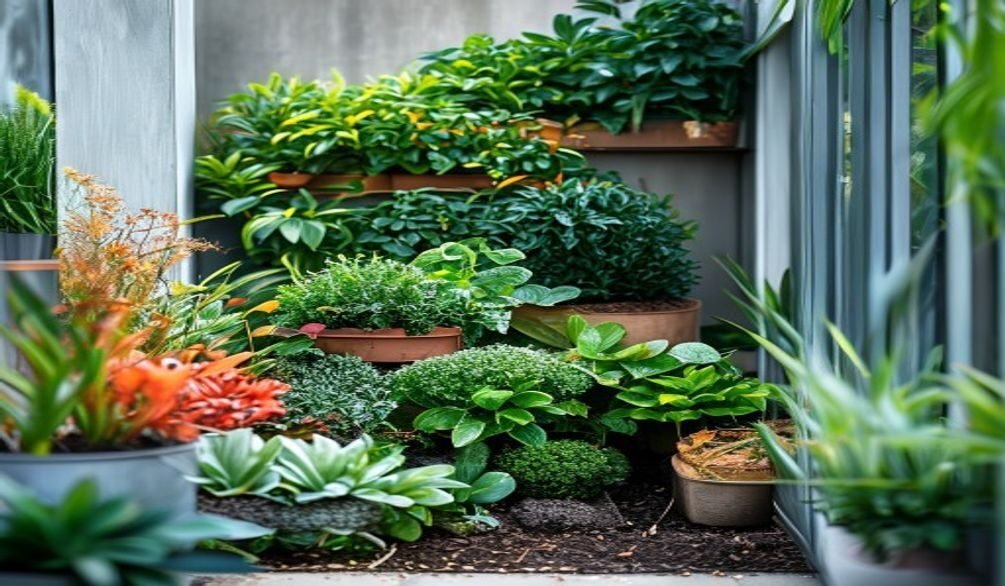
Most Delhi gardeners struggle with maximizing their limited balcony space, often ending up with just a few pots scattered around. But you don’t have to sacrifice variety for space; smart vertical garden designs for small spaces can transform even the tini0est urban patch into a thriving green oasis. We’re going to explore 10 fantastic layouts that let you grow more by going up, making the most of every square inch.
Quick Answer: The 10 best vertical garden layouts for small spaces include modular living walls, pocket planters, stacked planters, tower gardens, hanging vertical gardens, pallet gardens, ladder-style gardens, wall-mounted pots, tiered shelving, and hydroponic systems, all designed to maximize limited areas by growing upward.
What are the best vertical gardens for small spaces?
The best vertical garden designs for small spaces ingeniously utilize vertical dimensions to maximize plant growth in compact areas. You can grow healthy vegetables, fruits, herbs, and flowers in containers with half a day of direct sun or more, according to gardener, author, and educator Craig LeHoullier. These designs range from simple DIY setups to sophisticated hydroponic systems, perfect for balconies, patios, or even indoor corners.
Here are 10 top vertical garden layouts that work wonders in limited spaces:
- Modular Living Walls: These systems use interlocking panels or frames filled with plants, creating a lush green wall. Brands like Florafelt offer compact kits with patented pleated pockets, making them easy to install even in a small apartment balcony in Bangalore.
- Pocket Planters: Fabric or felt pocket planters hang directly on a wall or railing, ideal for herbs like pudina and dhania, or small flowering plants. They’re super flexible and you can find them at most local nurseries for ₹200-500.
- Stacked Planters: Systems like the GreenStalk Vertical Garden allow you to stack multiple tiers of planters, each with separate growing compartments. This is great for maximizing space, and its built-in watering design ensures even distribution, which is a lifesaver during the Indian summer heat.
- Tower Gardens: These freestanding vertical structures often use hydroponic or aeroponic methods to grow plants without soil. The Tower Garden FLEX Growing System, for instance, is an aeroponic choice recommended by Jenn Frymark, chief greenhouse officer of Gotham Greens, and it comes with a seed-starter kit.
- Hanging Vertical Gardens: Think repurposed shoe organizers or multiple hanging baskets suspended from a sturdy frame or ceiling. This is a brilliant way to add greenery without taking up floor space, perfect for small balcony vertical garden setups.
- Pallet Gardens: Old shipping pallets can be upcycled into rustic and budget-friendly vertical planters. Just stand a pallet upright, reinforce the bottom slats to create troughs, and fill with soil. They’re perfect for succulents or small lal mirch plants.
- Ladder-Style Gardens: Simple A-frame or leaning ladder shelves hold multiple pots at different heights. This offers good air circulation between plants, which is crucial for preventing fungal issues during Mumbai’s humid monsoon months.
- Wall-Mounted Pots: Individual pots or small troughs directly attached to a wall or fence. Marie-Helene Attwood, founder of Edible Petals, suggests installing narrow planters at different heights with a trellis to simplify upkeep and reduce watering frequency.
- Tiered Shelving: A sturdy shelving unit can hold numerous potted plants, turning a plain wall into a thriving vertical display. This is a straightforward small space gardening idea that lets you arrange plants based on their light needs.
- Hydroponic Systems: These soilless systems use nutrient-rich water to grow plants, often in vertical columns. The Lettuce Grow Farmstand, made from ocean-bound plastic, uses 95% less water than soil-based equivalents and is self-watering, accommodating 18 to 36 plants. The global vertical farming market size is predicted to increase from USD 11,662.67 million in 2026 to approximately USD 67,933.23 million by 2035, according to market analysis.
Honestly, the choice depends on your budget, space, and how hands-on you want to be.
How do you make a vertical garden in a small space?
Making vertical garden designs for small spaces involves smart planning and selecting the right components to maximize your growing potential. Alex Tyink, co-founder of Fork Farms, emphasizes that “Regardless of available space you may have, you can absolutely create a home garden that will allow you to enjoy fresh produce all year long.” This means focusing on growing upwards!
Here’s a simple step-by-step guide:
- Assess Your Space: Look at your balcony or wall. How much sunlight does it get? Is it morning sun, afternoon sun, or a mix? This dictates what plants you can grow and where. Also, check for any existing structures you can use, like railings or sturdy walls.
- Choose Your System: Based on your assessment, pick one of the vertical garden designs for small spaces mentioned above. For a tight balcony, a hanging system or a stacked planter like GreenStalk might be best. If you have a bit more wall space, a pallet garden or wall-mounted pots could work.
- Gather Materials:
- For DIY Pallet Garden: An old pallet (check local markets or construction sites), landscape fabric or plastic sheeting, a staple gun, potting mix, and seeds/saplings.
- For Pocket Planters: Fabric pocket organizer (available online or at home stores), S-hooks, potting mix, and plants.
- For Stacked Pots: Terracotta or plastic pots of varying sizes, a sturdy central rod (rebar or bamboo), and good quality potting mix. In my 10 years of experience, terracotta pots outperform plastic for most Indian balcony plants — yes, they dry faster and cost more (₹80-150 each for a decent size), but the breathability prevents root rot which is the number one killer of container plants in India’s humid monsoon months.
- Prepare Your Growing Medium: Use a high-quality potting mix that drains well. I usually mix cocopeat, compost, and perlite in a 2:1:1 ratio. This blend is light for vertical systems and provides good aeration.
- Plant Your Greens: Carefully plant your chosen herbs, vegetables, or flowers. Make sure to give each plant enough space to grow without crowding.
- Install and Secure: Mount your chosen system securely. If it’s a wall-mounted unit, use strong anchors. For stacked systems, ensure stability. You don’t want your beautiful garden tumbling down during a strong pre-monsoon gust!
- Set Up Irrigation: Vertical gardens can dry out faster. Consider a simple drip irrigation system or plan for regular hand watering. I once over-watered a curry leaf plant for three weeks straight because I was following a fixed schedule instead of checking the soil. By the time the leaves started yellowing it was already too late — roots had rotted. Now I always push my finger 2 inches into the soil before watering anything.
This step-by-step approach simplifies the process, even for beginners trying their hand at urban gardening solutions.
What can you grow in a small vertical garden?
You can grow a surprising variety of plants in small vertical garden designs for small spaces, especially those that don’t need deep root systems or spread widely. The key is to choose plants that thrive in confined spaces and benefit from vertical growth.
Here are some excellent choices:
- Herbs: Pudina, dhania, tulsi, methi, oregano, basil, and rosemary are perfect for vertical setups. They’re compact and you can harvest leaves regularly.
- Leafy Greens: Lettuce, spinach, kale, and Swiss chard grow well in shallow pockets or stacked systems. They mature quickly, offering continuous harvests.
- Strawberries: These berries love to cascade, making them ideal for hanging baskets or tiered planters. Just ensure they get plenty of sunlight.
- Cherry Tomatoes: While larger tomatoes might struggle, compact varieties like Pusa Ruby or Roma tomatoes can thrive in larger pockets or pots within a vertical system, especially if given good support.
- Bhindi (Okra): Dwarf varieties of bhindi can be surprisingly productive in larger vertical containers, provided they get enough sun and consistent watering.
- Beans and Peas: Bush varieties that don’t vine too aggressively can work, or you can train vining types up a small trellis incorporated into your vertical design.
- Flowers: Petunias, marigolds, nasturtiums, and impatiens add vibrant color and can spill beautifully from vertical planters. They also attract pollinators, which is a bonus for any edible plants you’re growing.
- Succulents: For a low-maintenance option, succulents are excellent. Their minimal water needs make them perfect for arid climates or if you’re often away.
When choosing, always consider the amount of sunlight your vertical garden receives. Plants like lettuce and spinach prefer partial shade, while tomatoes and strawberries need full sun (at least 6-8 hours).
How do you build a cheap vertical garden?
Building cheap vertical garden designs for small spaces often involves repurposing materials and embracing DIY ingenuity. You don’t need to spend a fortune to create a lush green wall; in fact, some of the most effective solutions are incredibly budget-friendly.
Consider these affordable options:
- Pallet Garden: This is perhaps the cheapest and most popular DIY vertical garden solution. Find free pallets (check local furniture stores or construction sites, but ensure they’re heat-treated, not chemically treated – look for “HT” stamp). Stand it upright, use landscape fabric or old plastic sheets to create pockets between the slats, fill with soil, and plant. You can get a pallet for free or for a nominal sum, making the main cost the soil and plants.
- Plastic Bottle Garden: Collect old plastic soda bottles (2-liter ones work best). Cut a rectangular opening on one side, leaving a small lip to hold soil. Punch drainage holes in the bottom. You can then string them horizontally using wire or rope and hang them from a frame or wall, or stack them vertically on a rod. This is practically free, as you’re recycling!
- Repurposed PVC Pipes: Obtain discarded PVC pipes (sometimes available at plumbing supply shops for cheap or free). Cut them lengthwise in half, cap the ends, and drill drainage holes. Mount them horizontally to a wall or fence, creating long troughs for plants. This is a sturdy option for a DIY vertical garden.
- Old Shoe Organizer: A fabric shoe organizer with multiple pockets can be hung on a wall or door. Each pocket becomes a mini planter. These are great for herbs or small succulents and can be found for ₹300-700 at most home goods stores or even online marketplaces.
- Stacked Tires: If you have a small backyard or a larger terrace, old tires can be painted and stacked to create a robust vertical planter. Just make sure to fill them with a good potting mix and ensure proper drainage.
For all these options, keep your costs down by starting plants from seeds rather than buying expensive saplings. You can also make your own compost from kitchen waste, reducing the need to buy potting mix. My personal experience taught me that trying to grow capsicum from seeds in December in Delhi, without considering soil temperature, was a mistake. Germination was 90% but plants stalled at 4 inches for 6 weeks because soil temperature was too low for root activity. Adding a seedling heat mat (available for ₹500-1000 online) got them to 12 inches in the next 3 weeks – sometimes a small investment prevents total crop loss!
Choosing the right vertical garden system for your needs
Selecting the perfect vertical garden system for your small space depends on several factors, including your available area, budget, desired plants, and how much time you’re willing to dedicate to maintenance. It’s not a one-size-fits-all situation.
Consider these aspects:
- Space Constraints:
- Very Small Balconies (e.g., Mumbai apartments): Hanging systems, fabric pocket planters, or a compact stacked system like GreenStalk are ideal. They take up minimal floor space.
- Narrow Walls/Fences: Pallet gardens, wall-mounted pots, or modular living walls like those from Watex Vertical Garden Kits (which come with eight interchangeable pots) can transform a blank surface.
- Indoor Spaces: Hydroponic systems like Gardyn Home Kit 4.0 or Tower Garden FLEX are excellent for indoor vertical garden setups, offering controlled environments for year-round growing.
- Budget:
- Economical Options (under ₹1000): DIY pallet gardens, plastic bottle systems, or repurposed shoe organizers are your best bet.
- Mid-Range (₹1000-₹5000): Pre-made fabric pocket planters, basic tiered shelving, or smaller stacked pot systems fall into this category.
- Premium (₹5000+): Advanced hydroponic units like Lettuce Grow Farmstand or comprehensive modular living wall kits will cost more but offer convenience and efficiency.
- Plant Type:
- Herbs & Leafy Greens: Almost any vertical system works, especially pocket planters or stacked pots.
- Fruiting Plants (e.g., Cherry Tomatoes, Strawberries): These need more light and potentially larger pockets/pots. Stacked systems or wall-mounted pots are better.
- Low-Maintenance Plants (e.g., Succulents): Pallet gardens or small wall-mounted pots are ideal.
- Maintenance Level:
- Low-Maintenance: Succulent walls, or hydroponic systems with automated watering (like Gardyn or Lettuce Grow) reduce daily chores.
- Moderate-Maintenance: Most soil-based stacked or pocket planters will require regular watering and feeding.
Megan Speckmann, founder of Far Out Flora, broadly defines a vertical garden as “as simple as vines, or an elaborate system that covers a massive space,” even considering “a wall of shelving filled with potted plants a vertical garden.” This really opens up possibilities for what you can create. Ultimately, the best choice for vertical garden designs for small spaces is one that fits your lifestyle and helps your plants thrive.
Smart technology integration for vertical gardens
Integrating smart technology into your vertical garden designs for small spaces can make gardening easier, more efficient, and incredibly rewarding, especially for busy urban dwellers. These advancements can automate many of the routine tasks, ensuring your plants get exactly what they need, when they need it.
Let’s look at some smart solutions:
- Automated Irrigation Systems:
- Drip Systems with Timers: Simple timers connected to a water source (like a tap) can deliver water directly to each plant. You can set it to water once a day during the Indian summer heat and reduce to once every few days in the post-monsoon season.
- Smart Watering Devices: Brands like Gardyn and Lettuce Grow come with built-in self-watering and self-fertilizing features. The Gardyn Home Kit 4.0, for example, uses five-foot-tall columns for water distribution and includes a built-in camera and app for monitoring.
- LED Grow Lights: For indoor vertical gardens or areas with insufficient natural light, LED grow lights are a game-changer. Smart versions can be controlled via an app, allowing you to customize light spectrum and duration, crucial for plant growth during Delhi’s cloudy winters.
- Environmental Sensors: Small sensors can monitor soil moisture, temperature, and even nutrient levels. Some can even send alerts to your phone if conditions aren’t optimal. This takes the guesswork out of watering, preventing both over-watering and under-watering.
- Integrated Systems: High-end vertical garden systems, particularly hydroponic ones, often come with comprehensive smart features. The Tower Garden FLEX Growing System, an aeroponic system, nurtures exposed plant roots by pumping nutrient-rich solution for even distribution, taking the complexity out of feeding.
The global vertical farming market is expected to grow from $1.13 billion in 2025 to $1.24 billion in 2026 at a CAGR of 9.9%, indicating a strong trend towards technologically enhanced gardening. While these systems might have a higher initial cost (e.g., a Gardyn system can be upwards of ₹50,000), they save time and often lead to healthier, more productive plants, making them a worthwhile investment for serious urban gardeners. If you’re looking to prevent algae in hydroponics, smart monitoring can also help you maintain optimal water conditions.
Maintenance tips for thriving vertical gardens
Maintaining your vertical garden designs for small spaces is crucial for ensuring your plants remain healthy and productive throughout the year. While vertical setups are space-efficient, they do have specific care requirements that differ slightly from traditional ground-level gardens.
Here’s how to keep your vertical garden thriving:
- Consistent Watering: Vertical gardens, especially those in smaller pockets or exposed to more air, tend to dry out faster than ground beds. Check soil moisture daily, particularly during the pre-monsoon heat. Stick your finger two inches into the soil; if it feels dry, it’s time to water. For plants like tulsi, which prefer consistent moisture but hate soggy roots, this is vital.
- Nutrient Management: Plants in containers, especially vertical ones, quickly deplete soil nutrients. Regularly feed your plants with a balanced liquid fertilizer or incorporate slow-release organic granules every 3-4 weeks. For hydroponic systems, ensure your nutrient solution is replenished and balanced according to the manufacturer’s guidelines.
- Pruning and Harvesting: Regular pruning encourages bushier growth and prevents plants from becoming leggy. Harvest leafy greens and herbs frequently to stimulate new growth. This is especially important for plants like dhania and pudina.
- Pest and Disease Control: Inspect your plants regularly for signs of pests or diseases. Vertical gardens can sometimes create microclimates that pests love. Early detection is key! Use organic pest control methods like neem oil spray, which is readily available at Indian nurseries.
- Rotate and Replace Plants: Some plants are seasonal. Once a plant finishes its cycle, replace it with something suitable for the current season. For instance, switch from winter greens to heat-tolerant bhindi or gourds as the Indian summer approaches.
- Cleanliness: Keep your vertical system clean. Remove any dead leaves or debris from pockets and surrounding areas. This helps prevent fungal growth, especially during the humid monsoon season in cities like Pune.
Even with the best vertical garden designs for small spaces, neglect can lead to problems. Remember that keys to success include good drainage, high-quality potting mix, and regular care, especially watering and feeding, as emphasized by Craig LeHoullier.
Frequently asked questions
What is the best way to start a vertical garden?
The best way to start a vertical garden is by assessing your available sunlight and space, then choosing a system like a pallet garden or stacked pots that fits your budget and plant choices. You can grow healthy veggies, fruits, and herbs in containers with at least half a day of direct sun, according to gardener Craig LeHoullier. Begin with easy-to-grow herbs or leafy greens to build confidence.
How much does a small vertical garden cost?
A small vertical garden can cost anywhere from virtually free for a DIY pallet or plastic bottle system, to ₹1,000-₹5,000 for pre-made fabric pocket planters or basic stacked systems. More advanced hydroponic systems like the Gardyn Home Kit 4.0 can cost upwards of ₹50,000. North America led the global vertical farming market with the highest market share of 40.31% in 2025, showing significant investment in such systems.
What are the disadvantages of vertical farming?
Disadvantages of vertical farming can include high initial setup costs for advanced systems, reliance on technology (which can fail), and the need for specialized knowledge about nutrient solutions and environmental controls. However, the hydroponics segment held a 60.36% revenue share in the vertical farming market by growth mechanism in 2025, indicating its widespread adoption despite these challenges.
Can i grow vegetables in a vertical garden?
Yes, you can absolutely grow a wide variety of vegetables in a vertical garden, especially compact varieties of leafy greens, herbs, strawberries, and even cherry tomatoes or bhindi. Alex Tyink, co-founder of Fork Farms, states that you can create a home garden to enjoy fresh produce all year long, regardless of space. Focus on plants that don’t require deep root systems or extensive spreading.
How often should you water a vertical garden?
You should water a vertical garden frequently, often daily during hot periods like the Indian summer heat, and every few days during cooler seasons, always checking the soil moisture first. Vertical gardens tend to dry out faster due to increased air exposure and smaller soil volumes compared to traditional beds.
Creating beautiful and productive vertical garden designs for small spaces is totally achievable, even if you think you have no room. From simple DIY pallet gardens to sophisticated hydroponic towers, there’s a solution for every urban gardener. By choosing the right setup, picking suitable plants, and keeping up with basic care, you can transform your balcony or wall into a thriving green haven. So, don’t let limited space hold you back – start exploring these vertical garden designs for small spaces and grow your own fresh produce today!







