Key Takeaways
- Smart irrigation controllers can reduce residential outdoor water use by 15% on average, according to the Healthy Green Spaces Coalition (2025).
- Up to 50% of outdoor water loss is due to inefficient irrigation methods like poor pressure and evaporation, according to Dr. Kelly Kopp (2026).
- Terracotta ollas can reduce watering frequency by up to 70% by slowly releasing water directly to plant roots.
- Only 10% of residential irrigation systems in the U.S. currently use smart controllers, according to the Healthy Green Spaces Coalition (2026).
- The WaterSense program has saved 8.7 trillion gallons of water since 2006.
Most Mumbai balcony gardeners lose their tomato plants every May, not from pests, but from the intense 40°C heat before the monsoon arrives. It’s a common struggle, and figuring out the best **organic garden watering tips** can feel like a guessing game, especially when the weather shifts so dramatically. Don’t worry, you’re not alone in finding this tricky. This guide will walk you through 8 simple, smart ways to water your organic garden efficiently, helping your plants thrive even in challenging Indian climates.
Quick Answer: Smartly watering an organic garden involves optimizing soil health with organic matter and mulch, using efficient irrigation like drip systems or ollas, harvesting rainwater, and watering deeply and less frequently in the early morning to minimize evaporation and encourage strong root growth.
Why is smart watering crucial for organic gardens?
Smart watering is crucial for organic gardens because it conserves precious resources, supports soil health, and ensures your plants get exactly what they need without waste. In fact, up to 50% of outdoor water loss is due to inefficient irrigation methods like poor pressure, wind, evaporation, and overspray, according to Dr. Kelly Kopp, a plant scientist at Utah State University (2026). When you’re growing organically, every drop counts, not just for your water bill, but for the beneficial microbes and healthy ecosystem you’re cultivating in your soil. Using clever **organic garden watering tips** means less stress for your plants and a healthier garden overall.
It’s not just about saving water; it’s about building resilience. Overwatering can leach nutrients from your organic soil, creating an unhealthy environment for roots and beneficial organisms. And under-watering, especially during the intense Indian summer heat, can stunt growth or even kill delicate plants like bhindi or tulsi. Smart watering practices prevent these issues, helping you grow robust plants that are better able to resist pests and diseases naturally.
What are 5 simple ways to conserve water in your organic garden?
Conserving water in your organic garden doesn’t have to be complicated; it often comes down to a few key practices that make a big difference. The WaterSense program, for instance, has saved an impressive 8.7 trillion gallons of water since 2006 by promoting water-efficient products and practices. Applying smart **organic garden watering tips** means thinking about how and when you water, and what you can do to help your soil hold onto that moisture.
Here are five straightforward methods you can start using today:
- Water deeply and less frequently: Instead of light, daily sprinkles, aim for a long, slow soak that encourages roots to grow deeper. This makes plants more drought-tolerant. I’ve found that watering my container dhania once every 3-4 days in Bangalore’s milder climate, rather than daily, results in much stronger plants.
- Mulch, mulch, mulch: A good layer of organic mulch—like straw, wood chips, or even dried leaves from your own garden—reduces evaporation from the soil surface by up to 30%. It also keeps soil temperatures consistent, which roots love.
- Water in the early morning: Watering before the sun gets too high minimizes water loss to evaporation, allowing more water to reach the plant roots. Plus, it gives foliage time to dry before nightfall, reducing fungal disease risk.
- Group plants with similar water needs: Place your thirsty methi or pudina together, and keep your more drought-tolerant lal mirch plants separate. This prevents you from overwatering some plants while underwatering others.
- Use efficient irrigation methods: Drip irrigation, soaker hoses, or ollas deliver water directly to the root zone, significantly reducing waste compared to overhead sprinklers. We’ll explore these more in a bit!
How do you water plants organically for best results?
To water plants organically for the best results, you need to focus on methods that support soil biology and deliver water efficiently without harsh chemicals or excessive waste. This approach ensures your plants get consistent moisture while fostering a thriving microbial ecosystem. One of the best **organic garden watering tips** I can give you is to always prioritize the soil over the plant when it comes to watering decisions.
You might have heard the common advice to “water on a schedule.” In practice, this does not always work — watering on a fixed schedule is one of the worst habits an Indian balcony gardener can have. Soil dries at completely different rates in summer versus monsoon, morning versus afternoon sun, and especially in terracotta versus plastic pots. Always check the soil with your finger, never follow a calendar. For instance, my neighbor grew tomatoes in a black plastic pot on her Mumbai terrace and got nothing two summers in a row. When she switched to a terracotta pot with the same soil mix and adjusted her watering based on soil feel, she got her first harvest in 8 weeks. Black plastic pots can heat up to 55°C in direct sun, silently cooking the roots.
Here’s how to do it right:
- Check soil moisture: Stick your finger 2-3 inches into the soil. If it feels dry, it’s time to water. This simple trick is far more reliable than any calendar.
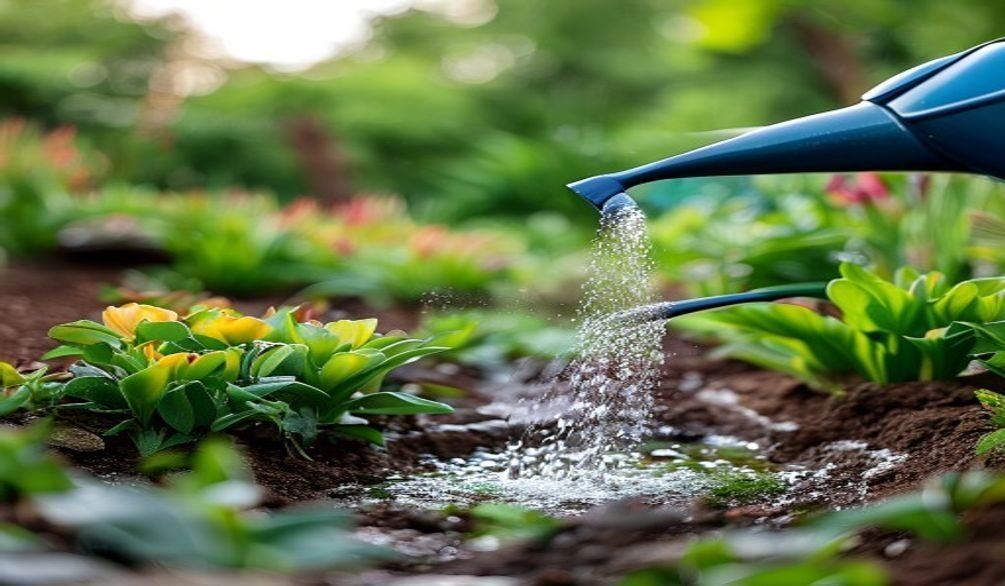
- Water at the base: Direct water to the soil around the plant’s base, avoiding wetting the leaves, which can promote fungal diseases, especially in humid climates like Mumbai during the pre-monsoon.
- Observe your plants: Wilting leaves are a clear sign of thirst, but they can also indicate overwatering. Learn to differentiate. A thirsty plant will perk up after watering; an overwatered one will continue to look droopy and may have yellowing leaves.
- Use collected rainwater: Rainwater is naturally soft and free of chlorine and other chemicals found in tap water, making it ideal for organic plants.
What is smart irrigation and how does it work?
Smart irrigation refers to automated watering systems that adjust schedules and run times based on real-time weather, soil conditions, and plant needs, significantly improving water efficiency. While only 10% of residential irrigation systems in the U.S. currently use smart controllers, these systems can reduce residential outdoor water use by 15% on average, with savings exceeding 40% for higher water users, according to the Healthy Green Spaces Coalition (2026). These systems take the guesswork out of watering, making them excellent **organic garden watering tips** for busy gardeners.
Smart irrigation systems typically work by integrating several technologies:
- Weather-based controllers: These controllers use local weather data—either from on-site sensors or internet-based weather stations—to adjust watering schedules. If rain is predicted, or if it’s been particularly humid, the system might skip a watering cycle.
- Soil moisture sensors: Buried in the garden, these sensors measure the actual moisture content in the soil and only trigger irrigation when the soil moisture drops below a pre-set threshold. This prevents overwatering, which is common.
- Evapotranspiration (ET) controllers: These advanced systems calculate how much water plants lose through evaporation from the soil and transpiration from their leaves, then apply just enough water to replenish what’s lost.
While some of these systems can be an investment, simpler versions like the Orbit B-hyve Smart Hose Faucet Timer can connect to a regular outdoor spigot and sprinkler, letting you program watering via a phone app and using weather data to avoid watering during rain. Even basic smart watering systems can make a huge difference in your water conservation garden efforts.
Can you water your garden without a hose?
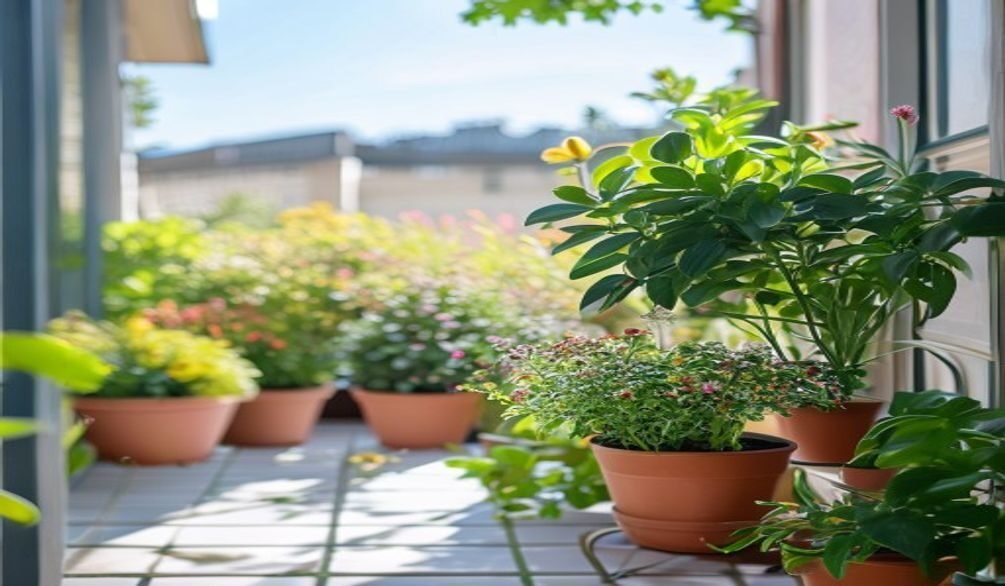
Yes, you can absolutely water your garden effectively without a hose, and for many organic gardeners, these alternative methods are often more efficient and eco-friendly. This is especially true for smaller balcony or terrace gardens in cities like Pune or Delhi, where a hose might be impractical. Embracing these methods is one of the best **organic garden watering tips** for water conservation.
Here are some excellent hose-free options:
- Watering Cans: The simplest and most direct method. A good watering can with a fine rose attachment allows for gentle, controlled watering, especially for seedlings or delicate herbs like pudina.
- Ollas (Terracotta Pots): These unglazed, porous clay pots are buried in the soil near plants and filled with water. The water slowly seeps out through the clay directly to the plant roots, reducing watering frequency by up to 70%. Terracotta watering spikes that attach to recycled plastic bottles work similarly and are available at nurseries for ₹80–150.
- Drip Buckets/Bottles: You can create a DIY drip system by poking small holes in the bottom of a plastic bucket or bottle, filling it with water, and placing it near thirsty plants. This provides a slow, steady release of water.
- Self-Watering Planters: Many modern containers, like the Bloem Hanging Garden Planter Kit, have a reservoir at the bottom that wicks water up to the soil as needed. This prevents both overwatering and rapid drying out, especially useful for hanging baskets or plants needing consistent moisture.
Choosing the right tools for smart organic watering
Selecting the right tools is key to making your organic garden watering efforts successful and sustainable, ensuring every drop counts. The market offers a range of options, from high-tech smart controllers to traditional, low-tech solutions. It’s about finding what fits your garden size, budget, and commitment to efficient garden irrigation.
Here’s a comparison of popular watering tools and their benefits for organic gardening:
| Tool | Description | Organic Gardening Benefit | Typical Price Range (INR) |
|---|---|---|---|
| Drip Irrigation System | Network of tubes with emitters delivering water directly to roots. | Highly efficient, minimizes evaporation, prevents fungal diseases. | ₹1,500 – ₹5,000+ (DIY kits) |
| Soaker Hoses | Porous hose that “sweats” water along its length. | Waters evenly at soil level, good for rows of vegetables. | ₹500 – ₹2,000 |
| Ollas/Terracotta Spikes | Unglazed clay pots or spikes buried to slowly release water. | Extremely water-wise, deep watering, reduces frequency significantly. | ₹80 – ₹300 per piece |
| Smart Controllers (e.g., Rachio 3) | Automates watering based on weather, soil, plant type. | Maximizes water savings, prevents over/under-watering, convenient. | ₹10,000 – ₹25,000+ |
| Watering Can | Simple hand-held container for manual watering. | Precise control, ideal for small gardens/seedlings, no electricity needed. | ₹150 – ₹500 |
When choosing, consider your space. For a small balcony garden with a few pots of pudina and dhania, a good watering can and a few ollas might be perfect. For a larger terrace garden with multiple beds, a drip irrigation organic garden system or even a basic smart controller could save you a lot of time and water. The key is to select tools that make your **organic garden watering tips** easier to implement and more effective.
Maintaining soil health for optimal water retention
Maintaining excellent soil health is arguably the most fundamental aspect of effective organic garden watering, as healthy soil acts like a sponge, holding onto moisture for longer periods. Rich, living soil is the cornerstone of any successful organic gardening practice, and it directly impacts how well your plants can access and utilize water. This is one of the most important **organic garden watering tips** to remember.
Here’s how to boost your soil’s water-holding capacity:
- Incorporate Organic Matter: Regularly add compost, well-rotted manure, or vermicompost to your garden beds and pots. Organic matter improves soil structure, creating pores that hold water and air. For my terrace garden, I always mix in at least 30% homemade compost with my garden soil, which has drastically reduced my summer watering needs. You can learn more about this by checking out our post on enriching organic garden soil.
- Use Mulch: As mentioned, a 2-4 inch layer of organic mulch (straw, wood chips, dried leaves) on the soil surface dramatically reduces evaporation. It also moderates soil temperature and suppresses weeds that compete for water.
- Avoid Compaction: Compacted soil makes it difficult for water to penetrate and for roots to grow. Avoid walking on garden beds and use lightweight potting mixes for containers. If your soil feels hard, gently loosen it with a fork.
- Support Soil Biology: A thriving community of microbes, fungi, and earthworms improves soil structure and nutrient cycling, both of which enhance water retention. Avoid chemical fertilizers and pesticides that can harm these beneficial organisms.
Good soil moisture management means less frequent watering, stronger plants, and a more resilient garden overall.
Harvesting rainwater: an organic watering powerhouse
Harvesting rainwater is one of the most eco-friendly and effective organic garden watering tips, providing a free, pure water source that’s ideal for all your plants. Rainwater is naturally soft, free of chlorine, fluoride, and other chemicals often found in tap water, making it perfect for sensitive plants and beneficial soil microbes.
Implementing a rainwater harvesting garden system can be as simple or as complex as you want:
- Rain Barrels: The easiest way to start is by placing rain barrels under your downspouts. A simple Downspout Rainwater Collection Diverter can filter debris and direct water into your barrel. You can then use a watering can or a small pump to access the water.
- Larger Storage Tanks: For bigger gardens or areas with heavy monsoon rains, larger storage tanks can collect substantial amounts of water, which can then be used for drip irrigation systems.
- Passive Harvesting: Design your garden beds to subtly slope towards plants, directing natural rainfall where it’s most needed. Swales and rain gardens are more advanced versions of this technique.
Collecting rainwater not only saves on your water bill but also reduces strain on local water resources. It’s a win-win for your garden and the environment.
Frequently asked questions
What are 5 ways to conserve water in the garden?
Five key ways to conserve water in the garden include watering deeply and less frequently, applying organic mulch, watering in the early morning, grouping plants by water needs, and utilizing efficient irrigation methods like drip systems. Smart irrigation controllers can reduce residential outdoor water use by 15% on average, according to the Healthy Green Spaces Coalition (2026). These practices ensure water goes directly to plant roots, minimizing waste.
What is smart watering?
Smart watering refers to automated irrigation systems that adjust watering schedules and duration based on real-time factors like local weather, soil moisture levels, and specific plant requirements. These systems help prevent overwatering and reduce water waste, with some capable of saving over 40% for high water users, according to the Healthy Green Spaces Coalition (2026). It’s all about providing the right amount of water at the right time.
How do you water plants organically?
To water plants organically, focus on methods that support soil health and deliver water efficiently without chemicals. This includes checking soil moisture with your finger, watering at the plant’s base, observing plant signs for thirst, using collected rainwater, and enriching soil with compost to improve water retention. This holistic approach nourishes both your plants and the soil ecosystem.
How can i water my garden without a hose?
You can water your garden without a hose using watering cans, terracotta ollas or spikes that slowly release water, DIY drip buckets made from recycled bottles, and self-watering planters. These methods are particularly effective for small spaces like balcony gardens and significantly reduce water waste by delivering moisture directly to the roots. Ollas, for example, can reduce watering frequency by up to 70%.
What is the best time to water organic plants?
The best time to water organic plants is early in the morning, typically between 6 AM and 9 AM. This timing minimizes water loss due to evaporation from the sun and wind, allowing more water to penetrate the soil and reach plant roots. Watering in the morning also gives plant foliage time to dry before nightfall, which helps prevent fungal diseases.