Key Takeaways
- The global organic fertilizers market is projected to reach USD 29,262.4 million by 2033, growing at a CAGR of 10.6%, according to industry estimates (2025).
- Mulching with organic matter, adding compost, and using cover crops are the most common ways to add soil organic matter, according to Kristine Lang and Jason Clark (2025).
- Compost should ideally make up 25 percent of each planting bed or container to avoid suffocating roots, a common issue in humid climates.
- The U.S. organic seed market was valued at $1.32 billion in 2024 and is projected to surpass $3.82 billion by 2034.
- Approximately 63.6% of gardeners plan to expand their gardens in 2026, according to Axiom (2026).
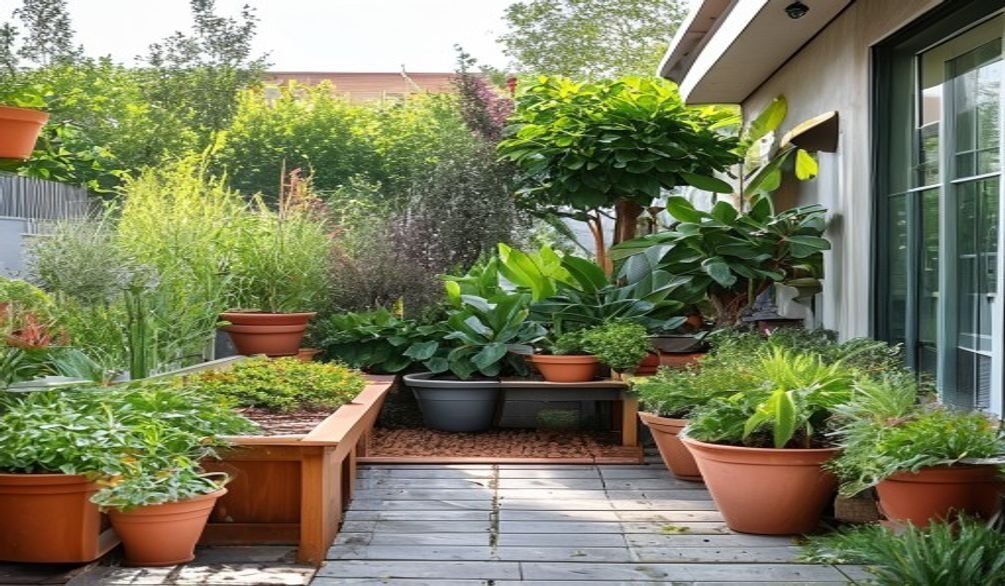
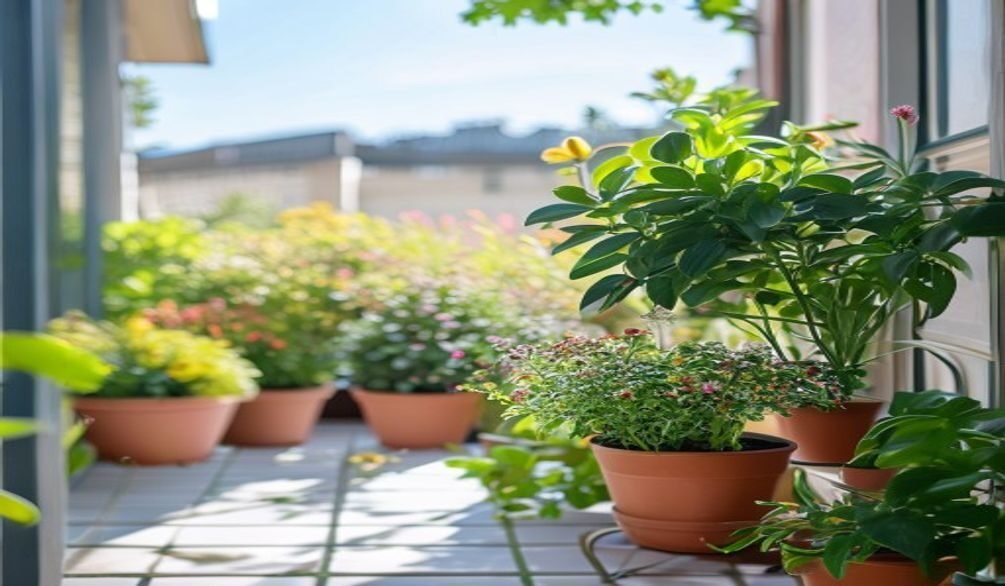
Most Bangalore terrace gardeners eventually face the frustrating challenge of depleted potting mix, making it tough to truly enrich organic garden soil for thriving plants. You’re not alone if your once-bountiful bhindi or cherry tomato plants start looking lackluster after a few seasons; it’s a common struggle when container gardening. This guide will walk you through 10 simple, proven ways to revitalize your garden’s foundation, ensuring your plants get the nutrients they crave naturally.
Quick Answer: Enrich organic garden soil by consistently adding organic matter like compost, well-rotted manure, and mulches, planting cover crops, practicing no-till methods, and regularly testing your soil to address specific nutrient deficiencies.
What are the best organic soil amendments?
The best organic soil amendments are primarily those rich in organic matter, such as compost, well-rotted manure, and worm castings, which feed soil microbes and improve structure. The global organic fertilizers market is estimated at USD 13,153.2 million in 2025, showing a strong demand for natural solutions to enrich organic garden soil, according to industry reports (2025). These amendments work by slowly releasing nutrients and enhancing water retention, making them ideal for sustainable gardening practices.
You’ll find a range of options at your local nursery or even from your own kitchen. I always recommend a blend for comprehensive soil fertility organic methods. For instance, homemade compost, made from kitchen scraps and yard waste, is a prime example of how you can enrich organic garden soil effectively.
- Compost: This “black gold” improves soil structure, aeration, and water retention. It’s packed with beneficial microbes. Compost should make up 25 percent of each planting bed or container, according to common gardening advice. However, in my 10 years of growing vegetables on Indian balconies, I’ve found that for container plants in our humid climate, a 20-30% compost ratio is the sweet spot. A 50% ratio, often recommended, actually suffocates roots by holding too much moisture, especially during the monsoon.
- Well-Rotted Manure: Cow, horse, chicken, goat, sheep, and rabbit manures are excellent sources of nutrients and organic matter. Always ensure it’s well-composted to avoid burning plants with excess nitrogen. Composted horse manure is frequently used in gardens across India.
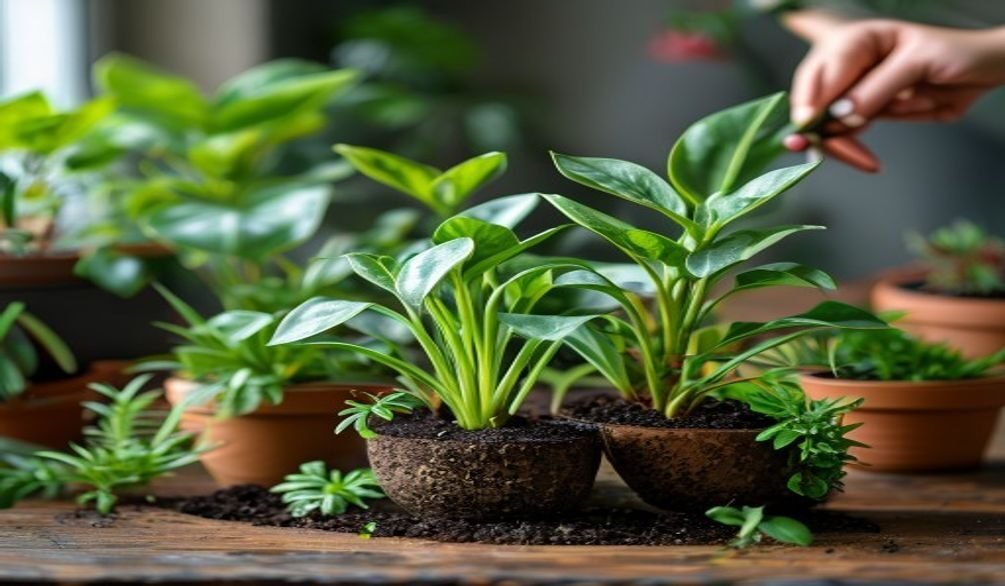
- Worm Castings: Often called “gardening gold,” these are incredibly rich in nitrates and beneficial microorganisms. They are nature’s perfect plant food, offering a gentle, slow-release nutrient boost. Just be careful: I once mixed vermicompost directly into a seed-starting tray at a 30% ratio. It burned every seedling within 5 days because the nutrients were too concentrated for young roots. Vermicompost should really be used for established plants, not for germination.
- Leaf Mold: Decomposed leaves create a fantastic soil conditioner, adding structure and moisture retention. It’s easy to make yourself!
How do you enrich poor soil organically?
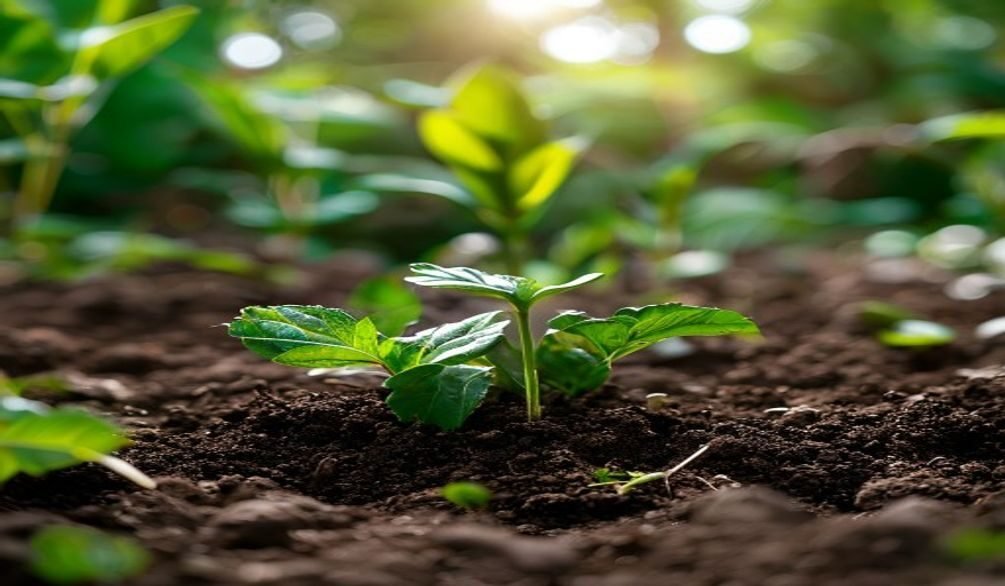
To enrich poor soil organically, the most effective strategy is to consistently incorporate significant amounts of organic matter, which directly improves soil structure, nutrient availability, and microbial life. Mulching with organic matter, adding compost, and using cover crops are the most common ways to add soil organic matter, according to Kristine Lang and Jason Clark of SDSU Extension (2025). This approach helps build a healthy foundation for your plants over time.
It’s a marathon, not a sprint, but the results are so worth it. When you’re dealing with really tired soil, especially in containers that have seen a few seasons of intense Indian summer heat, you need to be deliberate. Here’s what I do:
- Heavy Compost Application: For incredibly poor soil, I’ll initially mix in a larger quantity of compost than usual—say, 30-40% by volume—especially when starting a new bed. This gives the soil a massive kickstart.
- Layered Approach: Don’t just mix everything in. Try layering. Add a base of coarse organic matter like shredded leaves, then a layer of compost, and finally your potting mix. This mimics natural decomposition.
- Cover Crops (Green Manures): These are game-changers for large beds. Planting cover crops like Crimson Clover or Hairy Vetch during fallow periods adds biomass and nitrogen back into the soil when tilled in. This is a brilliant way to enrich organic garden soil without buying tons of amendments.
- Deep Mulching: Apply a thick layer of organic mulch like straw, wood chips, or shredded leaves. As it breaks down, it slowly feeds the soil beneath. This also suppresses weeds, which is a big win for my back in my terrace garden!
| Organic Amendment | Primary Benefit | Application Tip |
|---|---|---|
| Compost | Improves structure, adds nutrients | Mix 20-30% into topsoil or potting mix |
| Well-Rotted Manure | Nitrogen, general fertility | Incorporate a few weeks before planting |
| Worm Castings | Microbes, gentle nutrients | Top-dress or mix sparingly into seed trays (not for germination) |
| Cover Crops | Adds biomass, fixes nitrogen | Plant in off-season, till into soil before new crop |
| Leaf Mold | Boosts water retention, structure | Mix into beds or use as mulch |
How can i enrich my garden soil naturally?
You can enrich your garden soil naturally by prioritizing practices that mimic nature’s cycles, such as continuous addition of organic matter, minimal soil disturbance, and fostering a vibrant soil food web. These methods are sustainable and build long-term soil health. The U.S. organic seed market, for example, was valued at $1.32 billion in 2024 and is projected to surpass $3.82 billion by 2034, indicating a growing commitment to natural gardening practices, according to market analysis (2024).
It’s all about working with nature, not against it. Think about a forest floor – it’s constantly getting covered in leaves and decomposing matter. We want to recreate that in our gardens to truly enrich organic garden soil.
No-till gardening: let the soil breathe
This method involves disturbing the soil as little as possible. Traditional tilling can destroy soil structure and disrupt beneficial fungi and bacteria. By simply adding organic matter to the surface, you encourage worms and microbes to do the work of incorporating it. I’ve found that my tulsi and pudina plants absolutely thrive in no-till beds because their delicate root systems aren’t constantly being disturbed.
Mulching for soil enrichment
Mulch isn’t just for weed suppression; it’s a slow-release fertilizer and soil conditioner. Organic mulches like straw, wood chips, grass clippings, and shredded leaves decompose over time, enriching the soil. This is especially vital during the Indian summer heat, as mulch also helps retain moisture, reducing the need for constant watering. It’s a lifesaver for my container dhania and lal mirch, which are so sensitive to drying out.
Composting: your garden’s best friend
Making your own compost from kitchen scraps, yard waste, and even old newspaper is one of the most cost-effective ways to improve garden soil naturally. It closes the loop, turning waste into a valuable resource. For small balcony gardens, a simple vermicompost bin can produce incredible worm castings.
Planting cover crops
These “green manures” are planted specifically to improve soil health. They protect the soil from erosion, suppress weeds, and add organic matter when tilled in. Some, like legumes (e.g., bell beans, fava beans), even fix nitrogen in the soil, making it available for your next crop. This is a brilliant strategy to enrich organic garden soil during the off-season.
What are the 5 components of healthy soil?
Healthy soil is a complex ecosystem composed of five key components: minerals, organic matter, water, air, and living organisms. Each element plays a crucial role in supporting plant growth and overall soil fertility. Dr. Charles E. Kellogg, a renowned Soil Scientist and Chief of the USDA’s Bureau for Chemistry and Soils, emphasized this interconnectedness, stating, “Essentially, all life depends upon the soil… There can be no life without soil and no soil without life; they have evolved together.”
Understanding these components helps us know what to target when we want to enrich organic garden soil. It’s not just about adding nutrients; it’s about balance.
- Minerals (45%): These are the inorganic particles derived from weathered rock, like sand, silt, and clay. They provide the basic structure and store essential plant nutrients. The ratio of these particles defines your soil type.
- Organic Matter (5%): This includes decomposing plant and animal residues, humus, and living organisms. It’s the lifeblood of healthy soil, improving water retention, nutrient exchange, and providing food for microbes. When we enrich organic garden soil, we’re largely focusing on boosting this component.
- Water (25%): Essential for nutrient transport and plant hydration, water fills the pore spaces between soil particles. Too much or too little can stress plants.
- Air (25%): Oxygen is crucial for root respiration and the activity of beneficial soil microbes. Air also occupies the pore spaces, so good soil structure ensures adequate aeration.
- Living Organisms (a tiny but mighty fraction of organic matter): This includes bacteria, fungi, protozoa, nematodes, and earthworms. These microscopic and macroscopic creatures break down organic matter, cycle nutrients, and create soil structure. They are the unsung heroes that enrich organic garden soil.
Why is enriching your organic garden soil important?
Enriching your organic garden soil is fundamentally important because it directly leads to stronger, healthier plants, increased yields, better pest and disease resistance, and a more resilient garden ecosystem. As Cindy Conner, author of *Grow a Sustainable Diet*, puts it, “If you want to have a balanced garden, feed the soil and build the ecosystem.” This philosophy underscores the holistic benefits of soil improvement.
Honestly, it’s the single best investment you can make in your garden. Think of it this way: your plants are only as good as the foundation they grow in. If you neglect the soil, you’re fighting an uphill battle with everything else. Here’s why I always prioritize efforts to enrich organic garden soil:
- Improved Plant Health and Yields: Nutrient-rich soil provides all the essential elements plants need for robust growth, leading to more abundant and healthier harvests. My Pusa Ruby cherry tomatoes, for example, produce significantly more fruit when grown in well-amended soil.
- Better Water Retention and Drainage: Organic matter acts like a sponge, holding onto moisture in sandy soils and improving drainage in heavy clay soils. This is especially crucial during the pre-monsoon heat in Delhi.
- Enhanced Nutrient Availability: Organic matter slowly releases nutrients over time, reducing the need for synthetic fertilizers. It also helps beneficial microbes make existing nutrients more accessible to plants.
- Increased Pest and Disease Resistance: Healthy soil fosters healthy plants, which are naturally more resistant to common pests and diseases. I’ve noticed a huge difference in my bhindi plants – those in enriched soil rarely get powdery mildew.
- Environmental Benefits: Rich, living soil sequesters carbon, filters water, and supports biodiversity. It’s a win for your garden and the planet.
Beyond the basics: advanced tips for long-term soil health
Moving beyond the fundamental practices, advanced tips for long-term soil health focus on continuous monitoring, diversification, and fostering a truly vibrant underground ecosystem to consistently enrich organic garden soil. This means being proactive and observant, treating your soil as a living entity that evolves. In 2025, 49.5% of gardeners spent more money on gardening, marking an 11.5% increase from 2024, according to Axiom (2025), suggesting a growing commitment to garden care and long-term health.
You’ve got the basics down, right? Adding compost, mulching – those are your bread and butter. But if you really want to elevate your game and permanently enrich organic garden soil, you need to think a bit more strategically. It’s what separates a good gardener from a great one.
Regular soil testing: know what you’re working with
You can’t fix what you don’t measure. Regular soil testing (every 2-3 years) helps you understand your soil’s pH, nutrient levels, and organic matter content. This way, you can tailor your amendments precisely, avoiding over-fertilization or addressing specific deficiencies. Many agricultural universities in India offer affordable soil testing services.
Biochar: a carbon sink for your soil
Biochar is a charcoal-like substance made from burning biomass in a low-oxygen environment. It’s incredibly porous, providing homes for microbes, improving water retention, and sequestering carbon. A one-time application can significantly enhance soil fertility for decades. I like to add a handful to my potting mix when repotting larger plants like methi.
Microbial inoculants: boosting the unseen workforce
Sometimes, your soil needs a little help getting its microbial population thriving. Products containing beneficial bacteria and fungi, like mycorrhizal fungi, can improve nutrient uptake and root development. Brands like Espoma Organic offer great options, or you can find local solutions at well-stocked nurseries.
Crop rotation and diverse planting
Don’t plant the same crop in the same spot year after year. This depletes specific nutrients and can encourage pest buildup. Rotating crops helps maintain nutrient balance and breaks pest and disease cycles. Interplanting different vegetables and herbs also creates a more resilient ecosystem. For example, growing tulsi near your tomatoes can deter some pests.
Another crucial point, especially for container gardeners in India, is the quality of your cocopeat. I tested cocopeat from three different brands in 2023 — COCO COIR, Royal, and a local loose brand from the nursery. The loose brand had salt residue that burned my seedling roots. I had to wash it 4 times before it was safe to use. Branded cocopeat costs ₹80–120 more per block but saves a ruined batch of seedlings, which is a common beginner mistake I’ve seen many times. Don’t skimp on quality when trying to enrich organic garden soil.
Frequently asked questions
What are the best organic soil amendments?
The best organic soil amendments are primarily compost, well-rotted animal manures, and worm castings, all rich in organic matter and beneficial microbes. These amendments improve soil structure, nutrient availability, and water retention, according to Kristine Lang and Jason Clark of SDSU Extension (2025). Regularly incorporating these into your garden beds will provide a steady supply of nutrients for your plants.
How do you enrich poor soil organically?
You enrich poor soil organically by consistently adding large quantities of diverse organic matter, such as compost, leaf mold, and planting cover crops. This builds soil structure and feeds the microbial life that makes nutrients available to plants. A strong focus on no-till practices further enhances this process by preserving the delicate soil ecosystem.
How can i enrich my garden soil naturally?
To enrich your garden soil naturally, focus on adding organic matter like compost and mulches, practicing no-till gardening, and planting cover crops. These methods mimic natural processes to improve soil fertility and structure without synthetic chemicals. The organic fertilizers market is expected to reach USD 10.1 billion in 2026, with a projected CAGR of 6.1% through 2036, reflecting a global shift towards natural soil enrichment, according to market analysis (2026).
What are the 5 components of healthy soil?
Healthy soil comprises five essential components: minerals, organic matter, water, air, and living organisms. Each plays a vital role in supporting a thriving ecosystem. Organic matter, though a small percentage, is crucial for improving soil structure and nutrient cycling, making it a key focus when you enrich organic garden soil.
Why is enriching your organic garden soil important?
Enriching your organic garden soil is important because it leads to stronger plants, increased yields, better pest and disease resistance, and improved water management. Healthy soil creates a resilient environment, reducing the need for external inputs and fostering a balanced ecosystem, as emphasized by experts like Cindy Conner. This sustainable approach benefits both your garden and the broader environment.
Ultimately, the journey to truly enrich organic garden soil is a continuous one, built on observation, consistent effort, and a deep appreciation for nature’s processes. You’ll see the difference in your plants, I promise – from vibrant dhania to prolific bhindi, healthy soil means a healthy harvest. So, roll up your sleeves, grab some compost, and start nurturing the very foundation of your garden today. Your plants, and your future self, will thank you for it.