Key Takeaways
- Over 43% of Americans are now growing some kind of food at home, according to recent data (2025).
- Organic fresh produce sales reached $21.5 billion in 2024, showing a 5.2% increase from the prior year, according to Tom Chapman of the Organic Trade Association (2026).
- Fruit trees can be planted closer together than traditionally recommended, allowing for more variety in smaller areas.
- The USDA, NASS forecasts 1.746 million tons of U.S. early, midseason, and Navel orange production (released January 12, 2026).
- Multi-grafted “fruit salad trees” are ideal for limited space, growing multiple fruit varieties on one trunk.
Most Pune terrace gardeners dream of abundant harvests but often feel overwhelmed by where to even begin with fruit gardening for beginners. You’re not alone in finding this challenging; many guides make it sound complicated, especially when dealing with India’s diverse climates. This article cuts through the noise, offering five straightforward steps to help you cultivate a thriving fruit garden right at home.
Quick Answer: Successful fruit gardening involves selecting the right fruits for your climate, preparing nutrient-rich soil, ensuring adequate sunlight and drainage, consistent pruning, and proactive pest and disease management for abundant harvests.
How do you start a fruit garden for beginners?
Starting fruit gardening for beginners involves careful planning and understanding your local conditions. Over 43% of Americans are now growing some kind of food at home, showing a clear trend towards self-sufficiency, according to recent data (2025). You’ll want to pick the right spot first – one that gets plenty of sun. Most fruits need at least 6-8 hours of direct sunlight daily to produce well.
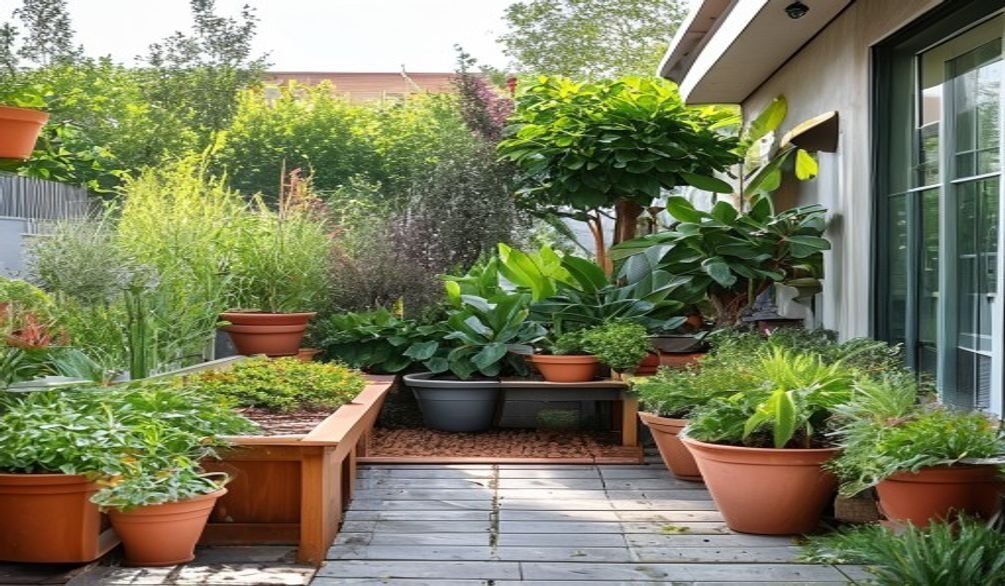
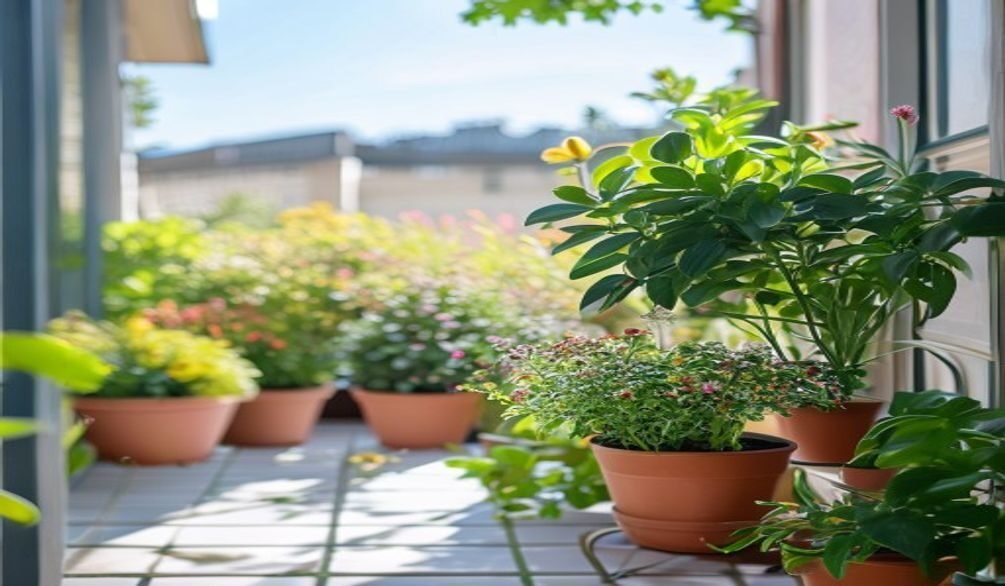
Think about your space, too. Are you working with a small balcony in Mumbai, or do you have a larger plot in a Bangalore garden? This impacts what you can grow. For instance, in my 10 years of experience with Indian balcony gardens, I’ve found that container-friendly varieties make all the difference. You also need to consider soil. Forget the generic advice of mixing 50% compost into your containers; in humid Indian climates, that suffocates roots because it holds too much moisture. I’ve seen much better results with a 20-30% compost ratio for most vegetables and fruits, ensuring proper drainage and aeration. This sweet spot prevents root rot, which is a common issue during our monsoons.
Here’s a quick checklist to get you started with fruit gardening for beginners:
- Site Selection: Choose a spot that receives at least 6-8 hours of direct sunlight.
- Soil Preparation: Ensure your soil is well-draining and rich in organic matter. A mix of garden soil, cocopeat, and compost (20-30%) works wonders.
- Water Access: Make sure you have easy access to water, as fruits often need consistent moisture, especially during dry spells.
- Climate Check: Research which fruit varieties thrive in your specific Indian climate zone.
- Drainage: This is critical. Like our post on improving vegetable garden drainage suggests, good drainage prevents waterlogging and root issues.
What is the easiest fruit to grow for beginners?
The easiest fruits to grow for beginners are generally those that require less intensive care and are resilient to common gardening challenges. Jennifer Tubbin from Second Nature at Reads Creek notes that “Many fruit crops are surprisingly manageable for home gardeners, especially when the right varieties are selected for our climate” (July 20, 2026). For instance, strawberries, especially everbearing varieties like ‘Chandler’ or ‘Sweet Charlie’, are incredibly forgiving and can be grown in pots, hanging baskets, or directly in the ground. They produce fruit quickly, giving you that satisfying first harvest sooner.
Another excellent choice for fruit gardening for beginners is the dwarf variety of ‘Meyer’ lemon, which thrives in containers and can be moved indoors during extreme weather, common in places like Delhi winters. Berries like raspberries and blueberries (if you have acidic soil) are also relatively easy, as are certain types of figs, such as the ‘Brown Turkey’ fig. Honestly, these options provide a great entry point, letting you build confidence before tackling more demanding fruit trees.
Consider these low-maintenance plants for your first attempt at growing fruit at home:
- Strawberries: Compact, quick to fruit, and perfect for containers or small beds.
- Dwarf Citrus (e.g., Meyer Lemon): Excellent for pots, can be grown indoors in colder regions.
- Figs: Varieties like ‘Brown Turkey’ are quite adaptable and tolerate some neglect.
- Bush Berries (e.g., Raspberries, Blackberries): Often require minimal pruning and produce abundantly once established.
- Guava: A common Indian fruit, easily grown from seed or small plants available at local nurseries.
What are the steps of planting a fruit tree?
Planting a fruit tree involves a few key steps to ensure its long-term health and productivity. First, you’ll want to prepare the planting site by digging a hole that’s twice as wide as the root ball and just as deep. Dinslage, Master Gardener Randall D. Schultz, reminds us that “A great harvest doesn’t happen overnight, but fruit trees are one of the most rewarding plants a gardener can grow.”
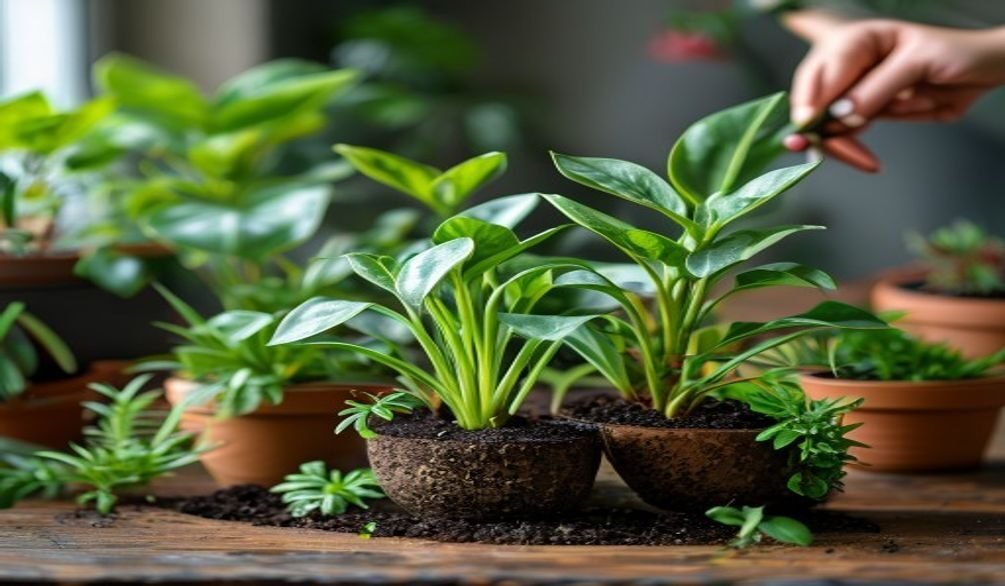
The next crucial step is to gently loosen any circling roots on the plant’s root ball – this encourages them to spread outwards into the new soil. Place the tree in the center of the hole, making sure the graft union (the swollen part on the trunk, usually a few inches above the soil line) is above ground. Backfill the hole with the excavated soil, mixing in a small amount of compost – remember, 20-30% is ideal for our climate. Water thoroughly to settle the soil around the roots and eliminate air pockets. Finally, apply a layer of mulch around the base, keeping it a few inches away from the trunk to prevent rot.
Here’s a breakdown of the planting process:
- Dig the Hole: Make it wide enough for roots to spread, but not too deep.
- Inspect Roots: Gently untangle any roots that are circling the pot.
- Position the Tree: Ensure the graft union is above the soil line.
- Backfill and Water: Fill with soil, lightly tamp, and water generously.
- Mulch: Apply a 2-4 inch layer of organic mulch, leaving space around the trunk.
- Stake (if needed): For taller saplings, a stake can provide support against strong winds.
What month is best to plant fruit trees?
The best month to plant fruit trees largely depends on your specific climate zone in India, but generally, the dormant season or early spring is ideal. For many regions, this means planting during the cooler months, typically from late autumn to early spring (October to March in North India, or slightly later in the mild climates of Bangalore or Pune). Planting during dormancy allows the tree to establish its root system before the stress of summer heat or heavy monsoon rains.
In my experience, planting just after the monsoon in September/October or in late January/February before the intense Indian summer heat (40°C+) kicks in, gives young trees the best chance. This timing avoids the waterlogged soil of peak monsoon and the rapid dehydration of scorching summers. For container fruit gardening, you have a bit more flexibility, but still try to avoid the most extreme weather.
| Region in India | Ideal Planting Season | Why it’s Best |
|---|---|---|
| North India (Delhi, Punjab) | October – March | Cooler temperatures, allows root establishment before summer heat. Avoids severe winter frost for tender varieties. |
| South/Coastal India (Mumbai, Chennai) | Post-monsoon (Sep-Nov), Early Spring (Feb-March) | Avoids heavy monsoon rains and extreme summer humidity/heat. Mild weather for root development. |
| Central India (Pune, Bangalore) | Post-monsoon (Sep-Nov), Feb-March | Similar to South India, leveraging mild periods. |
How can you maximize fruit production in small spaces?
Maximizing fruit production in small spaces involves smart plant selection and innovative growing techniques. You’re not alone if you’re trying to figure out how to grow fruit at home in a compact area; many urban gardeners face this challenge. One effective method is to use vertical growing techniques like training passionfruit vines along fences or growing berries on DIY trellises. Espaliering, where you train apple or pear trees to grow flat against a wall, is another beautiful and productive option.
Another excellent strategy for fruit gardening for beginners in limited areas is using multi-grafted trees, often called “fruit salad trees.” These amazing trees can grow multiple varieties of fruit – like peach, apricot, plum, and nectarine – all on a single trunk. This means you get a diverse harvest without needing several individual trees. High-density planting, where fruit trees are planted closer together than traditionally recommended, also works if you’re committed to more frequent pruning. For a small terrace garden design, these techniques are game-changers.
Consider these strategies for small space fruit gardening:
- Vertical Gardening: Utilize walls and trellises for climbing fruits like passionfruit or grapes. This also works for strawberries in vertical planters.
- Container Gardening: Many dwarf fruit varieties, like dwarf pomegranate or ‘Nagpur Santra’ oranges, thrive in large pots.
- Espaliering: Train fruit trees (apples, pears) to grow flat against a fence or wall, saving horizontal space.
- Multi-Grafted Trees: Invest in “fruit salad trees” that produce several types of fruit on one tree.
- High-Density Planting: Plant trees closer together, managing growth with regular pruning.
What tools do you need for successful fruit gardening?
For successful fruit gardening, having the right tools makes all the difference, simplifying tasks and ensuring plant health. You don’t need a huge arsenal, but a few key items will be invaluable. Organic fresh produce sales reached $21.5 billion in 2024, a 5.2% increase from the prior year, according to Tom Chapman, co-CEO of the Organic Trade Association (2026), highlighting the growing interest in home-grown food. This means more people are investing in quality tools to support their gardening efforts.
You’ll definitely want a good pair of pruning shears for cutting small branches and woody growth – SK5 carbon-steel shears from brands like Rhino Gardening are known for holding their sharpness. For thicker branches, say up to 2 inches in diameter, a pair of loppers is essential. A sturdy hand trowel is perfect for digging small holes and weeding, while a digging fork is crucial for breaking up compacted soil and mixing in compost. Don’t forget a wheelbarrow for moving soil, compost, or your harvest. And for those hard-to-reach fruits, a fruit picker can save you a lot of stretching and potential falls! These tools aren’t just for advanced gardeners; they make fruit gardening for beginners much easier and more enjoyable.
Here’s a list of essential tools for fruit planting guide and care:
- Hand Trowel: For digging small holes, planting seedlings, and weeding.
- Pruning Shears/Secateurs: Essential for shaping, removing dead branches, and harvesting. Look for bypass pruners for clean cuts on live wood.
- Loppers: For thicker branches that pruning shears can’t handle.
- Digging Fork: Great for aerating soil, incorporating amendments, and removing stones.
- Garden Hoe: For weeding larger areas and preparing beds.
- Watering Can or Hose with Spray Nozzle: Consistent watering is key, especially during dry spells.
- Wheelbarrow or Garden Cart: For transporting soil, mulch, and harvested fruits.
- Fruit Picker: A long-handled tool with a basket for reaching high fruits without damage.
Frequently asked questions
What is the easiest fruit to grow for beginners?
Strawberries are often considered the easiest fruit for beginners due to their quick growth, adaptability to containers, and relatively low maintenance requirements. They can produce fruit within a few months of planting, offering a rewarding experience for new gardeners. Another easy option, especially for Indian climates, is the guava, widely available at local nurseries.
What are the 5 steps of planting a tree?
The five key steps for planting a tree are: digging an appropriately sized hole, preparing the tree’s root ball, placing the tree correctly in the hole, backfilling with soil and watering thoroughly, and finally, mulching around the base. This process ensures the tree establishes well and thrives.
What month is best to plant fruit trees?
The best month to plant fruit trees in India is typically during the cooler, dormant season, specifically from late autumn (October-November) through early spring (February-March). This timing allows the roots to establish before the intense summer heat or heavy monsoon rains, as noted by experts like Jennifer Tubbin (July 20, 2026).
How do you start a fruit garden for beginners?
To start fruit gardening for beginners, begin by selecting a sunny location with at least 6-8 hours of direct light, preparing well-draining soil with a 20-30% compost ratio, and choosing fruit varieties suited to your local climate. Over 43% of Americans are now growing food at home, highlighting the growing interest in this rewarding activity (2025).
How can you maximize fruit production in small spaces?
You can maximize fruit production in small spaces by utilizing vertical gardening techniques, growing multi-grafted “fruit salad trees,” and practicing high-density planting with consistent pruning. These methods allow for a greater variety and yield in limited areas, perfect for urban balconies or compact gardens.
So, there you have it – fruit gardening for beginners doesn’t have to be a daunting task. By focusing on site selection, smart planting, and the right tools, you’re well on your way to enjoying fresh, homegrown fruits. Remember, the journey is just as rewarding as the harvest, and even a small balcony can become a thriving orchard. Don’t wait; pick a fruit from our easy list and get your hands dirty this season!