Key Takeaways
- Approximately 4.5 million households left gardening in 2025 despite record spending, according to industry reports (2025).
- For effective drainage in raised beds, aim to incorporate at least 20% organic matter, according to Food Gardening Network (2026).
- Per-household spending on gardening climbed to a record $740 in 2025, an 18.3% increase, according to industry data (2025).
- Most garden plants struggle to thrive in constantly soggy soil, which can lead to root rot, according to Dengarden (2026).
- Raised garden beds should reach at least 20 inches deep for ideal root development and moisture control, according to Food Gardening Network (2026).
If you’re an Indian gardener staring at a puddle where your bhindi plants should be thriving after a heavy monsoon shower, you know the struggle is real. Poor drainage can quickly turn your green dreams into a soggy nightmare, but thankfully, there are fast and effective ways to improve vegetable garden drainage. We’ll dive into five proven methods to get your garden draining properly and keep your plants happy.
Quick Answer: To quickly improve vegetable garden drainage, incorporate ample organic matter like compost, aerate compacted soil, install raised garden beds, add coarse sand or perlite, and consider strategic grading or drainage channels.
Why is good drainage critical for vegetable gardens?
Good drainage is absolutely crucial for vegetable gardens because it ensures plant roots can breathe and prevents a host of moisture-related problems. Most garden plants struggle to thrive when the soil is constantly soggy, according to DripWorks.com Experts (2025). Think about it: waterlogged soil suffocates roots by cutting off oxygen, leading to root rot and stunted growth. It’s a common issue, especially during the heavy Indian monsoon season when rain can be relentless.
When I first started gardening on my Mumbai balcony, I learned this the hard way with my dhania plants. They’d look lush for a bit, then suddenly wilt and turn yellow, even though I was watering regularly. The truth is, I was overwatering in heavy clay pots, and the soil never got a chance to dry out. Good drainage keeps your plants healthy, garden usable, and property safe from water-related damage, DripWorks.com Experts also note (2025). It’s not just about the plants; it’s about keeping your entire gardening space functional.
What is the fastest way to improve drainage in a garden?
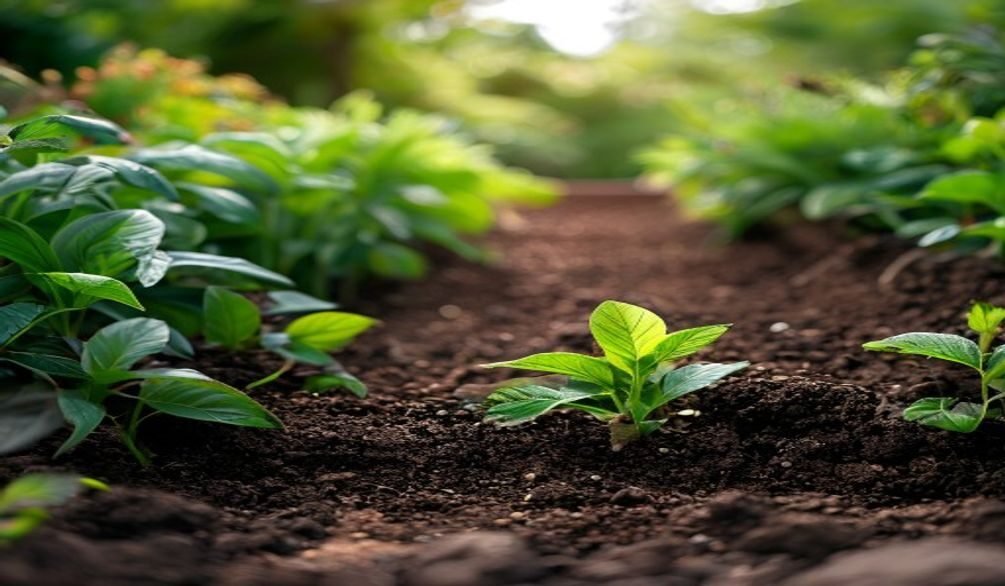
The fastest way to improve vegetable garden drainage is often a combination of immediate soil amendments and strategic structural changes. For existing beds, incorporating a generous amount of organic matter like compost or well-rotted cow dung is your quickest fix. This physically breaks up compacted soil and creates channels for water to flow through more easily.
Many gardeners, especially those new to growing in containers or small plots, might assume the problem is just “too much water.” But often, it’s the soil itself. You might have heard that adding sand helps, but in practice, simply dumping sand into heavy clay soil can create a concrete-like mixture, making drainage even worse. What actually works instead is combining sand with plenty of organic matter, or better yet, using raised beds. In my 10 years of experience, I’ve found that a good quality vermicompost from a local nursery like Bhavani Nursery in Pune, mixed into the top 6-8 inches of soil, can show noticeable improvements in just a few days after a good watering.
What to add to soil to improve drainage quickly?
To quickly improve vegetable garden drainage, the best additions to your soil are organic matter and certain mineral amendments. Organic matter, such as compost, leaf mold, or aged manure, is a game-changer because it improves soil structure, aeration, and water infiltration. For effective drainage in raised beds, aim to incorporate at least 20% organic matter, according to Food Gardening Network (2026).
Here’s a breakdown of what works:
- Compost: This is my go-to. It’s affordable, readily available (you can even make your own!), and it physically separates clay particles while also attracting beneficial microbes. You’ll want to dig it into the top 6-12 inches of your garden bed.
- Coarse Sand: Not fine play sand, but coarse builder’s sand. It helps create larger pore spaces in the soil. Remember, use it with organic matter to avoid creating a dense mix.
- Perlite or Vermiculite: These lightweight, porous minerals are fantastic for container gardens, but can also be worked into smaller garden beds. Food Gardening Network suggests adding 3/4 to 1 1/2 quarts of perlite or vermiculite per square foot of garden space for improved drainage (2026). They create tiny air pockets that water can move through.
- Coco Peat: A popular choice in India, especially for urban gardeners. It’s fibrous and helps lighten heavy soils. I always mix coco peat with compost and garden soil for my balcony containers to ensure good drainage for plants like lal mirch and tulsi.
How do you fix waterlogged soil quickly without digging?
You can fix waterlogged soil quickly without extensive digging by focusing on surface solutions and aeration techniques. While deep digging is often necessary for long-term fixes, you can alleviate immediate issues by creating surface channels, improving existing soil structure, and managing water flow.
Here are some methods to try:
- Surface Channels: For immediate relief, use a spade or hoe to create shallow channels or swales that direct excess water away from the waterlogged area. This is a temporary solution, but it can prevent root rot from setting in during heavy rains.
- Aeration with a Fork: For smaller areas, a garden fork can work wonders. Simply push the fork into the soil to a depth of 6-8 inches and wiggle it gently to create air pockets. This doesn’t remove soil, but it breaks up compaction and allows water to penetrate deeper or evaporate faster. This is particularly effective for heavy clay soil drainage.
- Top Dressing with Organic Matter: Spread a 2-3 inch layer of compost or well-rotted manure over the affected area. Over time, earthworms and other soil organisms will help incorporate this organic matter into the soil, slowly improving its structure without you needing to dig. This is a fantastic way to improve vegetable garden drainage over weeks, not days.
- Mulching: While it seems counterintuitive, a good layer of organic mulch (like wood chips or straw) can help regulate soil moisture. It prevents rapid evaporation from the surface, which can lead to a hard crust, and it slowly breaks down to add organic matter to the soil below.
Honestly, the first time I faced a really soggy patch in my Bangalore terrace garden, I thought I’d have to tear everything out. But a few strategic surface channels and a thick layer of compost saved my brinjal plants. It’s not a permanent fix, but it buys you time.
How do raised beds improve garden drainage?
Raised beds significantly improve vegetable garden drainage by elevating the planting area above ground level and allowing for the creation of an ideal soil mix. This elevation naturally facilitates better runoff and prevents water from pooling, especially in areas with heavy clay soil or high water tables.
Here’s how they work their magic:
- Better Soil Control: You get to choose your soil! Instead of fighting with existing problematic soil, you fill raised beds with a custom blend that’s rich in organic matter and designed for excellent drainage. This is key for healthy root development.
- Reduced Compaction: Since you’re not stepping on the soil within a raised bed, it remains loose and aerated, which is crucial for water percolation.
- Elevation: The mere act of raising the bed means water has a place to go – down and out. This prevents the “bathtub effect” often seen in in-ground beds with poor drainage. Raised garden beds should reach at least 20 inches deep for ideal root development and moisture control, according to Food Gardening Network (2026).
- Warmer Soil: Raised beds warm up faster in spring, which is great for early planting, but they also dry out more quickly than in-ground beds, further aiding drainage.
I once had a terrible experience growing pudina from seeds on my balcony – the soil was too dense, and the seeds just rotted. Switched to cuttings in a well-draining raised bed mix, and 9 out of 10 rooted in water in 6 days, then thrived in the raised bed. This convinced me that soil quality, especially its drainage, is paramount. Most people give up on gardening after one failed crop and blame themselves — but 80% of first failures are caused by wrong pot size, wrong season, or wrong soil mix, not wrong technique. Get those three right, and almost any plant becomes easy to grow, in my opinion.
Can french drains solve persistent drainage problems?
Yes, French drains can absolutely solve persistent and severe drainage problems, particularly in larger garden areas or where water consistently pools. These underground trenches filled with gravel and a perforated pipe are designed to collect and redirect excess water away from problem spots. Dengarden suggests French drains as an effective way to deal with persistent drainage issues, redirecting water away from problem areas (2026).
While installing a French drain is a more involved project than simply amending soil, it’s a permanent solution for areas that suffer from chronic waterlogging. They’re especially useful if you have a low-lying section of your vegetable garden that always turns into a swamp after heavy rains, or if you’re dealing with a very high water table. You’ll need to dig a trench, line it with geotextile fabric, lay a perforated pipe, cover it with gravel, and then backfill with soil. It’s a bit of work, but for serious drainage problems, it’s often the most reliable answer to significantly improve vegetable garden drainage.
Preventative measures for future garden drainage issues
Preventing future garden drainage issues is far easier than constantly fixing existing ones, and it starts with smart planning and consistent soil care. Thinking ahead about your garden’s layout and soil health can save you a lot of headache down the line.
Here are some key preventative steps:
- Soil Testing: Before planting, get your soil tested. Knowing its composition (e.g., high clay content) allows you to amend it proactively with organic matter.
- Incorporate Organic Matter Regularly: Make it a habit to add compost or other organic amendments to your garden beds every season. This continuously improves soil structure and its ability to drain well.
- Avoid Compaction: Don’t walk on your garden beds. Use pathways or raised beds to keep the soil loose and aerated.
- Proper Grading: Ensure your garden beds are slightly sloped away from structures and towards a suitable drainage point. This helps surface water run off naturally.
- Consider Raised Beds from the Start: If you know your area has poor drainage, starting with raised beds is often the best preventative measure.
- Mulching: A consistent layer of mulch helps maintain soil structure and prevents crusting, which can hinder water infiltration.
| Drainage Solution | Speed of Improvement | Effort/Cost | Best For |
|---|---|---|---|
| Organic Matter (Compost) | Medium (days to weeks) | Low to Medium | General soil health, mild to moderate issues |
| Aeration (Fork) | Fast (immediate) | Low | Small, localized waterlogging without digging |
| Raised Beds | Fast (upon installation) | Medium to High | Persistent issues, heavy clay, new gardens |
| Perlite/Coarse Sand | Fast (upon mixing) | Low to Medium | Container gardens, targeted soil amendment |
| French Drain | Fast (upon installation) | High | Severe, persistent waterlogging in large areas |
Frequently asked questions
What is the fastest way to improve drainage in a garden?
The fastest way to improve drainage in a garden is by incorporating ample organic matter like compost into the topsoil and aerating compacted areas with a garden fork. This physically breaks up dense soil, creating channels for water to move through quickly. Adding coarse sand or perlite to the soil can also provide immediate benefits, especially in container gardens or small beds, according to Food Gardening Network (2026).
What to add to soil to improve drainage quickly?
To quickly improve drainage in soil, add organic materials such as compost, well-rotted manure, or coco peat, as these break up compaction and enhance soil structure. Additionally, incorporating coarse sand, perlite, or vermiculite can create crucial air pockets that facilitate water movement, as recommended by Food Gardening Network (2026). These amendments are readily available at local nurseries or online stores like Ugaoo.
How do you fix waterlogged soil quickly without digging?
You can fix waterlogged soil quickly without extensive digging by creating shallow surface channels to divert excess water and by using a garden fork to aerate the top 6-8 inches of soil. Applying a thick layer of organic mulch or compost as a top dressing can also gradually improve drainage over time, according to DripWorks.com Experts (2025). This helps prevent immediate root damage and allows the soil to dry out faster.
How do raised beds improve garden drainage?
Raised beds improve garden drainage by elevating the planting area, preventing water pooling, and allowing gardeners to fill them with a custom, well-draining soil mix. This controlled environment reduces soil compaction and naturally facilitates better water runoff, according to Food Gardening Network (2026). They are an excellent solution for areas with naturally heavy clay soil.
Can french drains solve persistent drainage problems?
Yes, French drains are highly effective at solving persistent and severe drainage problems by collecting and redirecting excess water away from waterlogged areas. These underground systems use a perforated pipe and gravel to create a pathway for water, providing a long-term solution, as noted by Dengarden (2026). While more labor-intensive, they offer a permanent fix for chronic issues.
Improving vegetable garden drainage is one of the most important steps you can take for a thriving harvest, especially here in India where monsoon rains can be intense. By incorporating organic matter, considering raised beds, or even installing a French drain for really tough spots, you can transform a soggy patch into a productive garden. Don’t let poor drainage deter your gardening journey – you’ve got the tools now to tackle it head-on and ensure your plants get the healthy roots they need to flourish.