
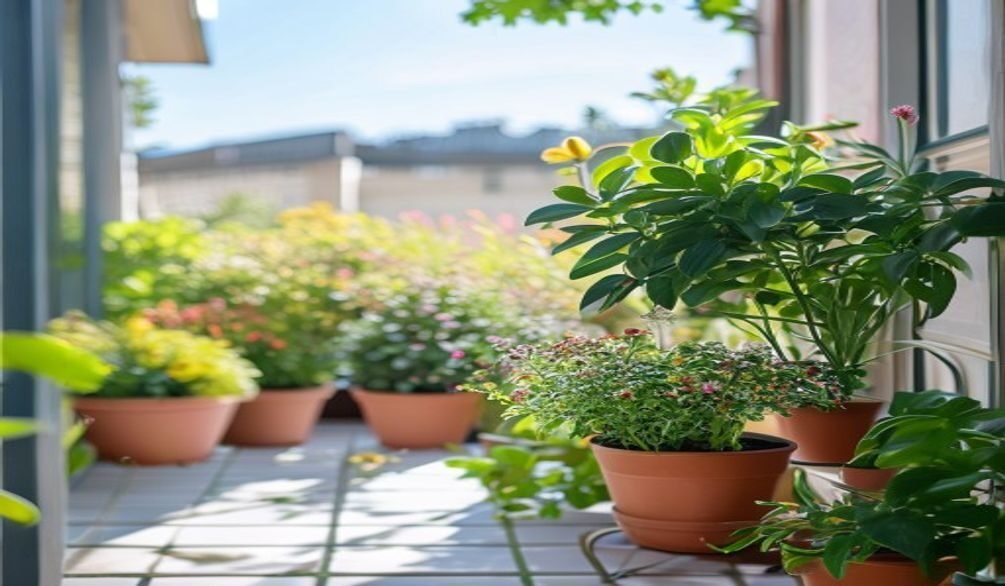
Key Takeaways
- More than one-fifth of native North American pollinators, including 34.7% of native bee species, are at elevated risk of extinction, according to a 2025 assessment in PNAS.
- Planting just one pollinator-friendly container per U.S. household would create over 120 million new habitat plants for native bees.
- 60% of people in major cities are engaging in balcony and terrace gardening, according to 2025 data.
- Creating diverse, nectar-rich flowering plants in containers is crucial for successful balcony gardening attract pollinators.
- Even small balcony gardens serve as vital urban refueling stations for migrating insects and birds.
Most Delhi balcony gardeners know the frustration: you buy beautiful flowering plants from the nursery, only for them to bloom once and then sit there, lifeless, with barely a bee in sight. It’s tough to get that vibrant, buzzing life you see in bigger gardens. But with smart choices, your balcony gardening attract pollinators efforts can truly make a difference, turning your small space into a bustling haven for beneficial insects.
Quick Answer: Attract pollinators to your balcony by planting diverse nectar-rich native flowers, providing a shallow water source, avoiding pesticides, and selecting appropriate container sizes to create a vital urban refueling station for beneficial insects.
Why is balcony gardening important for pollinators?
Balcony gardening is incredibly important for pollinators because it creates essential stepping stones of habitat in urban landscapes where natural spaces are often scarce. More than one-fifth of native North American pollinators, including 34.7% of native bee species, are at elevated risk of extinction, according to a 2025 assessment published in the Proceedings of the National Academy of Sciences. That’s a sobering thought, isn’t it?
Think of it this way: a city can feel like a desert for a bee or a butterfly looking for nectar. Even a small balcony garden acts as a vital refuelling station for these migrating insects and birds, according to Andrew Bunting of the PHS (Pennsylvania Horticultural Society). These tiny green pockets, whether in Mumbai’s humidity or Bangalore’s milder climate, link up larger habitats, making it easier for pollinators to move around and find food. Plus, 60% of people in major cities are already gardening on balconies and terraces, based on 2025 data, showing just how much collective impact we can have.
What attracts pollinators to a balcony?
Pollinators are primarily attracted to a balcony by a consistent supply of diverse, nectar-rich flowers, much like how we’re drawn to a good chai stall on a busy street. They’re looking for food, shelter, and water. Kim Eierman, founder of EcoBeneficial, emphasizes that you can plant many pollinator-supporting native plants in containers, even on a balcony.
It’s not just about pretty flowers, though. Pollinators, especially bees, are drawn to specific flower shapes, colors, and scents. They prefer flat or shallow flowers where nectar is easily accessible, or tubular flowers that suit their specific proboscis length. You’ll also want to offer a variety of bloom times so there’s always something available, from pre-monsoon to post-monsoon. Honestly, creating a successful balcony gardening attract pollinators setup means thinking like a bee!
Key elements for attracting pollinators
- Diverse Native Plants: These are best because local pollinators have evolved with them.
- Continuous Blooms: Aim for plants that flower throughout the growing season.
- Shallow Water Source: Essential for hydration, especially during Indian summer heat.
- Avoid Pesticides: Chemicals harm the very creatures you’re trying to attract.
- Container Size: Generous containers allow plants to thrive and produce more blooms.
What flowers attract bees to a balcony?
The best flowers to attract bees to a balcony are those that are rich in nectar and pollen, offer diverse shapes, and bloom consistently. For instance, my experience shows that plants like Zinnias and Marigolds are absolute magnets for bees in India. The Bumblebee Conservation Trust specifically advocates for growing pollinator-friendly flowers on balconies, listing Cornflowers and California poppies as good options.
When I first started my own balcony gardening attract pollinators journey, I focused too much on just pretty flowers. What I learned quickly is that bees aren’t just looking for beauty; they’re looking for sustenance. They love bright colors, especially blues, purples, and yellows. And don’t forget the herbs! Flowering pudina, tulsi, and even dhania (coriander) when it goes to seed, are excellent sources of nectar for smaller bees and hoverflies.
Top balcony bee flowers for indian conditions
| Plant Name | Bloom Color | Container Suitability | Pollinator Attraction |
|---|---|---|---|
| Zinnia (dwarf varieties) | Various brights | Excellent | Bees, butterflies |
| Marigold (Genda) | Yellow, orange | Excellent | Bees, hoverflies |
| Lavender | Purple | Good | Bees, butterflies |
| Pentas | Red, pink, white | Good | Butterflies, bees |
| Tulsi (Holy Basil) | White/pale purple | Excellent | Small bees, hoverflies |
| Anise Hyssop (Agastache) | Purple | Good | Bees, hummingbirds |
How do you create a pollinator-friendly balcony garden?
Creating a pollinator-friendly balcony garden involves strategic plant selection, thoughtful layout, and diligent care to provide a welcoming habitat. You’ll want to pick plants suitable for containers and your balcony’s specific sun exposure. For example, if you have a shaded balcony, you might opt for plants like Fuchsia or Impatiens, though they might attract fewer bees than sun-lovers.
First, consider your space. Is it south-facing and gets intense afternoon sun, like many balconies in Delhi? Or is it more sheltered, like some in Mumbai? This dictates your plant choices. Then, group plants with similar needs together to make watering and care easier. My big piece of advice here: watering on a fixed schedule is one of the worst habits an Indian balcony gardener can have. Soil dries at completely different rates in summer versus monsoon, morning versus afternoon sun, terracotta versus plastic pots. Always check the soil with your finger, never follow a calendar. I once lost a container plant in July because my covered balcony roof blocked all rain — the soil was bone dry while the ground below was soaked. Container plants on covered balconies still need watering in monsoon!
Steps to design your pollinator balcony
- Assess Sun Exposure: Determine how many hours of direct sun your balcony receives daily. This is crucial for plant health.
- Choose Native Plants: Prioritize native varieties, as they are best adapted to local conditions and pollinators. Anise hyssop (Agastache Foeniculum) is a great native option for containers.
- Select Diverse Flowers: Include a mix of colors, shapes, and bloom times to support various pollinators throughout the seasons.
- Opt for Larger Containers: Kim Eierman recommends being generous with container size to allow plants ample space to grow and flourish. This helps them produce more flowers, too.
- Create Layers: Use different plant heights to mimic natural habitats, providing shelter and foraging opportunities.
Beyond plants: other elements to attract pollinators
Beyond just plants, incorporating a few non-plant elements can significantly boost your efforts to create a thriving balcony gardening attract pollinators haven. Pollinators need more than just food; they need water and shelter too. A simple, shallow water source is incredibly important, especially during the scorching Indian summer heat.
I like to use a shallow dish filled with pebbles or marbles, then add water. This gives bees and butterflies a safe landing spot to drink without drowning. It’s a small detail, but it makes a huge difference. You can also consider a small bee hotel. These can be bought online from places like Ugaoo or Nurserylive for around ₹300-₹800, or you can even DIY one with bamboo canes. Just make sure it’s placed in a sheltered spot away from direct rain.
Essential non-plant elements
- Shallow Water Source: A saucer with stones or marbles provides safe drinking for insects.
- Bee Hotels: Small structures with hollow tubes offer nesting sites for solitary bees.
- Avoid Pesticides: This is non-negotiable. Even “organic” pesticides can harm beneficial insects. If you have pests, try manual removal or neem oil. Check out our guide on flower garden pest control for safe alternatives.
- Bare Soil Patches: Some native bees nest in the ground, so a small patch of undisturbed soil in a container can be beneficial.
Maintaining your balcony pollinator garden seasonally
Maintaining your balcony pollinator garden seasonally is key to ensuring a continuous food source and healthy habitat for your buzzing visitors. Different seasons in India bring different challenges and opportunities for your plants. For instance, pre-monsoon (March-May) demands rigorous watering and heat protection, while monsoon (June-September) requires careful drainage management.
During the intense Indian summer, you’ll need to water daily, sometimes twice a day, depending on your pot material. Terracotta pots, while lovely, dry out much faster than plastic ones. As someone who’s spent 10+ years growing plants on Indian balconies, I’ve learned that regular deadheading—removing spent flowers—encourages more blooms, which means more food for pollinators. And don’t forget to replenish your soil with compost or vermicompost every few months, especially after the heavy monsoon rains. This keeps your plants vigorous, which in turn helps your balcony gardening attract pollinators efforts.
Seasonal care tips
- Pre-Monsoon (March-May): Increase watering frequency and provide shade during the hottest parts of the day. Protect new seedlings from intense sun.
- Monsoon (June-September): Ensure excellent drainage to prevent root rot. You can improve garden drainage by adding perlite or coarse sand to your potting mix. I typically add 20-30% cocopeat to my soil mix to improve drainage and aeration, especially for monsoon planting.
- Post-Monsoon (October-November): This is a great time to refresh soil and plant cool-season annuals like Marigolds and Petunias.
- Winter (December-February): In North India, protect tender plants from frost. In milder climates like Bangalore, many plants will continue to thrive.
- Regular Feeding: Use organic liquid fertilizers or compost tea every 2-4 weeks during the growing season to support strong plant growth and abundant flowering.
Troubleshooting common balcony pollinator garden issues
Troubleshooting common balcony pollinator garden issues often comes down to addressing plant health, pest management, and ensuring the right conditions for pollinators. One common problem I’ve seen is plants stalling in growth, even with good light and water. For example, I tried growing capsicum from seeds in December in Delhi. Germination was 90% but plants stalled at 4 inches for 6 weeks because soil temperature was too low for root activity. I added a seedling heat mat and they hit 12 inches in the next 3 weeks – a simple fix that completely transformed their growth.
Another issue is a lack of pollinators, despite having flowers. This could be due to nearby pesticide use, or simply not enough diversity in your plants. Remember, if your balcony gardening attract pollinators efforts aren’t yielding results, it’s usually a sign to re-evaluate your plant choices or environmental factors. Don’t get discouraged! It’s all part of the learning process.
Common problems and solutions
- Few Pollinators Visiting:
- Problem: Lack of flower diversity or continuous blooms.
- Solution: Add more nectar-rich native plants with staggered bloom times. Ensure you have a mix of flower shapes.
- Plants Not Thriving:
- Problem: Inadequate sunlight, poor drainage, or nutrient deficiency.
- Solution: Relocate pots for better sun, ensure proper drainage (72% of container plants fail due to poor drainage, according to Penn State Extension (2023)), and feed with organic compost.
- Pest Infestations:
- Problem: Aphids, mealybugs, etc., harming plants.
- Solution: Use organic pest control methods like neem oil spray or manual removal. Introduce beneficial insects if possible. Avoid harsh chemical pesticides at all costs.
Frequently asked questions
What attracts pollinators to a balcony?
Pollinators are attracted to a balcony by a consistent supply of nectar-rich, diverse flowering plants, shallow water sources, and a pesticide-free environment. Providing a variety of flower shapes and colors ensures different pollinator types find suitable food.
What flowers attract bees to a balcony?
Flowers like Zinnias, Marigolds (Genda), Lavender, Pentas, and flowering herbs such as Tulsi (Holy Basil) are excellent choices for attracting bees to a balcony. These plants offer abundant nectar and pollen, which are vital food sources for bees.
How do you attract bees to a small garden?
Attract bees to a small garden by planting native, nectar-rich flowers that bloom continuously throughout the seasons and providing a shallow water source. If every household in the United States planted just one pollinator-friendly container, it would create over 120 million new habitat plants for native bees.
What do pollinators like the most?
Pollinators like diverse, colorful, and fragrant flowers that offer easily accessible nectar and pollen. They also appreciate a clean water source and a safe, chemical-free environment to forage and rest.
What are some good native plants for balcony containers in india?
Good native plants for balcony containers in India include Anise hyssop (Agastache Foeniculum), Tulsi (Holy Basil), and various types of flowering herbs like pudina. These plants are well-adapted to local climates and support native pollinator species.
Ultimately, your efforts in balcony gardening attract pollinators do more than just beautify your home; they contribute to a larger ecological network. By choosing the right plants, providing water, and avoiding harmful chemicals, you’re creating a vital urban oasis. It’s a small step that makes a monumental difference for our tiny, hardworking friends. So go ahead, get your hands dirty, and watch your balcony come alive with buzzing and fluttering life!







