Key Takeaways
- Approximately 80% of greenhouse growers faced insect and pest pressure as a primary challenge in 2026, according to industry reports.
- The global garden pesticides market is projected to exceed USD 13.7 billion by 2032, according to market analysis (2025).
- Neem oil is highly effective against soft-bodied pests like aphids and spider mites, offering broad-spectrum organic control.
- Marigolds are known to repel Mexican bean beetles, nematodes, and aphids when companion planted, according to horticultural studies.
- Ladybugs can consume up to 5,000 aphids in their lifetime, making them excellent natural predators for flower garden pest control.
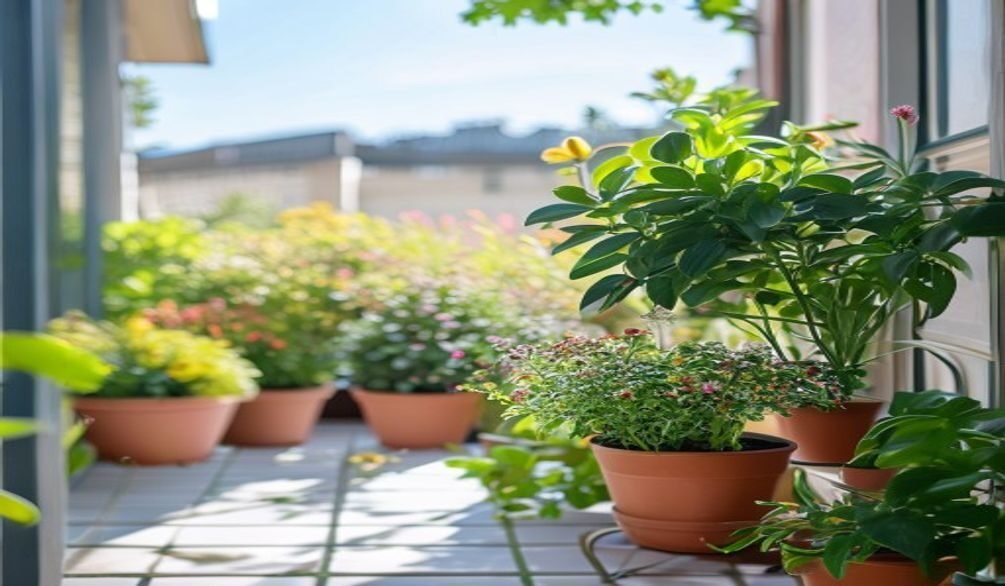
When you’re nurturing your precious gulab or genda plants on your Delhi balcony, nothing’s more disheartening than spotting those tiny, unwelcome guests munching away at your blooms. Dealing with flower garden pest control can feel like an uphill battle, especially when you want to keep your plants healthy without resorting to harsh chemicals. But don’t worry, you’re not alone in finding this hard; most people feel exactly this way when their prized blooms start showing signs of distress.
Quick Answer: To easily control flower garden pests, implement companion planting, introduce beneficial insects like ladybugs, use organic sprays such as neem oil or insecticidal soaps, maintain good garden hygiene, and utilize physical barriers to protect plants.
What is the best natural pest control for flowers?
The best natural pest control for flowers often involves a combination of methods that work with nature, rather than against it. Using integrated pest management (IPM) strategies, which prioritize prevention and non-chemical solutions, is incredibly effective. For instance, approximately 80% of greenhouse growers reported insect and pest pressure as a primary challenge in 2026, according to industry reports, highlighting the constant need for robust pest management.
Honestly, when I started my balcony garden in Pune, I tried every chemical spray under the sun. But I quickly learned that for long-term healthy blooms, natural methods are the way to go for flower garden pest control. They protect beneficial insects and pollinators, which are crucial for a thriving garden.
Here are some top natural pest control choices:
- Neem Oil: Derived from the neem tree (Azadirachta indica), it’s a powerful organic insecticide, miticide, and fungicide. It disrupts insect feeding and growth cycles.
- Insecticidal Soaps: These potassium salts of fatty acids break down the protective outer layer of soft-bodied pests, leading to dehydration.
- Companion Planting: Strategically placing certain plants together can deter pests naturally.
- Beneficial Insects: Introducing natural predators like ladybugs or lacewings helps control pest populations.
- Garlic and Chili Sprays: Homemade concoctions can repel a wide range of common flower garden pests.
How do i keep bugs off my flowers naturally?
Keeping bugs off your flowers naturally involves creating an environment where pests struggle to thrive, using methods that are safe for your plants and the environment. One key strategy is maintaining a healthy garden ecosystem, as Michael Pollan suggests, “Most of the time pests and disease are just nature’s way of telling the farmer he’s doing something wrong.”
In my 10 years of experience with Indian balcony gardens, I’ve found prevention is always better than cure. You might have heard that regular spraying is the only way — but in practice, establishing a strong, healthy plant from the start, with good soil and proper watering, prevents most pest issues from even beginning. This approach minimizes the need for active flower garden pest control later on.
Consider these natural ways to keep pests away:
- Good Garden Hygiene: Regularly remove fallen leaves, weeds, and spent blooms. Pests love hiding in debris.
- Watering Techniques: Overhead watering can dislodge aphids and spider mites from your plants. Just make sure to do it in the morning so leaves dry quickly, preventing fungal issues.
- Hand-Picking: For larger pests like caterpillars or snails, sometimes the simplest solution is to pick them off by hand.
- Physical Barriers: Use fine mesh netting or row covers to protect vulnerable plants from flying insects.
- Strong Plants: Healthy plants are more resilient. Ensure proper sunlight, consistent watering (not too much, not too little), and nutrient-rich soil. For instance, I lost my entire coriander crop in May 2022 — sowed directly in a pot kept on the south-facing balcony during peak summer. The soil hit 45°C by afternoon and the seedlings fried within 4 days. Moving my pots to morning sun only with afternoon shade resulted in a full harvest on the next attempt. This taught me that getting the basics right is crucial for plant health and natural pest resistance.
What are effective organic pest control methods for flowers?
Effective organic pest control methods for flowers focus on sustainable solutions that protect your plants without harming the surrounding ecosystem. These methods often leverage natural compounds or biological processes. The global garden pesticides market was valued at approximately USD 9.3 billion in 2025 and is projected to exceed USD 13.7 billion by 2032, according to market analysis, indicating a growing demand for effective solutions, including organic ones.
I’ve experimented a lot with organic flower pest control in my Bangalore terrace garden, especially during the monsoon season when pests seem to multiply overnight. What I’ve found is that consistency and observation are key. Don’t wait until you have a full-blown infestation; act early.
Here’s a breakdown of some reliable organic strategies:
| Method | Description | Target Pests | Application Tips |
|---|---|---|---|
| Neem Oil Spray | A natural repellent and insecticide that disrupts insect hormones and feeding. Brands like Bonide Captain Jack’s Neem Oil are widely trusted. | Aphids, spider mites, mealybugs, whiteflies, thrips, scale | Mix with water and a tiny bit of mild soap. Spray thoroughly, especially undersides of leaves, every 7-10 days until pests are gone. Avoid spraying during peak sun. |
| Insecticidal Soap | Potassium salts of fatty acids that break down insect exoskeletons. Safer Insecticidal Soap is a popular brand. | Aphids, mites, thrips, whiteflies, mealybugs | Spray directly onto pests, ensuring full coverage. It only works on contact. Repeat every 5-7 days as needed. |
| Diatomaceous Earth (DE) | A fine powder made from fossilized diatoms. Its sharp edges cut insect exoskeletons, causing dehydration. | Slugs, snails, ants, earwigs, soft-bodied crawling insects | Apply a fine dusting around the base of plants or on leaves when dry. Reapply after rain. Use food-grade DE. |
| Garlic/Chili Spray (Homemade) | Strong odors and capsaicin deter pests. | General repellency for aphids, spider mites, caterpillars | Blend garlic cloves or chili peppers with water, strain, and add a drop of soap. Spray as a deterrent. |
What to spray on flowers for bugs safely?
To safely spray on flowers for bugs, you should opt for organic, non-toxic solutions that specifically target pests while remaining harmless to beneficial insects, pollinators, and pets. Amber Aguilera of the U.S. Fish and Wildlife Service’s Sacramento Fish and Wildlife Office emphasizes avoiding chemicals, stating, “Neonicotinoids can be found in garden pest control sprays. While they are designed to target specific pests, they also can also be lethal to pollinators.”
It’s tempting to reach for a strong chemical when you see an infestation, isn’t it? But for the health of your garden and the buzzing visitors it attracts, choosing safe pest control for pollinators is paramount. I always tell my friends in Mumbai, where balcony gardens are popular, that a little patience with organic sprays goes a long way.
Here are some safe options for your flower garden pest control efforts:
- Neem Oil: This is my go-to. It’s effective against a broad spectrum of pests and is safe for bees and other beneficials once dry. It works by disrupting insect feeding and growth, not by direct poisoning. You can find ready-to-use sprays like Natria Neem Oil Spray for around ₹250-₹400 at local nurseries or online on Ugaoo.
- Insecticidal Soaps: These are contact killers, meaning they only harm pests they directly touch. They dissipate quickly, leaving no harmful residue. They’re excellent for soft-bodied pests like aphids on flowers treatment.
- Horticultural Oils: Lighter than dormant oils, these suffocate soft-bodied insects and their eggs. Apply them when temperatures are moderate to avoid burning foliage.
- Homemade Garlic/Chili Sprays: While strong, these are generally safe for plants and deter pests through smell and taste, not by poisoning.
How can companion planting help with flower garden pests?
Companion planting helps with flower garden pest control by strategically placing specific plants together that either repel pests, attract beneficial insects, or act as trap crops. This creates a natural defense system within your garden, minimizing the need for external interventions. It’s a fantastic eco-friendly pest solution for gardens.
This is one of my favorite methods because it adds beauty to the garden while doing double duty for pest control. You’re essentially letting nature do the work. I’ve seen marigolds work wonders in my own garden, especially around my lal mirch plants, keeping nematodes away.
Here’s how to use companion planting for pest control:
* Pest Repellents: Some plants emit odors or chemicals that pests find unpleasant.
* Marigolds (Genda): Widely known for repelling Mexican bean beetles, nematodes, and aphids. Plant them near roses, dahlias, or even vegetables like tomatoes and peppers.
* Nasturtiums: Act as “trap crops” for aphids, squash bugs, and whiteflies, drawing them away from your more prized ornamental plants.
* Garlic and Onions: Their strong scent can deter aphids, slugs, and Japanese beetles. Plant them around your flower beds.
* Beneficial Insect Attractors: Other plants can lure beneficial insects that prey on pests.
* Dill, Fennel, Coriander (Dhania): These herbs with their umbrella-shaped flowers attract ladybugs, lacewings, and parasitic wasps, which are natural enemies of aphids and other soft-bodied pests.
* Cosmos and Sunflowers: Attract a variety of beneficial insects, adding to your flower garden pest control strategy.
Are beneficial insects good for flower garden pest control?
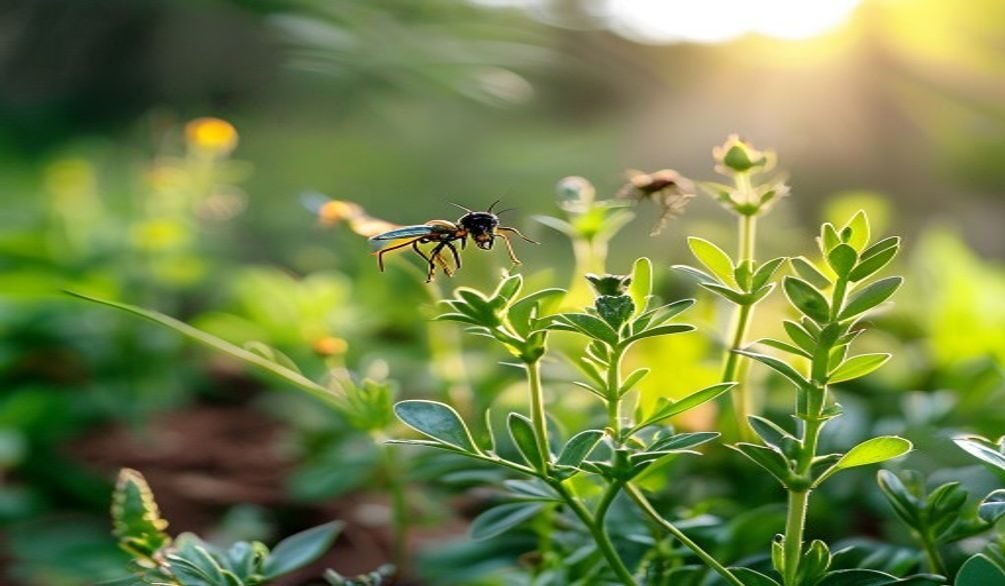
Yes, beneficial insects are incredibly good for flower garden pest control because they naturally prey on harmful pests, providing a sustainable and chemical-free method of keeping your blooms healthy. Introducing these natural predators is a cornerstone of effective biological pest control. Warmer seasons are allowing ticks and mosquitoes to remain active for longer periods in 2026, expanding their range well into fall and winter, according to Dr. Nancy Troyano and Dr. Chad Gore, which means natural predators are more important than ever.
When you’re dealing with common flower garden pests, sometimes the best solution is to invite their enemies over for dinner. I often recommend this to beginners in Chennai, where the humidity can make pest problems persistent. It’s a natural balance, and it’s far safer than spraying.
Key beneficial insects for your garden:
- Ladybugs (Ladybird Beetles): These iconic insects are voracious eaters of aphids, also consuming scale insects, mealybugs, and spider mites. A single ladybug can consume up to 5,000 aphids in its lifetime. You can buy them from suppliers like NaturesGoodGuys.
- Lacewings: The larvae of green lacewings are tiny predators that feast on aphids, thrips, whiteflies, and spider mites.
- Praying Mantises: These larger predators will eat almost any insect, including caterpillars and grasshoppers, though they can also sometimes eat beneficials.
- Parasitic Wasps: Tiny wasps that lay their eggs inside or on pests like aphids and whiteflies, effectively killing them as the larvae develop.
- Beneficial Nematodes: Microscopic roundworms that attack soil-dwelling pests like grubs, cutworms, and flea beetle larvae.
Remember, to attract and keep beneficial insects, avoid broad-spectrum pesticides and provide them with nectar and pollen sources through diverse plantings.
What are common flower garden pests and how to identify them?
Common flower garden pests include aphids, spider mites, whiteflies, mealybugs, and caterpillars, and identifying them usually involves observing specific damage patterns and the pests themselves on your plants. Knowing what you’re up against is the first step in effective flower disease and pest management. For example, Spotted lanternflies escalated in populations in 2025, particularly in Maryland, causing significant problems for trees, plants, and gardens by feeding on sap and leaving behind sticky residue.
It’s frustrating to see your beautiful blooms looking sickly, isn’t it? Most people give up on gardening after one failed crop and blame themselves — but 80% of first failures are caused by wrong pot size, wrong season, or wrong soil mix, not wrong technique. Get those three right, and almost any plant becomes easy to grow, including managing common flower garden pests. I’ve often seen gardeners misidentify damage, leading to the wrong treatment. Quick tip: always check both the top and bottom of leaves!
Here’s a quick guide to some frequent culprits and their tell-tale signs:
Aphids
These are tiny, soft-bodied insects, often green, black, pink, or yellow, clustered on new growth, buds, and the undersides of leaves. They suck sap, causing distorted growth, yellowing leaves, and a sticky residue called “honeydew,” which can lead to sooty mold. You’ll often see ants nearby, attracted to the honeydew.
Spider mites
Almost microscopic, these pests are hard to see with the naked eye, but their damage is clear: tiny yellow or white stippling on leaves, followed by a fine webbing on the undersides of leaves or between stems. They thrive in hot, dry conditions and can quickly defoliate a plant. Spider mites on flowers can be particularly damaging to delicate petals.
Whiteflies
Small, white, moth-like insects that fly up in a cloud when disturbed. They feed on the undersides of leaves, causing yellowing and stunted growth, and also excrete honeydew. They’re a common problem on hibiscus and other flowering plants.
Mealybugs
These look like tiny, white, cottony masses found in leaf axils, along stems, and on the undersides of leaves. They suck plant sap, leading to weakened growth and yellowing. They also produce honeydew and can be quite persistent.
Caterpillars and slugs/snails
These larger pests leave obvious holes and chewed edges on leaves and flowers. Slugs and snails often leave a silvery slime trail, especially after rain or in damp conditions. Seeing a bhindi leaf with half-eaten holes is a dead giveaway.
Frequently asked questions
What is the best natural pest control for flowers?
The best natural pest control for flowers involves using neem oil, insecticidal soaps, beneficial insects, and companion planting. These methods offer effective organic flower pest control without harming the environment or beneficial pollinators.
How do i keep bugs off my flowers naturally?
You can keep bugs off your flowers naturally by maintaining good garden hygiene, practicing companion planting with deterrent plants like marigolds, and encouraging beneficial insects. Regularly inspecting your plants for early signs of pests helps prevent infestations from becoming severe.
What are effective organic pest control methods for flowers?
Effective organic pest control methods for flowers include applying neem oil, using insecticidal soaps for soft-bodied pests, and introducing beneficial insects such as ladybugs. These strategies provide a safe and sustainable approach to flower garden pest control.
What to spray on flowers for bugs safely?
To spray on flowers for bugs safely, use organic options like neem oil or insecticidal soaps, which are less harmful to beneficial insects and pollinators. Always follow product instructions and avoid spraying during peak daylight hours when pollinators are most active, ensuring safe pest control for pollinators.
How can companion planting help with flower garden pests?
Companion planting helps with flower garden pests by using specific plants to repel harmful insects or attract beneficial predators. For instance, marigolds are frequently cited for repelling Mexican bean beetles, nematodes, and aphids, according to horticultural studies.
Keeping your blooming beauties vibrant and pest-free doesn’t have to be a battle with harsh chemicals. By embracing natural and organic flower garden pest control methods like companion planting, inviting beneficial insects, and using safe sprays, you can cultivate a thriving, healthy garden. It’s about working with nature, not against it, to ensure your genda, gulab, and other precious flowers flourish. So, take these easy garden pest solutions and watch your flower garden thrive, attracting only the good kind of visitors!