Key Takeaways
- Plant pests and diseases destroy nearly 40% of global crops annually, according to the FAO.
- The global plant disease diagnostics market is projected to reach US$8.9 billion by 2033, growing at a CAGR of 8.1% from 2026, according to a market analysis.
- Crop rotation can reduce soil-borne diseases by up to 90%, especially when following susceptible crops with non-hosts.
- Terracotta pots prevent root rot in humid climates like India’s monsoon season due to their breathability.
- Powdery mildew was the top disease concern for gardeners in 2026, according to the VGN Pest & Disease Survey report.
Most Mumbai balcony gardeners have faced the heartbreak of a once-lush pudina or lal mirch plant suddenly wilting, leaves spotting, or simply giving up, all because they couldn’t prevent plant diseases. It’s a common struggle in India’s varied climates, where humidity and heat can create a perfect storm for pathogens. But you’re not alone in finding this hard, and the good news is, proactive steps can make a huge difference.
Quick Answer: Preventing plant diseases involves choosing resistant varieties, practicing good sanitation, ensuring proper spacing and air circulation, watering wisely at the soil line, and rotating crops to disrupt pathogen life cycles, which can significantly reduce disease incidence in your garden.
What are the best ways to prevent plant diseases?
The best ways to prevent plant diseases involve a combination of strategic gardening practices, focusing on creating an environment where pathogens struggle to thrive. Prevention is key, as “An ounce of prevention is worth a pound of cure,” especially in plant disease control, according to common gardening wisdom.
It’s true, once a disease like powdery mildew or blight takes hold, it’s a battle. In my 10 years of experience with balcony and terrace gardens across India, I’ve learned that being proactive saves so much headache. We’re talking about simple habits that build up strong, resilient plants.
- Choose the Right Spot: Rick Durham, extension professor, Department of Horticulture, emphasizes that “Selecting the right location for your garden is the first step in prevention. Opt for a sunny area with well-drained soil to discourage the growth of pathogens.” For us urban gardeners, this means finding the sunniest spot on your balcony for vegetables like lal mirch or tomatoes.
- Practice Good Sanitation: Always clean your gardening tools, especially after pruning an infected plant. A quick wipe with rubbing alcohol or a 10% bleach solution can stop diseases from spreading between plants.
- Ensure Proper Air Circulation: Overcrowding plants, common in small urban spaces, traps humidity, creating a breeding ground for fungi. Give your plants, like your bhindi or dhania, enough breathing room.
- Water Smartly: Water at the base of the plant in the morning, not the leaves, to allow foliage to dry quickly. Wet leaves, especially overnight, invite fungal issues.
Honestly, these steps might sound basic, but they are the foundation to prevent plant diseases. Most people feel exactly this way when they see a plant struggling, thinking it’s too late. But it’s rarely too late for prevention!
How do you keep plants healthy from disease?
Keeping plants healthy from disease primarily revolves around building their natural resilience and minimizing stress factors, as healthy plants are inherently more resistant to pathogens. Norman Borlaug, Nobel Peace Prize laureate, stated, “Plant diseases, drought, desolation, despair were recurrent catastrophes during the ages,” highlighting the historical struggle against plant ailments.
Think of it like us humans; when we’re well-fed and rested, we’re less likely to catch a cold. Plants are similar. For instance, my tulsi plants in Pune’s mild climate rarely get sick if I ensure they have good drainage and enough sun. But the ones I tried to grow in a shady corner in Mumbai, with all that humidity? Constant struggle.
Here are some healthy garden practices to prevent plant diseases:
- Nutrient Balance: Don’t over-fertilize, especially with nitrogen, which can encourage lush, soft growth that’s more susceptible to pests and diseases. For instance, I tried liquid seaweed fertilizer on my hibiscus expecting faster flowering – got 3 new leaves and no flowers for 8 weeks. The seaweed was pushing vegetative growth because the plant was already in a nitrogen-rich soil. Lesson learned: understand what your plant needs before adding any fertilizer.
- Regular Inspection: Abha Gupta, M.S., CANNA Horticulturist, advises, “Keeping a careful eye over your plants and maintaining your conditions and ventilation is essential for pest prevention.” Catching small issues early is crucial. Look for discolored leaves, unusual spots, or stunted growth.
- Pruning for Airflow: Remove dead or yellowing leaves and branches. This not only improves air circulation but also removes potential disease entry points or existing infected tissue. For example, pruning the lower leaves of tomato plants helps prevent soil-borne diseases from splashing up.
- Proper Watering: Overwatering is a silent killer, especially in containers during the monsoon. It leads to root rot, a common plant disease. Let the top inch or two of soil dry out before watering again.
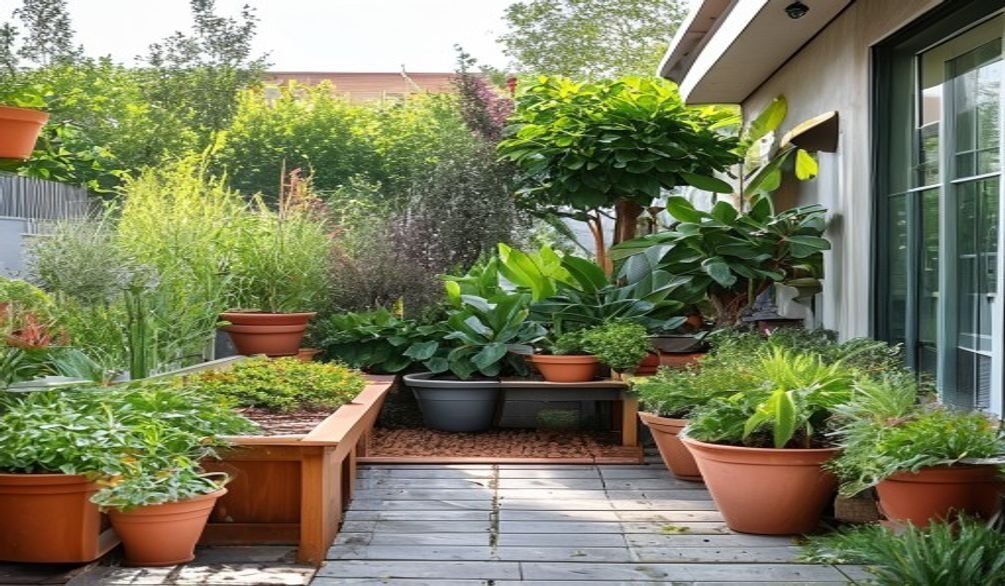
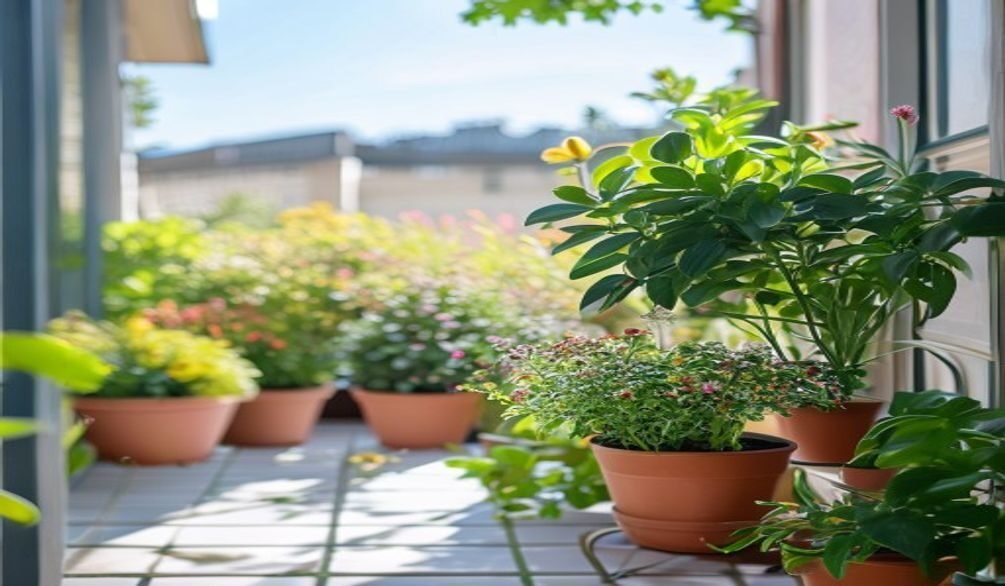
You might have heard that plastic pots are better because they retain moisture. In practice, for most Indian balcony plants, terracotta pots outperform plastic. Yes, they dry faster and cost more (often ₹80-150 more for a decent size), but the breathability prevents root rot, which is the number one killer of container plants in India’s humid monsoon months. It’s a small investment that really helps prevent plant diseases.
What role does soil health play in disease prevention?
Soil health plays an absolutely critical role in disease prevention because a vibrant, living soil environment nurtures strong roots and hosts beneficial microorganisms that can suppress pathogens. The Brooklyn Botanic Garden states, “Prevention is the key to plant-disease control. This is true whether a disease is infectious… or non-infectious,” and healthy soil is fundamental to this.
Think of your soil as the plant’s immune system. If the soil is depleted, compacted, or waterlogged, your plants are fighting an uphill battle before they even sprout. This is why I always stress starting with good soil, whether you’re growing haldi or methi.
Here’s how healthy garden soil supports your efforts to prevent plant diseases:
- Beneficial Microbes: Healthy soil teems with beneficial bacteria and fungi that compete with disease-causing pathogens for resources, and some even produce compounds that inhibit pathogens.
- Good Drainage: Well-draining soil prevents waterlogging, which can suffocate roots and create anaerobic conditions where root rot fungi thrive. If you’re struggling with drainage, check out Improve Vegetable Garden Drainage: 5 Fast Ways to Solve Issues.
- Nutrient Availability: Rich, organic soil provides a steady supply of essential nutrients, leading to robust plant growth and better disease resistance.
I once tested cocopeat from three different brands in 2023 – COCO COIR, Royal, and a local loose brand from the nursery. The loose brand had salt residue that burned my seedling roots. I had to wash it 4 times before it was safe to use. Branded cocopeat costs ₹80–120 more per block but saves a ruined batch, and more importantly, ensures your soil base isn’t harming your plants from day one. You want to give your plants the best chance to prevent plant diseases.
How can crop rotation stop plant diseases from spreading?
Crop rotation stops plant diseases from spreading by disrupting the life cycles of soil-borne pathogens and pests that tend to accumulate when the same crop is grown repeatedly in the same spot. Tomato bacterial spot infections, for example, increased from 15% to 89% over three years of consecutive planting, starkly highlighting the importance of crop rotation.
This is a big one, especially if you have a small garden and feel limited. Crop rotation is like hitting the reset button on your garden bed. Many pathogens are specific to certain plant families. So, if you keep planting tomatoes (Solanaceae family) in the same pot or bed year after year, you’re essentially building up a pathogen factory for tomato diseases.
Here’s a simple way to practice crop rotation to prevent plant diseases:
| Season/Year 1 | Season/Year 2 | Season/Year 3 |
|---|---|---|
| Plot A: Tomatoes, Brinjals (Solanaceae) | Plot A: Beans, Peas (Legumes) | Plot A: Onions, Garlic (Alliums) |
| Plot B: Beans, Peas (Legumes) | Plot B: Cabbage, Radish (Brassicas) | Plot B: Tomatoes, Brinjals (Solanaceae) |
Rotating plant families each season helps disrupt disease cycles; for instance, following tomatoes (nightshades) with beans (legumes) or onions (alliums) can reduce soil-borne diseases by up to 90%, according to some studies. This strategy is vital for a disease free garden. It’s a simple step, but it’s incredibly effective to prevent plant diseases from becoming a recurring nightmare.
Are there disease-resistant plant varieties to consider?
Yes, absolutely, there are many disease-resistant plant varieties available, and choosing them is one of the most straightforward and effective ways to prevent plant diseases in your garden. Selecting tomato varieties resistant to blight and wilt is a key preventative measure, for example.
This is where a little research goes a long way. When you’re buying seeds or saplings from your local nursery or online on Ugaoo or Nurserylive, look for varieties explicitly labeled as “disease-resistant” or “tolerant” to common issues in your area. For instance, in humid Bangalore, I look for chilli varieties resistant to leaf curl, which is a common problem.
Here are a few examples and considerations:
- Tomatoes: Look for varieties marked ‘VFN’ which indicates resistance to Verticillium wilt, Fusarium wilt, and Nematodes. Pusa Ruby is a good option for containers, and many hybrids offer multiple disease resistances.
- Cucumbers: Many cucumber varieties are bred for resistance to powdery mildew and downy mildew, which are very common fungal issues, especially during the monsoon.
- Roses: If you love roses, choose varieties known for black spot resistance to avoid constant spraying.
- Local Advice: Your local agricultural extension office or experienced nursery staff can often recommend varieties that perform well against specific diseases prevalent in your region.
This approach significantly reduces the need for chemical interventions and makes your garden much easier to manage, helping you prevent plant diseases right from the start. It’s truly a foundational aspect of organic plant disease prevention.
What specific products or tools aid in disease prevention?
Several specific products and tools can significantly aid in disease prevention, acting as protective barriers or early deterrents for common plant ailments. The plant disease diagnostics market itself is projected to rise from $0.76 billion in 2025 to $0.82 billion in 2026, representing a compound annual growth rate (CAGR) of 7.6%, showing the demand for solutions to prevent plant diseases.
While prevention through good cultural practices is paramount, sometimes you need a little extra help. These aren’t cures, but they can definitely give your plants an edge.
Sanitation tools and sprays
- Pruning Shears and Sanitizer: Clean, sharp pruning shears prevent jagged cuts that invite pathogens. Always sanitize them with rubbing alcohol (easily available at kiryana stores) or a dilute bleach solution (1 part bleach to 9 parts water) between plants, especially if you’re working with something that looks even slightly sick.
- Copper and Sulfur-Based Sprays: Organic treatments such as copper and sulfur-based sprays can help prevent diseases, though they do not cure established infections. These act as fungicides on the plant surface, stopping spores from germinating. You can find these at most large nurseries or online.
- Neem Oil: A fantastic organic option, neem oil works as both an insecticide and a fungicide. It’s excellent for deterring common issues like powdery mildew if applied proactively every 7-10 days, particularly during humid pre-monsoon and monsoon periods.
Advanced prevention methods
- Beneficial Microorganism Products: Products containing beneficial bacteria like Bacillus subtilis (Bt) can be applied to the soil or foliage to outcompete and inhibit disease-causing fungi. Brands like CANNA Continental offer Integrated Pest Management products like CANNA Control, a foliar spray with thyme oil.
- Fungicides: For larger-scale or more persistent issues, professional-grade fungicides exist. Brands like Corteva Agriscience offer fungicides such as Aproach Prima, designed to prevent crop diseases like tar spot in corn and white mold in soybeans. These can offer preventative and curative action and residual control.
- Trunk Injection Systems: For trees, systems like Mauget’s Tree Defendr deliver fungicides directly into the tree’s vascular tissue for long-lasting protection, which is more common in commercial settings but shows the range of tools available to prevent plant diseases.
Remember, these are tools to support your good gardening habits, not replacements for them. Start simple, observe your plants, and introduce these aids as needed.
When should you seek expert advice for plant diseases?
You should seek expert advice for plant diseases when your efforts at prevention and early intervention aren’t working, or when you encounter symptoms you can’t identify, especially if the disease starts spreading rapidly. Plant pests and diseases destroy nearly 40% of global crops annually, according to the FAO, so knowing when to call in the pros is crucial to minimize losses.
It’s easy to feel overwhelmed, especially with something like a stubborn leaf spot on your dhania or a mysterious blight on your tomato plants. We’ve all been there. Sometimes, a quick Google search isn’t enough, and that’s perfectly okay.
Consider reaching out to an expert if:
- Symptoms are Unclear: You’ve looked up common plant diseases, but your plant’s symptoms don’t quite match anything.
- Rapid Spread: The disease is quickly affecting multiple plants or entire sections of your garden, suggesting a highly virulent pathogen.
- Valuable Plants at Risk: You have a particularly cherished or expensive plant that you don’t want to lose.
- Ineffective Treatments: You’ve tried several preventative or organic treatments, and the problem persists or worsens.
- Local Extension Services: Many agricultural universities in India have extension services that offer free or low-cost plant disease diagnosis. They often have labs where you can send samples.
- Nursery Experts: Reputable nurseries sometimes have staff with deep knowledge of local plant issues.
Don’t hesitate to seek help. A professional diagnosis can save your garden from widespread damage and teach you valuable lessons for future prevention. It’s all part of the journey to prevent plant diseases effectively.
Frequently asked questions
How do you stop plant diseases from spreading?
You stop plant diseases from spreading by isolating infected plants, sanitizing tools, removing diseased plant parts, and avoiding overhead watering. Prompt removal of infected leaves can prevent further spread, as seen with powdery mildew on cucurbits.
What are the 5 ways to control plant disease?
Five key ways to control plant disease include selecting resistant varieties, practicing crop rotation, maintaining good garden sanitation, ensuring proper plant spacing for air circulation, and watering correctly at the soil line. Powdery mildew topped the list of disease trouble spots in 2026, according to the VGN Pest & Disease Survey report, highlighting the need for these controls.
How do you keep plants healthy from disease?
Keeping plants healthy from disease involves providing optimal growing conditions like adequate sunlight, balanced nutrients, well-drained soil, and consistent moisture. Strong, healthy plants are naturally more resilient against pathogens and less likely to succumb to common plant diseases.
What are the three ways to prevent disease?
Three primary ways to prevent plant disease are choosing disease-resistant plant varieties, implementing crop rotation to break disease cycles, and practicing excellent garden hygiene, including tool sanitation and removing plant debris. These methods significantly reduce the presence and spread of pathogens.
Learning to prevent plant diseases is a continuous journey, but it’s one that rewards you with a flourishing, healthy garden. By focusing on good soil health, smart watering, proper spacing, and choosing resistant varieties, you’re not just reacting to problems — you’re building a resilient ecosystem. Don’t be afraid to experiment, observe your plants closely, and remember, a little proactive care goes a long way in keeping your green friends happy and disease-free. Keep tending, keep learning, and enjoy the bounty of your efforts!