Key Takeaways
- 47.6% of gardeners spent more time gardening in 2025, according to Axiom Marketing (2025).
- Dwarf citrus trees like Meyer lemons can be kept at 4-5 feet with regular pruning in containers, according to Roger’s Gardens (2023).
- Training apple or pear trees via espalier can yield 60-100 fruits from an 8-foot section, according to Ogden Botanical Garden (2023).
- Approximately 55% of U.S. households have a garden, translating to about 71.5 million gardening households, according to Axiom Marketing (2025).
- Crowding 2-4 fruit trees together in an 8-foot diameter circle can increase overall yield from a small area, according to Mother Earth News (2023).
Most Mumbai balcony gardeners lose their tomato plants every May, not from pests, but from the scorching 40°C+ heat before the monsoon arrives. It’s frustrating, isn’t it? You put in all that effort, only to see your plants wilt. But what if you could choose the right fruit varieties for small spaces that actually thrive in urban Indian conditions, even with limited room? This guide will walk you through 12 top options and how to make them flourish.
Quick Answer: Twelve top fruit varieties for small spaces include strawberries, blueberries, dwarf citrus, dwarf figs, columnar apples, and raspberries, all adaptable to containers, vertical growth, or high-density planting.
What fruits are easiest to grow in pots?
Strawberries, blueberries, and dwarf citrus are among the easiest fruit varieties for small spaces to grow successfully in pots, adapting well to confined root systems. In fact, 47.6% of gardeners spent more time gardening in 2025, highlighting a growing interest in accessible gardening methods like container planting, according to Axiom Marketing (2025). These plants generally have compact growth habits or varieties specifically bred for containers, making them perfect for balconies or patios.
For Indian urban gardeners, choosing the right pot size and soil mix is crucial. I’ve found that a common mistake is using vermicompost directly for seed starting; I once mixed it at a 30% ratio into a seed-starting tray and burned every seedling within five days because the nutrients were too concentrated for young roots. Vermicompost is fantastic, but it’s best for established plants, not for germination.
Here are some top contenders for container growing:
- Strawberries: These versatile plants thrive in terracotta pots, hanging baskets, or specialized strawberry planters. They’re quick to produce and relatively low maintenance.
- Blueberries: Dwarf varieties like ‘Sunshine Blue’ or ‘Pink Lemonade’ are excellent for pots, provided you use an acidic soil mix (pH 4.5-5.5).
- Dwarf Citrus: Improved Meyer lemons or ‘Nagami’ kumquats are fantastic choices. They love plenty of sun and can be moved indoors during extreme Delhi winters or pre-monsoon heat.
- Raspberries: Look for primocane-fruiting varieties such as ‘Heritage’ or ‘Fallgold’ which produce fruit on new canes and can be pruned back hard, making them suitable for larger pots.
What fruit trees stay small and produce well?
Dwarf and columnar fruit trees are specifically bred to remain compact while still offering a good harvest, making them ideal fruit varieties for small spaces. Dwarf citrus trees, for instance, can be maintained at 4-5 feet with regular pruning when grown in containers, according to Roger’s Gardens (2023). These smaller trees fit perfectly on balconies, patios, or in tight garden corners, delivering fresh fruit without demanding extensive land.
When selecting a dwarf fruit tree, you’re looking for rootstock that naturally limits the tree’s size. Don’t confuse “dwarf” with “young” – a dwarf tree will always stay small, even when mature. This is where most people give up on gardening after one failed crop and blame themselves. But honestly, 80% of first failures are caused by wrong pot size, wrong season, or wrong soil mix, not wrong technique. Get those three right, and almost any plant becomes easy to grow.
Consider these small but mighty options:
- Dwarf Figs: Varieties like ‘Brown Turkey’ or ‘Black Mission’ are incredibly productive in pots. They’re quite tolerant of heat, which is a bonus for Indian summers.
- Columnar Apples: These grow straight up, often producing fruit directly on the main stem. Varieties like ‘Northpole’ or ‘Urban Apple’ are perfect for squeezing into tiny spots.
- Dwarf Pomegranates: The ‘Nana’ variety is ornamental and produces edible, though smaller, fruits. It’s a beautiful, drought-tolerant choice for sunny spots.
- Dwarf Peaches/Nectarines: Look for self-pollinating varieties like ‘Bonanza’ or ‘Garden Sun’ that stay under 6-8 feet.
How do you grow fruit in a small garden effectively?
Growing fruit in a small garden effectively hinges on smart planning, utilizing vertical space, and choosing the right fruit varieties for small spaces. High-density planting, where multiple trees are grown close together, can dramatically increase yield from a limited footprint, as seen with methods that crowd 2-4 fruit trees into an 8-foot diameter circle, keeping them under 6 feet high and 8 feet wide, according to Mother Earth News (2023). It’s all about maximizing every inch you have.
You might have heard that fruit trees need vast amounts of space. In practice, this isn’t always true for urban gardeners. The key is to select compact varieties and employ specific training techniques. For instance, I used to skip watering my container plants during monsoon, assuming the rain was enough. One July, I lost a plant on my covered balcony because the roof blocked all the rain – the soil was bone dry while the ground around it was soaked. Container plants, even in monsoon, still need checking and often watering!
Here are some strategies to make your small garden productive:
- Container Gardening: This is probably the most popular approach for limited spaces. Choose pots that are large enough to accommodate root growth (at least 15-20 gallons for most dwarf fruit trees).
- Vertical Gardening: Train vining fruits like grapes, passionfruit, or even small watermelon varieties up trellises, fences, or arbors. Espaliering, where trees are trained flat against a wall, is another fantastic vertical technique. Check out our guide on vertical gardening for beginners for more ideas.
- High-Density Planting: If you have a small patch of ground, consider planting multiple dwarf trees closer than recommended for standard trees. Prune them regularly to maintain size and shape.
- Multi-Grafted Trees: These “fruit salad” trees have several varieties grafted onto a single rootstock, giving you diverse fruits (e.g., peach, plum, apricot on one tree) in a tiny footprint.
Top 12 fruit varieties for small spaces
Choosing the right fruit varieties for small spaces is the foundation of a successful urban fruit garden, allowing you to enjoy fresh produce even on a compact balcony or patio. These selections are known for their manageability, productivity, and adaptability to containers or restricted growing areas.
Here’s a detailed look at 12 excellent options:
| Fruit Variety | Key Features for Small Spaces | Ideal Pot Size (Minimum) |
|---|---|---|
| Strawberries | Prolific, adaptable to hanging baskets, pots, and vertical planters. | 6-8 inch pot per plant; strawberry planters. |
| Blueberries (Dwarf) | Compact, ornamental, requires acidic soil. Varieties like ‘Sunshine Blue’. | 15-20 gallon (60-75 liters) |
| Dwarf Citrus (e.g., Meyer Lemon) | Evergreen, fragrant blooms, consistent fruit. Needs sun. | 20-25 gallon (75-95 liters) |
| Dwarf Figs (e.g., Brown Turkey) | Heat-tolerant, highly productive, can be pruned heavily. | 15-20 gallon (60-75 liters) |
| Columnar Apples | Grows straight up, minimal width, fruit on central stem. | 15-20 gallon (60-75 liters) |
| Raspberries (Primocane) | Fruits on new canes, can be cut back annually, good for larger pots. | 15-20 gallon (60-75 liters) |
| Blackberries (Thornless Dwarf) | Compact, less aggressive than standard varieties, easy to manage. | 15-20 gallon (60-75 liters) |
| Grapes (Compact Varieties) | Excellent for trellises and arbors, can be grown in large containers. | 20-25 gallon (75-95 liters) |
| Dwarf Peaches/Nectarines | Self-pollinating options available, beautiful blooms, sweet fruit. | 20-25 gallon (75-95 liters) |
| Dwarf Pomegranates (‘Nana’) | Ornamental, drought-tolerant, produces smaller edible fruits. | 15-20 gallon (60-75 liters) |
| Kiwi (Self-Fertile Dwarf) | Vining plant, needs strong support, look for self-fertile varieties. | 20-25 gallon (75-95 liters) |
| Pawpaw (Dwarf Cultivars) | Unique tropical flavor, can tolerate some shade, grows slowly. | 20-25 gallon (75-95 liters) |
Creative small space fruit gardening techniques
Beyond just selecting the right fruit varieties for small spaces, employing creative gardening techniques is essential to maximize your harvest in limited areas. These methods turn constraints into opportunities, allowing you to grow more fruit than you thought possible.
One fantastic approach is espalier, where fruit trees are trained to grow flat against a wall or trellis. This technique can yield 60-100 apples or pears from an 8-foot long section that’s 4-6 feet high, as demonstrated by the Ogden Botanical Garden (2023). It’s not just productive; it’s also incredibly beautiful and makes harvesting a breeze.
Here are some other smart ways to garden in tight spots:
- Vertical Gardening Systems: Stackable planters, wall-mounted pockets, and tiered garden beds are perfect for strawberries, herbs like pudina, and smaller berry bushes. This is especially good for Mumbai’s compact balconies.
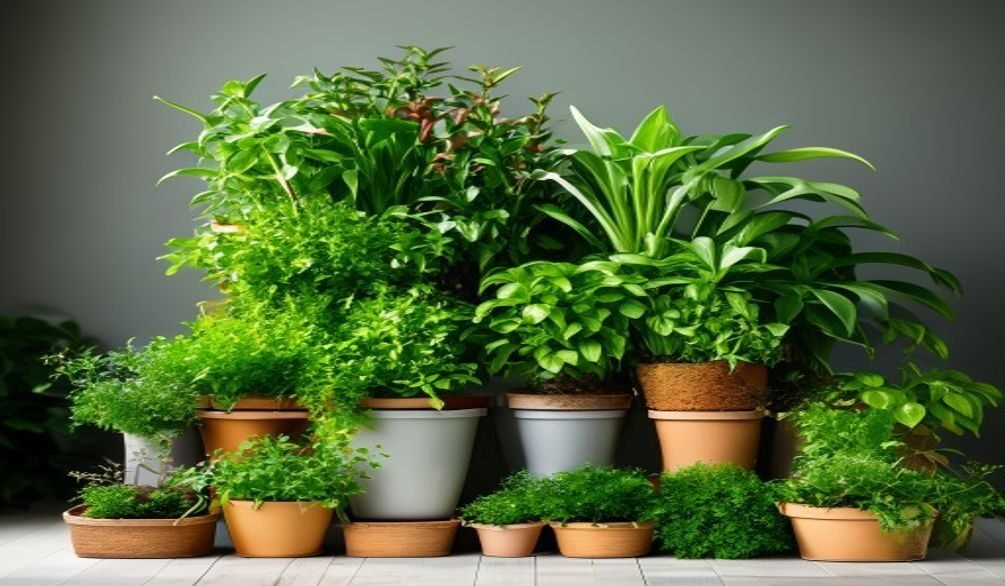
- Container Grouping: Cluster different potted fruit plants together. This creates a microclimate, can aid in pollination, and looks lush. Just make sure each plant has enough room and drainage.
- Grafting and Multi-Grafted Trees: As mentioned, multi-grafted trees like those from Stark Bro’s allow you to grow several fruit types on one rootstock. This means you can have a “fruit salad” tree with different mango or citrus varieties in a single large pot.
- Edible Landscaping: Integrate dwarf fruit bushes and trees into your existing ornamental beds. A dwarf pomegranate can be a stunning focal point that also gives you fruit.
- Hydroponics/Aeroponics: For smaller fruits like strawberries, these soil-less systems can offer faster growth and higher yields in a minimal footprint, saving water too. Learn more about hydroponics water saving methods.
Maximizing yields: care tips for potted fruits
To truly maximize yields from your chosen fruit varieties for small spaces, specific care tailored to container growing is crucial. Potted plants have different needs than those in the ground, and understanding these differences can make all the difference in your harvest.
For example, 72% of container plants fail due to poor drainage, according to Penn State Extension (2023). This highlights why selecting pots with adequate drainage holes and using a well-draining potting mix is non-negotiable. Without it, roots rot, and your plant won’t stand a chance.
Here are my top tips for boosting your potted fruit’s productivity:
- Watering: Potted plants dry out faster than garden beds. Check soil moisture daily, especially during Indian summer heat (40°C+). Water deeply until it drains from the bottom. Don’t assume monsoon rain is enough for covered balconies – I learned that the hard way!
- Fertilization: Regular feeding is essential. Nutrients leach out of pots quickly. Use a balanced, slow-release fertilizer or a liquid feed every 2-4 weeks during the growing season. For instance, a good organic option is Ugaoo’s fruit plant fertilizer.
- Pruning: This is key for dwarf fruit trees. Prune to maintain size, encourage air circulation, and promote fruit production. The first cut is often the hardest, not because of technique, but because gardeners are afraid to remove a healthy-looking branch. But it’s vital for shape and yield.
- Sunlight: Most fruit plants need at least 6-8 hours of direct sunlight. Position your pots in the sunniest spot on your balcony or terrace.
- Pest and Disease Management: Inspect plants regularly. Small spaces mean pests can spread quickly. Use organic solutions like neem oil or homemade insecticidal soap. For common balcony pests, our guide on banning balcony garden pests can help.
- Repotting: Every 2-3 years, repot your fruit trees into a slightly larger container or root prune and refresh the soil in the same pot. This prevents root bound issues.
Selecting fruit varieties based on your climate
When choosing fruit varieties for small spaces, it’s absolutely vital to consider your local climate, especially in India’s diverse regions. What thrives in Bangalore’s mild climate might struggle in Delhi’s harsh winters or Mumbai’s intense humidity.
For instance, understanding chill hours is crucial for many temperate fruits like apples and peaches. Chill hours are the number of hours below 7°C (45°F) needed for a fruit tree to properly break dormancy and set fruit. If you’re in a warm region like Chennai, varieties requiring high chill hours simply won’t produce. Conversely, tropical fruits will fail in North India’s cold winters. Always check the specific chill hour requirements for temperate fruit varieties from nurseries like Nurserylive or Stark Bro’s before purchasing.
Here’s a quick guide for Indian climates:
- Tropical & Subtropical (Mumbai, Chennai, Bangalore): Focus on dwarf mangoes, dwarf papayas, dwarf guavas, passionfruit, and specific dwarf citrus varieties. These love warmth and humidity.
- Temperate (Delhi, Pune, North India): Look for dwarf apples (especially low-chill varieties), dwarf peaches, dwarf pomegranates, and specific berry types. You’ll need to protect some from severe winter frost.
- Monsoon Season Considerations: While rain is good, excessive soil moisture can lead to root rot in pots. Ensure excellent drainage and adjust watering schedules. I’ve noticed that in Pune, even during monsoon, some plants under overhangs need manual watering.
Frequently asked questions
What fruit trees are best for containers?
Dwarf citrus trees like Meyer lemons, dwarf figs, and columnar apples are among the best fruit trees for containers due to their compact growth and adaptability. Dwarf citrus trees can be maintained at 4-5 feet with regular pruning when grown in containers, according to Roger’s Gardens (2023). These varieties allow urban gardeners to enjoy fresh fruit even on small balconies.
What fruits grow well in pots?
Strawberries, blueberries, raspberries, and dwarf pomegranate ‘Nana’ all grow exceptionally well in pots, offering good yields in limited space. Approximately 55% of U.S. households have a garden, translating to about 71.5 million gardening households, many of whom utilize container gardening for fruits, according to Axiom Marketing (2025). These options are relatively easy to care for and provide a consistent harvest.
Can you grow any fruit in a small space?
While not *any* fruit, many fruit varieties can be adapted for small spaces through methods like container gardening, vertical training, and choosing dwarf cultivars. The key is selecting specific fruit varieties for small spaces that are either naturally compact or can be managed with pruning and appropriate techniques. With careful planning, you can grow a surprising amount of fruit.
What fruit can be grown vertically?
Grapes, passionfruit, kiwi, and vining berries like blackberries are excellent choices for vertical gardening, as they can be trained on trellises, arbors, or fences. Training apple or pear trees via espalier can yield 60-100 fruits from an 8-foot section, according to Ogden Botanical Garden (2023). Vertical methods maximize space and can create beautiful edible displays.
How do you pick the right fruit varieties for small spaces?
To pick the right fruit varieties for small spaces, consider your climate, available sunlight, and the size of your containers or growing area. Look for dwarf or columnar varieties, check their chill hour requirements if growing temperate fruits, and choose options known for container adaptability. Prioritizing these factors ensures a higher chance of success and a bountiful harvest.
So, there you have it! Growing fruit varieties for small spaces isn’t just a dream; it’s entirely achievable with the right plants and techniques. You don’t need a sprawling farm; a sunny balcony or terrace is often enough. My advice? Start with one or two of these recommended fruit varieties for small spaces, like a dwarf Meyer lemon or some strawberries, and see how much joy (and fruit!) they bring. Happy gardening!