Key Takeaways
- The global vertical garden system market reached $1.8 billion in 2025, according to market data.
- Asia Pacific led the vertical garden system market, holding 42.3% of global revenue in 2025.
- Vertical gardening can increase yields and save space, making it ideal for urban environments.
- Hydroponics dominated the vertical farming market share in 2025, according to industry reports.
- Cherry tomatoes and pudina are among the easiest plants for beginners to grow vertically.
Most Mumbai balcony gardeners often feel frustrated trying to grow their favorite veggies, thinking they need a huge plot of land or a big garden, but that’s simply not true. With vertical gardening for beginners, you can transform even the smallest balcony or terrace into a thriving green space. This guide will walk you through 12 easy steps to get your vertical garden up and running, helping you maximize your yields and enjoy fresh produce right at home.
Quick Answer: Vertical gardening involves growing plants upward using structures like trellises, walls, or stacked containers to maximize space and increase yields. It’s ideal for small areas, urban environments, or enhancing existing gardens by utilizing vertical dimensions efficiently.
What is vertical gardening for beginners?
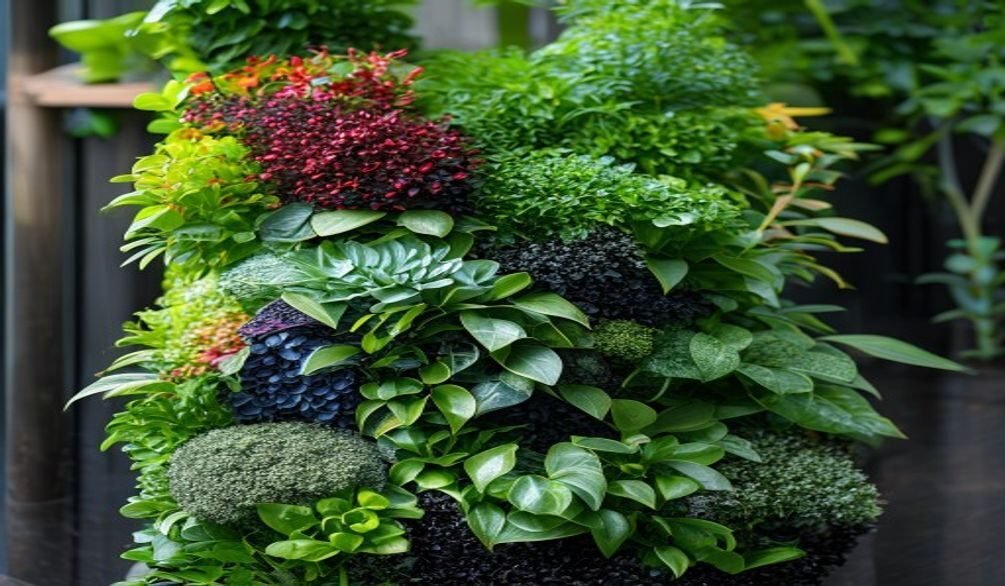
Vertical gardening for beginners is all about growing plants upwards rather than outwards, using structures like walls, trellises, or stacked containers to save space and increase your harvest. The vertical gardening segment is projected to grow at a compound annual growth rate of approximately 8% over the next five years, fueled by government initiatives promoting green infrastructure (2026 data). It’s a fantastic solution if you have a small balcony, a cramped terrace, or just want to add some green to a bare wall. Think of it as painting with plants on a vertical canvas!
It’s a really smart way to garden, especially in bustling Indian cities where space is a luxury. You can grow a surprising amount of food in a tiny footprint, making fresh produce accessible even if you live in an apartment. Plus, it adds a beautiful aesthetic touch to your home.
What are the types of vertical garden systems?
There are several types of vertical garden systems, each with its own advantages, making vertical gardening for beginners quite flexible. The global vertical garden system market reached $1.8 billion in 2025, according to market data, showing just how popular these systems have become. You’ve got options from simple DIY setups to more advanced smart systems.
Here are some common types:
- Wall-Mounted Planters: These are individual pots or fabric pockets attached directly to a wall or fence. They’re great for herbs like pudina and dhania, or small flowering plants.
- Stackable Planters: These systems consist of multiple tiers that stack on top of each other, often with a central watering system. GreenStalk Vertical Planters are a popular brand known for their self-watering design.
- Trellises and Arbors: While not strictly “vertical gardens” in the planter sense, trellises encourage climbing plants like bitter gourd (karela) or bottle gourd (lauki) to grow upwards, utilizing vertical space.
- Pocket Planters/Living Walls: These are fabric or plastic panels with multiple pockets where you can plant directly. They create a lush “living wall” effect and are fantastic for leafy greens.
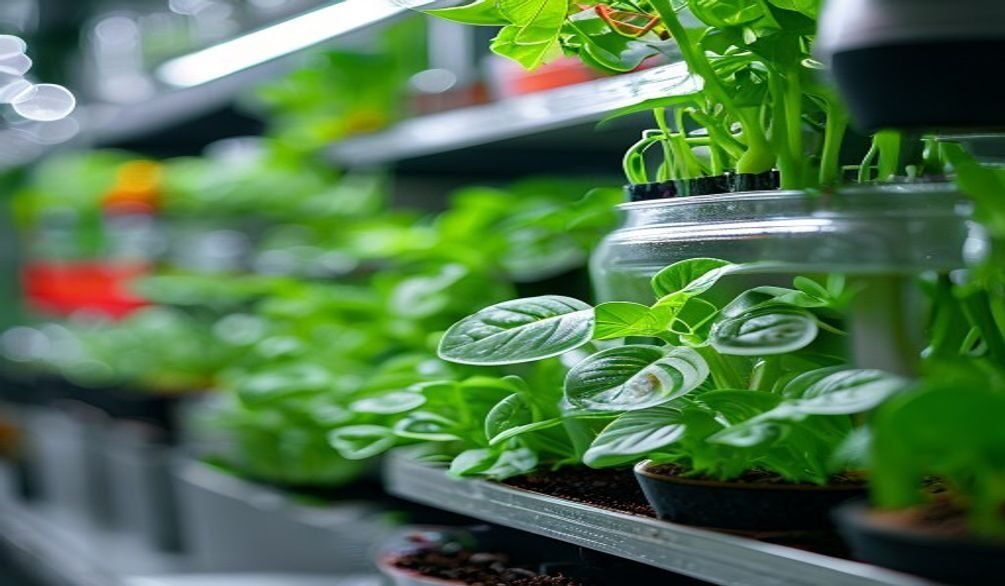
- Hydroponic Vertical Systems: These advanced systems grow plants without soil, using nutrient-rich water. Brands like Lettuce Grow and Gardyn offer home kits that use significantly less water – Lettuce Grow’s Original Farmstand uses 95% less water than soil-based equivalents. Hydroponics accounted for the largest market share in the vertical farming market in 2025.
From my experience, while hydroponics sounds fancy, for true vertical gardening for beginners, starting with wall-mounted or stackable planters is usually the easiest route. You can always upgrade later!
What are the easiest plants to grow in a vertical garden?
Choosing the right plants is crucial for successful vertical gardening for beginners, and thankfully, many common Indian vegetables and herbs thrive in these setups. You’ll want plants that don’t need a huge root system or spread out too much horizontally.
Here’s a list of easy-to-grow vertical garden plants:
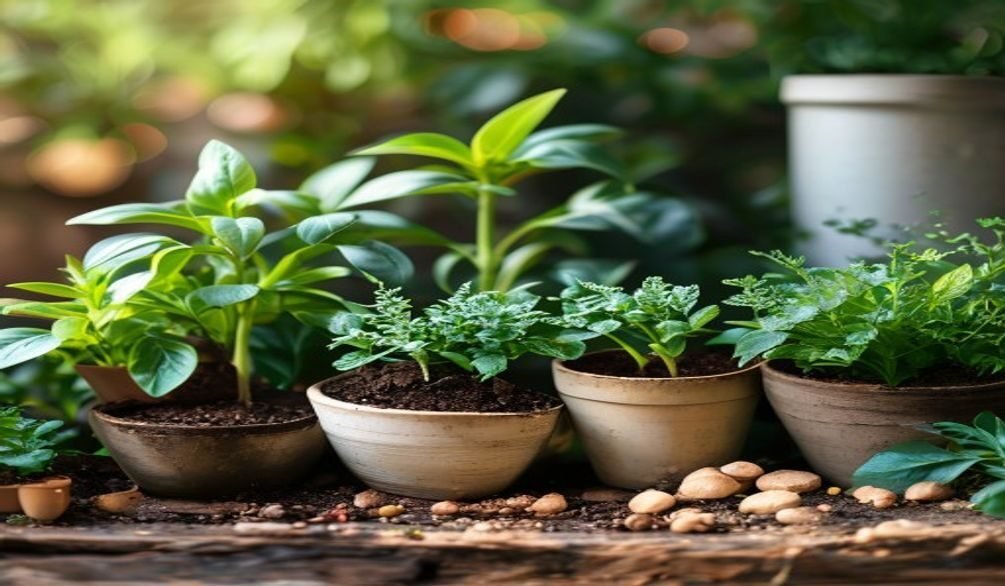
- Herbs: Pudina (mint), dhania (coriander), tulsi, and fenugreek (methi) are fantastic. They don’t need deep roots and can be harvested regularly.
- Leafy Greens: Spinach, lettuce, and kale grow quickly and are perfect for pocket planters or stacked systems.
- Strawberries: These berry plants trail beautifully and produce sweet fruit, making them ideal for cascading down a vertical structure.
- Cherry Tomatoes: Unlike large heirloom varieties, cherry tomatoes like Pusa Ruby work better in containers and can be trained up a small trellis within your vertical setup.
- Bush Beans: Look for bush varieties that don’t vine too aggressively.
- Succulents: If you’re more into ornamental gardening, succulents are incredibly low-maintenance and look stunning in living walls.
Quick tip: When picking out plants, think about their growth habit. Vining plants will need support, while compact herbs and greens fit neatly into pockets. I’ve seen many people try to grow big brinjal or pumpkin in small vertical pockets, and it rarely works out because the plants get too heavy.
How do you set up a vertical garden?
Setting up your vertical garden doesn’t have to be complicated, and with these 12 steps, even vertical gardening for beginners will feel achievable. The key is planning and choosing the right location.
Here’s how you can make a vertical garden setup:
- Choose Your Location: Most vegetables and herbs need at least 6 hours of direct sunlight. Scout your balcony or terrace – does it get morning sun, afternoon sun, or both? This will dictate what you can grow.
- Select Your System: Based on your space and budget, pick a system. Will it be DIY vertical garden shelves, wall-mounted pots, or a ready-made stackable planter?
- Gather Your Materials: For a DIY setup, this could mean old wooden pallets, plastic bottles, or even repurposed gutters. For ready-made systems, you’ll need the planter unit itself.
- Prepare Your Growing Medium: Don’t just use garden soil. For containers, a good potting mix is essential. Most Indian gardening content recommends adding too much compost — a 50% compost ratio in containers actually suffocates roots because it holds too much moisture in our humid climate. 20–30% is the sweet spot for most vegetables. I usually mix cocopeat (50%), garden soil (20%), and vermicompost (30%) for my balcony plants.
- Assemble Your Structure: Follow the instructions for your chosen system. If it’s DIY, make sure it’s sturdy and secure.
- Install Drainage: This is critical! Ensure every pot or pocket has drainage holes to prevent waterlogging. 72% of container plants fail due to poor drainage, according to Penn State Extension (2023).
- Fill with Potting Mix: Fill your chosen containers or pockets with your prepared potting mix.
- Plant Your Seedlings or Seeds: Gently place your plants or sow seeds according to their specific requirements. Space them appropriately to allow for growth.
- Water Thoroughly: Give your newly planted vertical garden a good, gentle watering to settle the soil.
- Provide Support (if needed): For vining plants, add small trellises or stakes as they grow.
- Monitor Sunlight: Observe how the sun hits your plants throughout the day. You might need to rotate containers or adjust your setup.
- Enjoy Your Green Space: Step back and appreciate your new vertical garden! It’s a rewarding feeling.
My neighbour grew tomatoes in a black plastic pot on her Mumbai terrace and got nothing two summers in a row. The problem? Black plastic heats up to 55°C in direct sun — it cooks the roots silently. We switched her to a terracotta pot with the same soil mix and she got her first harvest in 8 weeks. It’s a small detail, but it makes a huge difference in our Indian summers.
Tips for maintaining your vertical garden
Once your vertical garden is set up, a little consistent care goes a long way in keeping it thriving. Maintaining a vertical gardening for beginners setup is quite similar to traditional container gardening, but with a few unique considerations.
Here are some essential maintenance tips:
- Consistent Watering: Vertical gardens, especially those exposed to sun and wind, can dry out faster than ground beds. Check the soil moisture daily, especially during pre-monsoon heat. Water every 2 days in summer, and once in 5 days during monsoon, but always check first.
- Fertilize Regularly: Since nutrients leach out faster in containers, feed your plants with a balanced liquid fertilizer every 2-3 weeks. You can find organic options at local nurseries or online on Ugaoo.
- Pruning and Harvesting: Regularly prune away dead or yellowing leaves to encourage new growth and prevent diseases. Harvest your produce frequently to stimulate more production.
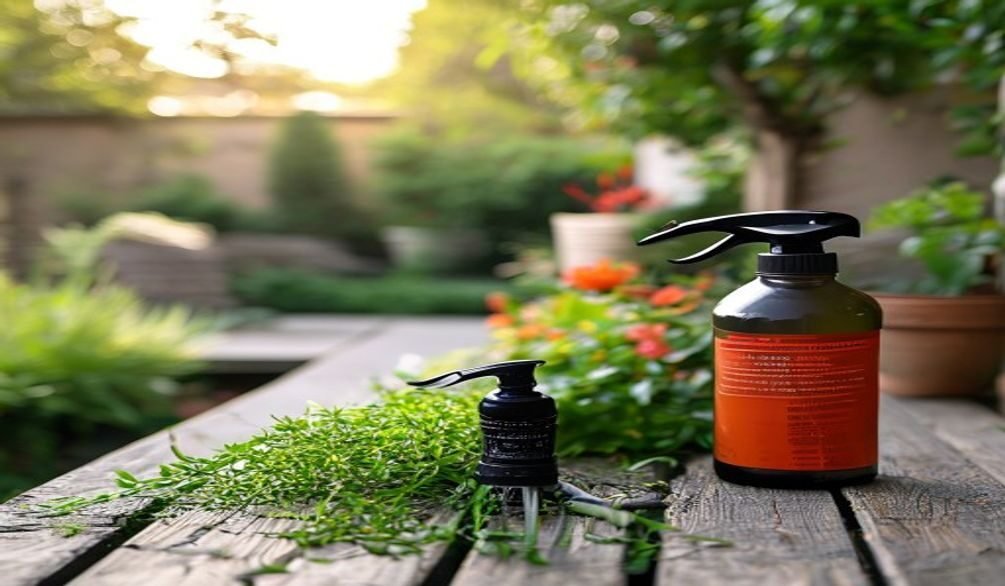
- Pest and Disease Management: Inspect your plants regularly for any signs of pests or diseases. For common issues like aphids, a neem oil spray (available at most local nurseries for ₹80–150) can work wonders. Check out our guide on balcony garden pests for more tips.
- Rotate Plants: If some sections of your vertical garden receive less light, consider rotating plants or the entire system if possible, to ensure even growth.
Honestly, the biggest challenge I’ve seen with vertical gardening for beginners is uneven watering. The top plants might get plenty, but water often struggles to reach the bottom layers effectively, especially in tiered systems. Consider a drip irrigation system for larger setups to ensure all plants get their share.
Troubleshooting common vertical gardening issues
Even the most seasoned gardeners face challenges, and vertical gardening for beginners is no exception. Don’t get discouraged if something doesn’t go as planned; it’s all part of the learning process.
Here are some common issues and their solutions:
- Uneven Watering: This is a big one.
- Problem: Top plants thrive, bottom ones wilt.
- Solution: Hand-water each pocket individually, or invest in a slow-drip irrigation system. For stackable planters, ensure water flows evenly through all tiers.
- Pests in Close Quarters:
- Problem: Pests spread quickly due to plant proximity.
- Solution: Regular inspection is key. Remove affected leaves, use organic pest control like neem oil, and introduce beneficial insects if possible.
- Nutrient Deficiency:
- Problem: Yellowing leaves, stunted growth.
- Solution: Increase frequency of liquid organic fertilizer. Ensure your potting mix has a good compost component (remember, 20-30% is ideal for Indian conditions).
- Insufficient Sunlight:
- Problem: Leggy plants, poor flowering/fruiting.
- Solution: Relocate your vertical garden if possible. If not, choose shade-tolerant plants like spinach or lettuce, or consider supplementing with grow lights for indoor setups.
I tried growing capsicum from seeds in December in Delhi. Germination was 90% but plants stalled at 4 inches for 6 weeks because soil temperature was too low for root activity. Added a seedling heat mat and they hit 12 inches in the next 3 weeks. Sometimes, the fix isn’t about water or light, but about temperature, especially during north Indian winters.
What are the disadvantages of a vertical garden?
While vertical gardening offers many benefits, it’s important to be aware of its potential drawbacks, especially when considering vertical gardening for beginners. No gardening method is perfect, and understanding the challenges helps you prepare better.
Here are some disadvantages:
- Higher Initial Cost: Commercial vertical garden systems, especially hydroponic ones, can be quite expensive. DIY options can cut costs but require time and effort.
- More Frequent Watering: As mentioned, plants in vertical systems are often more exposed to air and sun, leading to faster evaporation and the need for more frequent watering.
- Limited Plant Selection: Not all plants are suitable for vertical gardens. You’re generally restricted to smaller, more compact plants or vining varieties that can be trained. Large root vegetables or sprawling plants won’t do well.
- Nutrient Management: Container plants in vertical setups require more diligent nutrient feeding as soil volume is limited and nutrients can leach out quickly.
- Weight Considerations: A fully planted and watered vertical garden can be quite heavy. You need to ensure your wall or structure can support the weight, especially for larger installations.
- Accessibility: Reaching plants at the very top or bottom of a tall vertical garden can sometimes be a challenge for harvesting or pest control.
The truth is, while the space-saving aspect is amazing, you’ll likely spend more time watering and feeding compared to a traditional ground bed. But for urban dwellers, the trade-off is often worth it for fresh produce.
Innovative vertical gardening systems to consider
The world of vertical gardening is constantly evolving, with new technologies making vertical gardening for beginners even more accessible and efficient. These systems often integrate smart features to simplify the growing process.
Here are a few innovative vertical garden ideas:
| System Type | Key Features | Best For |
|---|---|---|
| Hydroponic Towers | Automated watering and nutrient delivery, 95% less water usage, rapid growth. Example: Lettuce Grow’s Original Farmstand. | Maximizing yields in small spaces, tech-savvy gardeners. |
| Hybroponic Home Kits | Combines hydroponic and aeroponic methods, grows many plants in a tiny footprint. Example: Gardyn. | High-density growing, minimal space, advanced beginners. |
| Smart Indoor Gardens | Integrated LED grow lights, self-watering, app control for plant care. Example: Auk Mini and Auk Mini 2. | Countertop herb gardens, year-round growing, busy individuals. |
| Modular Living Walls | Interlocking panels for customizable green walls, often with integrated irrigation. | Creating large aesthetic green spaces, commercial applications, urban landscapes. |
These systems, while sometimes a bigger investment, can dramatically reduce the daily effort needed, making vertical gardening for beginners even more appealing. They solve some of the common issues like uneven watering and nutrient delivery.
Frequently asked questions
What are the 4 types of vertical gardens?
The four main types of vertical gardens typically include wall-mounted planters, stackable container systems, trellises for climbing plants, and living wall panels. Each type offers distinct benefits for maximizing space and plant growth, according to Oklahoma State University Cooperative Extension. For instance, stackable planters are great for herbs and leafy greens.
What are the easiest plants to grow in a vertical garden?
The easiest plants for vertical gardening for beginners include herbs like pudina and dhania, leafy greens such as spinach and lettuce, strawberries, and compact vegetables like cherry tomatoes. These plants have shallow root systems or a vining habit that adapts well to vertical structures. Bonnie Plants offers many suitable starter plants for vertical setups.
What are the disadvantages of a vertical garden?
Disadvantages of a vertical garden include higher initial setup costs, the need for more frequent watering due to increased exposure, and a limited selection of plants suitable for vertical growth. Additionally, managing nutrients in smaller containers can be more challenging than in traditional garden beds. The global vertical garden system market is projected to expand to $4.2 billion by 2034, representing an 11.2% CAGR, indicating growing popularity despite these challenges.
Starting your vertical garden is a rewarding journey that brings fresh produce and beauty to even the smallest urban spaces. By following these 12 easy steps and choosing the right system and plants, you’ll be well on your way to successful vertical gardening for beginners. Don’t be afraid to experiment, learn from your plants, and enjoy the process of growing your own food right at home. So, what are you waiting for? Pick a spot, choose your system, and let’s get planting!