Key Takeaways
- Allen’s hummingbird populations decreased by 80% between 1968 and 2019, according to Wild Bird Research (2019).
- Hummingbirds rely on sight, not smell, to locate flowers, according to the National Audubon Society (2024).
- Ruby-throated hummingbirds begin arriving in Illinois in mid to late April, according to the Illinois Department of Natural Resources (2024).
- Hummingbirds visit up to 2,000 flowers daily to meet their energy needs, according to the National Audubon Society (2024).
- East of the Mississippi River, the Ruby-throated Hummingbird is the only regular breeding species, according to Chad Witko of the National Audubon Society (2024).
Most Mumbai balcony gardeners often feel frustrated when their flowering plants don’t seem to attract any wildlife, even after hours of careful nurturing — it’s a common struggle, especially when you’re trying to figure out how to **attract hummingbirds to garden** spaces in our unique Indian climates. This guide cuts through the confusion, offering 10 simple, proven ways to create a vibrant haven that these tiny, energetic birds will love. You’ll learn exactly what works, from choosing the right flowers to setting up feeders, so you can enjoy the magic of hummingbirds right in your backyard or on your terrace.
Quick Answer: Attract hummingbirds by planting native, nectar-rich, tubular flowers in bright red, orange, or pink, providing feeders with a 1:4 sugar-to-water solution, offering shallow water sources, and creating shelter with trees and shrubs.
What flowers attract hummingbirds the most?
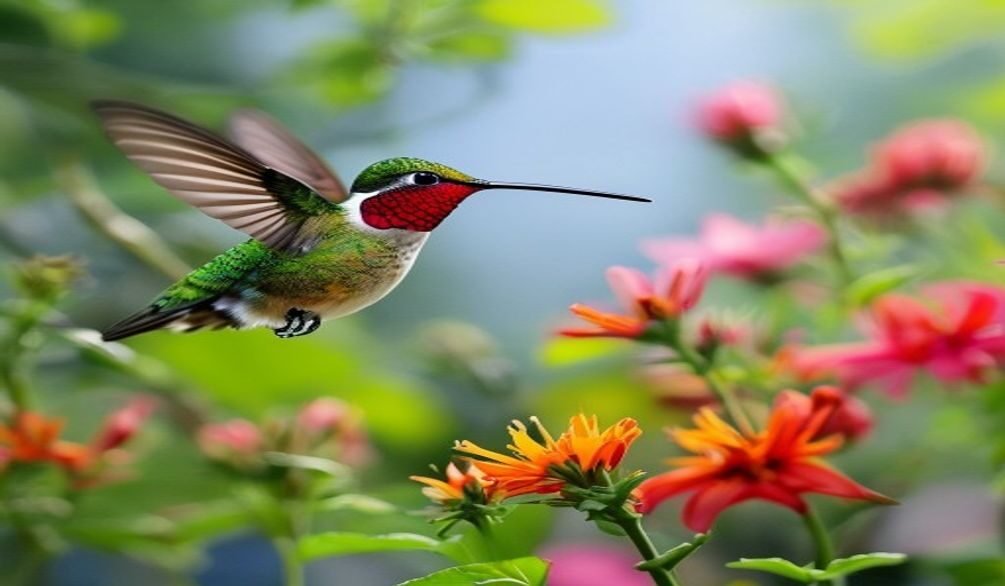
Hummingbirds are most attracted to native, nectar-rich, tubular flowers, especially those in bright red, orange, or pink hues. These birds rely on sight, not smell, to locate flowers, according to the National Audubon Society (2024). So, what does this mean for your garden? You’ll want to prioritize plants that offer a ready supply of the sugary fuel they need, and that means looking for specific shapes and colors.
For us Indian gardeners, this means focusing on varieties that thrive in our local conditions and are readily available at local nurseries. Think about plants like:
- Hibiscus (Gudhal): Many varieties, especially the single-petal red ones, are a big hit. They’re tough and grow well even in Mumbai’s humidity.
- Lantana: Often seen as a roadside weed, but its small, tubular flowers in orange and red clusters are a hummingbird magnet. Plus, it’s incredibly drought-tolerant.
- Ixora (Rangan): Another popular ornamental, its vibrant red and orange flower clusters are perfect.
- Bougainvillea: While not a primary nectar source, its bright bracts can catch attention, and some hummingbirds will investigate.
- Firebush (Hamelia patens): A fantastic choice with continuous red-orange tubular flowers, great for a continuous nectar supply.
When I started my terrace garden in Pune, I found that mixing these traditional Indian favorites with some less common but equally attractive options like Salvia ‘Lady in Red’ really helped **attract hummingbirds to garden** spaces quickly. The key is diversity and ensuring a continuous bloom from pre-monsoon through post-monsoon.
What is the best way to attract hummingbirds?
The best way to attract hummingbirds to your garden is by creating a comprehensive habitat that provides food, water, and shelter. Hummingbirds visit up to 2,000 flowers a day to fuel their needs, according to the National Audubon Society (2024), so a consistent food source is paramount. This isn’t just about one feeder; it’s about a holistic approach.
Here’s my simple breakdown for creating that ideal hummingbird haven:
- Plant Nectar-Rich Flowers: This is your primary strategy. Focus on native plants with tubular flowers.
- Install Hummingbird Feeders: Supplement your flowers with feeders filled with a 1:4 sugar-to-water solution.
- Provide Water Sources: Shallow dishes or misters are better than deep bird baths.
- Offer Shelter: Trees and shrubs give them places to rest, perch, and hide.
- Avoid Pesticides: Hummingbirds eat small insects, so keep your garden organic.
- Ensure Continuous Blooms: Plant a variety of flowers that bloom at different times to keep nectar flowing all season.
- Group Plants: Create clusters of hummingbird-friendly plants to make them more visible.
- Red Accents: Add red ribbons or garden stakes to draw attention to new plantings or feeders.
- Be Patient: It can take time for hummingbirds to discover your new garden.
- Keep it Clean: Regularly clean feeders and refresh water.
Honestly, many people give up on gardening after one failed crop and blame themselves — but 80% of first failures are caused by wrong pot size, wrong season, or wrong soil mix, not wrong technique. Get those three right, and almost any plant, including those that **attract hummingbirds to garden** spaces, becomes easy to grow. It’s about setting the stage correctly from the start.
What colors are hummingbirds attracted to?
Hummingbirds are overwhelmingly attracted to bright, warm colors, particularly red, orange, and pink. This visual preference is so strong that they rely on sight, not smell, to locate flowers, according to the National Audubon Society (2024). It’s why you often see hummingbird feeders designed in vibrant red.
While red is the undisputed champion, don’t shy away from other bold hues. Orange, pink, and even bright purple flowers can be very effective. Think about incorporating plants like:
- Red Salvia: Easy to grow, especially varieties like ‘Scarlet Sage’.
- Cardinal Flower (Lobelia cardinalis): A stunning red native that’s a magnet.
- Trumpet Vine (Campsis radicans): Its orange-red, trumpet-shaped flowers are iconic hummingbird attractors, though it can be quite vigorous.
- Zinnias: While not tubular, their bright, flat surfaces in red and orange still catch a hummingbird’s eye, and they’ll often visit for insects.
- Petunias: Many pink and red varieties are available and do well in pots.
Mixing these colors strategically, especially in hanging baskets or vertical garden setups, makes your garden more noticeable. If you’re using a vertical gardening approach, placing red or orange flowers at eye level can be incredibly effective to **attract hummingbirds to garden** balconies.
<h2 id="how-do-feeders help attract hummingbirds to your garden?
Feeders significantly help attract hummingbirds to your garden by providing a reliable, easily accessible source of energy, especially when natural nectar sources are scarce. they act as a consistent beacon, drawing birds in and encouraging them to stay in your area. chad witko, specialist in avian biology at the national audubon society, highlights that hummingbirds require constant fueling.
here’s how to make your feeders a success:
nectar recipe: mix 1 part white sugar with 4 parts water. boil briefly to dissolve sugar and cool completely before filling. never use honey, artificial sweeteners, or red dye, as these can be harmful.
placement is key: hang feeders in a partially shaded spot to prevent nectar from fermenting too quickly, but visible enough for hummingbirds to spot. keep them away from strong winds and out of reach of ants and other pests. i always hang mine near a cluster of flowering plants; it’s like a welcome sign.
cleanliness: this is crucial. clean feeders every 2-3 days, more often in hot weather (like our indian summers!), using hot water and a brush. moldy nectar can make hummingbirds sick.
multiple feeders: if you have multiple hummingbirds or an aggressive one (which often happens!), place several feeders out of sight of each other to reduce territorial disputes.
ant moats: these are lifesavers. fill the moat with water to deter ants from reaching the nectar.
in my 10 years of experience with balcony gardens, i’ve noticed that consistency wins. a dirty feeder or fermented nectar will quickly deter them. when i first started, i once left a feeder out for a week during a hot spell in delhi — the nectar went cloudy, and no hummingbird touched it. it taught me the hard way that daily checks and cleaning are non-negotiable if you truly want to **attract hummingbirds to garden** and keep them visiting.
Hummingbirds prefer to nest in dense, sheltered shrubs or trees that offer concealment from predators and protection from the elements. While they don’t use typical birdhouses, they meticulously build tiny, cup-shaped nests, often camouflaged with lichen and spider silk, according to Le Nichoir. They need sturdy branches to anchor these delicate structures.
For Indian gardens, consider these options for nesting and perching:
- Small Trees: Neem, Peepal (if space allows), or even dwarf fruit trees can provide good cover.
- Dense Shrubs: Hibiscus bushes, Bougainvillea, or even larger Ixora plants offer excellent hiding spots.
- Bamboo Clumps: If you have the space, a dense bamboo thicket provides fantastic, secure cover.
- Climbing Vines: While not for nesting directly, vines like Passionflower or Morning Glory growing on a trellis can create a leafy canopy that offers protection.
Providing these structural elements goes beyond just food; it creates a true hummingbird habitat. It’s about giving them a safe place to raise their young, ensuring they feel secure enough to make your garden their home. This is a crucial step if you want to sustainably **attract hummingbirds to garden** spaces year after year.
Beyond flowers and feeders: other ways to attract hummingbirds
Beyond the obvious flowers and feeders, providing essential elements like water, insects, and nesting materials can significantly enhance your garden’s appeal to hummingbirds. These tiny birds need more than just nectar; they require a complete ecosystem to thrive.
Here are some often-overlooked strategies:
- Shallow Water Sources: Hummingbirds don’t splash in deep bird baths. They prefer misters, drippers, or very shallow dishes where they can fly through the fine spray or sip from dew-like droplets. A simple saucer with pebbles and a tiny bit of water works wonders.
- Insect Control (or lack thereof): While they love nectar, hummingbirds also eat small insects like gnats, aphids, and spiders for protein. Avoiding broad-spectrum pesticides ensures a healthy insect population for them. This is why organic gardening is so important for wildlife.
- Nesting Materials: You can offer natural fibers like cotton, pet fur, or even commercially available “hummingbird nester builder” kits. They’ll use these fine materials to construct their intricate nests.
- Perching Spots: Provide thin branches or clotheslines for them to rest. They’ll often perch high to survey their territory.
- Consider a ‘Hummingbird Garden Design’: Think about creating zones – a feeding zone, a bathing zone, and a sheltered zone. This thoughtful layout helps them feel safe and comfortable.
I always tell my fellow gardeners that it’s the little things that make a big difference. You might have heard that hummingbirds only drink nectar. In practice, they absolutely need protein from insects, especially when feeding their young — so don’t be too quick to eliminate all tiny bugs in your garden! This holistic approach is how you truly **attract hummingbirds to garden** environments and support their entire life cycle.
Troubleshooting: why aren’t hummingbirds visiting my garden?
If hummingbirds aren’t visiting your garden despite your efforts, it’s likely due to issues with visibility, lack of consistent resources, or local environmental factors. It can be disheartening, but most problems have simple fixes. Allen’s hummingbird populations decreased by 80% between 1968 and 2019, according to Wild Bird Research (2019), highlighting the importance of every garden as a potential habitat.
Let’s break down common reasons and solutions:
| Problem | Why it Happens | Solution to Attract Hummingbirds to Garden |
|---|---|---|
| No Red/Orange Flowers | Hummingbirds rely heavily on visual cues. | Plant more red, orange, and pink tubular flowers. Add red ribbons or garden art. |
| Feeders are Dirty/Empty | Moldy nectar is toxic; empty feeders offer no reward. | Clean feeders every 2-3 days (daily in heat) and refill. Use 1:4 sugar-water solution. |
| Lack of Shelter | Birds feel exposed without nearby cover. | Plant dense shrubs or small trees nearby for perching and hiding. |
| Pesticide Use | Eliminates the insects hummingbirds eat for protein. | Go organic! Embrace natural pest control methods. |
| New Garden/Lack of Awareness | It takes time for birds to discover new food sources. | Be patient. Maintain consistent food and water. Hang a few red visual markers. |
| Aggressive Birds/Insects | Larger birds, bees, or wasps can deter hummingbirds. | Use ant moats, bee guards on feeders. Place multiple feeders out of sight of each other. |
| Migration Timing | They might not be in your area yet. | Know your local hummingbird migration patterns. Ruby-throated hummingbirds typically arrive in Illinois in mid to late April, according to the Illinois Department of Natural Resources (2024), but timing varies by region. |
My biggest learning curve when trying to **attract hummingbirds to garden** was understanding that they’re creatures of habit, but also very particular. I once had a beautiful patch of Salvia, but it was tucked away behind a large Tulsi plant. No hummingbirds. As soon as I moved the Salvia to a more open, visible spot, the visits started almost immediately. Visibility really matters!
Frequently asked questions
What is a hummingbird’s favorite flower?
A hummingbird’s favorite flowers are typically those that are bright red, orange, or pink and have a tubular shape, as these provide easy access to nectar. Examples include Salvia, Trumpet Vine, and Bee Balm, which are rich in the sugary fuel hummingbirds need.
What attracts hummingbirds to a yard quickly?
To attract hummingbirds quickly, hang a clean, red hummingbird feeder filled with a 1:4 sugar-to-water solution in a visible but sheltered spot, and plant a few brightly colored, nectar-rich tubular flowers nearby. Hummingbirds rely on sight to find food, according to the National Audubon Society (2024), so visual cues are key.
Do hummingbirds like small gardens?
Yes, hummingbirds absolutely like small gardens, including balconies and terrace gardens, as long as they offer a consistent supply of nectar, water, and some shelter. Even a few well-chosen potted plants and a feeder can create an attractive micro-habitat for them.
How do i attract ruby-throated hummingbirds to my garden?
To attract ruby-throated hummingbirds, focus on planting their preferred native flowers like Bee Balm, Cardinal Flower, and Trumpet Vine, alongside consistently maintained feeders. East of the Mississippi River, the Ruby-throated Hummingbird is the only regular breeding species, according to Chad Witko of the National Audubon Society (2024).
What is the best type of hummingbird feeder?
The best type of hummingbird feeder is one that is easy to clean, has multiple feeding ports, and incorporates red accents to attract attention. Saucer-style feeders are often preferred for their ease of cleaning and reduced bee access, like the More Birds Hollyhock Hummingbird Feeder.
Creating a garden that truly manages to **attract hummingbirds to garden** spaces is a rewarding journey, combining thoughtful plant choices, consistent care, and a little patience. By focusing on nectar-rich, tubular flowers in vibrant reds and oranges, maintaining clean feeders, and providing essential water and shelter, you’ll soon transform your space into a bustling hub for these amazing birds. Remember, every small effort contributes to supporting these vital pollinators. So, go ahead, plant those vibrant flowers, set up that feeder, and get ready to enjoy the dazzling aerial acrobatics right outside your window!