Key Takeaways
- Commercial beekeepers in the US experienced an average loss of 62% of their colonies between June 2024 and March 2025, according to Project Apis m. (2025).
- Over 22% of native pollinators in North America face an elevated risk of extinction, according to NatureServe (2025).
- Three-fourths of the world’s flowering plants and 35% of food crops rely on animal pollinators to reproduce.
- Pollinators contribute approximately €15 billion annually to EU agriculture, according to EU agriculture reports (2025).
- Between 3% and 5% of global fruit, vegetable, and nut production is lost due to insufficient pollination, according to global agricultural data (2022).
Most Pune terrace gardeners struggle to get a good yield from their mango or citrus trees, and often blame the weather or soil — but often, the real culprit is a lack of friendly visitors to attract pollinators fruit garden. You’re not alone in finding this hard; many urban gardeners overlook the tiny heroes that make our fruit trees bountiful. This guide will walk you through simple, actionable ways to attract pollinators fruit garden and boost your harvest.
Quick Answer: Attract pollinators to your fruit garden by planting diverse native flowers, providing clean water sources, creating nesting sites, and strictly avoiding harmful pesticides to ensure a thriving ecosystem and bountiful fruit harvests.
What attracts pollinators to fruit trees and plants?
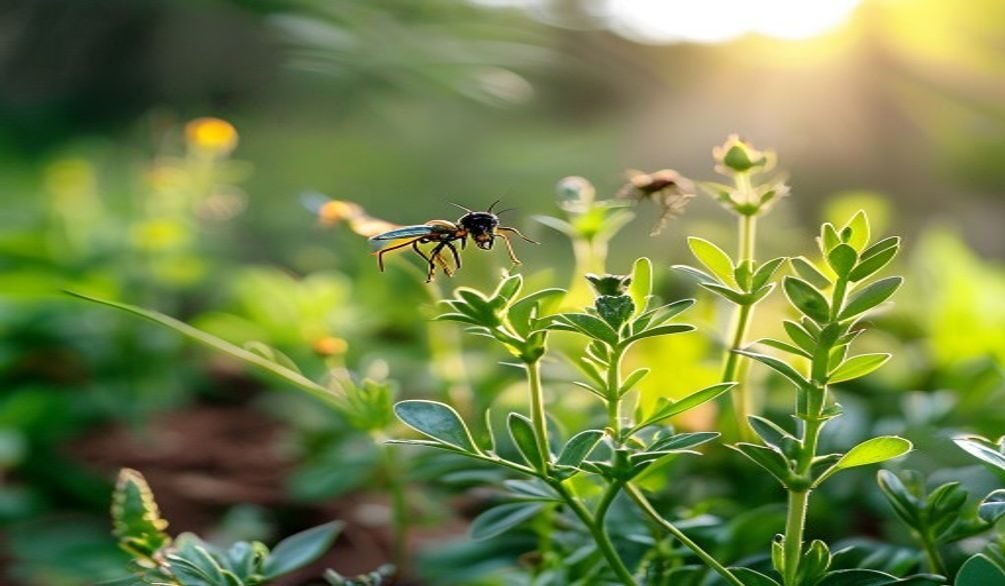
Pollinators are primarily attracted to fruit trees and plants by their flowers’ scent, color, and nectar content, which are essentially advertisements for their sugary rewards. Three-fourths of the world’s flowering plants and about 35% of the world’s food crops rely on animal pollinators to reproduce. This means your fruit trees, whether they’re citrus, mango, or even berry bushes, depend heavily on these tiny visitors.
Think of it like this: a bright red hibiscus (gudhal) or a fragrant jasmine (mogra) is sending out a clear signal. Bees and butterflies are drawn to specific colors – often blues, purples, and yellows – while moths prefer pale, fragrant blooms that stand out at night. The nectar provides energy, and in return, the pollinators carry pollen from one flower to another, ensuring your fruit sets. Honestly, creating a thriving ecosystem is the best way to attract pollinators fruit garden.
How do i attract pollinators to my fruit trees naturally?
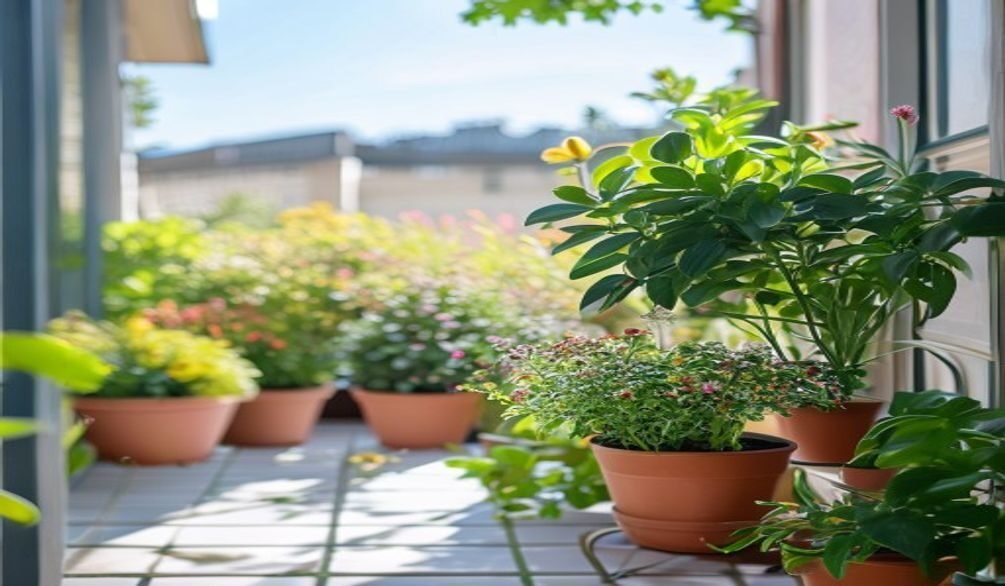
To attract pollinators to your fruit trees naturally, focus on creating a diverse, welcoming habitat that provides food, water, and shelter throughout the season. A study by NatureServe revealed that over 22% of native pollinators in North America face an elevated risk of extinction (2025), highlighting the urgency of supporting these creatures. You can make a big difference, even in a small balcony garden.
Here’s how to increase fruit tree pollination the natural way:
- Plant Native Flowers: Incorporate a variety of native plants around your fruit trees. These are already adapted to your local climate, like the Bangalore mild climate, and are what local pollinators recognize and prefer. For example, planting marigolds (gainda) or cosmos near your guava trees can significantly boost visits.
- Provide Continuous Blooms: Ensure you have flowers blooming from early spring through late autumn. This offers a steady food source. Early bloomers like mustard or phacelia are great for attracting bees when fruit trees like mangoes are just starting to flower.
- Offer Water Sources: A shallow dish with pebbles or a bird bath provides a safe drinking spot for bees and butterflies. I’ve seen how much a simple water source can help, especially during the Indian summer heat of 40°C+.
- Create Shelter: Leave some undisturbed areas, like a small patch of bare soil or a pile of twigs, for ground-nesting bees and other insects. This forms a crucial pollinator habitat fruit garden.
- Avoid Pesticides: This is non-negotiable. Even “organic” pesticides can harm beneficial insects. More on this later, but it’s key for a bee friendly fruit garden.
You might have heard that manual pollination with a brush is a quick fix. In practice, while handy for specific plants like tomatoes or peppers indoors, it’s incredibly labor-intensive and nowhere near as effective or sustainable as encouraging natural pollinators for a larger fruit garden.
What is the best pollinator for fruit trees?
The “best” pollinator for fruit trees isn’t a single species, but rather a diverse community of native bees, butterflies, and other beneficial insects, with honeybees often playing a significant role. Globally, between 3% and 5% of vegetable, fruit, and nut production is being lost due to insufficient pollination, according to global agricultural data (2022), underscoring the need for a robust pollinator population.
While honeybees (Apis mellifera) are fantastic and widely recognized, don’t underestimate the power of native bees like mason bees, leafcutter bees, and bumblebees. These often work more efficiently in specific conditions and can pollinate certain fruit flowers that honeybees might miss. For instance, bumblebees are excellent at “buzz pollination” (sonication), which is vital for crops like tomatoes and blueberries. To truly attract pollinators fruit garden, you need to cater to a variety of species.
What flowers attract pollinators to fruit trees?
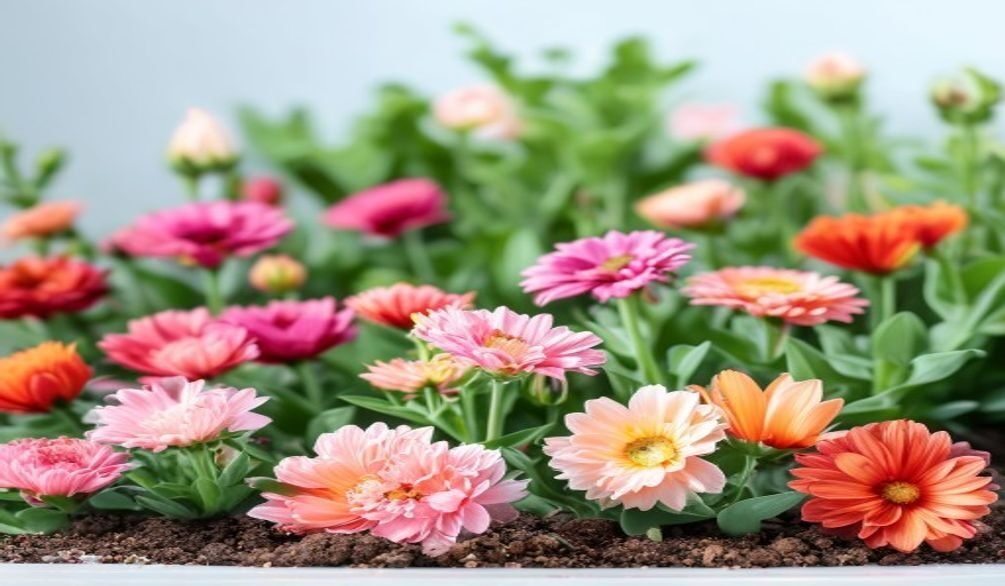
The best flowers to attract pollinators to fruit trees are native, diverse in color and shape, and provide continuous blooms throughout the growing season. The Xerces Society states that “The best plants for pollinators are native to your region, adapted to your garden’s environmental conditions, and free from harmful pesticides.” This means what works in Delhi might be different from Mumbai.
Here are some excellent pollinator-friendly plants for fruit trees, suitable for various Indian climates:
- Marigolds (Gainda): Easy to grow, vibrant, and repel some pests. Great for attracting generalist pollinators.
- Mustard (Sarson): If you let some go to flower, their bright yellow blooms are a magnet for early season bees.
- Coriander (Dhania): When allowed to bolt, the small white flowers are a favorite of tiny beneficial wasps and bees.
- Fennel (Saunf): Similar to coriander, its umbel flowers attract a wide range of insects.
- Basil (Tulsi): The flower spikes are incredibly attractive to bees. Plus, you get fresh leaves!
- Zinnias: Available in many colors, they provide a long season of blooms and are a butterfly garden for fruit dream.
- Cosmos: Delicate yet hardy, they attract bees and butterflies alike.
- Lantana: While some varieties can be invasive, many are excellent for attracting butterflies.
When I was starting my terrace garden in Mumbai, I noticed that simply letting a few pudina (mint) plants flower made a huge difference to the number of bees visiting my small lemon tree. It’s those simple interventions that truly help attract pollinators fruit garden.
How do pesticides harm fruit garden pollinators?
Pesticides, even those labeled “organic,” can severely harm or kill fruit garden pollinators, disrupting the delicate balance necessary for a productive ecosystem. Commercial beekeepers in the US experienced an average loss of 62% of their colonies between June 2024 and March 2025, according to Project Apis m. (2025), a stark reminder of the widespread impact of chemical use.
Here’s how these chemicals cause trouble:
- Direct Toxicity: Many insecticides are designed to kill insects, and pollinators are, unfortunately, insects. A single spray can wipe out entire populations of bees and butterflies.
- Sub-lethal Effects: Even if a pesticide doesn’t kill a pollinator outright, it can impair their navigation, foraging, and reproductive abilities. This means they can’t find food, can’t return to their nests, and can’t reproduce effectively.
- Systemic Pesticides: These are absorbed by the plant and present in pollen and nectar, turning the plant itself into a toxic trap for visiting pollinators for weeks or even months.
- Habitat Contamination: Pesticides can drift from treated areas, contaminating nearby pollinator-friendly plants and water sources, creating a widespread hazard.
An organic gardening approach is crucial for a pesticide-free fruit garden. Instead of chemicals, consider companion planting, introducing beneficial insects, or using physical barriers. My neighbor once sprayed her bhindi plants with a generic insecticide for aphids – she got rid of the aphids, but then her nearby tomato plants stopped setting fruit because there were no bees left to pollinate them. It was a classic case of solving one problem by creating another.
What are diy nesting solutions for fruit garden pollinators?
DIY nesting solutions for fruit garden pollinators involve creating simple, safe shelters that mimic their natural nesting preferences, offering crucial refuge and breeding grounds. Providing such sites is a key part of establishing a thriving pollinator habitat fruit garden.
Many native bees, unlike honeybees, are solitary nesters. Here are a few easy DIY ideas:
| Pollinator Type | DIY Nesting Solution | Materials Needed |
|---|---|---|
| Mason Bees | Bee Hotel (Bundled tubes) | Untreated wood block, paper tubes or bamboo canes (6-8 inches long, 4-10mm diameter), drill. |
| Leafcutter Bees | Stacked Wood/Bamboo | Similar to mason bee hotels, but slightly larger diameter tubes (up to 12mm). |
| Ground-Nesting Bees | Bare Soil Patch | An undisturbed, sunny patch of well-drained, sandy soil (at least 1 sq foot). |
| Bumblebees | Inverted Pot/Wooden Box | Clay pot (upside down with entrance hole) or small wooden box, insulating material (e.g., old cotton, dry grass). |
For mason bees, I’ve found that using sections of bamboo canes cut to about 6 inches and bundled tightly inside a larger PVC pipe or a wooden frame works wonderfully. Just make sure one end is sealed and the other is open to the sun. Place these structures in a sheltered spot, preferably facing east, near your fruit trees. Remember, supporting fruit garden bees means giving them a safe place to live, not just food.
How does a healthy pollinator population impact fruit yield?
A healthy pollinator population directly and significantly impacts fruit yield by ensuring effective fertilization of flowers, leading to more numerous, larger, and better-formed fruits. Pollinators contribute approximately €15 billion annually to EU agriculture and are responsible for pollinating around 80% of crops and wild plants in the EU (2025).
When pollinators visit your fruit tree blossoms, they transfer pollen from the anther to the stigma. This fertilization process is what triggers the plant to develop fruit. Without adequate pollination:
- Reduced Fruit Set: Many flowers simply won’t develop into fruit. You’ll see beautiful blooms, but they’ll drop off without producing anything.
- Smaller or Deformed Fruit: Incomplete pollination can lead to fruits that are small, misshapen, or have fewer seeds. Think of a partially formed strawberry or a lopsided apple.
- Lower Quality: Well-pollinated fruits often have better flavor, texture, and longer shelf life.
- Delayed Harvest: Poor pollination can mean a scattered, inconsistent fruit set, extending your harvest period unnecessarily.
Thomas Timberlake, an ecologist at the University of York, found that “simple interventions, such as planting wildflowers, providing bee nesting sites and reducing pesticides, could help raise farmer income by up to 30%, and diets would improve enough to raise 9% of the population out of a nutrient deficiency.” This isn’t just about your garden; it’s about wider food security. Ensuring you attract pollinators fruit garden is one of the most effective fruit tree pollination tips you can follow for a genuinely abundant harvest.
Frequently asked questions
What attracts pollinators to fruit trees?
Pollinators are attracted to fruit trees by their flowers’ vibrant colors, enticing scents, and abundant nectar and pollen. These features signal a valuable food source, drawing insects like bees and butterflies to help with fruit tree pollination methods. Diverse native plants nearby, like marigolds or basil, also act as strong attractants.
How do i attract pollinators to my fruit trees naturally?
You can attract pollinators naturally by planting a variety of native, pollinator-friendly flowers that bloom continuously, providing a clean water source, and creating safe nesting sites. Avoiding all chemical pesticides is crucial to protect these beneficial insects, ensuring a bee friendly fruit garden.
What is the best pollinator for fruit trees?
The best pollinator for fruit trees is a diverse mix of native bees, such as mason bees and bumblebees, alongside honeybees, as different species excel at pollinating various fruit types. Over 22% of native pollinators in North America face an elevated risk of extinction, according to NatureServe (2025), making their conservation vital. Encouraging a variety of pollinators ensures comprehensive fruit tree pollination.
What flowers attract pollinators to fruit trees?
Flowers like marigolds (gainda), mustard, coriander (dhania), basil (tulsi), zinnias, and cosmos are excellent choices to attract pollinators to fruit trees. These plants offer a consistent supply of nectar and pollen, supporting a healthy pollinator garden for fruit. Always opt for native varieties suited to your local climate.
How does a healthy pollinator population impact fruit yield?
A healthy pollinator population significantly increases fruit yield by ensuring thorough fertilization of fruit tree blossoms, leading to more abundant, larger, and better-formed fruits. Between 3% and 5% of global fruit, vegetable, and nut production is lost due to insufficient pollination, according to global agricultural data (2022), highlighting the critical role pollinators play in maximizing fruit yield and pollinators.
Creating a thriving environment to attract pollinators fruit garden is one of the most rewarding things you can do for your harvest and the local ecosystem. It’s not just about planting a few flowers; it’s about building a complete habitat with food, water, and shelter, all while saying no to harmful chemicals. Remember, most people give up on gardening after one failed crop and blame themselves — but 80% of first failures are caused by wrong pot size, wrong season, or wrong soil mix, not wrong technique. Get those three right, and add some pollinator love, and almost any plant becomes easy to grow. So, roll up your sleeves, plant some native blooms, and watch your fruit garden flourish with the help of these tiny, buzzing heroes!