Key Takeaways
- Globally, 3% to 5% of vegetable, fruit, and nut production is lost due to inadequate pollination, according to Environmental Health Perspectives (2022).
- U.S. beekeepers lost over 48% of their managed colonies in 2025-2026, marking over a decade of significant decline.
- Honey bees are responsible for 80% of all pollination in the United States.
- Planting diverse, colorful flowers like zinnias and marigolds significantly helps attract pollinators vegetable garden spaces.
- Avoiding pesticides is critical for pollinator health, as they can directly harm beneficial insects.
Quick Answer: Attract pollinators to your vegetable garden quickly by planting diverse, colorful flowers like zinnias and marigolds, providing a shallow water source with landing spots, avoiding pesticides, and offering shelter like a bee hotel for improved harvests.
Most Mumbai balcony gardeners lose their tomato plants every May—not from pests, but from the brutal 40°C+ heat before the monsoon arrives, making it tough for any plant, let alone getting them pollinated. If you’re struggling to get a good harvest from your bhindi or lal mirch, you might need to actively work to attract pollinators vegetable garden. This guide shares five fast and proven ways to boost your garden’s buzz and ensure better yields.
Why are pollinators important for your vegetable garden?
Pollinators are absolutely crucial for your vegetable garden because they facilitate the reproduction of most fruiting vegetables, directly leading to better harvests. Globally, between 3% and 5% of vegetable, fruit, and nut production is being lost due to inadequate pollination, according to research published in Environmental Health Perspectives (2022). Without these busy little helpers, many of your plants simply won’t produce fruit, or the fruits will be small and misshapen.
Think about it: how often have you seen your tomato plants flower beautifully, but then the flowers just drop off without setting fruit? That’s often a sign of poor pollination. Honey bees alone are responsible for 80% of all pollination in the United States, meaning their presence is a huge boon for any garden. When you actively work to attract pollinators vegetable garden, you’re essentially hiring a free, efficient workforce that dramatically increases your chances of a bountiful yield. It’s not just about bees, either; butterflies, moths, beetles, and even some birds play a role in this vital process.
What flowers attract pollinators to a vegetable garden?
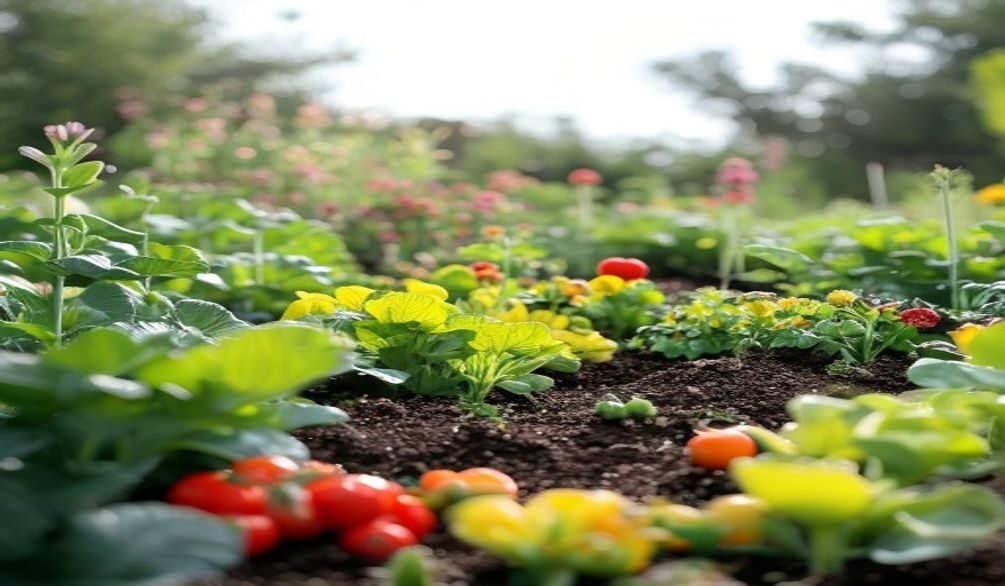
To attract pollinators vegetable garden, planting a diverse array of colorful, nectar-rich flowers is the most effective strategy. Marigolds are an excellent choice, known for attracting beneficial insects and potentially deterring pests like onion root maggot fly, according to various gardening experts. These easy-to-grow annuals are perfect for tucking into empty spaces between your vegetable rows.
You’ll want to pick flowers that offer a continuous bloom from pre-monsoon through post-monsoon, ensuring a steady food source for pollinators. In my 10 years of growing vegetables on terraces in Pune, I’ve seen zinnias and cosmos act like magnets for butterflies and bees. They’re incredibly low-maintenance and thrive even in the Indian summer heat.
Here are some top pollinator-friendly plants that work wonders in Indian conditions:
- Zinnias: Available in many vibrant colors, these are true pollinator magnets for bees and butterflies. They’re also drought-tolerant once established, which is a big plus for pre-monsoon heat.
- Marigolds (Genda): Not only do they attract bees, but their strong scent can also deter certain vegetable pests, acting as a natural pest control garden solution.
- Cosmos: Delicate yet hardy, cosmos flowers provide abundant nectar and pollen, drawing in a wide range of beneficial insects garden.
- Sunflowers: These towering beauties are fantastic for attracting bees and offer a huge landing pad for larger pollinators. Just make sure you have space!
- Borage: This herb is a powerhouse, attracting pollinators like crazy and even helping to repel hornworms from your tomatoes. It’s a great companion planting pollinators option.
- Dhania (Coriander) and Methi (Fenugreek): When allowed to flower, these common kitchen herbs produce small white flowers that are highly attractive to tiny beneficial wasps and bees.
How do you attract pollinators naturally and quickly?
You can attract pollinators naturally and quickly to your vegetable garden by focusing on immediate floral appeal, providing essential resources, and creating a welcoming habitat. Alfons C. from Vego Garden emphasizes that “Pollinators need food sources from spring through fall,” highlighting the importance of continuous blooms. This means choosing plants that flower at different times throughout the growing season.
Here’s a quick action plan to get your garden buzzing:
- Plant Instant Bloomers: Go to your local nursery and pick up established flowering plants like marigolds, zinnias, or petunias that are already in bloom. This provides immediate nectar and pollen. Don’t wait for seeds to germinate if you want fast results.
- Create a Pollinator Patch: Dedicate a small corner or even a large pot to a mix of pollinator-friendly plants. Cluster them together; a mass of flowers is more visible and attractive to pollinators than scattered individual plants.
- Offer a Water Source: A shallow dish with pebbles or marbles provides a safe spot for bees and butterflies to drink without drowning. This is a simple, effective bee bath that can significantly increase visits.
- Avoid Pesticides: This is non-negotiable. Even “organic” pesticides can harm beneficial insects. Switch to natural pest control garden methods like neem oil or hand-picking pests.
- Provide Shelter: A simple bee hotel or a pile of hollow stems can give solitary bees a place to nest, encouraging them to stay in your garden.
You might have heard that companion planting is mostly about deterring pests, but in practice, using herbs like tulsi or pudina that flower can be an incredible way to attract pollinators vegetable garden. I once grew pudina from seeds twice and both times it was slow and patchy. Switched to cuttings from a fresh sabziwala bunch — 9 out of 10 rooted in water in 6 days and were in soil by day 8, which then quickly flowered and brought in small bees. Seeds are never worth it for pudina when cuttings work this well for both growth and attracting beneficial insects.
What vegetables do not need pollinators?
Some vegetables are self-pollinating or wind-pollinated, meaning they do not explicitly require insect pollinators to produce a harvest. These include many common leafy greens and root vegetables. For example, lettuce, spinach, kale, and radish are primarily wind-pollinated or self-pollinating and will produce well even without a strong presence of bees or butterflies.
While these plants don’t rely on insects, having a healthy garden biodiversity with pollinators still benefits the overall ecosystem, contributing to soil health and natural pest control. Here’s a quick table of common Indian vegetables and their pollination needs:
| Vegetable Type | Pollination Method | Needs Insect Pollinators? |
|---|---|---|
| Tomatoes (Tamatar) | Self-pollinating (wind/vibration helps) | Beneficial, but not strictly essential |
| Peppers (Mirch) | Self-pollinating | Beneficial, but not strictly essential |
| Beans (Rajma, Sem) | Self-pollinating | No |
| Peas (Matar) | Self-pollinating | No |
| Lettuce (Salad Patta) | Self-pollinating / Wind | No |
| Spinach (Palak) | Wind-pollinated | No |
| Radish (Mooli) | Self-pollinating / Wind | No |
| Carrots (Gajar) | Insect-pollinated (if left to flower) | Yes (for seed production) |
| Cucumbers (Kheera) | Insect-pollinated (most varieties) | Yes |
| Squash (Kaddu) | Insect-pollinated | Yes |
| Bhindi (Okra) | Insect-pollinated / Self-pollinating | Beneficial, often essential for good yield |
The key insight here is that even for self-pollinating plants, a little extra buzz from pollinators can often improve fruit set and overall vegetable garden harvest. So, while you might get a harvest, a vibrant pollinator population can still increase vegetable yield significantly.
Beyond flowers: providing water and shelter for pollinators
Beyond just planting flowers, providing essential water and shelter is a critical, often overlooked step to effectively attract pollinators vegetable garden. Think of it like this: you wouldn’t want to live somewhere without clean water and a safe place to sleep, right? Pollinators feel the same way. Creating a bee bath—a shallow dish filled with pebbles or marbles and water—is incredibly simple and can make a huge difference. This gives bees a safe spot to land and drink without drowning, especially during hot pre-monsoon and summer months when water is scarce.
Providing shelter also encourages pollinators to stay and nest in your garden. Bee hotels, available from brands like Kind Bee Farms or even homemade versions using hollow stems (like bamboo or dried fennel stalks), offer solitary bees a safe place to lay eggs. These structures should be placed in a sunny, sheltered spot, away from strong winds, and ideally under an overhang to keep them dry. You can find ready-made bee hotels online on platforms like Ugaoo or in some local nurseries for around ₹200–₹500.
Remember, a garden that offers food, water, and shelter throughout the season creates a complete ecosystem, making it far more appealing for beneficial insects garden. This approach helps to build a stable pollinator population, which in turn ensures a consistent and abundant vegetable garden harvest.
Avoiding pesticides: a critical step for pollinator health
Avoiding all chemical pesticides is perhaps the single most critical step you can take to protect and attract pollinators vegetable garden. Dr. Marla Spivak from the University of Minnesota’s Bee Lab wisely states, “The bees don’t need us to save them — they need us to stop doing the things that are killing them.” This includes most synthetic pesticides, which can indiscriminately kill beneficial insects along with pests.
U.S. beekeepers reported losing over 48% of their managed colonies in the most recent annual survey (2025-2026), with colony loss rates hovering between 30% and 50% for over a decade. This stark statistic underscores the severe impact of environmental factors, including pesticide use, on pollinator decline impact. Even organic pesticides like neem oil should be used cautiously and applied in the evening when pollinators are less active.
Instead of reaching for chemicals, focus on natural pest control garden methods:
* Hand-picking: For larger pests like hornworms on tomatoes or caterpillars on cabbage, simply pick them off and remove them.
* Companion Planting: As mentioned, marigolds deter some pests, while plants like borage can attract beneficial predators.
* Introduce Beneficial Insects: Encourage ladybugs and lacewings, which feast on aphids. You can buy them or attract them with specific plants.
* Healthy Soil: Strong, healthy plants grown in rich, organic garden soil are more resilient to pest attacks.
* Regular Inspection: Catching pest problems early makes them much easier to manage without resorting to harsh treatments.
Everyone tells beginners to start with easy plants — but easy is relative to your specific balcony conditions. A north-facing balcony in Bangalore and a south-facing terrace in Delhi need completely different starter plants. Location matters more than difficulty rating, especially when you’re trying to grow a thriving garden without chemical intervention. This approach is key to creating a truly sustainable gardening environment.
Frequently asked questions
What flowers are best for attracting bees to a vegetable garden?
The best flowers for attracting bees to a vegetable garden are those rich in nectar and pollen with open, accessible blooms, such as zinnias, marigolds, and cosmos. These easy pollinator plants provide a continuous food source and thrive in various Indian climates. Planting herbs like flowering tulsi or dhania also helps draw in smaller bees.
How can i make a quick pollinator garden?
You can make a quick pollinator garden by planting pre-grown, blooming pollinator-friendly plants like marigolds or petunias from your local nursery for instant appeal. Supplement this with a shallow water dish, and immediately cease all pesticide use to protect incoming insects, ensuring a fast start to attract pollinators vegetable garden.
What vegetables need pollinators to produce fruit?
Many popular vegetables require insect pollinators to produce fruit, including cucumbers, squash, pumpkins, melons, and most varieties of bhindi. Without adequate pollination, these plants will flower but often fail to set fruit or produce small, malformed yields, highlighting the need for a healthy pollinator population.
What is the most effective way to attract butterflies to a garden?
The most effective way to attract butterflies to a garden is by planting a diverse range of nectar-rich flowers that bloom throughout the season, such as zinnias, cosmos, and milkweeds. Providing host plants for their caterpillars, like fennel for swallowtails, also encourages them to lay eggs and complete their life cycle in your butterfly garden vegetables.
Why is there a decline in pollinator populations?
Pollinator populations are declining due to a combination of habitat loss, pesticide use, climate change, and diseases, impacting essential ecosystem services. Between June 2024 and March 2025, U.S. commercial beekeepers lost an average of 62% of their colonies, representing an estimated $600 million in direct revenue loss, according to research from the Bee Informed Partnership.
Getting your vegetable garden to thrive means inviting nature’s best helpers: pollinators. By planting a diverse mix of flowers like zinnias and marigolds, providing fresh water, offering simple shelters, and critically, avoiding all chemical pesticides, you’ll successfully attract pollinators vegetable garden. This isn’t just about getting a bigger harvest—though you absolutely will—it’s about creating a vibrant, healthy, and sustainable gardening ecosystem right on your balcony or terrace. So, go on, give your garden a buzz, and watch your yields soar!