Embarking on the journey of planning your backyard orchard layout can feel overwhelming, but with smart design, you can transform any space into a thriving, fruit-producing haven. This comprehensive guide will walk you through advanced strategies and practical techniques to design a resilient and productive backyard orchard, ensuring maximum yield regardless of your yard’s size.
How to Design Your Backyard Orchard Layout?
Designing your backyard orchard layout begins with a thorough understanding of your site and your aspirations. The goal is to create a functional, beautiful, and productive system that yields fresh fruit for years.
Assessing Your Site for Optimal Placement
Before planting a single tree, evaluate your backyard’s conditions. Consider factors like sunlight exposure, soil quality, drainage, and prevailing winds, as these elements profoundly impact tree health and productivity. Most fruit trees require at least 6-8 hours of direct sunlight daily to thrive and produce abundant fruit.
What most people miss is the importance of understanding your local climate, including chilling hours for deciduous fruits and potential frost pockets. As former Extension Horticulturist Felder Rushing advises, contacting your county Extension Service is crucial for insights into local conditions and proven varieties.
Selecting the Right Fruit Trees and Rootstocks
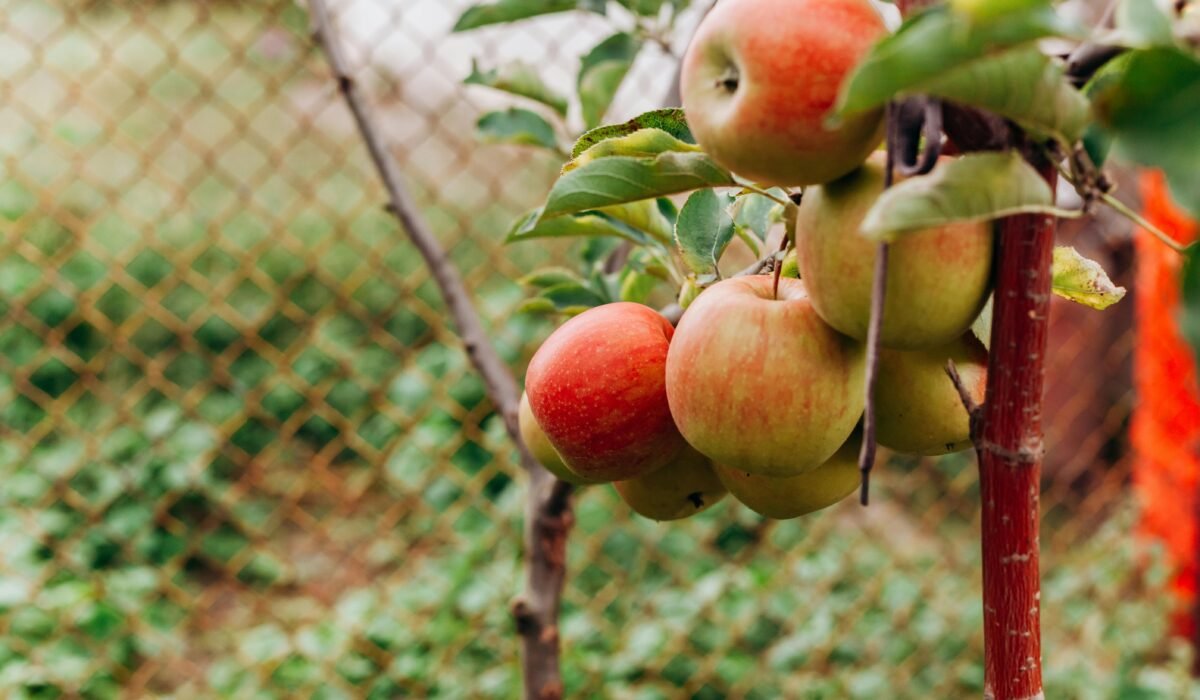
Your choice of fruit trees and their rootstocks dictates their mature size and adaptability. Dwarf fruit trees and semi-dwarf varieties are excellent for smaller spaces, reaching only 8-10 feet tall compared to standard trees that can soar to 25-30 feet.
The rootstock determines the tree’s ultimate size, disease resistance, and even how quickly it bears fruit. Choosing the correct rootstock is paramount for managing tree size, especially when aiming for high-density planting.
What are the Best Fruit Tree Layouts for Small Spaces?
Maximizing fruit production in limited areas requires creative and efficient fruit tree layouts. Fortunately, several innovative techniques allow even the smallest backyard to become a bountiful orchard.
Embracing Dwarf and Multi-Grafted Trees
For a small fruit tree orchard layout, dwarf varieties are your best friends. They can be planted closer together, allowing for a greater diversity of fruit in a compact footprint. Multi-grafted trees, which bear several different fruit types on a single trunk, are another space-saving marvel, often ensuring cross-pollination in a tiny area.
Colby Eierman, author of “Fruit Trees In Small Spaces,” highlights how trees can be “tucked into the tiniest spots and still yield a bumper crop.” This approach ensures you get a variety of harvests without consuming your entire yard.
Container Orchards and Espalier
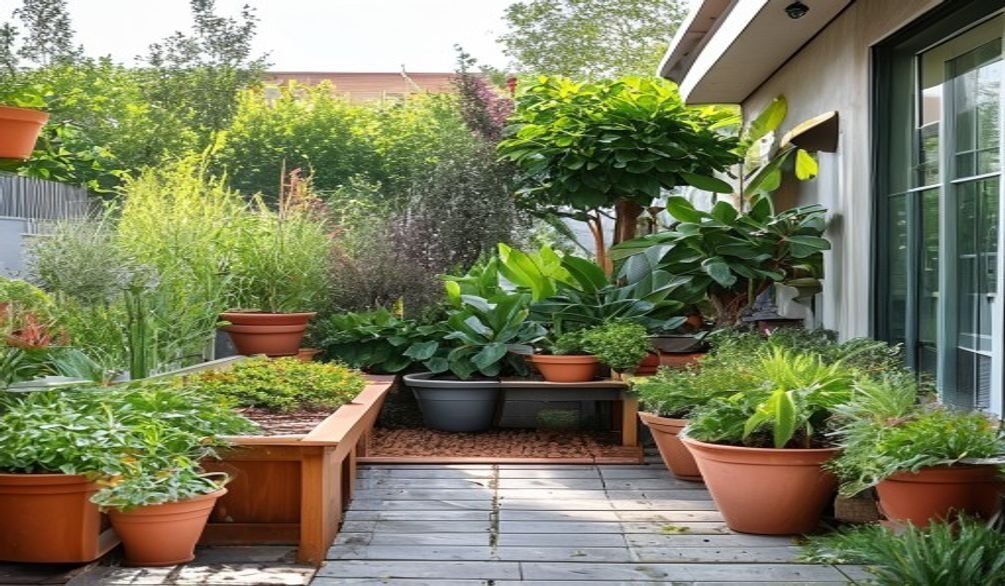
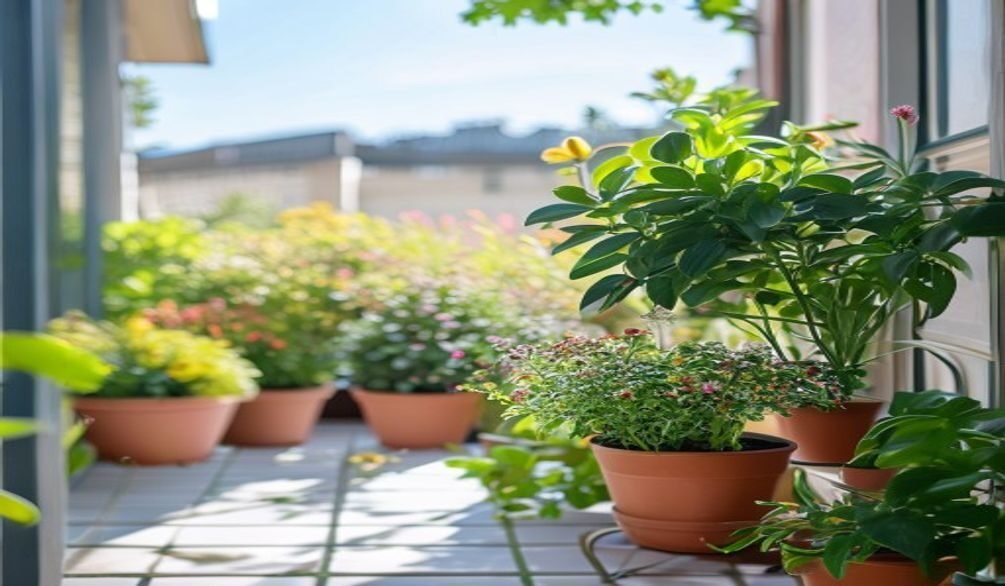
Container gardening offers unparalleled flexibility for small spaces, patios, or balconies. Many dwarf citrus, apples, pears, and figs thrive in large pots, allowing you to move them to optimize sunlight or protect them from harsh weather. This method is particularly effective for those with limited ground space or who live in colder climates.
Espalier is an ancient art of training fruit trees to grow flat against a wall, fence, or trellis. This beautiful and productive technique not only saves significant space but also creates an attractive architectural feature. It’s especially effective for low-chill apple trees or Asian pears.
How Far Apart Should Fruit Trees Be Planted?
Understanding proper fruit tree spacing is critical for tree health, light penetration, air circulation, and overall yield. The distance between trees depends heavily on their mature size, which is primarily influenced by their rootstock.
Standard Fruit Tree Spacing Guide
For standard-sized trees, traditional orchard spacing can be quite generous, with trees planted 15-25 feet apart to allow for their large mature canopies. However, for most backyard applications, this is often impractical.
Semi-dwarf varieties typically require 10-15 feet between trees, while true dwarf rootstocks can be planted as close as 6-10 feet apart. Always check the specific recommendations for your chosen variety and rootstock.
High-Density Spacing for Backyard Orchard Culture
For those interested in backyard orchard culture techniques, high-density planting allows for more trees in less space. Dave Wilson Nursery, pioneers of this approach, suggests planting fruit trees 24-48 inches apart for groups of two or three trees in one hole. This technique, coupled with aggressive summer pruning, keeps trees small and manageable, facilitating “the prolonged harvest of tree-ripe fruit from a small space.”
This close spacing is counter-intuitive for many, but the key is diligent pruning to maintain a compact size and open structure, ensuring adequate light reaches all parts of the tree.
Advanced Techniques for High-Density Backyard Orchards
Moving beyond basic spacing, advanced techniques unlock the full potential of a small backyard for fruit production. These methods are at the heart of designing a resilient and productive backyard orchard.
Multi-Planting: The “Backyard Orchard Culture” Approach
One of the most effective strategies for high-density planting is the “Backyard Orchard Culture” method, which involves planting 2-4 compatible fruit varieties in a single hole, spaced just 18-24 inches apart. This technique is recommended for peaches, nectarines, apricots, figs, apples, and plums, allowing for a diverse, successive harvest from a surprisingly small footprint. The initial step involves cutting trees back to 12-18 inches from the ground to encourage branching.
The beauty of this method is the ability to enjoy different fruits ripening at various times, extending your harvest season significantly. It’s a game-changer for anyone serious about maximizing organic garden yields.
Fruit Tree Circles and Hedgerow Plantings
Inspired by permaculture principles, fruit tree circles involve planting 5 small fruit trees (on dwarfing rootstock) in a ring within a 3m x 3m space, with a central basin for organic matter and water. This layout promotes closer spacing and guild planting, fostering a self-sustaining ecosystem.
Alternatively, hedgerow plantings involve lining up trees 4-5 feet apart in a row, creating a productive living fence. This method is excellent for defining garden spaces while producing copious amounts of fruit, especially when combined with espalier techniques.
Integrating Companion Planting and Permaculture Principles
A truly resilient backyard orchard goes beyond just fruit trees; it embraces the synergistic relationships found in nature through companion planting and permaculture orchard design.
Beneficial Plant Guilds for Your Orchard
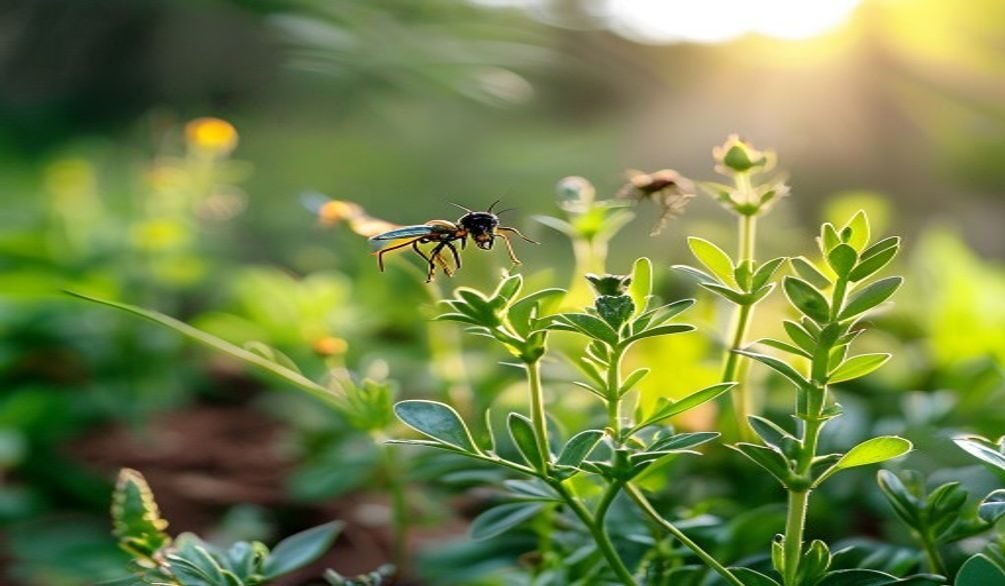
Companion planting for fruit trees involves strategically placing other plants nearby to provide mutual benefits. These “guilds” can deter pests, attract beneficial insects for pollination and pest control, improve soil fertility, and suppress weeds. For example, planting chives around apple trees can help deter apple scab, while nasturtiums can act as a trap crop for aphids.
Incorporating nitrogen-fixing plants like clover or specific shrubs within your fruit tree layout can naturally enrich the soil, reducing the need for external fertilizers.
Permaculture Fruit Tree Layout: The TRIOS System
Stefan Sobkowiak’s “Permaculture Orchard” concept, now known as the TRIOS system, exemplifies ecological integration. It combines a nitrogen-fixing tree/shrub with two fruit/nut trees to form horizontal trios, then adds two other layers of plants (shrubs, perennials, herbs, perennial vegetables) for vertical diversity. This multi-layered approach creates a highly diverse and productive ecosystem, mimicking natural forest edges.
This system, adaptable to various climates, builds soil health, enhances biodiversity, and creates a more stable, self-regulating orchard environment.
Long-Term Management and Evolution of Your Orchard Layout
Planning your backyard orchard layout isn’t a one-time event; it’s an ongoing process of management and adaptation. A well-designed orchard evolves, requiring thoughtful care to maintain its productivity and health.
Pruning Techniques for Size and Productivity
Pruning is the most critical tool for managing tree size, especially in high-density systems. Summer pruning, as advocated by Dave Wilson Nursery, keeps trees small and encourages fruiting spurs. Different layouts, such as espalier or multi-planted groups, require specific pruning techniques to maintain their form and productivity.
Learning how to prune for structure, air circulation, and light penetration is essential for continuous harvests and preventing disease. The University of Maine Cooperative Extension emphasizes that a “knowledge of the cultural requirements can prevent problems from occurring.”
Adapting Your Orchard Over Time
As your trees mature, your orchard layout might need adjustments. This could involve removing underperforming trees, grafting new varieties onto existing rootstocks, or expanding a section as your knowledge and needs grow. The orchard management software market, projected to grow at a CAGR of 12.6% between 2024 and 2032, shows a broader trend towards data-driven practices, even for backyard growers, highlighting the dynamic nature of orchard care.
Being flexible and observant allows you to respond to your orchard’s changing needs, ensuring its long-term vitality. For instance, if you’re growing grapes, understanding their year-by-year needs is crucial for integrating them successfully into your evolving design.
Optimizing Microclimates in Your Orchard Design
Leveraging the subtle variations in your backyard’s environment, known as microclimates, can significantly boost your orchard’s success. This involves more than just sunlight; it’s about understanding how your specific landscape interacts with weather patterns.
Identifying and Utilizing Warm Pockets
South-facing walls or fences absorb and radiate heat, creating warm microclimates perfect for heat-loving fruit trees like figs or citrus, especially in cooler regions. Placing sensitive trees in these sheltered spots can extend their growing season and protect them from early frosts.
Even a slight elevation can offer protection from frost, as cold air tends to settle in lower areas, creating “frost pockets” that should be avoided for most fruit trees.
Shelterbelts and Windbreaks for Protection
Strong winds can damage young trees, reduce pollination, and increase water loss. Strategic planting of taller trees or shrubs as shelterbelts on the windward side of your orchard can significantly mitigate these effects. This not only protects your fruit trees but can also create calmer, slightly warmer zones within the orchard, further enhancing growing conditions.
A well-planned windbreak is an investment in the long-term health and productivity of your orchard, helping to stabilize temperatures and reduce environmental stress on your fruit trees.
Frequently Asked Questions
How do you lay out a fruit orchard?
Laying out a fruit orchard involves assessing your site’s sunlight, soil, and drainage, then selecting appropriate fruit tree varieties and rootstocks. You’ll choose a layout style, such as traditional rows, high-density multi-planting, or permaculture guilds, based on your space and goals, ensuring proper spacing for tree health and productivity.
How far apart should fruit trees be planted in a backyard orchard?
Fruit tree spacing in a backyard orchard depends on the rootstock; dwarf trees can be planted 6-10 feet apart, semi-dwarf at 10-15 feet, and standard trees 15-25 feet apart. For high-density backyard orchard culture, you can plant 2-3 trees in one hole, spaced 24-48 inches apart, managing their size through diligent pruning.
How many fruit trees can you plant in a small backyard?
You can plant surprisingly many fruit trees in a small backyard by utilizing dwarf varieties, multi-grafted trees, and high-density planting techniques like “Backyard Orchard Culture.” This approach allows for planting 2-4 trees in a single hole, or training trees as espaliers against fences, significantly increasing the number of productive trees in a limited area.
What is the best layout for an orchard?
The best layout for an orchard depends on your specific goals and available space, but for most backyards, high-density planting methods offer superior yield and diversity. Techniques like multi-planting (2-3 trees per hole), espalier against walls, or permaculture-inspired fruit tree circles maximize productivity in compact areas while promoting ecological balance.
Designing your backyard orchard layout is a rewarding endeavor that combines art and science. By applying these advanced techniques, from strategic site assessment to high-density planting and long-term management, you can cultivate a resilient, productive, and beautiful orchard that provides an abundance of fresh, tree-ripe fruit for your family. Start planning today to unlock your backyard’s full potential.