
Key Takeaways
- Container gardening is seeing a significant increase in interest across all demographics, particularly among gardeners aged 65 and older, according to Monrovia (2025).
- Vertical garden design offers sophisticated, lush solutions for compact spaces like balconies, courtyards, and smaller city gardens, as noted in trends from (2026).
- Outdoor living, or “Patio Culture,” is a key trend with an emphasis on elevating container gardens to include elegant, long-lasting shrubs, according to Monrovia’s (2025) research.
- Considering sun aspect and weight limits is crucial when designing balcony micro-scapes, advises Jessica Dawe, owner of a garden center (2025).
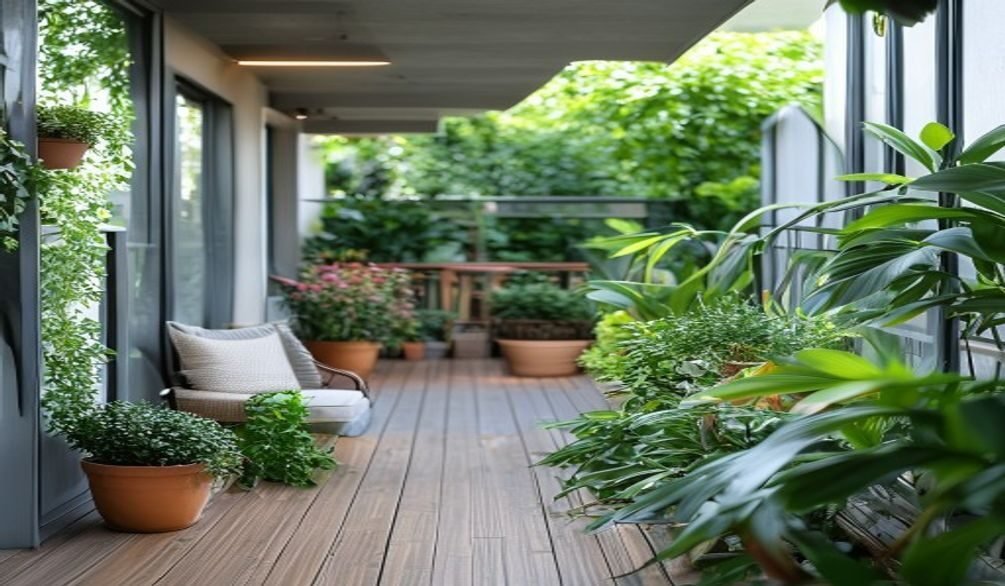
- A home with a balcony arranged as an elevated garden gains an additional domestic space, becoming a true open-air room, observed Italian artist Ugo La Pietra (2026).
Most Bangalore apartment residents dream of fresh tomatoes and pudina but struggle with limited space and harsh sun. Creating a thriving balcony garden design can feel overwhelming, but it’s totally achievable with a few smart steps. This guide will walk you through transforming your small outdoor space into a lush, productive oasis, full of plants that bring joy and fresh produce right to your home.
Quick Answer: Creating a successful balcony garden involves assessing sunlight and weight limits, maximizing vertical space with varied containers and structures, choosing appropriate plants, ensuring proper drainage, and incorporating personal touches to extend your living space outdoors.
What is the best way to design a balcony garden?
The best way to approach a balcony garden design is to start with a clear assessment of your space’s unique conditions and then plan strategically. You’ll want to think about sunlight, wind, and weight limits from the get-go, as these factors dictate what you can successfully grow. In 2026, there’s a growing demand for warm, earthy materials like travertines and limestones in outdoor settings, including balconies, to add depth and tactility.
Honestly, many people jump straight to buying plants they like, only to find they don’t thrive. In my 10 years of experience with Indian balcony gardens, I’ve seen it time and again: most people give up after one failed crop and blame themselves. But the truth is, 80% of first failures are caused by the wrong pot size, wrong season, or wrong soil mix, not wrong technique. Get those three right, and almost any plant becomes easy to grow.
A well-thought-out balcony garden design extends your living space, making your balcony a true open-air room, as Italian artist and architect Ugo La Pietra observed during the March 2020 lockdown (2026). This means considering not just the plants, but also seating, lighting, and how the garden integrates with your home’s aesthetic.
Key design principles for your balcony garden
- Assess Your Balcony: Understand its sun exposure (north, south, east, west), wind patterns, and structural weight limits. Jessica Dawe, a horticulture graduate, emphasizes considering sun aspect and weight limits for successful balcony micro-scapes (2025).
- Choose a Theme: Do you want edibles, flowers, or a mix? A specific theme helps in plant selection and container choices.
- Prioritize Verticality: Small spaces demand smart use of vertical height. Think shelves, hanging planters, and trellises.
- Select Appropriate Containers: Match container size to plant needs and consider materials that suit your climate and design.
- Plan for Drainage: This is non-negotiable for container gardening success.
- Consider Aesthetics: Incorporate elements like small seating, decorative items, and lighting to make the space inviting.
How do you turn a small balcony into a garden?
Turning a small balcony into a vibrant garden requires creative space management and a clever balcony garden design. The key is to think vertically and select plants that thrive in containers without becoming too sprawling. Vertical garden design is becoming increasingly sophisticated, offering lush solutions for balconies and smaller city gardens, according to industry trends (2026).
You might have heard that you need a huge space for a garden. In practice, that’s not always true — a small balcony can be incredibly productive if you plan it well. Railing planters and tiered plant stands are classic solutions for apartment balcony gardens, designed to utilize every inch, transforming structural elements into prime gardening locations. I’ve personally seen tiny Mumbai balconies, barely 4×6 feet, become abundant with bhindi, lal mirch, and even small tomato varieties like Pusa Ruby.
Strategies for small balcony garden design
Maximizing space is paramount for a small balcony garden. Here are some strategies:
- Vertical Garden Systems: These are game-changers for urban balcony garden setups. Modular systems, wall-mounted planters, or simple DIY trellises for climbing plants like gourds or beans work wonders. Vertical wall gardens are highly effective for transforming underutilized spaces into lush oases.
- Railing Planters: These ingenious containers hang directly over your balcony railing, utilizing space that would otherwise be wasted. They’re perfect for herbs like pudina and dhania, or small flowering plants.
- Tiered Plant Stands: A tiered plant stand or shelving unit allows you to display multiple plants at different heights, maximizing your plant count without taking up much floor space. It’s a great way to create visual interest and layers in your balcony plant arrangements.
- Hanging Baskets: Don’t forget the air above! Hanging baskets are excellent for trailing plants like petunias, money plants, or even strawberries. Just ensure your balcony can support the weight when watered.
What are the best plants for a small garden or balcony?
The best plants for a small garden or balcony are those that are compact, container-friendly, and suited to your specific light conditions, making smart choices crucial for your balcony garden design. Monrovia’s 2025 trend research highlights “Patio Culture,” emphasizing elevating container gardens beyond just annuals to include elegant and long-lasting shrubs.
Choosing the right plants is where many beginners get stuck. You’ll want varieties that don’t mind living in a pot and can handle the local climate. For example, in the intense Indian summer heat of 40°C+, some delicate plants will simply fry, while others like bhindi or gawar phali will thrive.
Top plant picks for balcony gardens in india
Here’s a quick list of plants that generally do well in Indian balcony conditions:
| Plant Category | Recommended Plants | Key Considerations |
|---|---|---|
| Herbs | Pudina, Dhania, Tulsi, Curry Leaves | Most need good sunlight, easy to grow from cuttings or seeds. Pudina spreads fast! |
| Vegetables | Cherry Tomatoes (Pusa Ruby), Bhindi, Lal Mirch, Brinjal (small varieties), Radish, Spinach | Choose dwarf or bush varieties. Need consistent watering and good soil. |
| Flowers | Petunia, Marigold, Zinnia, Portulaca, Vinca | Add color and attract pollinators. Many are sun-loving and low maintenance. |
| Fruiting Plants | Dwarf Lemon, Strawberries | Require larger pots and more specific care, but rewarding. |
Remember, even if you buy quality seeds, like Sarpan or Indo-American, which give 80%+ germination, you still need to match the plant to your balcony’s conditions. I once saw a friend try to grow methi from kirana store seeds – the germination rate was dismal, maybe 15%. Garden seeds are specifically bred for germination and growth, not cooking!
What type of soil is best for balcony gardens?
The best type of soil for balcony gardens isn’t just garden soil from the ground; it’s a specialized potting mix designed for container growing, essential for any effective balcony garden design. This ensures proper drainage, aeration, and nutrient retention, which are crucial when plants are confined to pots.
You can’t just scoop up soil from a park and expect your plants to thrive in containers. Potting mixes are lightweight and formulated to prevent compaction, which is a common killer for container plants. For instance, 72% of container plants fail due to poor drainage, according to Penn State Extension (2023), often linked to heavy, unsuited soil.
Creating your ideal potting mix
A good potting mix for your urban balcony garden typically includes:
- Cocopeat (40-50%): This is a fantastic lightweight, water-retentive medium. Brands like Cocogreen are widely available in India.
- Compost or Vermicompost (30-40%): Provides essential nutrients. You can find good quality vermicompost at local nurseries or online on platforms like Ugaoo.
- Perlite or Sand (10-20%): Improves drainage and aeration, preventing waterlogging.
- Neem Cake Powder (small amount): Acts as a natural pesticide and slow-release fertilizer.
Mixing your own soil lets you customize it for your specific plants and climate. For example, in humid Mumbai, I might add a bit more perlite for extra drainage. For a balcony garden design focused on edibles, enriching the soil with a balanced organic fertilizer is always a smart move.
How can you maximize space in your balcony garden?
Maximizing space in your balcony garden involves a strategic approach to plant placement and container selection, ensuring every inch serves a purpose in your overall balcony garden design. This often means thinking beyond the horizontal plane and embracing verticality. Vertical garden design is truly becoming more sophisticated, turning even the smallest nooks into lush spaces (2026).
You’ve got limited square footage, so you need to be smart. Don’t just line up pots on the floor – look up, look out, and look for multi-functional items. I’ve seen some incredible DIY balcony garden setups that use old crates stacked creatively or even repurposed plastic bottles for vertical herb gardens.
Smart solutions for space-saving balcony garden design
- Vertical Planters and Shelves: These are your best friends for small space gardening. Wall-mounted planters, tiered shelves, or even simple step ladders can hold multiple pots.
- Railing-Mounted Planters: As mentioned, these are perfect for adding greenery without consuming precious floor space. They come in various designs, from simple hooks to integrated boxes.
- Hanging Baskets: Utilize the overhead space for trailing plants or herbs. Just make sure your balcony ceiling or support structure can handle the weight.
- Stackable Planters: These ingenious pots fit together, allowing you to grow several plants in a single vertical column. They’re great for strawberries or various herbs.
- Foldable Furniture: If you want seating on your balcony, choose chairs and tables that can be folded and stored away when not in use, freeing up space for your plants.
- Smart Container Choices: Use long, rectangular balcony garden containers along the edges instead of many small round ones to maximize linear planting area. Vego Garden beds, for example, offer durable options with features like wheels and attachable trellises, which are fantastic for privacy and maximizing growth.
What are essential considerations for balcony garden success?
Essential considerations for balcony garden success go beyond just planting and watering; they involve understanding your balcony’s environment and planning for long-term sustainability in your balcony garden design. Jessica Dawe, a garden center owner, stresses the importance of assessing sun aspect and weight limits for successful balcony micro-scapes (2025).
It’s easy to get excited and buy a bunch of plants, but if you don’t think about the practicalities, you’ll face uphill battles. For example, have you checked if your balcony can actually hold the weight of several large, wet pots? That’s a critical safety factor many forget.
Key factors for a thriving balcony garden
- Sunlight Analysis: Observe your balcony throughout the day to determine how many hours of direct sun it receives. This dictates your plant choices. Full sun (6+ hours) is great for vegetables, while partial shade (3-6 hours) suits many herbs and leafy greens.
- Weight Limits: Consult your building management or a structural engineer if you plan on having many heavy pots, especially with wet soil. Large terracotta pots filled with moist soil can be surprisingly heavy.
- Wind Exposure: Balconies, especially on higher floors, can be very windy. Strong winds can dehydrate plants quickly and even knock over pots. Consider windbreaks like trellises with climbing plants or strategically placed larger pots.
- Watering and Drainage: Proper balcony garden drainage is paramount. Ensure all pots have drainage holes and consider saucers to catch excess water, especially important in apartment settings. I once skipped watering during monsoon, assuming the rain was enough. Turns out, my covered balcony blocked all rain from one side, and a container plant died of thirst while everything else was soaked!
- Accessibility: Can you easily reach all your plants for watering, pruning, and harvesting? Don’t overcrowd the space so much that maintenance becomes a chore.
How to maintain your balcony garden year-round?
Maintaining your balcony garden year-round involves adapting your care routine to the changing seasons and being proactive about plant health, ensuring your balcony garden design remains vibrant and productive. This means understanding the specific needs of your plants through pre-monsoon heat, monsoon rains, and cooler winters.
Indian weather can be tough on plants, from the scorching pre-monsoon heat to the relentless monsoon rains. You can’t just set it and forget it! You’ll need to tweak your watering, feeding, and even plant choices as the year progresses.
Seasonal care for your balcony garden
- Pre-Monsoon (March-May): This is the time of intense Indian summer heat. Water frequently, sometimes twice a day. Provide shade for delicate plants or move them to shadier spots. Mulching with dried leaves or cocopeat can help retain soil moisture.
- Monsoon (June-September): Reduce watering significantly, as excessive moisture can lead to root rot. Ensure excellent drainage. Protect sensitive plants from heavy downpours. This is a great time for leafy greens and some gourds.
- Post-Monsoon/Autumn (October-November): A pleasant time for growth. Fertilize your plants to help them recover from the monsoon. Start planting winter vegetables and flowers.
- Winter (December-February): In North India, temperatures can drop, requiring protection for sensitive plants. In milder South Indian climates, many plants thrive. Reduce watering as plants go dormant or grow slower. Consider a specific balcony garden winter care guide for colder regions.
Regular feeding is also crucial, especially for heavy feeders like tomatoes. Use a balanced liquid fertilizer every 2-3 weeks during the growing season. And don’t forget Monty Don’s wisdom: “Gardening is easy. Stick it in the ground the right way up and most plants will grow perfectly well,” (2026). It’s about getting the basics right, and consistent care.
Frequently asked questions
What are the best plants for a small garden or balcony?
The best plants for a small garden or balcony are compact, container-friendly varieties like pudina, cherry tomatoes (e.g., Pusa Ruby), marigolds, and dwarf lemon trees. These plants thrive in confined spaces and are well-suited for a focused balcony garden design. Monrovia’s (2025) research indicates a trend towards including elegant, long-lasting shrubs in container gardens.
How do you turn a small balcony into a garden?
You can turn a small balcony into a garden by maximizing vertical space with shelves, hanging baskets, and railing planters, alongside selecting compact plant varieties. Vertical garden design is increasingly sophisticated, offering lush solutions for small city gardens, as noted in (2026) trends. Creative container choices and strategic plant placement are key to a successful small space transformation.
What type of soil is best for balcony gardens?
A lightweight, well-draining potting mix is best for balcony gardens, typically composed of cocopeat, compost, and perlite or sand. This specialized mix prevents compaction and ensures proper drainage, which is critical since 72% of container plants fail due to poor drainage, according to Penn State Extension (2023). Avoid heavy garden soil, which can suffocate roots in pots.
What’s the best way to arrange plants on a small balcony for visual impact?
To arrange plants on a small balcony for visual impact, use varying heights with tiered stands and hanging baskets, group plants with similar needs, and incorporate diverse textures and colors. This creates depth and interest in your balcony garden design. Consider adding a few statement pieces, like a small colorful pot or a unique trailing plant, to draw the eye.
How can i make my balcony garden low maintenance?
You can make your balcony garden low maintenance by choosing drought-tolerant plants, using self-watering planters, and applying a thick layer of mulch to retain moisture. Selecting robust, native plants that are well-suited to your local climate reduces the need for constant intervention. Katie Tamony from Monrovia (2025) notes a growing interest in container gardening that focuses on elegant, low-maintenance outdoor spaces.
Creating a beautiful and productive balcony garden design is well within your reach, even with limited space. By carefully assessing your balcony’s conditions, choosing the right plants and containers, and embracing vertical solutions, you can transform a small area into a vibrant green retreat. Remember, gardening is a journey, and with these steps, you’re set to enjoy fresh produce and beautiful blooms right outside your door. So, get started on planning your dream urban oasis today – your balcony will thank you!







