Key Takeaways
- Hydroponic systems use up to 90% less water than traditional soil gardening, according to industry estimates (2025).
- Plants grown hydroponically can mature 30-50% faster than those in soil, offering quicker harvests (2025).
- The global hydroponics market was valued at USD 12.24 billion in 2025, demonstrating significant growth.
- Leafy greens accounted for 47.2% of the hydroponics market value by crop type in 2025.
- Beginners can successfully start with simple Deep Water Culture (DWC) or Kratky systems for balcony garden hydroponics.
Dreaming of fresh herbs and vegetables right outside your door but lack yard space? Balcony garden hydroponics offers a fantastic solution for urban dwellers, letting you cultivate a thriving garden without a speck of soil. This guide will walk you through seven simple steps to get your own hydroponic system up and running, turning your balcony into a productive green oasis.
Quick Answer: Balcony garden hydroponics allows plants to grow without soil using nutrient-rich water, ideal for urban spaces. Beginners can start with simple systems like Deep Water Culture (DWC) or Kratky, requiring minimal equipment and offering faster growth with less water.
Why choose hydroponics for your balcony garden?
Choosing hydroponics for your balcony garden brings a host of benefits, making it an ideal method for small, urban environments. Hydroponic systems use up to 90% less water compared to traditional soil-based gardening, according to industry estimates (2025), which is a huge plus for sustainability and your water bill. But there’s more to it than just water savings.
Here’s the thing: in my 10 years of gardening experience, I’ve seen firsthand how traditional soil gardening on a balcony can be messy, heavy, and limited by space. Balcony garden hydroponics eliminates these issues. You get faster growth rates, too; plants grown hydroponically can grow 30-50% faster than in soil, meaning quicker harvests for you. Plus, no soil means no soil-borne pests or diseases, leading to healthier plants and less worry about contaminants. It’s a cleaner, more efficient way to grow, allowing you to maximize your limited balcony space.
What is the easiest hydroponic system for beginners?
For beginners venturing into balcony garden hydroponics, the easiest systems to start with are Deep Water Culture (DWC) and the Kratky method. These systems require minimal equipment and are forgiving for new growers, making them perfect for your first hydroponic system setup. The global hydroponics market size was valued at USD 12.24 billion in 2025, showing just how accessible and popular these methods are becoming.
Let me be honest with you: while some systems like Nutrient Film Technique (NFT) or aeroponics offer advanced efficiency, they often come with higher costs and more complex maintenance. DWC and Kratky, on the other hand, are incredibly straightforward. You essentially suspend your plants with their roots directly in a nutrient-rich water solution. The main difference? DWC uses an air pump and air stone to oxygenate the water, while Kratky is a passive system where the roots gradually consume the water, creating an air gap for oxygen.
Consider these simple systems for your balcony garden hydroponics journey:
- Deep Water Culture (DWC):
- How it works: Plant roots are submerged in a reservoir of nutrient solution, which is continuously oxygenated by an air pump and air stone.
- Pros: Excellent growth rates, relatively inexpensive to set up, easy to monitor nutrient levels.
- Cons: Requires electricity for the air pump, can be sensitive to temperature fluctuations.
- Best for: Leafy greens, herbs, and other non-fruiting plants.
- Kratky Method:
- How it works: A passive system where plants sit above a nutrient solution. As the plant consumes water, an air gap forms, providing oxygen to the roots. No pumps or electricity needed.
- Pros: Extremely simple, no electricity required, very low maintenance once set up.
- Cons: Best for plants with a shorter growth cycle, nutrient solution needs to be fully replaced, not just topped off.
- Best for: Lettuce, spinach, basil, and other fast-growing herbs and greens.
In my experience, a City Greens DWC starter kit is a recommended basic kit for beginners to grow spinach, which is easy and quick to cultivate. Both of these methods are excellent for small space hydroponics and can quickly get you enjoying fresh produce from your balcony.
How do you start a hydroponic garden on a balcony?
Starting a hydroponic garden on a balcony involves a few key steps that ensure a successful and thriving system, even for beginners. The process begins with choosing the right location and system, then moves into setup and planting. This is where most guides stop — we won’t.
Here’s a breakdown of how to get your balcony garden hydroponics project off the ground:
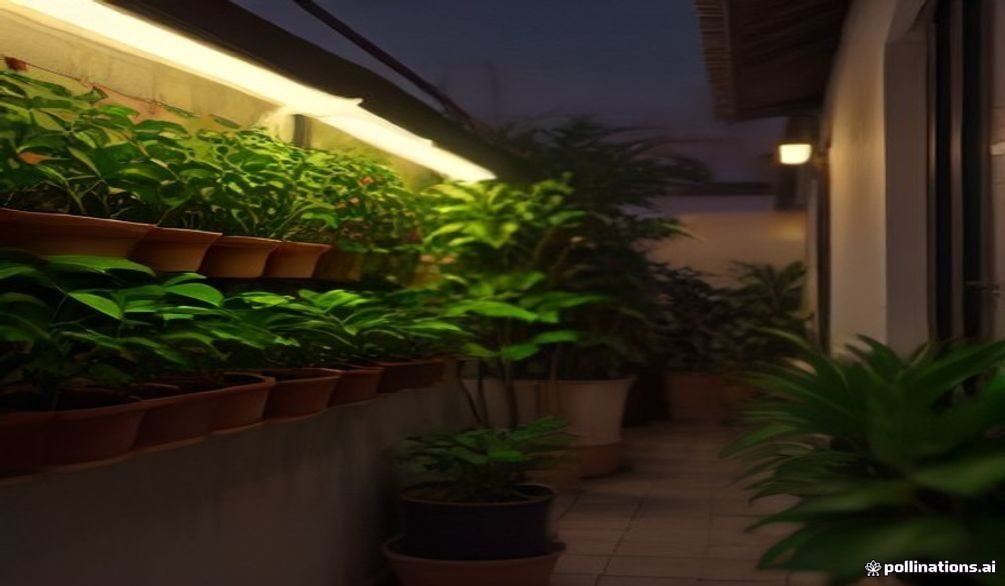
- Choose Your Location Wisely: Your balcony needs at least 4-6 hours of direct sunlight daily for most plants. If your balcony is shadier, you’ll need to consider supplementary balcony garden lighting, like an LED grow light.
- Select Your System: As discussed, DWC or Kratky are ideal for beginners. Decide based on your budget and willingness to use electricity.
- Gather Your Materials: You’ll need a reservoir (opaque to prevent algae), net pots, a growing medium (like rockwool or coco coir), nutrient solution, pH testing kit, and seeds or seedlings.
- Prepare Your Seeds/Seedlings: Start your seeds in rockwool cubes or other inert growing medium. Once they’ve sprouted and have a few true leaves, they’re ready for the hydroponic system.
- Mix Your Nutrient Solution: Follow the instructions on your chosen nutrient solution carefully. This is important for plant health. Plants absorb most nutrients between pH 5.5 and 6.5; drift outside this window and you’ll see stunted growth or strange leaf patterns, a classic sign of nutrient lockout.
- Set Up Your System:
- For DWC: Fill your reservoir with the nutrient solution. Place your net pots with seedlings into the holes in the reservoir lid, ensuring the bottom of the net pot touches the solution. Add your air stone and pump.
- For Kratky: Fill your reservoir so the bottom of the net pot with the seedling is submerged about an inch into the nutrient solution. No air pump needed!
- Monitor and Maintain: Regularly check your pH and nutrient levels, and top off or replace the solution as needed. We’ll dive deeper into this in a later section.
What most people miss is that initial setup is key. Don’t rush it. Taking your time here will save you headaches later. For those interested in maximizing vertical space, an Aerospring Garden vertical gardening system can also be a great option for balcony garden hydroponics, requiring no more than 1 square meter.
What plants grow well in balcony hydroponics?
Many plants thrive in balcony garden hydroponics, especially those with relatively shallow root systems and compact growth habits. Leafy greens captured 47.2% of the hydroponics market value by crop type in 2025, clearly indicating their suitability. These plants are generally fast-growing and provide quick rewards for your efforts.
When thinking about hydroponic plants for beginners, focus on varieties that don’t require extensive support or a long growing season. Here are some of the best plants for hydroponic balcony setups:
| Plant Type | Examples | Why They’re Good for Balcony Hydroponics |
|---|---|---|
| Leafy Greens | Lettuce (Romaine, Butterhead), Spinach, Kale, Swiss Chard | Fast-growing, compact, high yield, quick to harvest. Perfect for DWC or Kratky. |
| Herbs | Basil, Mint, Cilantro, Parsley, Chives, Oregano | Excellent for continuous harvesting, strong flavors, generally small. |
| Microgreens | Radish, Broccoli, Arugula, Mustard | Extremely fast-growing, can be harvested in 1-3 weeks, very nutrient-dense. |
| Small Fruiting Plants | Cherry Tomatoes, Strawberries, Bell Peppers (dwarf varieties) | Require more light and careful nutrient management but are rewarding. May need vertical support. |
Quick note before we move on: while larger vegetables like cucumbers, tomatoes, and melons can be grown hydroponically, they often require more advanced systems and space, like the Aerospring Garden vertical gardening system, making them less ideal for true beginners focusing on balcony garden hydroponics.
Essential materials for your balcony hydroponic setup
Setting up your balcony garden hydroponics system requires a specific set of materials that differ from traditional soil gardening. Having the right tools and components from the start will make your journey much smoother. Don’t skimp on quality here; it pays off in the long run.
To ensure a successful DIY hydroponics balcony project, you’ll need the following:
- Reservoir: An opaque container (e.g., a dark plastic tote) to hold your nutrient solution. Opaque is key to prevent algae growth.
- Net Pots: Small plastic mesh pots that hold your plants and growing medium, allowing roots to reach the nutrient solution.
- Growing Medium: An inert material to support your plants. Common choices include rockwool, coco coir, clay pebbles (hydroton), or perlite. Each has its pros and cons, but rockwool is a popular choice for starting seeds.
- Hydroponic Nutrients: A specially formulated liquid fertilizer containing all the macro and micronutrients your plants need. Brands like General Hydroponics Flora Series (FloraGro, FloraBloom, FloraMicro) or FoxFarm Grow Big Hydroponic are excellent starting points.
- pH Testing Kit & Adjusters: Essential for monitoring and adjusting the pH of your nutrient solution. A digital pH meter is most accurate, but liquid test kits are fine for beginners. You’ll need pH Up and pH Down solutions.
- Air Pump & Air Stone (for DWC only): To provide oxygen to the roots in a DWC system, preventing root rot.
- Seeds or Seedlings: Start with easy-to-grow varieties like lettuce or basil.
- Light Source: Natural sunlight is best, but if your balcony lacks sufficient light, consider an LED grow light. A Treegers GB30W LED Grow Bulb can be threaded into standard household lamp fittings, offering an easy solution.
- Timer: For grow lights and air pumps, if applicable, to automate cycles.
- Water: Tap water is usually fine, but if your tap water is very hard or chlorinated, consider filtered water.
In practice, a common mistake I’ve seen is people using clear containers for their reservoirs. This leads to rampant algae growth, which competes with your plants for nutrients and can clog your system. Always use an opaque container for your balcony garden hydroponics. Seriously, this surprised me the first time I tried it and saw how quickly algae could take over.
Maintaining your balcony hydroponic system
Maintaining your balcony hydroponic system is crucial for healthy plant growth and ensures a continuous harvest. While hydroponics is often considered lower maintenance than soil gardening, consistent monitoring and adjustments are still necessary. It’s not set-it-and-forget-it, but it’s certainly manageable.
Here are the key maintenance tasks for your balcony garden hydroponics:
- Monitor pH Levels Daily: Check the pH of your nutrient solution every day or two. As mentioned earlier, plants absorb most nutrients between pH 5.5 and 6.5. Use pH Up or pH Down solutions to keep it in this optimal range. Consistent pH is vital to prevent nutrient lockout.
- Check Nutrient Solution Levels: As plants grow, they will consume water. Top off your reservoir with fresh, pH-adjusted water (and sometimes a small amount of diluted nutrient solution). For Kratky systems, you’ll typically let the solution deplete and then replace it entirely.
- Replace Nutrient Solution Regularly: Depending on the size of your reservoir and the growth stage of your plants, you’ll need to completely replace the nutrient solution every 1-2 weeks. This prevents nutrient imbalances and the buildup of pathogens. When replacing, clean your reservoir thoroughly.
- Inspect Plants for Pests and Diseases: Even without soil, pests can still find their way to your plants. Regularly check leaves (top and bottom) for any signs of insects or unusual spots. Early detection is key.
- Clean Your System: Every time you replace the nutrient solution, take the opportunity to clean your reservoir and any tubing or air stones. This prevents algae and bacterial buildup.
- Pruning and Support: As your plants grow, prune them to encourage bushier growth and prevent overcrowding. For larger plants, provide support with stakes or string to prevent them from toppling over.
Real talk: neglecting pH monitoring is the fastest way to stunted growth. It sounds simple, but consistent checking is important. This is where most beginners make their first big mistake in balcony garden hydroponics. Invest in a good pH meter from the start.
Common challenges and solutions for balcony hydroponics
While balcony garden hydroponics offers many advantages, beginners can encounter a few common challenges. Knowing these pitfalls and their solutions will save you frustration and help ensure your garden thrives. Don’t worry, most issues are easily fixable.
Here’s a look at common problems and how to tackle them:
| Challenge | Description | Solution for Balcony Garden Hydroponics |
|---|---|---|
| Algae Growth | Green slime in the reservoir or on growing media. Competes for nutrients, clogs systems. | Use an opaque reservoir. Ensure no light penetrates the nutrient solution. Clean reservoir thoroughly during solution changes. |
| Nutrient Deficiencies/Toxicity | Yellowing leaves, stunted growth, burnt leaf tips. Often due to incorrect pH or nutrient strength. | Regularly check and adjust pH (5.5-6.5). Follow nutrient manufacturer’s instructions carefully for dosage. Flush system if toxicity suspected. |
| Root Rot | Mushy, brown, foul-smelling roots. Caused by lack of oxygen or excessive heat. | Ensure adequate oxygenation (for DWC, check air pump/stone). Keep nutrient solution cool (below 75°F/24°C). Consider a small fan for air circulation. |
| Pests | Aphids, spider mites, fungus gnats can still appear, especially if plants are stressed. | Regularly inspect plants. Use organic pest control like neem oil or insecticidal soap. Introduce beneficial insects if necessary. |
| Temperature Fluctuations | Balconies can get very hot or cold, impacting solution temperature and plant health. | Insulate reservoirs in extreme weather. Use reflective materials to deflect sun. Consider moving plants indoors during severe conditions. |
One common mistake I’ve observed is over-complicating things. Start simple. For example, if you notice stunted growth, your first thought might be disease, but it’s often a pH issue. Remember that “Plants absorb most nutrients between pH 5.5 and 6.5. Drift outside this window and you’ll see stunted growth or strange leaf patterns, a classic sign of nutrient lockout.” This quote really highlights the importance of keeping an eye on pH. So, before you panic, check your pH. Balcony garden hydroponics is incredibly rewarding when you address these issues proactively.
Frequently asked questions
Is hydroponics good for beginners?
Yes, hydroponics is excellent for beginners, especially with simple systems like Deep Water Culture (DWC) or the Kratky method. These systems are straightforward to set up and maintain, requiring less gardening experience than traditional soil methods. Plants grown hydroponically can grow 30-50% faster than in soil, providing quicker results that encourage new growers.
What is the easiest hydroponic system for beginners?
The easiest hydroponic system for beginners is often the Kratky method, followed closely by Deep Water Culture (DWC). The Kratky method is entirely passive, requiring no electricity or pumps, while DWC uses a simple air pump to oxygenate the nutrient solution. Both are ideal for small-scale balcony garden hydroponics and growing leafy greens or herbs.
How do you start a hydroponic garden on a balcony?
To start a hydroponic garden on a balcony, choose a sunny spot, select a simple system like DWC, gather materials like an opaque reservoir, net pots, growing medium, and hydroponic nutrients. Then, prepare your seedlings, mix your nutrient solution, set up your system, and begin monitoring pH and nutrient levels regularly. This approach to balcony garden hydroponics ensures a successful beginning.
What plants grow well in balcony hydroponics?
Leafy greens such as lettuce, spinach, and kale, along with herbs like basil, mint, and cilantro, grow exceptionally well in balcony hydroponics. Microgreens are also excellent choices for rapid harvests. Leafy greens alone captured 47.2% of the hydroponics market value by crop type in 2025, demonstrating their proven success in these systems.
What are essential materials for a balcony hydroponic setup?
Essential materials for a balcony hydroponic setup include an opaque reservoir, net pots, an inert growing medium (like rockwool or coco coir), a complete hydroponic nutrient solution, a pH testing kit with adjusters, and seeds or seedlings. For DWC systems, an air pump and air stone are also key. These form the foundation for any successful balcony garden hydroponics project.
Embarking on balcony garden hydroponics is a rewarding venture that transforms small urban spaces into productive gardens. By following these seven simple steps—from choosing the right system to consistent maintenance—you can enjoy fresh, homegrown produce with less water and faster growth. Don’t be afraid to start small with a DWC or Kratky system; the experience you gain will be invaluable. So, grab your supplies, get planting, and watch your balcony garden hydroponics flourish.