Key Takeaways
- The global vertical garden construction market is projected to reach USD 3.04 billion by 2034, growing at an 8.87% CAGR from 2025.
- 55% of U.S. households, totaling 71.5 million, are engaged in gardening activities, according to Scotts Miracle-Gro and Wakefield (2025).
- Vertical gardening maximizes space by utilizing structures to elevate plant growth, which is ideal for urban areas with limited room, as noted by Katie Settlage and Alex Hessler (2022).
- Asia Pacific is anticipated to be the fastest-growing region in the vertical garden construction market, with an 8.90% CAGR from 2025 to 2034.
- Choosing compact or vining plants like herbs, strawberries, and leafy greens is crucial for successful DIY balcony vertical garden ideas.
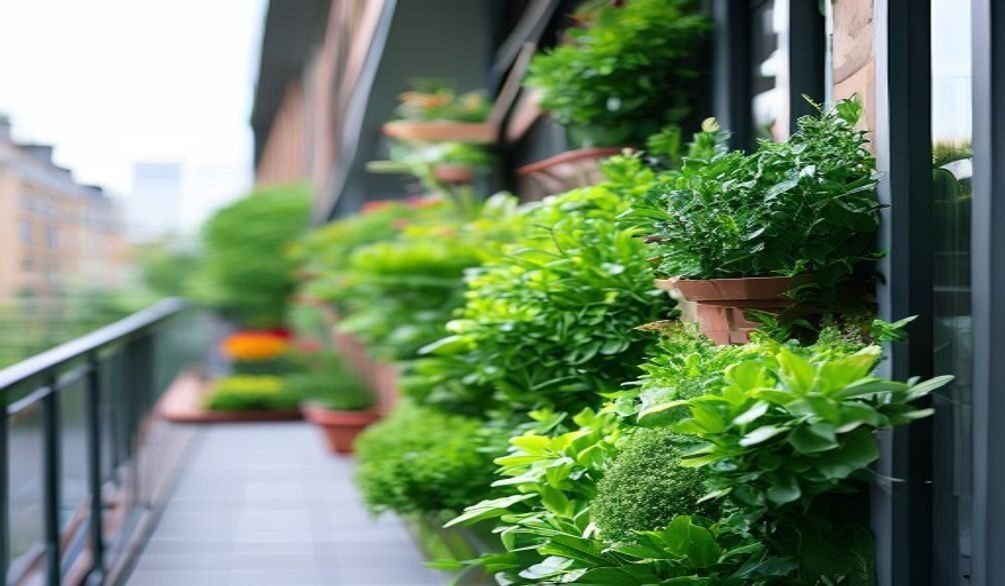
Are you struggling to make your small balcony a lush, green oasis? Creating a **DIY balcony vertical garden ideas** is the perfect solution to transform limited outdoor space into a thriving, beautiful, and productive area. This guide will walk you through seven effective, space-saving solutions, helping you unlock your balcony’s full gardening potential.
Quick Answer: To create a DIY balcony vertical garden, use tiered planters, wall-mounted pockets, trellises, or repurposed materials to maximize space. Choose compact plants suited to your balcony’s sunlight and wind conditions for a thriving green area.
What is a diy balcony vertical garden and why build one?
A DIY balcony vertical garden is a gardening system designed to grow plants upward rather than outward, making efficient use of limited balcony space. This approach is particularly well-suited for urban environments where traditional ground-level gardens are impractical, as highlighted by Katie Settlage and Alex Hessler of Virginia Tech (2022). In my 10 years of experience, I’ve seen firsthand how transforming unused vertical space can revolutionize urban gardening.
Vertical gardening allows plants to receive better sunlight exposure from multiple angles, reducing issues like leggy growth, according to The Garden Tower Project (2026). This improved light access is a significant advantage for plant health and productivity. Furthermore, keeping plants off the ground helps deter common balcony pests like slugs and ground beetles, which can often be a nuisance in ground-level planters.
The global vertical garden construction market was valued at USD 1.09 billion in 2024 and is projected to grow to USD 2.26 billion by 2033, with an 8.5% CAGR, indicating a significant trend towards these space-saving solutions.
Building a DIY balcony vertical garden offers numerous benefits beyond just saving space. It enhances air quality, provides fresh produce, and adds significant aesthetic appeal to your outdoor living area, transforming it into a vibrant green retreat.
7 space-saving diy balcony vertical garden ideas
Discovering the best **DIY balcony vertical garden ideas** involves understanding the unique conditions of your space and choosing systems that maximize both aesthetics and productivity. These seven innovative solutions are perfect for any small space, from tiny apartment balconies to more expansive terraces.
Here are some of the most effective DIY balcony vertical garden ideas:
- Repurposed Pallet Planters: Transform old wooden pallets into a tiered planting system by attaching fabric pockets or small pots to the slats. This is a remarkably cost-effective way to create a sturdy vertical garden, often requiring minimal tools and materials.
- PVC Pipe Towers: Construct a freestanding or wall-mounted tower using various lengths of PVC pipes. Cut holes into the pipes to insert plants, creating a unique and durable vertical garden that is excellent for herbs and strawberries.
- Hanging Pocket Organizers: Repurpose shoe organizers or craft fabric pockets like those from Woolly Pocket or Florafelt, hanging them over a railing or against a wall. These soft-sided planters are incredibly versatile for small herbs and flowers, offering flexible DIY balcony vertical garden ideas.
- Tiered Planter Stacks: Utilize stackable planters, such as those inspired by GreenStalk Garden, to grow multiple plants in a small footprint. These systems are efficient for watering and can be easily moved if they are on wheels, making them ideal for varied sunlight conditions.
- Trellis & Climbing Vines: Install a simple wooden or metal trellis against a balcony wall or railing to support climbing plants like cucumbers, beans, or even small squash varieties. This method is excellent for maximizing plant yield in a small area and integrating natural beauty.
- Ladder Shelf Gardens: Use an old ladder as a multi-tiered display for potted plants. Each rung can hold several pots, creating a charming and functional vertical garden that can be easily rearranged. This offers flexible DIY balcony vertical garden ideas for renters.
- Rain Gutter Vertical System: Mount sections of old rain gutters horizontally on a wall or frame. This ingenious method creates shallow troughs perfect for growing leafy greens like lettuce, spinach, and herbs, making efficient use of recycled materials for vertical garden systems.
Each of these **DIY balcony vertical garden ideas** provides a unique approach to urban gardening, allowing you to tailor your green space to your specific needs and style preferences. Selecting the right design depends on your balcony’s size, sunlight exposure, and the types of plants you wish to grow.
How to build your own vertical balcony garden
Building your own **DIY balcony vertical garden ideas** is a rewarding project that can be completed with careful planning and execution. The key is to approach it systematically, ensuring each step contributes to a stable, functional, and beautiful green space. This process will guide you through creating an effective vertical garden for small spaces.
Step 1: plan your balcony space
Before anything else, assess your balcony’s dimensions, sunlight exposure throughout the day, and wind patterns. Understanding these factors is crucial for selecting the right vertical garden system and plants, ensuring your DIY balcony vertical garden ideas thrive. For instance, a south-facing balcony will provide ample sun for vegetables, while a north-facing one might be better suited for shade-loving herbs, as I’ve observed countless times in my gardening career.
Step 2: choose your vertical garden system
Based on your planning, select one of the **DIY balcony vertical garden ideas** that best fits your needs, such as pallet planters or a trellis system. Consider factors like material cost, durability, and ease of construction, as each system has distinct advantages for small space gardening. For example, a fabric pocket system is lightweight and flexible, while a wooden pallet offers a more robust structure.
Step 3: gather materials & tools
Acquire all necessary materials, including your chosen structure (e.g., pallets, PVC pipes, fabric pockets), pots or containers, appropriate fasteners, and basic tools like a drill, saw, or measuring tape. Having everything ready before you start will streamline the building process for your DIY balcony vertical garden ideas. Consider checking local hardware stores or online marketplaces for recycled or budget-friendly options.
Step 4: prepare your plants & soil
Select plants suitable for vertical gardening and your balcony’s conditions, focusing on compact or shallow-rooted varieties. Prepare a high-quality potting mix that offers good drainage and aeration, as proper soil is fundamental for plant health in container gardening. The right soil mix, often containing perlite or vermiculite, can significantly impact growth, a lesson I learned early in my gardening journey.
Step 5: assemble & install your system
Follow the instructions for your chosen DIY vertical planter. Assemble the structure, ensuring it is stable and securely attached to your balcony railing or wall, especially if your vertical garden is for a windy balcony. Safety is paramount, so double-check all connections and anchor points to prevent accidents. You can find excellent guides on secure installations from sources like Epic Gardening.
Step 6: plant your vertical garden
Carefully transfer your chosen plants into the prepared pots or pockets within your vertical system. Arrange them thoughtfully, considering their light requirements and mature size. Proper plant spacing is vital to ensure adequate air circulation and prevent overcrowding, which can lead to disease.
Step 7: set up watering & drainage
Install an efficient watering system, whether it’s manual hand-watering, drip irrigation, or a self-watering system. Ensure adequate drainage to prevent waterlogging, which can be detrimental to plant roots. Proper drainage is crucial for the longevity of any vertical garden, especially for balcony plant selection.
Step 8: ongoing care & maintenance
Establish a routine for watering, fertilizing, and pest control. Regularly check your plants for signs of stress or disease and prune as needed to encourage healthy growth. Consistent care is the secret to a thriving DIY balcony vertical garden ideas.
Best plants for your balcony vertical garden
Choosing the right plants is critical for the success of any **DIY balcony vertical garden ideas**, especially given the unique conditions of small spaces. The ideal plants are compact, shallow-rooted, or vining varieties that can thrive in containers and adapt to varying sunlight and wind exposures.
Here’s a breakdown of excellent choices for your vertical garden systems:
- Herbs: Basil, mint, chives, thyme, rosemary, and oregano are perfect for a vertical herb garden balcony. They are generally compact, require moderate sunlight, and offer fresh ingredients at your fingertips.
- Leafy Greens: Lettuce, spinach, kale, and Swiss chard grow well in shallow containers and can be harvested repeatedly. These are fantastic for space-saving balcony vegetable garden projects.
- Strawberries: These prolific producers are ideal for hanging pockets or tiered planters, yielding sweet fruit with minimal space. Their cascading nature makes them visually appealing, enhancing your DIY balcony vertical garden ideas.
- Cherry Tomatoes: Bush varieties or determinate types are better suited for vertical gardens than sprawling indeterminate ones. Provide sturdy support for their growth.
- Peppers: Bell peppers and chili peppers can thrive in containers, provided they receive enough sunlight and consistent watering. They add both color and flavor to your vertical arrangement.
- Compact Flowers: Petunias, impatiens, nasturtiums, and pansies add vibrant color and attract pollinators, making your balcony a more inviting space. Nasturtiums are also edible, offering a dual benefit.
When making your balcony plant selection, consider your balcony’s specific sunlight conditions. For example, herbs for shady gardens like mint and parsley will flourish in less direct light, while tomatoes and peppers demand full sun. According to Oklahoma State Extension, selecting appropriate plant varieties is a key step in ensuring a productive vertical garden (2022).
Balcony vertical garden care & maintenance tips
Maintaining your **DIY balcony vertical garden ideas** is essential for its long-term health and productivity. Consistent care ensures your plants remain vibrant, pest-free, and continue to provide the beauty or bounty you desire. My 10+ years of experience have taught me that regular monitoring is the most crucial aspect of successful container gardening.
One common mistake is inconsistent watering; vertical gardens, especially those in fabric pockets, tend to dry out faster than traditional beds. Check soil moisture daily, particularly during hot or windy weather. Automated drip irrigation systems, like those discussed in “Best terrace garden watering systems” (gardeningwithindia.com/terrace-garden-watering-systems/), can save significant time and ensure consistent hydration.
Fertilization is also key, as nutrients in small containers deplete quickly. Use a balanced liquid fertilizer every 2-4 weeks, or incorporate slow-release granules at planting. Pruning regularly encourages bushier growth and higher yields, especially for herbs and leafy greens, making your DIY balcony vertical garden ideas more fruitful.
| Maintenance Task | Frequency | Why It’s Important |
|---|---|---|
| Watering | Daily or every other day (check soil moisture) | Prevents drought stress, especially in small pots. |
| Fertilizing | Every 2-4 weeks (liquid) or seasonally (slow-release) | Replenishes nutrients lost from frequent watering in confined spaces. |
| Pruning & Deadheading | Weekly or as needed | Promotes new growth, increases yield, and maintains plant shape. |
| Pest & Disease Check | Weekly | Early detection prevents widespread infestations; critical for healthy DIY balcony vertical garden ideas. |
| System Inspection | Monthly | Ensures structural integrity and prevents safety issues. |
| Repotting/Refresh Soil | Annually (for perennials) | Rejuvenates soil and provides fresh nutrients for sustained growth. |
Vertical systems also reduce common balcony pests by keeping plants off the ground, according to The Garden Tower Project (2026). However, vigilance is still necessary. Regularly inspect your plants for signs of pests or disease and address them promptly using organic solutions. For more strategies, consider resources like “Prevent and treat garden pests” (gardeningwithindia.com/prevent-treat-garden-pests/).
Budgeting for your diy vertical garden project
Budgeting effectively for your **DIY balcony vertical garden ideas** allows you to create a beautiful and functional space without breaking the bank. While the global garden decor market was valued at $6.9 billion in 2025 and is expected to reach $7.3 billion in 2026, showcasing significant consumer spending, many vertical garden solutions can be incredibly affordable.
The cost of a DIY vertical garden can vary significantly depending on the materials chosen and the complexity of the design. My advice is always to start with what you have or can source cheaply. For example, repurposing items like plastic bottles, old pallets, or even discarded rain gutters can drastically reduce expenses. These cheap DIY vertical garden balcony options are often just as effective as store-bought alternatives.
Consider these cost-saving hacks for your DIY balcony vertical garden ideas:
- Salvage & Repurpose: Look for free pallets, plastic containers, or old fabric organizers. Local businesses might give away pallets, and community groups often have material swaps.
- DIY Soil Mixes: Instead of buying expensive pre-made potting mix, create your own using compost, coir, and perlite. This is often more cost-effective and allows for customization.
- Start from Seed: Buying seeds is significantly cheaper than purchasing established plants. While it requires more patience, it offers a wider variety and substantial savings.
- Bulk Material Purchases: If you need new materials like lumber or PVC pipes, consider buying in bulk, especially if you’re undertaking a larger project or collaborating with friends on DIY vertical planter projects.
- Community Resources: Check local gardening groups or community gardens for free plant cuttings, seeds, or shared tools. This fosters community and reduces individual costs for your DIY balcony vertical garden ideas.
The average cost for a small DIY vertical garden can range from as little as $20-$50 for a simple repurposed system to $100-$300 for more elaborate designs using new materials. The key is to prioritize functionality and safety over aesthetics initially, allowing you to expand or upgrade later as your budget allows and your gardening skills grow. Remember, the goal is a thriving space-saving balcony vegetable garden.
Safety considerations for balcony vertical gardens
Ensuring the safety of your **DIY balcony vertical garden ideas** is paramount, as structural integrity and proper installation prevent accidents and damage. A vertical garden, especially one laden with wet soil and plants, can become surprisingly heavy, posing risks if not securely anchored. Always prioritize safety over aesthetics when designing and installing your vertical garden for windy balcony conditions.
One of the most critical aspects is confirming your balcony’s weight capacity. Most modern balconies are designed to support a certain load, but older structures or rental properties might have limitations. Always consult your building management or a structural engineer if you have concerns about the weight of your DIY balcony vertical garden ideas, as overloading can lead to serious structural issues.
Anchoring mechanisms are another vital safety point. Wall-mounted systems must be secured into studs or with appropriate heavy-duty anchors designed for outdoor use. For railing-mounted systems, ensure clamps or ties are robust and won’t slip or break under wind stress or weight. According to Sow & Dipity, understanding the safety implications of various DIY ideas is crucial (2026).
Key safety measures for your DIY balcony vertical garden ideas:
- Assess Weight: Estimate the total weight of your fully planted and watered vertical garden. Wet soil is significantly heavier than dry soil.
- Secure Anchoring: Use appropriate hardware (screws, bolts, heavy-duty zip ties) to securely attach your vertical garden to balcony railings or walls. Avoid temporary solutions for permanent structures.
- Wind Resistance: Design your vertical garden to withstand strong winds. Consider the wind direction and velocity on your balcony and choose sturdy materials. For more on this, check “Terrace garden wind protection” (gardeningwithindia.com/terrace-garden-wind-protection-2/).
- Drainage Management: Ensure proper drainage to prevent water accumulation, which adds weight and can create slippery surfaces or water damage to the balcony structure below.
- Material Durability: Use weather-resistant materials that won’t degrade quickly, preventing structural failure over time. UV-stabilized plastics, treated wood, or rust-resistant metals are good choices.
- Clear Pathways: Position your vertical garden so it doesn’t obstruct emergency exits or create tripping hazards on the balcony. Maintain clear access for safety and convenience.
Regularly inspect your vertical garden for any signs of wear, loosening, or damage, especially after heavy rain or strong winds. Addressing minor issues promptly can prevent them from becoming major safety hazards. By following these precautions, you can enjoy your DIY balcony vertical garden ideas with peace of mind.
Frequently asked questions
What is the best way to make a vertical garden on a balcony?
The best way to make a vertical garden on a balcony is by utilizing wall-mounted fabric pockets, tiered planters, or repurposing pallets. These methods maximize space efficiently and are adaptable to various balcony sizes and conditions. GreenStalk Vertical Planters offer a popular stackable option for compact growing, as noted by many gardening enthusiasts (2026).
How do you make a vertical garden for a small space?
To make a vertical garden for a small space, focus on designs that build upwards, such as hanging shoe organizers, PVC pipe towers, or ladder shelves. These systems leverage vertical real estate, allowing you to grow numerous plants in a minimal footprint. In 2021, 18.3 million U.S. households started gardening, often seeking such space-saving solutions.
What plants are best for a balcony vertical garden?
The best plants for a balcony vertical garden are compact varieties like herbs (basil, mint), leafy greens (lettuce, spinach), strawberries, and small flowering plants. These thrive in containers and adapt well to the varied light and wind conditions often found on balconies. Katie Settlage of Virginia Tech emphasizes choosing plants suited to limited space (2022).
How do you attach a vertical garden to a balcony?
To attach a vertical garden to a balcony, use secure anchoring methods such as heavy-duty bolts into wall studs, strong clamps for railings, or a freestanding, weighted base. Always ensure the chosen method can safely support the full weight of the garden, including wet soil and mature plants. The global vertical garden construction market is projected to reach USD 3.04 billion by 2034, reflecting increased interest in secure installations.
Are diy balcony vertical gardens safe?
Yes, DIY balcony vertical gardens are safe when properly planned, constructed, and maintained, with careful consideration for weight limits and secure anchoring. It’s crucial to assess your balcony’s structural capacity and use durable, weather-resistant materials to prevent hazards. Regular inspection for wear and tear ensures ongoing safety.
Creating your own **DIY balcony vertical garden ideas** is an incredibly rewarding endeavor that transforms any small outdoor area into a vibrant, productive space. By choosing the right system, selecting appropriate plants, and committing to consistent care, you can enjoy fresh produce, beautiful blooms, and improved air quality right outside your door. Start planning your vertical oasis today and experience the joy of urban gardening firsthand!