Key Takeaways
- The global weed control market was valued at USD 29.29 billion in 2025, according to market projections.
- Hand-pulling is considered the most effective method for weed removal if all roots are extracted, states Gabrielle LaTora from the University of Georgia.
- Applying pre-emergent herbicides in early spring, before soil temperatures reach the mid-fifties, prevents weed seeds from sprouting, advises Tyler Brady of Sure Shot Pest & Weed Control.
- A 2-3 inch layer of mulch can significantly reduce weed growth by blocking sunlight and suppressing germination.
- The weed control services market is projected to reach USD 62.38 billion by 2035, growing at a CAGR of around 6%.
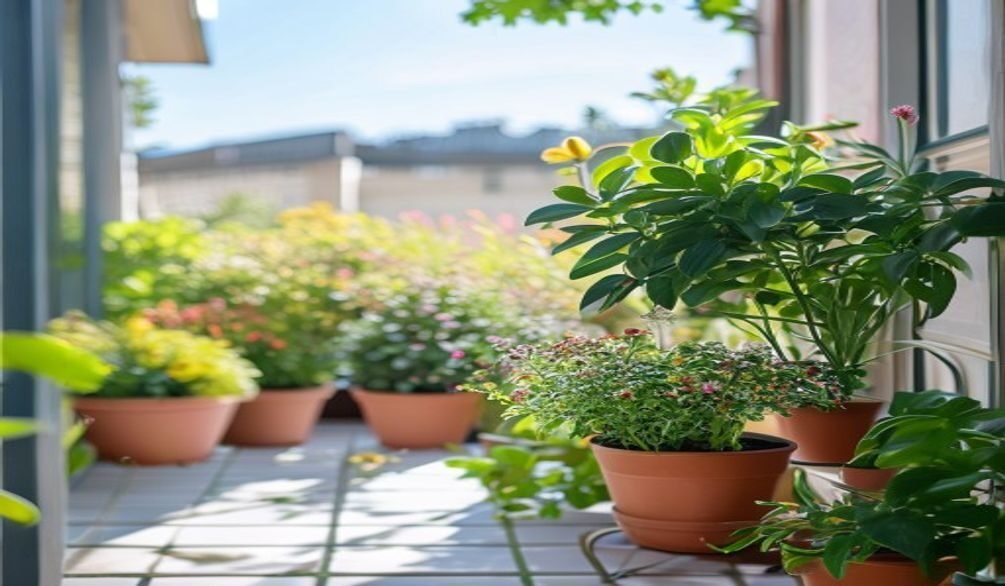
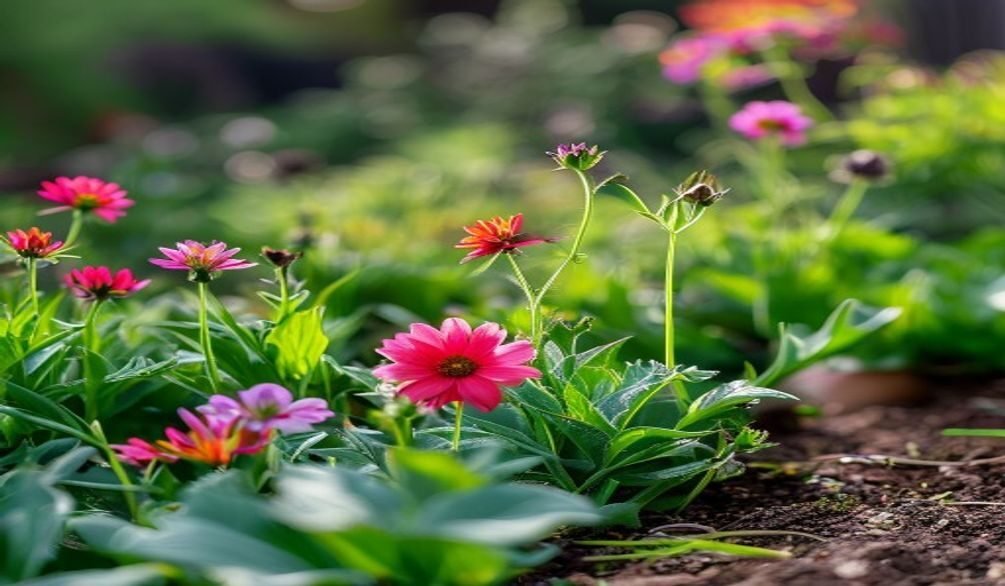
When you’re nurturing vibrant marigolds or delicate rajnigandha on your Mumbai balcony, nothing feels worse than seeing stubborn weeds pop up, trying to steal nutrients and space. It’s a common struggle for urban gardeners, and knowing how to effectively beat weeds in a flower garden can make all the difference between a thriving display and a frustrating mess. We’ll explore five fast, proven ways to reclaim your beautiful blooms.
Quick Answer: To quickly beat weeds in a flower garden, prioritize regular hand-pulling, apply pre-emergent herbicides in early spring, use a 2-3 inch layer of mulch, plant densely to shade the soil, and target existing weeds with post-emergent sprays.
What is the best way to keep weeds out of flower beds?
The best way to keep weeds out of flower beds combines proactive prevention with consistent removal. Hand-pulling is actually the most effective method for removing weeds, especially if you get all the roots, according to Gabrielle LaTora, an agriculture and natural resources agent from the University of Georgia. I’ve found that a multi-pronged approach really helps you to beat weeds in a flower garden, especially during the humid monsoon months in places like Pune.
Here’s what I recommend:
- Mulching: A 2-3 inch layer of organic mulch, like cedarwood or even shredded leaves, blocks sunlight from reaching weed seeds, preventing them from sprouting. It also helps retain soil moisture, which is a big plus for your flowers.
- Hand-weeding: Regularly pulling weeds by hand, especially when they’re young and the soil is damp, is incredibly effective. It’s time-consuming, yes, but it ensures you remove the entire plant, root and all.
- Pre-emergent herbicides: Applying a pre-emergent in early spring can stop weed seeds from germinating in the first place. This is a game-changer if you want to beat weeds in a flower garden before they even appear.
- Dense planting: Filling your flower beds with healthy, closely spaced plants shades the soil, making it harder for weeds to establish themselves.
- Proper watering: Water your plants directly at the base, rather than overhead. This minimizes water availability for weed seeds scattered on the soil surface.
These strategies, when used together, create a formidable defense against unwanted growth.
How do i permanently get rid of weeds in my flower beds?
Achieving permanent weed eradication in flower beds is a tough goal, but consistent effort and smart techniques can drastically reduce their presence. The key is to break the weed life cycle, preventing them from flowering and setting new seeds. The RHS (Royal Horticultural Society) Advice Team emphasizes removing weeds before or as soon as they start flowering to stop seed spread, which is crucial if you want to beat weeds in a flower garden for good.
Here’s how to approach it:
- Remove all roots: For perennial weeds, simply pulling the top growth isn’t enough; the roots will regenerate. Use a weeding fork or a trowel to dig deep and ensure you extract the entire root system.
- Consistent vigilance: Inspect your beds weekly. Catching weeds when they are tiny makes removal much easier and prevents them from getting established.
- Apply pre-emergents: As Tyler Brady, president of Sure Shot Pest & Weed Control, advises, pre-emergent herbicides kill weed seeds before they sprout. Products like Preen Extended Control Weed Preventer can offer up to 6 months of weed prevention, helping to beat weeds in a flower garden over the long term.
- Use a weed barrier: For new beds or heavily infested areas, consider laying down cardboard or a landscape fabric before mulching. This creates an impenetrable physical barrier.
Honestly, “permanent” is a strong word in gardening, but you can definitely achieve a near-weed-free state with dedication. My own experience with stubborn weeds like *Cynodon dactylon* (doob grass) in my balcony containers taught me that persistence is paramount.
What is the best weed killer for flower beds that won’t kill flowers?
The best weed killer for flower beds that won’t harm your desired plants is a selective herbicide designed for broadleaf weeds in ornamental gardens or a targeted post-emergent application. Tyler Brady notes that post-emergent herbicides “works way better on young weeds than mature ones,” which is a crucial insight. You want something that targets the weeds without causing collateral damage to your precious gulmohar seedlings or hibiscus plants.
When choosing a product to beat weeds in a flower garden, look for:
- Selective broadleaf herbicides: These are formulated to kill broadleaf weeds (like dandelions or clover) while leaving grasses and many ornamental plants unharmed. Always read the label carefully to ensure it’s safe for your specific flowers.
- Glyphosate-based products (with caution): Glyphosate is a non-selective herbicide, meaning it will kill anything green it touches. However, if used very carefully as a spot treatment, perhaps with a brush to apply directly to the weed leaves, it can be effective for knocking down emerged weeds without hitting your flowers. Ortho GroundClear Super Weed and Grass Killer can show wilting in hours, but you must be precise.
- Horticultural vinegar: Higher concentrations (20% acetic acid) can act as a non-selective contact killer. Green Gobbler 20% Vinegar Weed & Grass Spray works on contact, causing weeds to wither within 4-24 hours. Just avoid getting it on your flowers!
Always remember to test any new product on a small, inconspicuous area first, and apply on a calm, windless day to prevent drift onto your flowers.
How do i keep my flower beds weed free naturally?
Keeping your flower beds weed-free naturally focuses on cultural practices that suppress weed growth without chemicals. This is often the preferred method for organic gardeners who want to beat weeds in a flower garden using eco-friendly approaches.
Here are some effective natural strategies:
- Thick Mulch Layer: Applying a 2-3 inch layer of organic mulch like wood chips, straw, or even compost is incredibly effective. Cedarwood mulch, for instance, is known for matting together and inhibiting weed growth, according to various gardening sources. This prevents light from reaching weed seeds and smothers any tiny sprouts.
- Regular Hand-Weeding: This is the oldest trick in the book for a reason. Consistently pulling weeds by hand, especially when they’re small and the soil is moist, ensures you remove the entire plant. Make it a routine – maybe 15 minutes every other day.
- Dense Planting: Plant your flowers closer together, ensuring their foliage eventually touches and shades the soil. This natural canopy blocks sunlight, making it difficult for weed seeds to germinate and thrive.
- Cardboard Barriers: For larger areas or new beds, strategically placing cardboard as a weed barrier under your mulch can be very effective. It breaks down over time, adding organic matter to the soil.
- Smart Watering: Water your flower plants at their base, directly targeting their roots. Avoid overhead watering, which can encourage weed seeds on the soil surface to sprout.
These natural methods might require more consistent effort, but they’re gentle on your plants and the environment.
When is the best time to apply weed preventers?
The best time to apply weed preventers, specifically pre-emergent herbicides, is in early spring before soil temperatures consistently hit the mid-fifties Fahrenheit (around 12-13°C) and before weed seeds begin to germinate. Tyler Brady from Sure Shot Pest & Weed Control specifically advises this timing to kill weed seeds before they sprout. For many parts of India, this means applying during the late winter or very early pre-monsoon period, often around February or March, depending on your local climate.
Applying pre-emergents effectively to beat weeds in a flower garden:
- Know your local climate: Soil temperatures are more important than air temperatures. Use a soil thermometer if you can, or track local university extension recommendations.
- Apply before germination: The goal is to create a barrier that prevents seeds from sprouting. Once weeds are visible, pre-emergents won’t work on them.
- Reapply as needed: Many pre-emergent products, like Preen Natural Garden Weed Preventer, offer prevention for 4 to 6 weeks. For longer control, you might need a second application later in the season. Products like Roundup Landscape Weed Preventer claim up to 6 months of control.
- Water it in: After application, lightly water the area to activate the herbicide and move it into the top layer of the soil where weed seeds reside.
This proactive step is one of the most impactful ways to reduce weeding chores throughout the growing season.
What tools make weeding easier?
Having the right tools can make a significant difference in how efficiently you beat weeds in a flower garden, turning a dreaded chore into a manageable task. Investing in a few quality tools can save your back and your sanity, especially when dealing with stubborn growth around your flowering plants.
Here are some essential tools I rely on:
- Hand Weeder/Dandelion Digger: These tools have a V-shaped or forked tip perfect for prying out tap-rooted weeds like dandelions or broadleaf plantain, ensuring you get the entire root.
- Action Hoe (or Stirrup Hoe): This tool has a sharp, oscillating blade that cuts weeds just below the soil surface with minimal effort. The RHS Advice Team suggests hoeing annual and ephemeral weeds regularly in dry weather, which an action hoe excels at. It’s fantastic for large areas of young annual weeds.
- Trowel and Fork: A sturdy hand trowel and a small garden fork are indispensable for digging out larger, more established weeds, especially in tight spaces around your flowers.
- Weeding Gloves: Good quality, durable gloves protect your hands from thorns, blisters, and irritating plant sap.
- Auger Drill Bit: For deep-rooted weeds in tougher soil, an auger drill bit attached to an 18-volt or greater drill can be surprisingly effective. After soaking the soil, it makes quick work of extracting roots.
I’ve learned that a good pair of gloves and a sharp hoe are worth their weight in gold, making the task of weed control flower beds much less daunting.
How does dense planting help control weeds?
Dense planting is a fantastic natural strategy to beat weeds in a flower garden because it effectively shades the soil, depriving weed seeds of the sunlight they need to germinate and grow. When your desirable plants are spaced closely, their foliage creates a living canopy that covers the ground. This minimizes bare soil exposure, which weeds absolutely love.
Here’s how this works its magic:
- Sunlight Blockage: Most weed seeds require light to sprout. A dense canopy of flower leaves blocks this crucial light, keeping dormant weed seeds from ever seeing the sun.
- Resource Competition: Closely planted flowers also compete fiercely for water and nutrients. Weeds, being opportunistic, find it much harder to establish themselves when they’re up against healthy, vigorous ornamental plants.
- Microclimate Modification: The dense foliage can also alter the microclimate at the soil level, potentially making it less hospitable for some weed species.
This method not only helps with weed prevention in garden beds but also creates a lush, full appearance, making your flower beds even more attractive. For example, planting marigolds or vincas a bit closer than usual can create a beautiful, weed-suppressing carpet.
Are organic weed killers effective?
Yes, organic weed killers can be quite effective, especially for young weeds and as contact killers, but they often work differently and may require more frequent application than synthetic options. Products like Green Gobbler 20% Vinegar Weed & Grass Spray or Avenger Organic Weed Killer Herbicide Spray, based on citrus oil, can show visible results within hours or a day. I’ve personally used vinegar-based solutions on my terrace garden in Delhi during the post-monsoon season to tackle small weeds around my tulsi plants, and they work well for quick knockdowns.
It’s important to understand their limitations:
- Contact Killers: Most organic weed killers are contact herbicides, meaning they only kill the parts of the plant they touch. They don’t typically translocate to the roots, so perennial weeds with deep root systems might regrow. You’ll need to reapply to fully beat weeds in a flower garden that are stubborn.
- Non-Selective: Many organic options, like high-concentration vinegar, are non-selective. This means they’ll kill your flowers if they come into contact with them. Precision is key when applying.
- Best on Young Weeds: They are most effective on young, tender weeds. Mature weeds with tougher leaves may require multiple applications or simply won’t be fully controlled.
While they might not offer the long-term, systemic control of some synthetic herbicides, organic weed control garden solutions are excellent for spot treatments and for gardeners committed to a chemical-free approach.
Frequently asked questions
What is the fastest way to get rid of weeds in a flower bed?
The fastest way to get rid of weeds in a flower bed is a combination of targeted hand-pulling for visible weeds and applying a post-emergent herbicide for widespread issues. Post-emergent herbicides work faster on young weeds than mature ones, according to Tyler Brady of Sure Shot Pest & Weed Control. For immediate visual improvement, physical removal or a quick-acting contact killer is your best bet.
How do i prevent weeds from growing in my flower beds?
You can prevent weeds from growing in your flower beds by applying a 2-3 inch layer of mulch and using a pre-emergent herbicide in early spring. Pre-emergent herbicides can prevent weeds from sprouting for 4 to 6 weeks, as seen with products like Preen Natural Garden Weed Preventer. This dual approach creates both a physical and chemical barrier against new weed growth.
What is the best natural weed killer for flower beds?
The best natural weed killer for flower beds is a high-concentration vinegar spray (20% acetic acid) or citrus oil-based products, applied with precision. Green Gobbler 20% Vinegar Weed & Grass Spray can cause weeds to wither within 4-24 hours. Always use these as spot treatments to avoid harming your desired flowers.
How often should i weed my flower beds?
You should weed your flower beds at least once a week, especially during active growing seasons like pre-monsoon and monsoon, to catch weeds while they are small. Regular, quick weeding sessions are far more effective and less daunting than tackling a heavily overgrown bed once a month.
Is it better to pull or spray weeds in flower beds?
It is better to pull weeds in flower beds if you can remove the entire root system, especially for perennial weeds, as this offers the most permanent solution. Hand-pulling is the best method if you remove all the roots, states Gabrielle LaTora of the University of Georgia. Spraying is more efficient for widespread annual weeds or when you need a quick knockdown, but always use targeted products to protect your flowers.