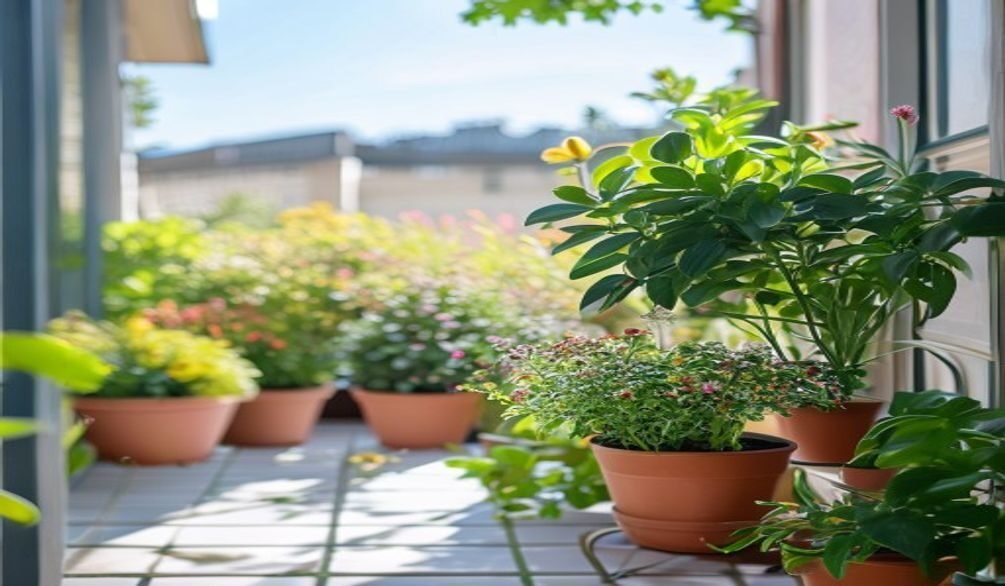
Are you looking to invite more harmony, prosperity, and positive energy into your living space? Choosing the Best Indoor Plants for Feng Shui can transform your home into a sanctuary, aligning its energy with your intentions. This guide will walk you through selecting, placing, and nurturing plants to enhance your home’s chi flow and create a truly balanced environment.
Understanding Feng Shui: How Plants Enhance Home Harmony
Feng Shui, an ancient Chinese practice, focuses on arranging your environment to optimize energy flow, known as “chi.” This vital life force energy impacts every aspect of your life, from health and wealth to relationships and overall well-being. Incorporating plants is a powerful way to enhance this chi flow and bring nature’s vibrant energy indoors.
As Feng Shui expert Anjie Cho explains, “Plants are a way to bring nature’s energy into our homes and interior environments… In an energetic sense, they are very healing for us, and in a practical sense, they improve the air quality, provide soft surfaces, and beautify our home.” Plants are living objects that constantly grow and change, symbolizing life and renewal, which can actively transform stagnant spaces.
The Role of Plants in Feng Shui Principles
Plants embody the Wood element in Feng Shui, representing growth, vitality, and expansion. They soften sharp corners, absorb electromagnetic radiation, and purify the air, contributing to a healthier and more balanced indoor atmosphere. This physical improvement directly translates to better energetic conditions, supporting your well-being.
Beyond their energetic contributions, indoor plants offer tangible benefits. Research from universities like the University of Vermont and Texas A&M has shown that having houseplants improves concentration and attention span, increasing productivity by up to 15%. Furthermore, a study by the University of Agriculture in Norway revealed that plants can reduce fatigue and cold-related illnesses by over 30%, highlighting their significant health advantages.
What are the Best Indoor Plants for Feng Shui?
When selecting the best indoor plants for Feng Shui, certain characteristics are highly valued. Plants with soft, rounded leaves are generally preferred over those with sharp, spiky foliage, as they promote gentle, flowing energy. Healthy, vibrant plants are always key, as dead or wilting greenery can have the opposite, negative effect.
Here’s a curated list of plants renowned for their positive energy in Feng Shui:
- Money Tree (Pachira Aquatica): A classic choice for attracting wealth and prosperity, often recognized by its braided trunk. Its five-lobed leaves are said to resemble a hand grabbing money.
- Jade Plant (Crassula Ovata): With its thick, round, coin-shaped leaves, the jade plant symbolizes good luck and financial abundance. It’s often called the “money plant” for good reason.
- Peace Lily (Spathiphyllum): Known for its air-purifying qualities and ability to convert negative energy into positive, the peace lily brings calm and serenity to any space.
- Snake Plant (Sansevieria Trifasciata): While it has sharp leaves, the snake plant is considered protective, absorbing toxins and providing strong, upward-growing energy. It’s an exception to the “no spiky leaves” rule due to its powerful purification.
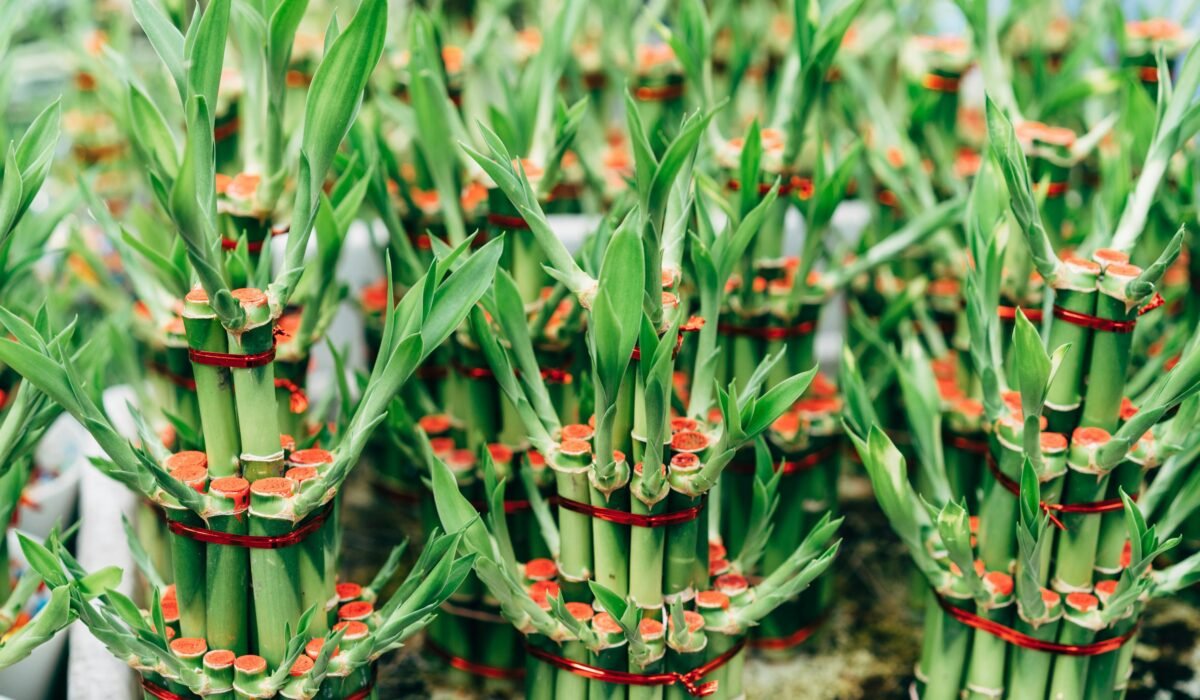
- Lucky Bamboo (Dracaena Sanderiana): This versatile plant is associated with good fortune, career advancement, and balancing the five elements. The meaning of lucky bamboo varies depending on the number of stalks.
- Orchids: Symbolizing fertility, abundance, and love, orchids bring beauty and gentle energy. They are particularly good for bedrooms.
- Rubber Plant (Ficus Elastica): Its large, round leaves represent abundance and wealth, making it a great addition to living areas.
What most people miss is that the overall health and vitality of your plant are more important than strict adherence to a species list. A thriving plant, even if not traditionally “Feng Shui,” will always contribute more positive energy than a struggling “lucky” one.
Feng Shui Plants for Wealth, Luck, and Positive Energy
If you’re specifically aiming to boost your finances, invite good fortune, or simply uplift the mood of your home, certain Feng Shui plants are particularly potent. The intention behind your plant choices is a crucial part of harnessing their power.
Plants for Wealth and Prosperity
For attracting financial abundance, focus on plants that symbolize growth and accumulation. The money tree Feng Shui placement is paramount here. Lisa Eldred Steinkopf, The Houseplant Guru, notes, “The Pachira aquatica or money tree is used in feng shui, with the belief that it brings good luck… It should be placed by a door to invite prosperity to enter.”
The jade plant meaning also ties directly to wealth. Its succulent, coin-like leaves are believed to store wealth, making it an excellent choice for your home’s wealth corner. Other plants like the Chinese money plant (Pilea peperomioides) or even a well-maintained pothos can signify growth and vitality, supporting financial well-being.
Plants for Luck and Positive Energy
To infuse your home with good fortune and a general sense of well-being, consider plants that purify the air and have uplifting forms. Lucky bamboo meaning, for instance, changes with the number of stalks: three stalks bring happiness, wealth, and longevity; five stalks attract wealth; and eight stalks are for immense prosperity.
Peace lilies are fantastic plants for positive energy, renowned for their ability to cleanse the air and neutralize negativity. They bring a serene and calm vibration, perfect for fostering a peaceful home environment. Philodendrons, with their heart-shaped leaves, are also excellent choices for promoting love and positive relationships.
Intentional Placement: Where to Put Your Feng Shui Plants
Effective Feng Shui plant placement goes beyond just picking the right species; it’s about strategically positioning them to maximize their energetic benefits. The Bagua map, a key tool in Feng Shui principles, divides your home into nine areas, each corresponding to a different life aspect like wealth, health, or relationships.
Using the Bagua Map for Plant Placement
To use the Bagua map, you superimpose it over your home’s floor plan. The front door typically aligns with the “Career” area. Once you identify your home’s Bagua sectors, you can place specific plants to activate and enhance those areas:
- Wealth Corner (Southeast): This is the prime spot for wealth corner plants like the Money Tree or Jade Plant. Place a healthy, thriving specimen here to invite financial abundance.
- Health & Family (East): Lush, vibrant plants like Lucky Bamboo or a Peace Lily support family harmony and well-being.
- Fame & Reputation (South): Tall, upward-growing plants can boost your recognition. However, avoid too many plants here as the South is a Fire element area, and too much Wood can overwhelm it.
- Love & Relationships (Southwest): Soft, gentle plants, especially those with heart-shaped leaves or in pairs, can enhance romantic connections. Avoid spiky plants.
- Career (North): Plants with dark, wavy leaves like a Prayer Plant can support career growth.
- Knowledge & Self-Cultivation (Northeast): Quiet, contemplative plants can foster learning and personal growth.
- Creativity & Children (West): Flowering plants can inspire creativity, but ensure they are healthy and well-maintained.
- Helpful People & Travel (Northwest): Plants here can attract mentors and support.
- Center (Tai Chi): The heart of your home, this area benefits from healthy, balanced plants that promote overall well-being.
For instance, placing a Money Tree by a door, as suggested by Lisa Eldred Steinkopf, is a classic example of intentional placement, inviting prosperity to enter your home. You can learn more about the Bagua map and its applications on Wikipedia.
Specific Room Considerations
Beyond the Bagua, consider the function of each room:
- Entryway: A welcoming plant like a Jade Plant or Lucky Bamboo can greet positive chi.
- Living Room: Larger, robust plants like a Rubber Plant or Fiddle Leaf Fig can anchor the space and promote social harmony.
- Home Office: Peace lilies or Snake Plants are excellent for focus and air purification, reducing stress and boosting productivity.
- Bedroom: This is a delicate area. Feng Shui traditionally advises fewer plants in the bedroom due to their active Yang energy. However, small, air-purifying plants like a Peace Lily or Snake Plant are often acceptable, especially if they are pet-safe indoor plants. Avoid overly large or spiky plants here.
- Kitchen & Bathroom: These areas can have challenging energy. Small, hardy plants like Pothos or herbs can thrive and balance the elements.
The short answer is, consider what energy you want to cultivate in each space and choose plants that visually and energetically support that intention.
Beyond the Basics: Integrating Elemental Balance with Planters
True Feng Shui mastery extends beyond just the plant itself to its container. The planter’s material, color, and shape can significantly influence the plant’s elemental energy and how it interacts with its surroundings. This intentional integration helps create a truly harmonious energetic signature.
Choosing Planters for Elemental Harmony
Each of the five elements (Wood, Fire, Earth, Metal, Water) has associated colors and shapes. By matching your planter to the plant’s element or the desired elemental balance of the Bagua area, you amplify its positive effects:
- Wood Element Plants (most houseplants): Thrive in green, rectangular containers, enhancing growth and vitality.
- Fire Element (e.g., plants with red flowers or pointed leaves): Would do best in a pointy, red planter, boosting passion and energy.
- Earth Element (e.g., plants with thick, fleshy leaves): Flourish in yellow or orange, square-shaped pots, promoting stability and grounding.
- Metal Element (e.g., plants with white flowers or round leaves): Benefit from white, grey, or metallic, round pots, encouraging clarity and precision.
- Water Element (e.g., plants with dark, wavy leaves): Are enhanced by blue or black, wavy or irregular-shaped pots, supporting flow and communication.
For instance, if you place a Money Tree (Wood element) in your Wealth Corner (Southeast, also Wood element), a green or blue rectangular planter would amplify the Wood energy, encouraging growth and prosperity. Brands like Capra Designs offer unique plant pots that can aid in achieving these specific elemental balances.
What most people miss is that a healthy plant in a mismatched pot can still be beneficial, but a perfectly aligned plant and pot combination creates a far more potent energetic impact. Consider exploring different indoor plant pot material guide options to find the best fit for your Feng Shui goals.
Are There “Bad” Feng Shui Plants? (And How to Mitigate Their Impact)
While no plant is inherently “bad,” some are considered less ideal for Feng Shui due to their energetic properties. Understanding these nuances helps you make informed choices or, if you already own such plants, mitigate their potential negative impact.
Identifying Negative Energy Plants
The primary culprits often fall into these categories:
- Spiky or Thorny Plants: Cacti, for example, are often cited as negative energy plants. Feng Shui Certified Interior Designer Rana Kashiwabara states, “Spiky plants are not good for Feng Shui; it is said that sharp points drain the personal energy, so something like a cactus doesn’t promote good energy.” These sharp points can create “sha chi” or cutting energy, leading to arguments or tension.
- Dead or Dying Plants: This is perhaps the most universally agreed-upon “bad” Feng Shui plant. A wilting, neglected plant symbolizes stagnation, decay, and a lack of life force. Dead or wilting plants can have the opposite effect of what you desire, drawing down positive chi.
- Artificial or Dried Flowers: While aesthetically pleasing, artificial plants lack living energy. Dried flowers, though once living, represent death and decay, which can drain chi.
Mitigating Negative Impact
If you love your spiky plants or have a sentimental attachment, there are ways to soften their impact:
- Strategic Placement: Place spiky plants in areas with less personal interaction, such as a windowsill facing outside, or in a corner where their protective energy can ward off negative external influences rather than impacting your internal space. Avoid bedrooms or common living areas.
- Soften with Roundness: Surround sharp plants with other soft, rounded-leaf plants to balance their energy. You can also place them in round pots to introduce a more harmonious shape.
- Regular Maintenance: For all plants, ensure they are always healthy and vibrant. Prune away any dead leaves promptly. If a plant is struggling beyond recovery, it’s often better to replace it with a healthy one.
- Avoid Artificial/Dried: If you must use artificial plants, opt for high-quality ones that are kept meticulously clean and dust-free. Better yet, introduce a small, living plant nearby to bring in actual chi. For dried flowers, use them sparingly in areas where their decorative value outweighs their energetic impact, and consider replacing them with fresh flowers regularly.
Ultimately, the key is awareness. If a plant brings you joy and you maintain its health, it’s likely contributing positively to your home’s energy.
Nurturing Your Feng Shui Plants for Optimal Chi Flow
The most important aspect of using plants in Feng Shui is ensuring they are vibrant and healthy. A thriving plant radiates strong, positive chi, while a neglected one can actually drain energy from your home. Nurturing your Feng Shui plants is an active component of your practice, not just a chore.
Essential Care Tips for Healthy Feng Shui Plants
Maintaining healthy plants is crucial because, as the research indicates, “dead or wilting plants can have the opposite effect.” Here’s how to ensure your plants are radiating peak energy:
- Proper Watering: Understand your plant’s specific needs. Overwatering is a common killer. Check soil moisture before watering and ensure good drainage.
- Adequate Light: Place plants where they receive the right amount of light for their species. Too much or too little light can stress a plant. Rotate plants periodically to ensure even growth.
- Regular Pruning: Remove any yellowing, dead, or diseased leaves immediately. Pruning encourages new growth and maintains the plant’s shape, preventing stagnant energy. Use clean, sharp shears.
- Dusting Leaves: Dust can block pores and hinder photosynthesis. Gently wipe leaves with a damp cloth to keep them clean and allow them to breathe, promoting robust chi flow.
- Fertilization: Provide appropriate nutrients during the growing season. A healthy plant is a happy plant, and a happy plant emanates strong, positive energy.
- Pest Management: Inspect your plants regularly for pests. Address any infestations promptly to keep your plants vigorous and prevent the spread of negative energy.
In practice, integrating these care routines isn’t just about plant survival; it’s about actively participating in the energetic health of your home. Phyllis Harbinger, a Feng Shui Practitioner, views houseplants as making “that alignment visible. They bring the life force into rooms that can feel stagnant.” Your consistent care reinforces this life force.
Energetic Cleansing and Connection
Consider occasionally “cleansing” your plants energetically. This could be as simple as gently misting them with water, speaking positive affirmations, or placing them in indirect sunlight for a day to recharge. Developing a personal connection with your plants enhances their ability to bring positive energy into your home.
Frequently Asked Questions
What plants bring good luck in Feng Shui?
Many plants are believed to bring good luck in Feng Shui, primarily those with soft, rounded leaves and vibrant growth. Popular choices include the Money Tree, Jade Plant, Lucky Bamboo, and Peace Lily, all of which are associated with prosperity, harmony, and positive energy flow.
Which plant is best for positive energy in home?
For overall positive energy, the Peace Lily is an excellent choice due to its air-purifying qualities and ability to convert negative energy into positive, fostering a calm and serene environment. The Snake Plant also excels at purifying air and providing protective energy, making it a great option for promoting well-being.
What plants are good for wealth and prosperity?
The Money Tree (Pachira Aquatica) and Jade Plant (Crassula Ovata) are widely considered the best plants for wealth and prosperity in Feng Shui. The Money Tree symbolizes locking in luck with its braided trunk, while the Jade Plant’s coin-shaped leaves represent accumulation of wealth, making them ideal for wealth corners.
Where should Feng Shui plants be placed in the home?
Feng Shui plants should be placed strategically according to the Bagua map and the specific energy you wish to enhance. For instance, wealth corner plants like the Money Tree are best in the southeast sector, while plants for positive energy like Peace Lilies can go in stress-prone areas like a home office or bedroom. Always ensure plants are healthy and thriving in their chosen spot.
Embracing the best indoor plants for Feng Shui is more than just decorating; it’s an intentional practice to cultivate a home that supports your well-being and aspirations. By choosing the right plants, placing them thoughtfully, and nurturing them with care, you actively invite harmony, prosperity, and positive chi into your living space. Start your journey today and watch your home transform into a vibrant oasis of balance and good fortune.