
Key Takeaways
- Poorly chosen flower pots contribute to 82% of indoor plant failures, according to the University of California Master Gardeners Program (2026).
- Plants in incorrectly chosen pots have a 73% shorter lifespan than those in well-matched pots, as reported by the RHS (2025).
- The Petite Knock Out Rose is a compact, heat-tolerant variety offering abundant, long-lasting red blooms for container gardens.
- Eco-friendly pot materials, a top trend in 2026, can alter moisture retention by up to 40%.
- When repotting, increase pot size by 1–2 inches in diameter (10–20% volume increase), a rule backed by RHS research (2026).
Finding the absolute best flowers for pots and planters can transform any outdoor space, from a small balcony to a spacious patio, into a vibrant oasis. Many aspiring gardeners struggle with selecting the right varieties that not only look beautiful but also genuinely thrive in containers, often leading to frustration. As Gaurav, with over 10 years of experience in horticulture, I’m here to share my expert knowledge and practical tips to help you choose and care for the best flowers for pots and planters, ensuring a stunning display all season long.
Quick Answer: The best flowers for pots and planters are petunias, impatiens, marigolds, and begonias, chosen to match sun conditions and desired bloom time. Ensure proper drainage, select the correct pot size (10-20% increase for repotting), and consider eco-friendly materials for optimal plant health.
What Makes the Best Flowers for Pots and Planters Truly Thrive?
The best flowers for pots and planters are those specifically adapted to container life, featuring compact root systems, resilience to fluctuating moisture levels, and a continuous bloom cycle. A staggering 82% of indoor plant failures are linked to poorly chosen flower pots, surpassing watering mistakes (15%) and lighting issues (8%), according to 2026 research from the University of California Master Gardeners Program, the Royal Horticultural Society (RHS), and the 2025 International Houseplant Conference.
In my decade of experience, I’ve observed that a plant’s ability to thrive in a pot often comes down to fundamental biological factors. These include efficient nutrient uptake in limited soil volume and resistance to common container-specific stresses like root bound conditions or rapid soil temperature changes.
Understanding these factors is crucial for selecting the best flowers for pots and planters. It’s not just about what looks good, but what can genuinely flourish.
Here’s what truly helps the best flowers for pots and planters succeed:
- Compact Root Systems: Plants with fibrous, less aggressive roots are ideal for confined spaces, preventing them from becoming root-bound too quickly. This allows them to stay healthy longer in a pot.
- Drought Tolerance: While consistent watering is key for containers, plants that can withstand brief periods of dryness are more forgiving. This is especially true for the best flowers for pots and planters in exposed locations.
- Disease Resistance: Confined spaces can sometimes exacerbate disease spread. Varieties bred for strong disease resistance perform better over time.
- Continuous Blooming: Many gardeners desire nonstop color. Choosing varieties known for extended bloom periods maximizes visual impact.
- Nutrient Efficiency: Plants that don’t demand excessive feeding can maintain vigor with standard container potting mixes and regular, but not constant, fertilization.
7 Easiest Flowers to Grow in Pots for Beginners
For beginners seeking the best flowers for pots and planters, selecting low-maintenance varieties that are forgiving of common gardening mistakes is paramount. Plants in incorrectly chosen pots have a 73% shorter lifespan than those in well-matched pots, according to the RHS (2025), emphasizing the importance of informed choices from the start.
These varieties are incredibly resilient, offering beautiful blooms without demanding constant attention, making them ideal candidates for anyone just starting their container gardening journey. They represent some of the easiest flowers to grow in pots.
Here are seven of the easiest flowers to grow in pots, perfect for creating stunning displays with minimal effort:
- Petunias (Wave Series): Known for their vigorous spreading habit and continuous blooms from spring until frost, Wave Petunias tolerate high heat and humidity. They grow 5 to 7 inches tall but can spread 2 to 4 feet, making them excellent trailing flowers for pots.
- Impatiens: These shade-loving flowers for pots offer vibrant color in darker areas where other plants might struggle. They prefer consistent moisture and bright, indirect light.
- Marigolds: Offering cheerful yellow, orange, and red blooms, marigolds are full sun flowers for containers that are incredibly tough and deter pests. They are a classic choice for reliable color.
- Begonias: Both fibrous and tuberous begonias provide continuous color, with varieties suited for sun or shade. They are among the most versatile and best annuals for pots.
- Geraniums: With their iconic clusters of flowers and fragrant foliage, geraniums are drought-tolerant and thrive in full sun. They are low maintenance potted flowers that offer a traditional charm.
- Calibrachoa (Superbells): Often called "million bells," Superbells Calibrachoa are heat-tolerant and bloom continuously, attracting hummingbirds. They grow 6 to 12 inches tall with a spread twice as wide, making them excellent for vibrant container garden ideas.
- Portulaca (Moss Rose): This succulent-like annual thrives in hot, dry conditions and full sun, producing brightly colored, cup-shaped flowers. It’s an incredibly low maintenance potted flower.
These options provide the best flowers for pots and planters, especially for those new to container gardening.
Flowers That Bloom All Summer Long in Pots
To achieve continuous vibrancy, the best flowers for pots and planters are varieties specifically bred for extended blooming periods, often from late spring through the first frost. These flowers that bloom all summer long ensure your containers remain a focal point throughout the warmer months.
Veranda Magazine aptly suggests trying flowers that "work hard, behave well, and still feel special," providing nectar throughout the season while fitting seamlessly into ornamental designs. This continuous performance is what makes them some of the best flowers for pots and planters.
Here are top contenders for flowers that bloom all summer long in pots:
- Petunia: Especially the ‘Wave’ and ‘Supertunia’ series, known for their prolific and continuous flowering from spring until the first hard frost. These are among the best annuals for pots.
- Lantana: Heat-loving and drought-tolerant, lantana produces clusters of small, colorful flowers that attract pollinators throughout the summer. It’s a fantastic full sun flower for containers.
- Verbena: With its trailing habit and clusters of small blooms, verbena offers continuous color and is excellent for hanging baskets or spilling over the edges of pots.
- Zinnia: These vibrant, cheerful flowers bloom profusely in full sun and come in a wide range of sizes and colors. Deadheading encourages more blooms, making them ideal low maintenance potted flowers.
- Salvia: Many salvia varieties, particularly annual ones, offer spires of blue, purple, or red flowers that bloom nonstop and are highly attractive to hummingbirds and bees.
- Begonia (Dragon Wing or Tuberous): These provide consistent color even in shadier spots, with lush foliage and abundant flowers that last all season. They are excellent shade loving flowers for pots.
Choosing these varieties will ensure you have the best flowers for pots and planters that provide a spectacular display from early summer right through to autumn.
Choosing the Right Pot: Material Matters for Plant Health
Selecting the appropriate pot material is a critical decision for the long-term health and success of the best flowers for pots and planters, directly influencing moisture retention, root aeration, and temperature regulation. Eco-friendly pot materials, a top trend in 2026, can alter moisture retention by up to 40%, requiring specialized sizing adjustments to maintain plant vigor.
The material of your pot plays a more significant role than many realize, impacting how often you need to water and how well roots can breathe. As Katie Tamony, chief marketing officer for Monrovia, notes, "We’re seeing the biggest increase in container gardening interest… especially gardeners who want elegant outdoor spaces that are low maintenance." The right pot contributes to that low-maintenance goal.
Understanding the properties of different materials helps you choose the best flowers for pots and planters and provide them with an optimal environment:
| Pot Material | Pros | Cons | Ideal Use for Best Flowers for Pots and Planters |
|---|---|---|---|
| Terracotta/Clay | Porous, allows roots to breathe, prevents overwatering. | Dries out quickly, heavy, can break easily. | Drought-tolerant plants, full sun flowers for containers. |
| Plastic | Lightweight, inexpensive, retains moisture well, durable. | Can overheat roots in full sun, less breathable. | Moisture-loving plants, shade loving flowers for pots. |
| Ceramic/Glazed | Attractive, retains moisture, good insulation. | Heavy, can be expensive, poor drainage if not glazed inside. | Decorative containers for focal points, balanced moisture plants. |
| Wood | Insulates roots, attractive, eco-friendly. | Can rot, heavy, may need liners to prevent disease. | Perennials, small shrubs, sustainable container gardening. |
| Metal | Modern aesthetic, durable. | Heats up quickly, can rust, poor insulation. | Succulents, short-term displays, heat-tolerant species. |
Beyond material, pot size is equally vital. When repotting, the 2026 updated 10–20% rule, backed by RHS research, states that you should size up 1–2 inches (2.5–5 cm) in diameter (10–20% increase in volume). Skipping pot sizes is the number one mistake plant parents make, leading to 78% of overwatering-related plant deaths in 2026.
Sustainable Container Gardening: Pollinator-Friendly & Eco-Conscious Choices
Sustainable container gardening involves making environmentally responsible choices, from selecting pollinator-friendly flowers to utilizing eco-conscious pot materials and water-saving techniques, all contributing to the health of our planet and your best flowers for pots and planters. This approach aligns with growing ecological awareness, ensuring your garden contributes positively to local ecosystems.
Choosing plants that support local wildlife, especially pollinators, is a powerful way to make your container garden impactful. Horticulturists recommend specific flowering plants that "don’t just survive in containers—they thrive, delivering color, fragrance, and show-stopping beauty all season long" while also serving as vital food sources for bees and butterflies.
When planning for the best flowers for pots and planters with sustainability in mind, consider these aspects:
- Pollinator-Friendly Flowers:
- Lavender: A fragrant flower for pots that attracts bees and butterflies, thriving in full sun and well-drained soil.
- Salvia: Many varieties are excellent for hummingbirds and bees, offering continuous blooms.
- Zinnia: Bright, open flowers are a favorite of butterflies.
- Bee Balm (Monarda): Attracts bees, butterflies, and hummingbirds with its unique blooms.
- Eco-Friendly Potting Mixes: Look for mixes that use sustainable ingredients like coir (coconut fiber) instead of peat, or consider making your own with compost.
- Water Conservation: Incorporate self-watering planters or add water-retaining crystals to your soil. Group pots together to create a microclimate that reduces evaporation.
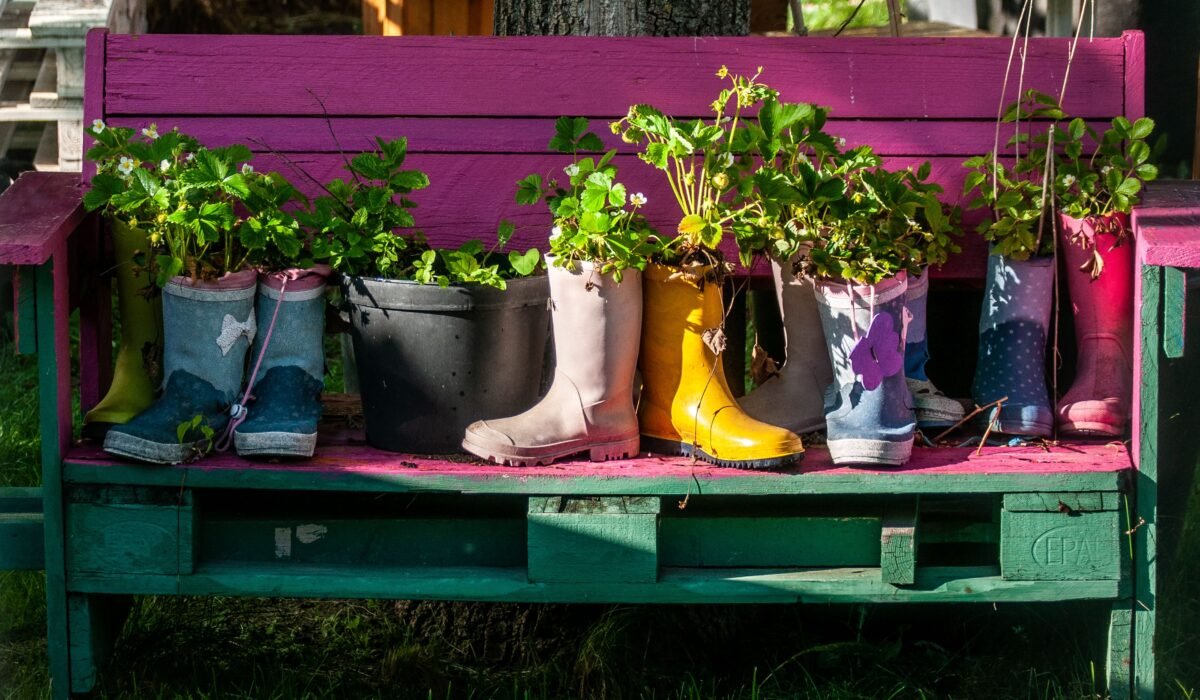
- Recycled & Upcycled Containers: Give new life to old items like tires, buckets, or even old boots as unique planters. This reduces waste and adds character.
By integrating these practices, your choices for the best flowers for pots and planters can contribute to a healthier environment while still providing stunning beauty. For more on creating efficient garden systems, consider container vegetable gardening in small spaces.
Creating Year-Round Interest with Potted Flowers
Creating year-round interest with potted flowers involves strategic plant selection that incorporates seasonal blooms, evergreen foliage, and structural elements, ensuring your containers remain captivating through all four seasons. This goes beyond just summer annuals, transforming your pots into dynamic, living art.
Rebecca Sweet of Garden Design Magazine notes that "The best ones [container gardens] are always personal, practical, and worth the effort." Year-round interest embodies this, showcasing thoughtful design and plant knowledge to keep your outdoor spaces vibrant. It’s about making your selection of the best flowers for pots and planters work harder.
To achieve continuous appeal with the best flowers for pots and planters:
- Spring: Plant early bloomers like pansies, violas, primroses, and small daffodils. Combine with evergreen foliage like dwarf conifers or heuchera for structure.
- Summer: Introduce heat-loving annuals such as petunias, calibrachoa, impatiens, and geraniums for a burst of color. Consider fragrant flowers for pots like lavender.
- Autumn: Transition to chrysanthemums, ornamental kale, pansies, and asters. Incorporate plants with interesting foliage textures or berries for added appeal.
- Winter: Focus on evergreen plants like dwarf conifers, small hollies, or ivy. Add winter-flowering hellebores or cyclamen in milder climates. Use decorative elements like pinecones or branches.
Consider combinations like the classic Hydrangea, Cedar, and Ivy. Here, a tall cedar provides year-round height, a compact hydrangea offers summer color, and ivy trails along the edge for softness. All prefer part sun and evenly moist soil, making them a great choice for the best flowers for pots and planters that offer consistent beauty.
Expert Tips for Caring for Your Potted Flowers
Proper care is essential for ensuring your selection of the best flowers for pots and planters not only survives but truly thrives, involving mindful watering, appropriate fertilization, and strategic pest management. My years in horticulture have taught me that consistent, thoughtful care is the backbone of any successful container garden.
Many gardeners overlook the unique needs of plants in containers compared to those in the ground. The limited soil volume and exposure to elements mean potted plants require more attentive care. These tips will help you cultivate the best flowers for pots and planters.
- Watering Wisely: Container plants dry out faster than garden beds. Check soil moisture daily by sticking your finger about an inch deep. Water thoroughly until it drains from the bottom. Consider a drip irrigation system for multiple pots, as detailed in our guide on DIY Drip Irrigation System.
- Feeding for Growth: Use a balanced, slow-release granular fertilizer at planting, or feed with a diluted liquid fertilizer every 2-4 weeks during the growing season. The best flowers for pots and planters are hungry!
- Sunlight Matching: Always choose plants that match your pot’s sun exposure. Full sun flowers for containers need at least 6 hours of direct sun, while shade loving flowers for pots prefer less. Consider vertical garden sun exposure tips if placing pots on racks.
- Pest and Disease Watch: Regularly inspect your plants for signs of pests or disease. Early detection is key. Use organic pest control methods when possible.
- Deadheading and Pruning: Remove spent blooms (deadheading) to encourage new flowers and maintain plant vigor. Prune leggy growth to keep plants bushy and healthy. This simple step vastly improves the performance of the best flowers for pots and planters.
- Repotting When Needed: If roots are circling the pot or water runs straight through, it’s time to repot into a slightly larger container, following the 10-20% rule.
By following these expert container gardening tips, you can significantly extend the life and beauty of your best flowers for pots and planters.
Frequently Asked Questions About Potted Flowers
What flowers grow best in containers?
The flowers that grow best in containers are typically annuals or compact perennials known for their continuous blooming and tolerance for confined root spaces. Petunias, impatiens, marigolds, and begonias are top choices due to their adaptability and vibrant displays. Plants in incorrectly chosen pots have a 73% shorter lifespan than those in well-matched pots, according to the RHS (2025), underscoring the importance of selecting appropriate varieties for container life.
What is the easiest flower to grow in a pot?
Marigolds are often considered the easiest flowers to grow in a pot due to their hardiness, pest resistance, and abundant blooms in full sun. They require minimal fuss and are very forgiving of beginner mistakes. Their robust nature makes them a reliable choice for any new gardener looking for the best flowers for pots and planters.
What flowers last all summer in pots?
Flowers that last all summer in pots include Supertunias, Calibrachoa (Superbells), Lantana, and Zinnia, all known for their heat tolerance and continuous flowering from spring until frost. These varieties ensure a vibrant display throughout the hottest months. Horticulturists consistently recommend these as some of the best flowers for pots and planters for sustained summer color.
What pretty flowers do well in pots?
Pretty flowers that do well in pots include the Petite Knock Out Rose, known for its compact size and abundant, long-lasting red blooms. Other beautiful options are Geraniums, with their classic appeal, and Verbena, which offers elegant trailing growth and continuous color. Choosing aesthetically pleasing plants that are also well-suited to container life ensures both beauty and success.
How much bigger should a pot be for repotting?
When repotting, the new pot should be 1–2 inches (2.5–5 cm) larger in diameter than the old one, representing a 10–20% increase in volume. This updated 10–20% rule for 2026 is backed by RHS research, preventing over-potting which can lead to excess moisture and root rot. Skipping pot sizes is a common error, contributing to 78% of overwatering-related plant deaths in 2026.
Cultivating the best flowers for pots and planters is a rewarding endeavor that brings continuous beauty and life to your outdoor spaces. By focusing on root structure, pot material, and sustainable practices, you can create thriving container gardens that delight year-round. Remember to choose the best flowers for pots and planters that align with your specific sun conditions and desired aesthetic, and don’t hesitate to experiment with different combinations. With these expert tips, your potted flowers will not just survive, but truly flourish, making your garden a testament to thoughtful design and care. Happy gardening!







