Key Takeaways
- Container gardening adoption increased by 178% among U.S. gardeners post-2020, according to Gitnux (2026).
- Strawberries and blueberries are among the best fruits for container gardening, offering easy harvests.
- Dwarf citrus varieties like Meyer lemons thrive in pots and can be moved indoors for winter protection.
- Over 65% of container gardeners now utilize vertical planters to maximize space, according to Accio (2026).
- Choosing the right potting mix, such as those from Black Gold, is crucial for successful container fruit growth.
Growing your own fresh produce is incredibly rewarding, and finding the **best fruits for container gardening** can transform even the smallest balcony or patio into a bountiful orchard. Many aspiring gardeners wonder if limited space means limited harvests, but I’m here to tell you that with the right choices and techniques, you can enjoy an abundance of homegrown fruit. This guide will help you select the ideal fruits and provide expert tips to ensure your container garden thrives.
Quick Answer: Strawberries, blueberries, dwarf citrus, and figs are top choices for container gardening. They thrive in pots with adequate sun and well-draining soil, allowing abundant harvests in small spaces like balconies or patios.
Why Choose Container Gardening for Fruit?
Container gardening offers unparalleled flexibility and accessibility, making it an excellent choice for growing fruit in diverse environments. This method allows you to cultivate fresh produce even with limited yard space, providing delicious rewards right outside your door. It’s also incredibly popular, with approximately 55% of U.S. households participating in food gardening in 2022, according to Gitnux (2026).
The primary benefit of container gardening is its adaptability. You can easily move plants to optimize sun exposure, protect them from harsh weather, or even bring them indoors during winter months, especially for delicate varieties. This mobility is key to success for many of the **best fruits for container gardening**.
Container gardening is also a fantastic solution for managing soil quality and pests. When growing in pots, you have complete control over the growing medium, ensuring your plants receive the ideal nutrients and drainage. This control can significantly reduce common garden challenges.
Beyond practical benefits, container gardening connects you to your food source. There’s immense satisfaction in harvesting fruit you’ve nurtured yourself, enhancing both your diet and your connection to nature. This hands-on experience is a core reason why so many gardeners choose to grow the **best fruits for container gardening**.
What are the Best Fruits for Container Gardening?
The **best fruits for container gardening** are those that are compact, self-pollinating, and have a shallow root system, thriving in restricted spaces while still producing abundant harvests. While the University of Houston Office of Sustainability (2017) states that “all fruits can be grown in containers,” some varieties are undeniably better suited for success and ease of care.
Berries: The Container Garden Champions
Berries are consistently among the **best fruits for container gardening** due to their compact growth habits and high yields in pots. Strawberries, blueberries, and raspberries are particularly excellent choices for small spaces.
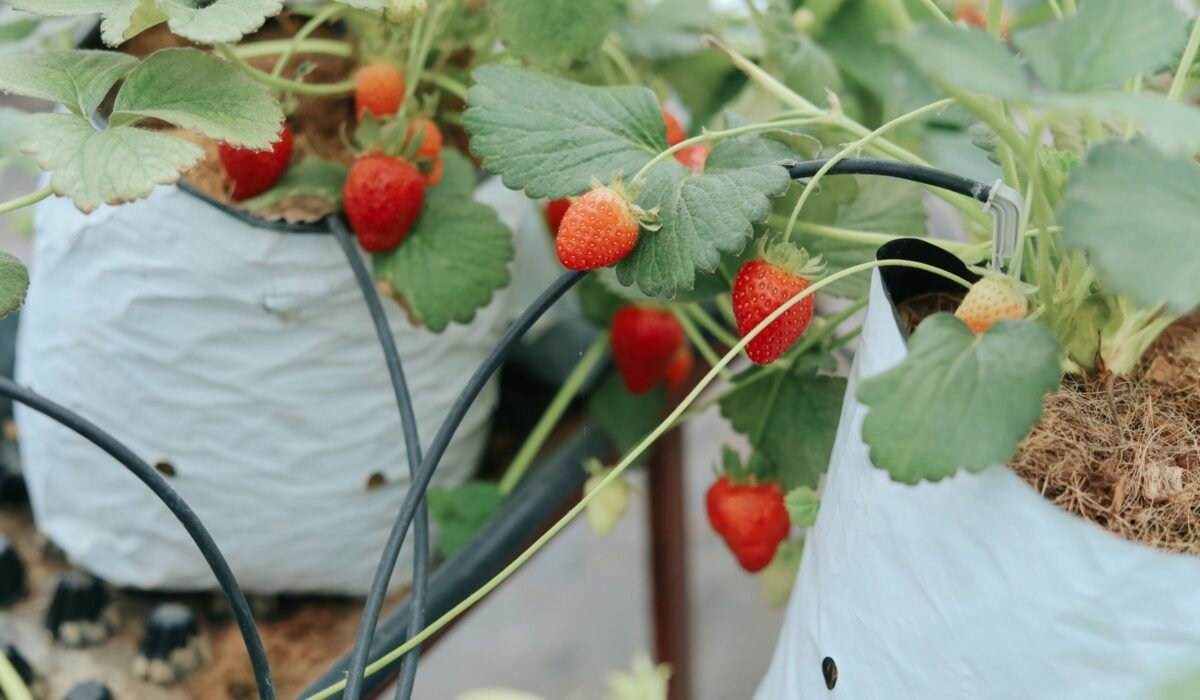
- Strawberries: These prolific plants are incredibly versatile for containers, thriving in hanging baskets, specialized strawberry pots, or traditional planters. “Strawberries are one of the very best fruits for container gardening. You don’t need a lot of space to grow your own fresh fruit,” notes gardening expert Stephanie Rose of Black Gold.
- Blueberries: Dwarf varieties like ‘Top Hat’ or ‘Jelly Bean’ are perfect for pots, requiring acidic soil and often benefiting from a companion plant for better pollination. Stark Bro’s and Logee’s offer excellent selections of these dwarf blueberry plants.
- Raspberries & Blackberries: Look for thornless, dwarf varieties like those from Bushel and Berry®, such as Raspberry Shortcake® raspberry or Baby Cakes® blackberry. These are specifically bred to be ideal container berry plants.

Dwarf Citrus Trees: Sunshine in a Pot
Dwarf citrus trees are another fantastic option for the **best fruits for container gardening**, especially in regions with cold winters where they can be moved indoors. They offer beautiful foliage, fragrant blossoms, and delicious fruit.
- Meyer Lemon (Citrus limon): This popular variety is known for its sweet, less acidic fruit and its ability to thrive in pots. It’s a favorite among patio fruit trees enthusiasts.
- Calamondin Orange (Citrus mitis): A highly ornamental and productive citrus, perfect for containers and often used for its tart, flavorful fruit.
To ensure success, choose a large, sturdy container and a high-quality potting mix. Logee’s is renowned for its selection of healthy, established dwarf citrus trees that are ready for your patio.
Figs: Ancient Fruit for Modern Spaces
Figs are surprisingly adaptable and among the **best fruits for container gardening**, especially compact varieties like ‘Fignomenal’ PP Fig Tree. These trees can produce a significant yield even in smaller pots.
Fig trees prefer full sun and well-draining soil. Their unique growth habit and delicious fruit make them a rewarding addition to any container collection. They can also be pruned to maintain a manageable size, perfect for a balcony or patio.
Columnar & Dwarf Fruit Trees: Vertical Harvests
For those dreaming of apples or peaches, columnar and dwarf fruit trees are excellent choices for the **best fruits for container gardening**. These specialized trees are bred for compact growth.
Michigan State University Extension (2013) highlights that “columnar apple and peach trees that grow only 10 feet high and 18 inches wide can easily squeeze onto a balcony or deck.” These varieties grow as a single leader with minimal branching, making them perfect patio fruit trees.
Easiest Fruits to Grow in Pots for Beginners
For beginners, the easiest fruits to grow in pots are typically strawberries and certain dwarf berry varieties, as they are forgiving, produce quickly, and require less specialized care than larger fruit trees. Starting with these options builds confidence and provides early success.
Strawberries are remarkably simple, offering continuous harvests throughout the growing season. Their shallow root systems mean they don’t need massive containers, and they are generally pest-resistant when grown in isolation. This makes them ideal among the **best fruits for container gardening** for novices.
Dwarf blueberries, especially self-pollinating types, also rank high for ease. While they need acidic soil, a specialized potting mix can simplify this requirement. These plants are low-maintenance once established, making them excellent choices for first-time gardeners seeking the **best fruits for container gardening**.
| Fruit Type | Ease for Beginners | Key Requirement | Typical Container Size |
|---|---|---|---|
| Strawberries | Very Easy | Full sun, consistent moisture | 6-8 inches (individual) / Strawberry pot |
| Dwarf Blueberries | Easy | Acidic soil (pH 4.5-5.5) | 15-20 gallon |
| Raspberry Shortcake® | Easy | Full sun, good drainage | 10-15 gallon |
| Meyer Lemon (Dwarf) | Moderate | Full sun, winter protection | 15-20 gallon |
| ‘Fignomenal’ Fig | Moderate | Full sun, well-draining soil | 10-15 gallon |

Maximizing Yield: Techniques for Abundant Container Fruit Harvests
To achieve an abundant harvest from your container fruit plants, focus on strategic pruning, proper nutrition, and utilizing space-saving vertical gardening systems. These techniques are crucial for getting the most out of the **best fruits for container gardening**.
Strategic Pruning for Productivity
Pruning is vital for containerized fruit, as it directs the plant’s energy into fruit production rather than excessive vegetative growth. For dwarf fruit trees for pots, regular pruning helps maintain size and shape, encouraging more fruiting spurs.
For berries, understanding their fruiting habits is key. Everbearing strawberries will produce throughout the season if old leaves and runners are removed, while primocane-fruiting raspberries produce on first-year canes. This targeted approach ensures your **best fruits for container gardening** remain productive.
Optimizing Nutrition and Watering
Consistent fertilization and watering are paramount for maximizing yields. Container plants have limited access to nutrients, so regular feeding with a balanced, slow-release fertilizer or liquid feed is essential. University of Massachusetts Amherst Center for Agriculture, Food, and the Environment recommends tailored feeding schedules for optimal fruit development.
Watering should be frequent, especially during hot weather, as containers dry out faster than garden beds. Aim for consistently moist, but not waterlogged, soil. Proper hydration supports the development of juicy, flavorful fruit, making your efforts with the **best fruits for container gardening** truly pay off.
Embracing Vertical Gardening Systems
Vertical gardening systems are an innovative way to maximize the yield of the **best fruits for container gardening** in limited spaces. These systems allow you to grow more plants per square foot, making them perfect for balconies and small patios.
Over 65% of container gardeners now utilize vertical planters or wall-mounted systems to maximize greenery, according to Accio (2026). This trend highlights their effectiveness for growing fruit on a balcony or in tight urban settings. You can grow multiple strawberry plants or even cascading dwarf tomatoes on a vertical trellis. If you’re looking for organic pest control for vertical garden, remember to choose natural solutions to protect your fruit.
Essential Care Tips for Thriving Container Fruit Plants
Ensuring your container fruit plants thrive requires careful attention to soil quality, sunlight, and proper container selection. These foundational elements are critical for the long-term health and productivity of the **best fruits for container gardening**.
Choosing the Right Potting Mix and Container
The success of growing fruit in pots hinges on selecting the best potting soil for fruit trees in pots. A high-quality, well-draining potting mix is non-negotiable, as garden soil is too dense and can compact, leading to root rot. Black Gold offers excellent potting mixes formulated for robust plant growth.
For containers, always choose pots with drainage holes to prevent waterlogging. Material matters too; terracotta pots breathe well but dry out quickly, while plastic or glazed ceramic retain moisture longer. The size of the container is also crucial, as it directly impacts root development and the plant’s ability to support fruit.
Sunlight Requirements and Placement
Most of the **best fruits for container gardening** require a minimum of 6-8 hours of direct sunlight per day to produce fruit. Position your containers in the sunniest spot available, whether it’s a patio, balcony, or rooftop.
If sunlight is limited, consider reflective surfaces or rotating your containers regularly to ensure all sides of the plant receive adequate light. Proper light exposure is non-negotiable for fruit development.
Watering and Fertilization Schedules
Container plants typically need more frequent watering than inground plants because their soil volume is limited and dries out faster. Check the soil moisture daily by sticking your finger about an inch deep; if it feels dry, it’s time to water thoroughly until water drains from the bottom.
Learning how to fertilize container fruit plants is equally important. Use a balanced, slow-release granular fertilizer at planting, and supplement with a liquid feed every 2-4 weeks during the growing season. For specific nutrient deficiencies, University of Massachusetts Amherst provides excellent resources on proper soil amendments.
Troubleshooting Common Container Fruit Growing Problems
Addressing common problems like lack of fruiting, nutrient deficiencies, or pest infestations promptly is essential to maintain the health and productivity of your container fruit plants. Early intervention can save your harvest.
Why Isn’t My Fruit Plant Producing?
A common frustration with the **best fruits for container gardening** is a lack of fruit, even if the plant appears healthy. The primary culprits are often insufficient sunlight, improper pollination, or nutrient imbalances. Ensure your plant is receiving at least 6-8 hours of direct sun daily.
For pollination, many container berry plants and dwarf fruit trees are self-pollinating, but some, like certain blueberry varieties, benefit from a second plant for cross-pollination. Hand-pollination with a small brush can also be effective for indoor citrus.
Identifying and Correcting Nutrient Deficiencies
Nutrient deficiencies often manifest as discolored leaves or stunted growth. Yellowing leaves can indicate nitrogen deficiency, while purplish hues might signal a lack of phosphorus. Consulting resources like the University of Massachusetts Amherst can help diagnose specific issues.
To correct these, use a balanced liquid fertilizer or specific nutrient supplements. A soil test kit can provide precise information on what your potting mix is lacking, guiding your fertilization strategy for the **best fruits for container gardening**.
Pest and Disease Management in Pots
Container plants are not immune to pests and diseases. Common issues include aphids, spider mites, and fungal diseases like powdery mildew. Regular inspection of your plants helps catch problems early.
For pest control, consider organic solutions such as neem oil sprays or insecticidal soaps. Proper air circulation and avoiding overhead watering can prevent many fungal issues. For more severe infestations, consult expert advice from resources like the University of Arkansas System Division of Agriculture. For persistent problems, you might find useful tips in our guide on effectively combat indoor plant pests.
Can You Grow Fruit in Pots All Year Round?
Yes, you can grow fruit in pots all year round, especially by selecting cold-hardy varieties or moving tender plants indoors during colder months. This strategy allows continuous enjoyment of the **best fruits for container gardening**, regardless of your climate.
For perennial fruits like blueberries and dwarf fruit trees, winterizing fruit trees in pots is crucial in colder zones. This often involves insulating pots, moving them to a sheltered location, or bringing them into a garage or unheated room. This protects roots from freezing temperatures.
Tropical and subtropical fruits, such as dwarf citrus and figs, are excellent candidates for year-round indoor-outdoor living. They thrive outdoors in warm seasons and can be brought inside to a sunny window for winter. This flexibility makes them some of the **best fruits for container gardening** for extended harvests.
Some annual fruits, like certain strawberry varieties, can also provide extended harvests in a protected indoor environment with supplemental light. With careful planning and protection, your container garden can remain productive throughout the seasons, ensuring you always have access to fresh fruit.
Creative & Cost-Effective DIY Container Solutions
Embracing creative and cost-effective DIY container solutions allows you to grow the **best fruits for container gardening** without a significant upfront investment, utilizing upcycled materials and smart design. This approach is both sustainable and budget-friendly.
Upcycling Household Items for Planters
Many everyday items can be repurposed into excellent fruit containers. Large plastic storage bins, old whiskey barrels, or even sturdy fabric shopping bags can serve as planters for various fruits. Just ensure they have adequate drainage holes.
For vertical fruit gardening systems, consider repurposing old pallets into wall-mounted planters for strawberries or creating a tiered system with buckets. This not only saves money but also adds a unique, rustic charm to your garden.
Building Simple Raised Beds or Tiered Systems
If you have a bit more space, constructing simple raised beds from reclaimed wood or cinder blocks can create larger growing areas perfect for multiple container berry plants or several dwarf fruit trees. These can be designed as modular units.
Tiered systems, using progressively smaller pots stacked or arranged on a frame, are also excellent for maximizing space. These DIY solutions are fantastic for growing fruit on a balcony and exemplify how accessible the **best fruits for container gardening** can be. You can also explore our guide on container vegetable gardening small spaces for more ideas.
Frequently Asked Questions
What fruit is easiest to grow in a pot?
Strawberries are generally considered the easiest fruit to grow in a pot for beginners, offering quick harvests and adaptability to various container types. Container gardening adoption increased by 178% among U.S. gardeners post-2020, according to Gitnux (2026), highlighting the ease and popularity of this method. They require minimal space and are relatively forgiving.
What fruit trees grow best in pots?
Dwarf citrus trees like Meyer lemons, columnar apple trees, and compact fig varieties such as ‘Fignomenal’ are among the best fruit trees for pots. Michigan State University Extension (2013) notes that columnar trees can fit on a balcony due to their narrow growth. These trees are bred for size and can be moved indoors for winter protection.
What berries grow well in pots?
Strawberries, dwarf blueberries (e.g., ‘Top Hat’), and thornless dwarf raspberries (e.g., Bushel and Berry® Raspberry Shortcake®) grow exceptionally well in pots. These container berry plants are compact and often self-pollinating, making them ideal for small spaces. They offer consistent yields with proper care.
Can you grow fruit in pots all year round?
Yes, you can grow fruit in pots all year round by selecting appropriate varieties and providing seasonal protection, such as moving tender plants indoors. Urban agriculture has seen 340% growth since 2020, with 23% of urban households now producing food, according to the Urban Agriculture Research Institute (2025), reflecting successful year-round cultivation efforts. This extends your harvesting season significantly.
What is the best potting soil for fruit trees in pots?
The best potting soil for fruit trees in pots is a high-quality, well-draining, and nutrient-rich mix, often with added perlite or vermiculite for aeration. Brands like Black Gold offer excellent options specifically formulated for container plants. Using the right soil prevents compaction and ensures proper root health.