Key Takeaways
- Houseplants can increase productivity by 15%, according to research from several universities (2026).
- Plants are considered powerful tools in Feng Shui that influence “Chi” in living spaces, according to a 2024 article.
- The Money Tree (Pachira Aquatica) is one of the best indoor plants for Feng Shui, symbolizing the five elements and trapping good fortune.
- Placing a Snake Plant (Sansevieria) near entrances offers protection against negative energy, as advised by Feng Shui expert Rodika Chi.
- Maintaining healthy, vibrant plants is crucial because dying plants attract negative energy and bad luck in Feng Shui.
Are you looking to invite more positive energy, wealth, and harmony into your home? The best indoor plants for Feng Shui offer a natural and beautiful way to enhance the flow of “Chi” and transform your living space. As a gardener with over a decade of experience, I’ve seen firsthand how thoughtfully chosen and cared-for plants can not only beautify a room but also subtly shift its entire energetic atmosphere, aligning with ancient Feng Shui principles.
Quick Answer: To optimize Feng Shui, choose indoor plants with soft, rounded leaves like Money Tree or Pothos for harmony. Place protective plants such as Snake Plant near entrances. Maintain vibrant, healthy plants, as dying ones attract negative energy and bad luck.
What does feng shui say about plants and energy?
Feng Shui views plants as living entities that bring vital energy, or “Chi,” into a space, connecting us with nature and grounding our indoor environments. Plants are considered powerful tools in Feng Shui that can influence the flow of energy in living spaces, according to a 2024 article. This connection helps improve air quality, provides soft surfaces, and beautifies our homes, as noted by Feng Shui expert Anjie Cho.
The presence of flowers in a space increases happiness, improves energy, and enhances performance, which directly contributes to positive Feng Shui (2026). Plants are fundamentally “wood element” cures in Feng Shui, symbolizing growth, vitality, and new beginnings. This makes them ideal for stimulating stagnant areas or balancing spaces that lack natural energy.

Plants also offer tangible health benefits, which indirectly support good Feng Shui by promoting well-being. Studies show that plants can lower heart rate and blood pressure, as well as accelerate healing and recovery from injury (2026). In my experience, a vibrant plant collection always makes a room feel more alive and inviting.
The role of plants in balancing elements
The wood element, represented by plants, is crucial for balancing the five elements of Feng Shui: wood, fire, earth, metal, and water. For example, the “family and physical health” area, located on the east side of your home, thrives with the wood and water elements but struggles with too much fire or metal, according to Karen Rauch Carter, author of *Move Your Stuff, Change Your Life*. Understanding this allows us to strategically place the best indoor plants for Feng Shui to create harmony.
The shape of leaves and the growth habit of a plant also play a significant role in its energetic contribution. Plants with soft, rounded leaves tend to promote gentle, flowing energy, while those with sharp, pointed leaves are often considered protective. This distinction is vital when selecting the best indoor plants for Feng Shui for specific intentions or areas.
7 essential indoor plants for feng shui and positive energy
Choosing the best indoor plants for Feng Shui involves understanding their unique energetic properties and how they can enhance different aspects of your life. These plants are selected for their ability to attract prosperity, protection, and peace, making them popular choices for cultivating intentional energy. From my perspective, these seven plants offer the most versatile and impactful Feng Shui benefits.
Here are the 7 essential choices for the best indoor plants for Feng Shui:
- Money Tree (Pachira Aquatica): This iconic plant is perhaps one of the most recognizable of the best indoor plants for Feng Shui, symbolizing good fortune and prosperity. Often seen with braided trunks, it is believed to “trap” wealth.
- Jade Plant (Crassula Ovata): Also known as the “Money Plant,” the Jade Plant is a succulent with round, coin-like leaves that are thought to attract wealth and financial success. Its robust nature makes it an excellent choice among the best indoor plants for Feng Shui.
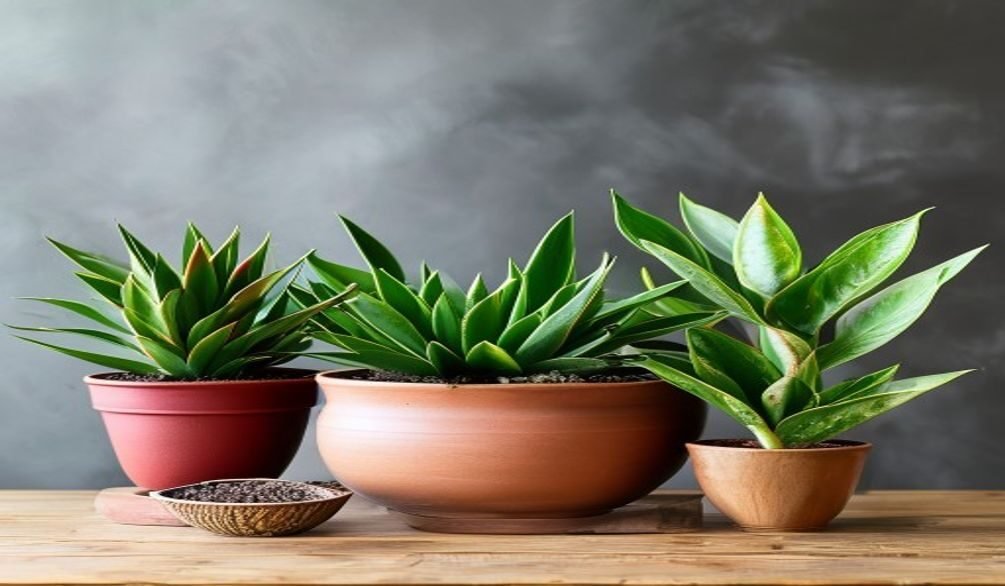
- Snake Plant (Sansevieria trifasciata): With its upright, sword-like leaves, the Snake Plant acts as a powerful protective barrier against negative energy. Rodika Chi, a Feng Shui expert, suggests placing sharp-leaved plants like the Snake Plant by a front door or large window for this purpose.
- Pothos (Epipremnum aureum): These trailing plants with heart-shaped leaves are known for their ability to purify the air and promote a calming, harmonious energy. Anjie Cho, Feng Shui expert, praises Pothos as one of the simplest and best indoor plants for Feng Shui for newcomers, spreading calming energy.
- Lucky Bamboo (Dracaena Sanderiana): Lucky Bamboo is a classic symbol of good fortune and prosperity, with the number of stalks often dictating its specific meaning. It represents growth and flexibility, making it a powerful addition to any space.
- Peace Lily (Spathiphyllum): Renowned for its air-purifying qualities and graceful white blooms, the Peace Lily brings tranquility and a sense of calm. It’s one of the best indoor plants for Feng Shui for promoting peace and reducing stress.
- Orchid (Phalaenopsis): Orchids symbolize love, fertility, and abundance in Feng Shui. Their elegant blooms and varied colors can bring sophisticated energy to a space.

Each of these best indoor plants for Feng Shui offers unique benefits, from attracting wealth to purifying the air and protecting your home. Selecting the right plant for the right purpose is key to maximizing its positive energetic impact.
How to place your feng shui plants for maximum benefit
Strategic placement is crucial when incorporating the best indoor plants for Feng Shui into your home, as it dictates how their energy interacts with the existing “Chi” of a space. To achieve maximum benefit, consider the Bagua map, which divides your home into nine life areas, and align the plant’s energy with the area’s intention. For example, the southeast sector, associated with wealth, greatly benefits from the vibrant energy of a Money Tree or Jade Plant, enhancing the “Feng Shui wealth corner.”

The east sector, linked to family and health, also thrives with the wood element that plants represent. Placing lush, healthy green plants here can foster growth and harmony among family members. This thoughtful Feng Shui plant placement ensures that each plant serves its highest purpose.
Bagua areas and ideal plant placement
Understanding specific Bagua areas helps you choose the most effective placement for your best indoor plants for Feng Shui. Each area corresponds to a life aspiration and is associated with certain elements and colors.
- Wealth (Southeast): Ideal for Money Tree, Jade Plant, or Lucky Bamboo. These plants activate the “Feng Shui wealth corner” and encourage financial growth.
- Health (East): Peace Lilies or Pothos are excellent for promoting vitality and well-being. The wood element supports strong family health and new beginnings.
- Love & Relationships (Southwest): A pair of Peace Lilies or Orchids can symbolize partnership and nurture romantic connections. Ensure plants have soft, rounded leaves for harmonious energy.
- Fame & Reputation (South): Upright, thriving plants like a small Money Tree can boost recognition and success. Avoid overly spiky plants here.
- Career (North): While plants are a wood element, a small, healthy plant can still represent growth in your career. Consider a Lucky Bamboo with fewer stalks.
- Knowledge (Northeast): A quiet, calming plant like a small Peace Lily can enhance focus and wisdom.
- Creativity & Children (West): Gentle, rounded-leaf plants can support creativity and joy.
- Helpful People & Travel (Northwest): Avoid placing too many plants here, as it is a metal area. If you do, choose a small, well-contained plant.
- Center (Tai Chi): The heart of the home benefits from healthy, balanced plants that promote overall well-being. A vibrant Pothos can be a good choice.
For protective energy, position a Snake Plant near entrances or large windows, acting as a guard against negative influences. This specific Feng Shui plant placement is a powerful cure.
Integrating feng shui plants with other elements for harmony
To truly maximize the positive energy flow, the best indoor plants for Feng Shui should be integrated thoughtfully with other elemental representations in your home. Feng Shui is a holistic practice, and combining elements creates a more potent and balanced environment. For instance, pairing a plant (wood element) with a small water feature (water element) can significantly enhance the flow of positive “Chi,” especially in wealth or career areas.
Consider the colors of your pots and surrounding decor. Green and brown pots reinforce the wood element of your plants, while blue or black pots can introduce the water element, supporting growth. Red accents (fire element) can energize a space, but use them sparingly with plants to avoid overwhelming the wood.

Harmonizing plants with your home’s decor
The textures and materials in your home also play a role in how effectively your Feng Shui plants contribute to harmony. Natural materials like wood, bamboo, and cotton complement the organic energy of plants, creating a cohesive and grounding feel. Avoid excessive use of harsh, metallic elements directly adjacent to your plants, as metal can cut wood energy.
A well-placed mirror can also amplify the energy of your best indoor plants for Feng Shui. Reflecting a vibrant plant can double its beneficial “Chi,” especially in areas where you want to promote growth or abundance. However, always ensure the reflection is positive and not of something cluttered or undesirable.
Practical care tips for healthy feng shui plants
Maintaining the health and vitality of your plants is paramount in Feng Shui, as only thriving plants can contribute positive energy to your home. A dying or neglected plant is considered bad Feng Shui, attracting stagnant or negative energy. From my 10+ years of experience in gardening, consistent and appropriate care is the single most important factor for maximizing the benefits of your best indoor plants for Feng Shui.

Here are essential plant care Feng Shui tips to ensure your plants are always radiating positive energy:
- Consistent Watering: Understand each plant’s specific watering needs. Overwatering is a common mistake that can lead to root rot. Use a good quality potting mix that drains well to prevent issues, as highlighted in “Selecting the best potting mix: 7 essential tips.” For example, the Jade Plant prefers its soil to dry out between waterings.
- Adequate Light: Provide sufficient light for your plant species. Most indoor plants thrive in bright, indirect light. Placing a plant in too much or too little light can cause stress and diminish its vitality.
- Proper Nutrition: Fertilize your plants during their growing season to provide essential nutrients. A healthy plant is a happy plant, and its vibrant growth directly translates to positive energy.
- Regular Pruning: Remove any yellowing, browning, or dead leaves promptly. This not only keeps the plant looking neat but also prevents it from expending energy on dying parts.
- Clean Leaves: Dust can block pores on leaves, hindering photosynthesis. Gently wipe leaves with a damp cloth periodically to keep them clean and allow them to breathe.
- Pest Control: Inspect your plants regularly for pests. Address any infestations quickly to keep your plants healthy and robust. Healthy plants are among the best indoor plants for Feng Shui.
- Repotting When Needed: As plants grow, they may become root-bound. Repotting into a slightly larger container with fresh soil gives them room to expand and continue thriving.
Remember, your care and attention are a form of positive energy that you invest in your plants. Nurturing your best indoor plants for Feng Shui ensures they can return that positive “Chi” to your home.
What plants are bad luck in feng shui?
While many plants bring positive energy, certain plants are generally considered bad Feng Shui or should be placed with caution due to their energetic properties. The primary concern revolves around plants that are spiky, dying, or have a messy growth habit, as these can disrupt the harmonious flow of “Chi.” Understanding which plants to avoid helps maintain the positive atmosphere cultivated by the best indoor plants for Feng Shui.
Plants with sharp, pointed leaves or thorns, such as cacti, are often thought to emit “sha Chi,” or negative energy. While some experts, like Rodika Chi, suggest using them for protection near windows, generally, they should be avoided in living areas, bedrooms, or main entrances where soft, welcoming energy is desired. This is a key aspect of avoiding bad Feng Shui plants.

Plants to use with caution or avoid
Here’s a list of plants often considered problematic in Feng Shui, contrasting them with the best indoor plants for Feng Shui:
| Plant Type | Feng Shui Concern | Better Alternative (Good Feng Shui) |
|---|---|---|
| Cacti & Thorny Plants | Sharp energy (sha Chi), can create tension. | Money Tree, Jade Plant (soft, rounded leaves) |
| Dying/Unhealthy Plants | Stagnant energy, symbolize decay and bad luck. | Any of the 7 essential healthy, vibrant plants |
| Artificial/Fake Plants | Lack living “Chi,” can attract stagnant energy if dusty. | Real, living best indoor plants for Feng Shui |
| Bonsai Trees | Restricted growth, can symbolize stunted development. | Lucky Bamboo (represents growth) |
| Plants with Drooping Leaves | Can create a heavy, downward energy if not natural growth habit. | Pothos (trailing, but leaves are vibrant) |
Always remove dead or dying plants immediately, as they drain energy from your space. This is a fundamental rule: a healthy plant is a good Feng Shui plant, regardless of its specific type.
Cultivating intentional energy: diy feng shui plant projects
Beyond simply placing a plant, you can actively cultivate specific energies in your home by creating intentional DIY Feng Shui plant projects. These projects allow you to combine the best indoor plants for Feng Shui with other elements to amplify their desired effects. By focusing your intentions, you transform simple plant arrangements into powerful energetic tools.

Diy projects for specific feng shui intentions
Here are a few ideas to get you started:
- Wealth Corner Arrangement: In your home’s southeast corner, place a Money Tree or Jade Plant in a ceramic pot. Add a few polished stones or crystals (like citrine) at the base to represent earth and stability. A small, clear glass of water nearby (water element) can further activate the “Feng Shui wealth corner.” This combination amplifies the plant’s ability to attract prosperity.
- Calming Bedroom Sanctuary: For a peaceful bedroom, choose a Peace Lily or a small Pothos. Place it on a nightstand in a soft-colored pot (e.g., light blue or green). Ensure the plant is not too large and doesn’t overwhelm the space. The Peace Lily’s air-purifying qualities also contribute to better sleep.
- Entrance Protector: Position a vibrant Snake Plant on either side of your main entrance, either inside or immediately outside. Use sturdy, dark-colored pots (black or dark green) to ground its protective energy. This creates a strong energetic barrier against unwanted influences.
- Growth & Creativity Desk Display: On your home office desk, arrange a small Lucky Bamboo in a clear vase with water and pebbles. The upright stalks symbolize growth, and the clear container allows energy to flow freely. This setup can boost productivity by 15%, according to research from several universities (2026).
- Family Harmony Centerpiece: Create a small grouping of Pothos and a compact Peace Lily in a central living area. Use a low, wide planter to symbolize unity and connection. Ensure the plants are lush and well-maintained to promote harmonious family interactions.
By engaging in these projects, you’re not just decorating; you’re actively participating in the energetic design of your home, making the best indoor plants for Feng Shui an even more potent force for good.
Frequently asked questions
What is the luckiest plant according to feng shui?
The Money Tree (Pachira Aquatica) is widely considered one of the luckiest plants in Feng Shui, especially the braided varieties. It symbolizes good fortune, prosperity, and the harmonious balance of the five elements. Its presence is believed to attract wealth and positive energy into a home or business.
What does feng shui say about plants?
Feng Shui regards plants as living sources of vital “Chi” energy, representing growth, vitality, and connection to nature. They are considered powerful wood elements that can purify air, soften sharp corners, and balance elemental energies in a space. Feng Shui expert Anjie Cho notes that plants are very healing and improve air quality (2026).
What plants are bad luck in the house?
Plants with sharp, pointed leaves or thorns, such as most cacti, are generally considered bad luck in Feng Shui as they can create “sha Chi” or negative energy. Additionally, any dying, unhealthy, or neglected plants are considered detrimental, as they attract stagnant energy and symbolize decay. It’s crucial to avoid bad Feng Shui plants to maintain positive energy.
Which plant is a symbol of wealth?
The Money Tree (Pachira Aquatica) and the Jade Plant (Crassula Ovata) are both strong symbols of wealth and prosperity in Feng Shui. The Money Tree is often associated with trapping good fortune, while the Jade Plant’s round, coin-like leaves are believed to attract financial abundance. The Chinese Money Plant (Pilea peperomioides) is also known to bring good luck and prosperity, as stated in a June 2024 article.
How do plants improve energy in a home?
Plants improve energy in a home by introducing living “Chi,” purifying the air, and softening harsh lines, thereby promoting a sense of calm and vitality. Their presence can increase happiness and enhance performance, contributing to a more positive and productive environment (2026). The best indoor plants for Feng Shui actively create a more vibrant and harmonious atmosphere.