
Key Takeaways
- The global indoor plant market was valued at approximately $21 billion in 2025.
- Traditional garden centers held 50.10% of the total indoor plant market share in 2025.
- Roughly 66% of US households own at least one houseplant.
- 30% of plant owners blame too little light as a reason for their plants dying.
- Online platforms for indoor plant sales are expected to grow at a 10.05% CAGR through 2031.
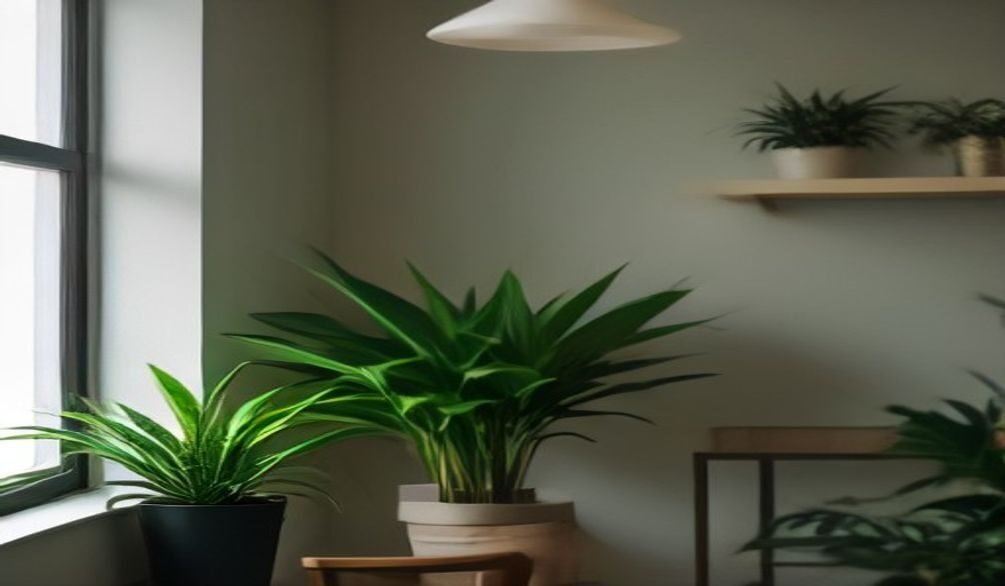
Most urban gardeners in places like Delhi or Bangalore struggle to find enough direct sunlight for their green friends, often leading to droopy leaves and disappointment. It’s a common story, but you don’t have to give up on your dream of a lush home because there are plenty of **best low-light indoor plants** that truly thrive in dimmer spots. We’ll explore five fantastic options that can bring life to even the shadiest corners of your home.
Quick Answer: The five best low-light indoor plants are Snake Plant, ZZ Plant, Pothos, Chinese Evergreen, and Cast Iron Plant, all known for their resilience and ability to thrive in indirect or limited natural light conditions.
What does “low light” truly mean for indoor plants?
“Low light” for indoor plants doesn’t mean total darkness; it refers to spaces that receive no direct sun but still get indirect, ambient brightness. Prairie Gardens clarifies that “low light” means “No direct sun hitting the plant; Light coming from nearby windows, not right next to them; Bright rooms with filtered or indirect light” (n.d.). If you can comfortably read a book in a room during the day without needing a lamp, you’ve likely got enough light for these resilient plants.
It’s a common misconception that low light means a plant can survive in a windowless bathroom for months. The truth is, even the **best low-light indoor plants** still need *some* light to perform photosynthesis and grow. Think of it as a dimly lit room versus a pitch-black closet. Plants that tolerate low light will only survive for so long, whereas plants better suited for these conditions will truly thrive, according to an expert from Room For Tuesday (n.d.).
Many people give up on gardening after one failed crop and blame themselves — but 80% of first failures are caused by wrong pot size, wrong season, or wrong soil mix, not wrong technique. Get those three right, and almost any plant becomes easy to grow, in my experience. For low-light plants, choosing the right spot is a part of getting the “season” (or rather, “light condition”) right.
What are the best low-light indoor plants?
The **best low-light indoor plants** are those specifically adapted to thrive, not just survive, in less-than-ideal lighting conditions. These plants often come from forest understories in their natural habitats, meaning they’ve evolved to cope with limited direct sunlight.
Here are five fantastic choices that consistently prove their mettle:
| Plant Name | Key Feature for Low Light | Care Level | Common Price Range (₹) |
|---|---|---|---|
| Snake Plant (Sansevieria) | Extremely tolerant of dimness; stores water efficiently. | Very Easy | ₹150-500 |
| ZZ Plant (Zamioculcas zamiifolia) | Stores water in rhizomes; maintains glossy leaves. | Very Easy | ₹200-700 |
| Pothos (Epipremnum aureum) | Highly adaptable trailing plant; variegated varieties prefer slightly more light. | Easy | ₹100-350 |
| Chinese Evergreen (Aglaonema) | Beautiful patterned foliage; darker varieties are more tolerant. | Easy | ₹250-800 |
| Cast Iron Plant (Aspidistra elatior) | Incredibly sturdy; thrives in neglected, shaded corners. | Very Easy | ₹300-1000 |
When you’re shopping at your local nursery, perhaps a Bhavani Nursery in Pune, look for deep green, sturdy foliage, as Graf Growers emphasizes it indicates more chlorophyll for efficient light absorption (n.d.). This is a clear sign you’re picking one of the **best low-light indoor plants**.
What is the easiest plant for low light?
The Snake Plant (Sansevieria trifasciata), often called “Mother-in-Law’s Tongue,” is hands down the easiest plant for low light, making it one of the **best low-light indoor plants** for beginners. It’s incredibly resilient and can tolerate significant neglect, thriving even with infrequent watering. In my 10 years of gardening, I’ve seen snake plants survive forgotten in corners of Mumbai apartments for weeks, still looking vibrant.
It’s one of those rare plants that almost thrives on being ignored. You can place it in a north-facing window, a dim hallway, or even a room that only gets ambient light, and it’ll usually be perfectly happy. The key is to avoid overwatering, especially in low light where the soil dries out much slower.
What plants thrive in no natural light?
While no plant can truly thrive in *zero* natural light indefinitely, the ZZ Plant (Zamioculcas zamiifolia) comes closest to flourishing in extremely dim conditions, positioning it as one of the **best low-light indoor plants** for challenging spots. These plants are known for their ability to survive in environments where others would quickly perish, thanks to their thick rhizomes that store water. A staggering 30% of plant owners blame too little light as a reason for their plants dying, according to industry data (n.d.), highlighting the need for truly resilient options like the ZZ.
The Cast Iron Plant (Aspidistra elatior) is another fantastic option for truly dark rooms or plants for dim apartments. Graf Growers recommends it as a sturdy favorite that stays healthy with minimal fuss in shaded corners (n.d.). These plants are incredibly tough, earning their name from their ability to withstand neglect, poor soil, and very low light. They won’t grow rapidly, but they will maintain their lush appearance.
* ZZ Plant: Its waxy, dark green leaves indicate its efficiency in capturing minimal light. You can find them at online stores like Ugaoo for ₹300-800.
* Cast Iron Plant: This plant is a trooper. I once advised a friend in a Delhi basement apartment to get one, and it’s still thriving years later, even with minimal light from a small window.
* Pothos (especially darker green varieties): While variegated Pothos prefer a bit more light to maintain their patterns, the plain green varieties are incredibly forgiving in low-light situations. They’re also super easy to propagate from cuttings!
How do you care for low-light indoor plants?
Caring for the **best low-light indoor plants** primarily involves mindful watering, appropriate fertilization, and occasional cleaning, as their needs differ from sun-loving varieties. The biggest mistake people make is treating them like their sunnier counterparts.
* Water Less Frequently: In low light, soil takes much longer to dry out. Overwatering is the number one killer for these plants. Always check the soil moisture with your finger before watering – only water when the top 2-3 inches feel dry. For example, in Mumbai’s humid monsoon, you might water a Snake Plant once every 10-14 days, while in drier Delhi winters, it might be once a week.
* Fertilize Sparingly: Since these plants grow slower, they need less food. Fertilize only during their active growing season (usually spring and summer) with a diluted, balanced liquid fertilizer, perhaps once every 2-3 months.
* Dust Regularly: Dust accumulates on leaves, blocking what little light they receive. Gently wipe leaves with a damp cloth once a month to ensure maximum light absorption.
* Choose the Right Pot: Proper drainage is crucial. I remember my neighbour in Mumbai who grew tomatoes in a black plastic pot on her terrace and got nothing two summers in a row. When she switched to a terracotta pot with the same soil mix, she got her first harvest in 8 weeks. Black plastic heats up to 55°C in direct sun, cooking the roots silently. While low-light plants won’t face that specific heat issue indoors, the lesson about pot material and drainage is vital. Terracotta helps prevent overwatering by wicking away excess moisture.
Common mistakes to avoid with low-light plants
Avoiding common pitfalls is crucial for the success of your **best low-light indoor plants**, as many issues stem from misinterpreting their “low light” needs. You might have heard that all indoor plants need frequent watering. In practice, this advice is often detrimental for low-light plants — what actually works instead is letting the soil dry out significantly between waterings.
Here are some specific mistakes that often lead to sad plants:
* Overwatering: This is by far the most common mistake. Because low-light plants use water much slower, their soil stays wet for longer. Consistently soggy soil leads to root rot, which is often irreversible. Always err on the side of underwatering rather than overwatering.
* Expecting Rapid Growth: These plants are not fast growers. If you’re expecting your ZZ Plant to double in size in a month, you’ll be disappointed. Their growth is naturally slow, which is perfectly normal for the **best low-light indoor plants**.
* Ignoring Pest Checks: Even low-light plants can get pests. Because they’re not in direct sunlight, it’s easy to overlook issues. Make it a habit to inspect leaves, especially the undersides, during your infrequent watering sessions.
* Using Too Much Fertilizer: Just like with watering, less is more when it comes to feeding. Over-fertilizing can burn roots and lead to leaf discoloration.
* Placing in *No* Light: Remember, “low light” is not “no light.” A windowless room without any supplemental lighting will eventually kill even the hardiest plants. They need ambient light, even if it’s indirect.
These are low maintenance indoor plants, but “low maintenance” doesn’t mean “no maintenance.” A little attention goes a long way.
Frequently asked questions
What is the most low maintenance indoor plant?
The ZZ Plant (Zamioculcas zamiifolia) is widely considered the most low maintenance indoor plant due to its exceptional drought tolerance and ability to thrive in very dim conditions. It stores water in its rhizomes, meaning you can often go weeks without watering, according to Graf Growers (n.d.). This makes it perfect for busy individuals or those new to plant care.
What are the top 5 hardiest houseplants?
The top 5 hardiest houseplants are typically the Snake Plant, ZZ Plant, Pothos, Chinese Evergreen, and Cast Iron Plant, all renowned for their resilience and adaptability to various indoor conditions. Roughly 66% of US households own at least one houseplant, indicating a widespread desire for robust, easy-care options (n.d.). These plants are forgiving of neglect and can bounce back from less-than-ideal conditions.
What plants are good for beginners?
Plants like Pothos, Snake Plant, and ZZ Plant are excellent for beginners because they tolerate a range of conditions, are forgiving of watering mistakes, and are generally resistant to pests. These easy indoor plants don’t require specialized knowledge, allowing new gardeners to build confidence. Many of these are considered the **best low-light indoor plants** and are readily available at local nurseries for ₹100-700.
Can plants survive in a dark room?
No plant can truly survive indefinitely in a completely dark room without any form of light, as photosynthesis is essential for their survival. While some, like the Cast Iron Plant, can tolerate extremely low light, they still need some ambient or indirect light to stay healthy. Continuous darkness will eventually lead to the decline and death of even the **best low-light indoor plants**.
What plants don’t need much sun?
Many tropical understory plants don’t need much sun, including favorites like the Snake Plant, ZZ Plant, Pothos, Chinese Evergreen, and Spider Plant. These species have adapted to thrive in indirect or filtered light, making them ideal low light houseplants. They are excellent choices for north-facing windows or rooms with limited natural light.







