
Key Takeaways
- The vertical garden construction market is projected to grow from USD 1.18 billion in 2025 to USD 2.26 billion by 2033, according to Research and Markets (2026).
- Vining, trailing, and compact plants like Pothos and ferns are ideal for the limited space of a vertical garden wall.
- Hydroponic home systems usage has increased by 45% globally since 2021, according to Gitnux (2026).
- Urban dwellers make up 40% of home gardeners globally, driving demand for space-saving solutions like vertical gardens (Gitnux, 2026).
- Integrating smart gardening technologies can increase the vertical garden market size by approximately 15% in the coming years (2026).
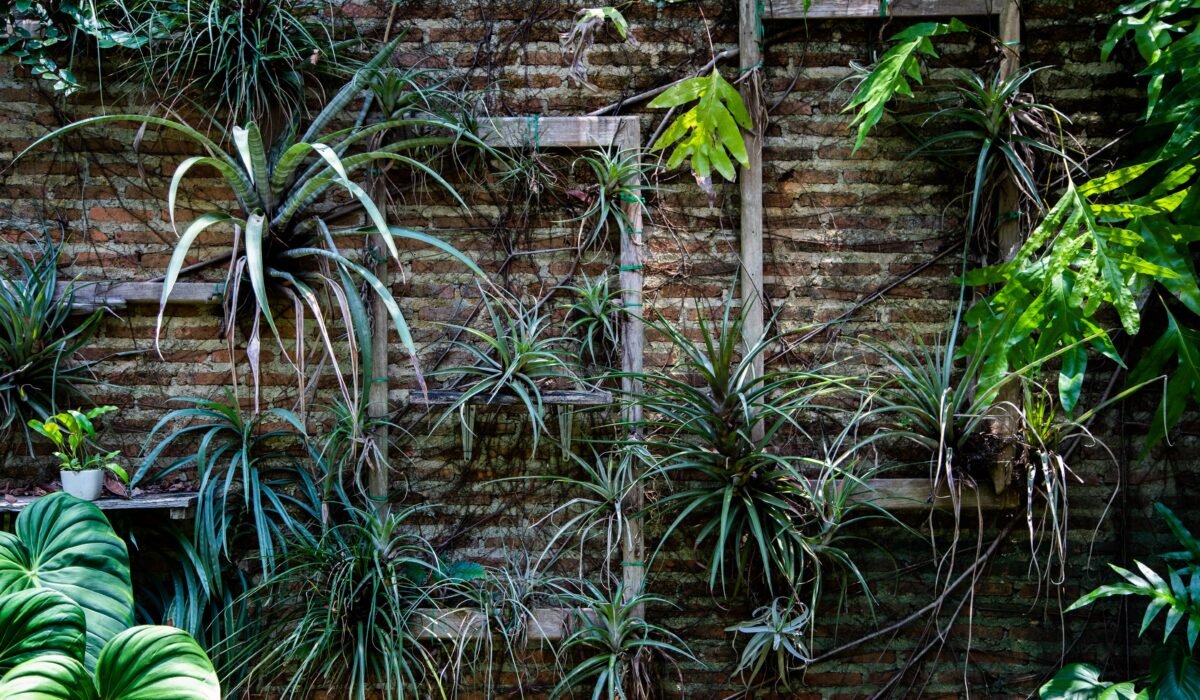
If you’re looking to maximize greenery in minimal space, discovering the **best plants for vertical garden wall** installations is your first crucial step. A vertical garden wall transforms any plain surface into a vibrant living display, offering both aesthetic appeal and practical benefits. This guide will walk you through optimal plant choices, essential care, and smart solutions to ensure your vertical garden thrives, drawing on my 10+ years of experience in horticulture.
Quick Answer: Resilient, compact, vining, or trailing plants thrive best in vertical garden walls. Popular choices include Pothos, Philodendrons, ferns, and succulents for low maintenance, alongside edible options like mint and strawberries, adapting to specific light and moisture conditions.
What is a Vertical Garden Wall and Why Choose One?
A vertical garden wall is a system where plants are grown vertically on a suspended panel, utilizing space efficiently and creating a living, green display. These innovative structures are gaining immense popularity, with the global vertical garden construction market projected to grow from USD 1.18 billion in 2025 to USD 2.26 billion by 2033, according to Research and Markets (2026). This growth highlights their increasing adoption in both urban and suburban settings.
Choosing a vertical garden wall offers numerous benefits beyond just aesthetics. They are an excellent solution for urban dwellers, who make up 40% of home gardeners globally, as reported by Gitnux (2026), providing a way to cultivate greenery even with limited ground space. David Hillock, Oklahoma State University Cooperative Extension consumer horticulturist, states that “Vertical gardening is a great way to take advantage of empty vertical space such as walls or fences. It’s also a unique way to add visual interest to your space.”
Beyond beauty, vertical gardens contribute to environmental well-being. A layer of vegetation can reduce heat loss from buildings, cutting the wind chill factor by 75% and heating demand by 25%, according to the Centre for Sustainable Development at the University of Cambridge (2019). This makes them a smart choice for energy efficiency.
Here’s why you might consider a vertical garden:
- Space-Saving: Ideal for small balconies, patios, or indoor areas.
- Aesthetic Appeal: Transforms bland walls into vibrant, living art.
- Improved Air Quality: Plants naturally filter air and produce oxygen.
- Reduced Urban Heat Island Effect: Helps cool surrounding areas, especially in cities.
- Increased Biodiversity: Attracts pollinators and beneficial insects, even in urban environments.
The “vertical orientation, lighting conditions, and irrigation methods of living walls create a unique environment where some plants flourish while others struggle,” emphasize Biophilic Experts (2026). This underscores the importance of selecting the **best plants for vertical garden wall** success.
What are the Easiest Plants for a Vertical Garden Wall?
The easiest plants for a vertical garden wall are generally those that are resilient, compact, or have vining and trailing habits, allowing them to adapt well to limited soil volume and specific watering systems. My experience shows that choosing the right plant for the right condition is half the battle won when planning your vertical garden. These plants are often forgiving of minor care fluctuations, making them ideal for beginners.
For outdoor vertical gardens, succulents and various herbs are excellent choices due to their hardiness. Succulents, for instance, require minimal watering once established, making them perfect low-maintenance vertical garden plants. Sedum and Echeveria are particularly popular for their diverse forms and colors.
Here are some of the easiest **best plants for vertical garden wall** installations:
- Pothos (Epipremnum aureum): Extremely tolerant of varying light conditions and forgiving of missed waterings. Its trailing vines drape beautifully.
- Philodendron (Philodendron hederaceum): Similar to Pothos, these vining plants are robust and require minimal fuss. They are among the easiest plants for a vertical garden.
- Ferns (various species like Boston or Kimberly Queen): Many fern varieties thrive in the consistent moisture often found in vertical systems, offering lush, feathery textures.
- Succulents (e.g., Sedum, Echeveria, Sempervivum): These drought-tolerant plants are perfect for sunny outdoor walls, requiring infrequent watering. They are truly low maintenance vertical garden plants.
- Spider Plants (Chlorophytum comosum): Known for their air-purifying qualities and ability to produce “plantlets” that cascade down.
- Coleus (Plectranthus scutellarioides): Offers vibrant foliage colors and thrives in partial shade, providing a stunning visual impact.
- Mint (Mentha spp.): A vigorous grower that can be contained in vertical pockets, providing fresh herbs easily.
These selections represent the **best plants for vertical garden wall** beginners, offering a high success rate with relatively little effort. Their adaptability is key to a flourishing vertical display.
Best Plants for Indoor Vertical Gardens: Low Light & High Humidity Options
When considering the **best plants for vertical garden wall** indoors, especially in low-light or high-humidity environments, you need species that naturally thrive in such conditions. Indoor vertical garden plants low light options open up possibilities for green walls in many parts of a home or office that might otherwise seem unsuitable for plants. The consistent moisture and often lower light levels found in indoor setups make specific plant types flourish.
For areas with limited natural light, selecting plants known for their shade tolerance is paramount. Many tropical houseplants are naturally adapted to the filtered light of a forest floor, making them excellent candidates for your indoor vertical garden wall. They will thrive where other plants might struggle.
My top recommendations for indoor vertical gardens include:
- Pothos: As mentioned, Pothos is incredibly versatile and tolerates low light extremely well, making it one of the easiest indoor vertical garden plants low light solutions.
- Philodendron: Similar to Pothos, these vining plants are content in indirect light and appreciate the humidity often present in vertical systems.
- Ferns (e.g., Boston Fern, Maidenhair Fern): These plants absolutely love humidity and indirect light, making them perfect for creating a lush, verdant look. Consistent moisture is key for ferns.
- Peace Lily (Spathiphyllum): Known for its elegant white blooms and air-purifying qualities, Peace Lilies prefer low to medium indirect light and consistently moist soil.
- Prayer Plant (Maranta leuconeura): With its striking patterned leaves, the Prayer Plant thrives in humid conditions and low to medium light, adding unique visual interest.
- ZZ Plant (Zamioculcas zamiifolia): Extremely drought-tolerant and can survive in very low light, though it prefers brighter indirect light. It’s a very forgiving option for vertical garden wall applications.
These plants are among the **best plants for vertical garden wall** systems inside your home, providing beauty and cleaner air. They are specifically chosen for their ability to thrive with less light and benefit from the often higher humidity levels in vertical garden setups.
Top Edible Plants for Your Vertical Garden Wall
Cultivating edible plants for your vertical garden wall is an incredibly rewarding endeavor, transforming a simple wall into a productive food source. The key to success lies in choosing compact, quick-growing varieties that can yield well in the unique conditions of a vertical setup. Many urban gardeners are embracing this, as hydroponic home systems usage has increased by 45% globally since 2021, according to Gitnux (2026), indicating a shift towards efficient, space-saving food production.
When selecting edible plants for vertical wall garden, consider their root structure and water needs. Herbs and leafy greens are particularly well-suited because they typically have shallower root systems and appreciate consistent moisture, which many vertical systems provide. This makes them some of the **best plants for vertical garden wall** setups focused on food production.
Here are some of the best edible plants for your vertical garden:
- Lettuce and other leafy greens (e.g., Spinach, Arugula, Kale): These grow quickly and are perfect for continuous harvesting. Lettuce Grow offers innovative vertical hydroponic systems specifically designed for these types of edibles.
- Strawberries: Their trailing habit makes them ideal for cascading down a vertical garden, producing sweet fruit within easy reach.
- Herbs (e.g., Mint, Basil, Rosemary, Thyme, Chives): Most herbs thrive in vertical pockets. Mint is particularly vigorous and provides a constant supply for culinary uses. You can learn more about growing herbs hydroponically.
- Bush Beans: Choose bush varieties over pole beans for their more compact growth habit, making them suitable for vertical pockets.
- Cherry Tomatoes (Dwarf varieties): While requiring more support, certain dwarf cherry tomato varieties can be grown in larger pockets or containers within a vertical system.
- Radishes: Quick to mature and requiring minimal space, radishes are an excellent choice for a rapid harvest in your vertical garden.
For those interested in maximizing yields, consider systems like the Garden Tower Project, which allows for growing up to 50 plants in just 4 square feet, or Click & Grow Smart Gardens, which simplify the process with pre-filled seed pods. These systems make it easier to cultivate the **best plants for vertical garden wall** applications, ensuring a fresh supply of produce.
Vertical Garden Plant Care: Watering, Nutrients, and Pruning
Proper vertical garden plant care, encompassing precise watering, consistent nutrient delivery, and strategic pruning, is essential for maintaining the health and vigor of your plants. Unlike traditional ground gardens, vertical setups have unique requirements due to limited soil volume and often exposed root systems. My years of experience have taught me that attention to detail in these areas makes all the difference for the **best plants for vertical garden wall** success.
Watering is perhaps the most critical aspect. Vertical gardens can dry out faster than traditional beds, so consistent moisture is vital. Many systems utilize drip irrigation or recirculating hydroponics to deliver water efficiently. Vertical Garden Nutrient Delivery systems are designed to provide water directly to the root zone, minimizing waste.
Key care considerations for your vertical garden:
- Watering Frequency:
- Check moisture levels daily, especially during hot or windy weather.
- Automated drip systems are highly recommended for consistent delivery, as discussed by Vertical Garden Solutions.
- Ensure adequate drainage to prevent root rot, particularly in pocket systems.
- Nutrient Management:
- Plants in vertical gardens, especially hydroponic ones, rely entirely on you for nutrients.
- Use a balanced liquid fertilizer specifically designed for container or hydroponic use.
- Follow dilution instructions carefully; over-fertilizing can harm plants.
- For soil-based systems, replenish nutrients with compost tea or slow-release fertilizers.
- Pruning Techniques:
- Regular pruning encourages bushier growth and prevents plants from becoming leggy.
- Pinch back vining plants like Pothos and Philodendrons to encourage branching.
- For edibles, harvest regularly to promote new growth and extend the season.
- Remove any yellowing or dead leaves promptly to maintain plant health and appearance.
What most people miss is that the confined spaces of vertical gardens mean roots have less room to spread, making nutrient and water availability even more crucial. Therefore, a proactive approach to vertical garden plant care will ensure your selection of the **best plants for vertical garden wall** continues to flourish beautifully.
Troubleshooting Common Vertical Garden Wall Issues
Addressing common vertical garden wall issues promptly is crucial for maintaining a healthy and vibrant display, as these problems can quickly escalate in the confined environment of a living wall. From uneven watering to pest infestations, understanding the root cause is the first step toward a solution. In my experience, early detection and consistent monitoring prevent minor annoyances from becoming major challenges for the **best plants for vertical garden wall** installations.
One frequent issue is uneven watering, often leading to some pockets drying out while others remain waterlogged. This can be caused by clogged emitters in drip systems or variations in sun exposure across the wall. You may notice plants at the top drying out faster than those at the bottom.
Common problems and their solutions:
- Uneven Watering:
- Symptom: Some plants wilt or dry out, while others show signs of overwatering (yellow leaves, stunted growth).
- Solution: Check drip emitters for clogs and ensure water flow is consistent across all levels. Consider adding a timer to your irrigation system for more precise control. For soil-based systems, adjust manual watering frequency based on individual pocket needs.
- Pest Infestations:
- Symptom: Visible insects, sticky residue, chewed leaves, or discolored spots.
- Solution: Regularly inspect plants for pests. For small infestations, a strong spray of water or organic garden pest control methods like neem oil or insecticidal soap can be effective. Isolate severely affected plants if possible.
- Nutrient Deficiencies:
- Symptom: Yellowing leaves, stunted growth, or unusual leaf coloration.
- Solution: Review your fertilization schedule and nutrient solution concentration. Ensure you’re using a balanced fertilizer appropriate for vertical gardens. Hydroponic systems require regular monitoring of pH and EC levels.
- Algae Growth:
- Symptom: Green slimy film on surfaces, especially in hydroponic systems.
- Solution: Algae thrive in light and moisture. Reduce light exposure to water reservoirs and use opaque materials. Regular cleaning of reservoirs and water lines is important for healthy plants and systems.
By proactively addressing these challenges, you can ensure that your chosen **best plants for vertical garden wall** remain vibrant and healthy, providing continuous enjoyment. Consistent monitoring is your best tool against these common issues.
Smart Vertical Gardening: Integrating Technology for Success
Integrating smart gardening technology into your vertical garden system elevates efficiency and success, making plant care more precise and less labor-intensive. The adoption of smart gardening technologies could increase the vertical garden market size by approximately 15% in the coming years (2026), indicating a significant shift towards automated and data-driven gardening. This technological integration is particularly beneficial for managing the specific needs of the **best plants for vertical garden wall** environments.
Smart technology provides automated solutions for critical tasks like watering and nutrient delivery, removing much of the guesswork from plant care. This ensures that your vertical garden receives optimal conditions even when you’re busy or away. It’s a game-changer for busy individuals or those looking for a more hands-off approach.
Here’s how technology can enhance your vertical garden:
- Automated Irrigation Systems:
- Smart Timers: Connect to your drip irrigation system to schedule precise watering cycles based on plant type, weather, and season.
- Moisture Sensors: These devices detect soil moisture levels and trigger irrigation only when needed, preventing both over and under-watering.
- Remote Control: Many systems allow you to adjust watering schedules and monitor system status from your smartphone.
- Nutrient Monitoring:
- pH and EC Meters: Essential for hydroponic vertical gardens, these tools measure nutrient concentration and acidity, ensuring plants receive optimal feeding. Some advanced systems offer continuous monitoring.
- Automated Nutrient Dosers: These smart devices can automatically adjust nutrient levels in your water reservoir, keeping conditions ideal for growth.
- Environmental Sensors:
- Light Sensors: Measure light intensity to help you determine if your plants are getting adequate light or if supplemental lighting is needed.
- Temperature and Humidity Sensors: Monitor ambient conditions, crucial for indoor vertical gardens, and can trigger fans or humidifiers if integrated.
- Integrated Smart Gardens:
- Brands like Click & Grow offer comprehensive smart garden systems that manage light, water, and nutrients automatically, often using pre-seeded plant pods. This simplifies the process for beginners.
Leveraging these technologies ensures that the **best plants for vertical garden wall** projects receive consistent, tailored care, leading to healthier growth and a more successful green space. It truly brings gardening into the 21st century.
DIY vs. Professional Vertical Garden Systems: A Cost Analysis
Deciding between a DIY approach and a professional installation for your vertical garden system involves a careful cost analysis, balancing initial outlay with long-term maintenance and desired aesthetic. Both options offer unique advantages, but understanding the financial implications helps you choose the best path for your budget and gardening goals. The vertical gardening segment is projected to grow at a compound annual growth rate of approximately 8% over the next five years, fueled by government initiatives promoting green infrastructure (2026), indicating a wide range of available solutions.
A DIY vertical garden can significantly reduce initial costs, making it an attractive option for budget-conscious gardeners. However, it often requires more time and a certain level of craftsmanship. Professional systems, while more expensive upfront, offer convenience, durability, and often superior aesthetics and functionality. For the **best plants for vertical garden wall** success, the system choice is as important as the plant selection.
Here’s a comparison of DIY and professional vertical garden systems:
| Feature | DIY Vertical Garden System | Professional Vertical Garden System |
|---|---|---|
| Initial Cost | Low to Moderate ($50 – $500+) | High ($1,000 – $10,000+) |
| Materials | Recycled pallets, plastic bottles, fabric pockets, PVC pipes, wood frames. | Modular panels (felt, plastic, metal), integrated irrigation, custom frames. |
| Installation | Requires personal time, basic tools, and some gardening/construction skills. | Installed by experts, ensuring proper structural integrity and irrigation. |
| Durability | Varies greatly based on materials and construction quality. | Generally high, designed for longevity with quality materials. |
| Aesthetics | Can be rustic or charming; depends on skill level and chosen materials. | Sleek, polished, integrated design; often designed by Vertical Garden Solutions or similar experts. |
| Maintenance | More hands-on for watering and nutrient delivery, especially without automation. | Often includes automated irrigation and potentially smart monitoring systems. |
| Examples | Pallet gardens, repurposed shelving, fabric shoe organizers. | Bosco Verticale, Gardens by the Bay, custom living walls by Biophilic Experts. |
Julie, a gardener with 25+ years of experience featured on HGTV, advises considering building custom frames from rot-resistant wood and leaving an air space between planters and the wall for DIY projects. This practical advice can save you headaches later. When considering the **best plants for vertical garden wall** projects, remember that the system you choose will directly impact plant health and your ongoing effort. For large-scale or complex installations, a professional system from Vertical Garden Solutions might be the more cost-effective and reliable long-term investment, despite the higher upfront cost.
Frequently Asked Questions
What are the easiest plants to grow in a vertical garden?
The easiest plants to grow in a vertical garden are resilient, vining, or compact varieties like Pothos, Philodendrons, ferns, and succulents. These plants adapt well to limited soil space and varying light conditions, making them ideal low maintenance vertical garden plants. For edibles, mint and strawberries are excellent choices due to their vigorous growth and ease of care.
What plants are suitable for a vertical garden?
Plants suitable for a vertical garden include vining ornamentals like Pothos and Philodendrons, various ferns for their humidity preference, and drought-tolerant succulents such as Sedum and Echeveria. Edible options like lettuce, spinach, and many herbs are also highly suitable, especially in systems like those from Lettuce Grow. These are among the **best plants for vertical garden wall** setups.
What is the best plant for a living wall?
The best plant for a living wall often depends on the specific environmental conditions, but common top choices include Pothos, Philodendrons, and various types of ferns. These plants are chosen for their adaptability, aesthetic appeal, and ability to thrive in the consistent moisture and limited root space found in living wall systems. Their resilience makes them excellent choices for a vibrant display.
What vegetables grow best in a vertical garden?
Leafy greens like lettuce, spinach, and kale, along with herbs such as basil, mint, and chives, grow exceptionally well in a vertical garden. Strawberries are also a fantastic option, cascading beautifully and producing abundant fruit. These vegetables and fruits typically have shallow root systems and respond well to the consistent watering often provided by vertical garden systems, making them among the **best plants for vertical garden wall** food production.
Do vertical gardens need a lot of water?
Vertical gardens typically require consistent watering, often more frequently than traditional in-ground gardens, due to reduced soil volume and increased exposure to air flow. However, many systems are designed for water efficiency, with automated drip irrigation or recirculating hydroponic setups. Hydroponic home systems usage has increased by 45% globally since 2021, according to Gitnux (2026), highlighting efficient watering as a key feature.
Choosing the **best plants for vertical garden wall** projects can transform any space into a lush, thriving oasis. By selecting resilient vining, trailing, or compact varieties, understanding specific light and moisture needs, and embracing smart technology, you can create a stunning and sustainable green wall. My 10+ years in horticulture confirm that with the right plant choices and diligent care, your vertical garden will flourish. Start planning your vertical garden today and bring a vibrant touch of nature into your home or outdoor area.







