Key Takeaways
- Over 43% of Americans are now growing some kind of food at home, according to the National Gardening Association (2025).
- Herbs were grown by 37% of American gardeners, making them a popular choice in home gardens, according to the National Gardening Association (2025).
- Strategic harvesting in the early morning maximizes volatile oil content, which directly impacts flavor and aroma.
- Proper drying techniques, like air-drying in dark, well-ventilated spaces, can preserve up to 80% of an herb’s essential oils.
- Companion planting can enhance herb flavor by improving soil health and deterring pests, according to horticultural experts.
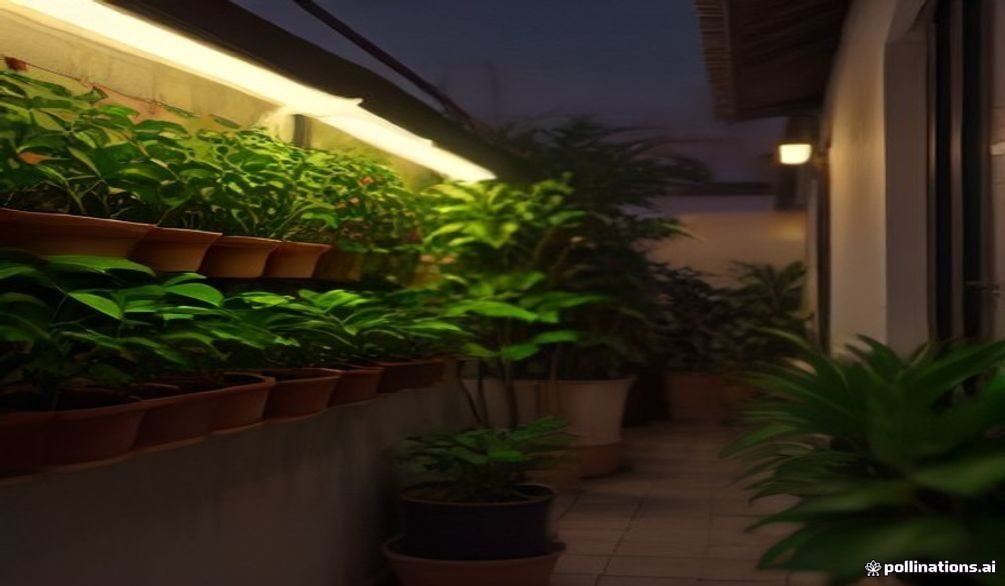
Most Mumbai balcony gardeners know the struggle: you lovingly tend your pudina or dhania, but the flavor just isn’t as punchy as the sabziwala’s. It’s frustrating when your homegrown efforts don’t quite deliver that intense aroma and taste. But don’t worry, you can absolutely boost herb flavor and potency with a few smart adjustments. I’ve spent years figuring out what truly works in Indian conditions, and it’s often about small, specific changes that make a huge difference.
Quick Answer: Boost herb flavor and potency by optimizing growing conditions, harvesting at peak, using proper drying and storage methods, and incorporating fresh herbs strategically in cooking to maximize their volatile oils and active compounds.
How do you increase the flavor of herbs?
You increase the flavor of herbs primarily by optimizing their growing conditions and ensuring they get enough sunlight, proper watering, and balanced nutrients. Herbs thrive on a little stress, which actually concentrates their essential oils – those lovely volatile compounds that give them their distinctive aroma and taste. For instance, per-participant spending on herbs surged by 31% in 2025, indicating a growing interest in their quality, according to the National Gardening Association (2025).
I’ve found that a common mistake for balcony gardeners is overwatering. You might have heard the advice to water on a fixed schedule, like every morning. In practice, this does not always work — soil dries at completely different rates in summer versus monsoon, morning versus afternoon sun, and terracotta versus plastic pots. Always check the soil with your finger, never follow a calendar. If you want to boost herb flavor and potency, less is often more when it comes to water, especially for herbs like rosemary or tulsi.
- Sunlight is Key: Most culinary herbs, especially Mediterranean varieties like rosemary, thyme, and oregano, need at least 6-8 hours of direct sunlight daily to develop strong flavors. My Pune terrace garden gets intense afternoon sun, and I’ve seen a clear difference in the vibrancy of these herbs compared to those in shadier spots.
- Good Drainage: Herbs hate wet feet. Use a well-draining potting mix – I usually mix cocopeat, compost, and perlite in a 2:1:1 ratio. This prevents root rot and encourages healthy growth, which directly impacts essential oil production.
- Nutrient Balance: While herbs don’t need heavy feeding, a balanced organic fertilizer every 4-6 weeks during the growing season can help. Avoid excessive nitrogen, which promotes leafy growth at the expense of flavor. Instead, focus on phosphorus and potassium for stronger roots and better essential oil development.
- Container Choice Matters: My neighbour grew tomatoes in a black plastic pot on her Mumbai terrace and got nothing two summers in a row. Switched her to a terracotta pot with the same soil mix and she got her first harvest in 8 weeks. Black plastic heats up to 55°C in direct sun — it cooks the roots silently. The same principle applies to many herbs; terracotta pots allow for better air circulation and temperature regulation, which can help boost herb flavor and potency.
What makes herbs more potent?
What makes herbs more potent boils down to the concentration of their active compounds and volatile oils, which are influenced by genetics, environmental conditions, and proper cultivation techniques. For example, herbs are defined as plants valued for their flavor, fragrance, and medicinal qualities, according to Holly Shimizu of the Herb Society of America. These qualities are directly tied to their potency.
To truly boost herb flavor and potency, you need to understand that herbs produce these compounds as a defense mechanism or to attract pollinators. So, a little bit of natural ‘stress’ – like slightly less frequent watering once established, or good air circulation – can actually encourage the plant to produce more of these valuable compounds. Think of it as the plant working harder, and you reaping the aromatic benefits.
Consider the difference between a basil plant grown in consistent shade versus one basking in the full Indian summer sun. The sunny basil will have smaller leaves, yes, but its aroma will be far more intense. That’s the plant’s natural response, concentrating its goodness. This is why many traditional Indian herbs like tulsi are often grown in full sun, not just for growth, but for their medicinal potency too.
Factors influencing herb potency
| Factor | Impact on Potency | Example Herb |
|---|---|---|
| Sunlight Exposure | Increases essential oil production | Rosemary, Thyme |
| Soil Type & Nutrients | Well-drained, balanced nutrients enhance active compounds | Coriander (Dhania), Basil |
| Watering Practices | Slightly drier conditions can concentrate flavors | Oregano, Lavender |
| Harvest Timing | Peak volatile oil content before flowering | Pudina (Mint), Basil |
| Air Circulation | Prevents fungal issues, promotes healthy growth | All herbs, especially in humid climates like Mumbai |
How do you harvest herbs for best flavor?
Harvesting herbs for the best flavor involves timing your cuts strategically to capture the maximum concentration of their aromatic oils and active compounds. A key insight here is that the plant’s energy is often directed towards producing these compounds just before it’s about to flower. For instance, adding herbs and spices can reduce sodium intake, according to Nicola McKeown, PhD, from Tufts’ Friedman School. This highlights the importance of maximizing their flavor density.
When I’m looking to boost herb flavor and potency, I always head out to my balcony garden early in the morning, right after the dew has dried but before the sun gets too intense. Why then? Because the volatile oils, which carry all that wonderful flavor, are at their peak concentration. The heat of the day can cause some of these delicate oils to evaporate. It’s a small detail, but it makes a huge difference, especially for herbs like dhania or pudina.
Here’s how I approach harvesting to get the most out of my herbs:
- Early Morning Harvest: As I mentioned, this is prime time. The plant’s essential oils are most concentrated after a cool night.
- Before Flowering: For most leafy herbs like basil, pudina, and dhania, harvesting before they send up flower stalks is crucial. Once an herb flowers, its energy shifts from leaf production and flavor concentration to seed production, often making the leaves less flavorful or even bitter.
- Use Sharp Tools: Always use clean, sharp scissors or pruners. This prevents bruising the stems and allows the plant to heal quickly, encouraging new, flavorful growth.
- Don’t Over-Harvest: Never remove more than one-third of the plant at a time. This ensures the plant has enough foliage to continue photosynthesizing and growing vigorously. For continuous harvests, snip off the top sets of leaves, just above a node, which promotes bushier growth.
- Target Outer Leaves: For herbs like basil or pudina, I often pinch off the larger, outer leaves first. This encourages the plant to fill out from the center and keeps it producing fresh, tender growth.
What are the best herbs for flavor and potency?
The best herbs for flavor and potency are often those known for their high concentration of essential oils and active compounds, making them staples in both culinary and medicinal traditions globally, and especially in India. Herbs were grown by 37% of American gardeners in 2025, highlighting their popularity for both taste and health benefits, according to the National Gardening Association (2025).
When you’re trying to boost herb flavor and potency, selecting the right varieties is half the battle. Some herbs are simply more robust or versatile than others. In my experience growing on a Delhi balcony, certain herbs consistently outperform others in terms of flavor intensity and resilience.
- Tulsi (Holy Basil): This isn’t just an aromatic herb; it’s revered for its medicinal properties. The Krishna Tulsi variety, with its purplish leaves, is particularly potent and has a peppery, clove-like aroma. It thrives in full sun and needs good drainage.
- Dhania (Coriander): A cornerstone of Indian cuisine, fresh dhania is unbeatable. The key is continuous harvesting of outer leaves to prevent bolting, especially in warmer months. Look for slow-bolting varieties available at local nurseries or online on Ugaoo.
- Pudina (Mint): Varieties like Spearmint or Peppermint are incredibly aromatic. They’re easy to grow, though they can be invasive in garden beds, so I always keep them in separate pots on my terrace. Fresh pudina is fantastic for chutneys or cooling drinks.
- Basil: Sweet Basil is a classic for its intense, slightly peppery flavor. It loves warmth and sun. For maximum flavor, add basil at the end of cooking, as heat can diminish its delicate oils.
- Rosemary: This woody herb is incredibly fragrant. It’s best added early in the cooking process to allow its flavors to infuse. It pairs wonderfully with roasted vegetables or meats.
How do drying and storage methods impact herb potency?
Drying and storage methods significantly impact herb potency because they directly affect the preservation of volatile oils and active compounds responsible for flavor and medicinal qualities. Improper techniques can lead to a rapid loss of these valuable components, making your efforts to boost herb flavor and potency less effective.
Honestly, you can do everything right in the garden, but if your drying and storage are off, you’ll lose a lot of that hard-earned flavor. I’ve seen many home gardeners dry their dhania in direct sunlight, thinking it’s faster. The truth is, that intense sun and heat evaporate those precious essential oils, leaving you with dull, flavorless dried leaves. The goal is to remove moisture slowly while retaining those aromatic compounds.
Best practices for drying and storing herbs
- Air Drying: This is my go-to for many herbs like rosemary, thyme, oregano, and even tulsi. Bundle small bunches of herbs and hang them upside down in a dark, warm, and well-ventilated room. Darkness prevents UV light from degrading the active compounds, and good airflow prevents mold. It usually takes 1-3 weeks.
- Dehydrators: For herbs with higher moisture content or if you live in a humid climate like Bangalore during monsoon, a food dehydrator can be a good investment. Set it to a low temperature (around 35-45°C) to gently remove moisture without cooking the herbs. This helps to concentrate their flavors and extend shelf life.
- Freezing: For herbs like basil, dhania, or pudina, which lose a lot of flavor when air-dried, freezing is an excellent option. Chop them finely, mix with a little olive oil or water, and freeze in ice cube trays. Once frozen, transfer the cubes to an airtight bag. This method preserves their fresh flavor remarkably well.
- Proper Storage: Once dried, store herbs in airtight glass containers in a cool, dark place. Light, heat, and air are the enemies of potency. Using glass jars with tight-fitting lids, like those readily available at any local kiryana store, is essential. Properly stored dried herbs can retain their potency for up to a year.
Can companion planting boost herb flavor?
Yes, companion planting can subtly boost herb flavor by fostering a healthier growing environment, deterring pests, and even influencing nutrient uptake, all of which contribute to the plant’s overall vitality and essential oil production. This traditional gardening practice creates a beneficial ecosystem where different plants support each other.
It’s not a magic bullet, but thoughtful companion planting can definitely help you boost herb flavor and potency. I’ve experimented with this on my terrace, especially when dealing with common pests during the pre-monsoon heat. For example, planting marigolds near my dhania and pudina doesn’t just look nice; their strong scent acts as a natural deterrent for aphids and nematodes. A healthier plant, free from stress, can put more energy into making those flavorful oils.
Here are a few combinations I’ve found useful:
- Basil and Tomatoes: This classic pairing is said to enhance the flavor of both. Basil is also believed to deter flies and hornworms from tomatoes.
- Rosemary and Cabbage/Carrots: Rosemary can repel cabbage moths and carrot rust flies, protecting your vegetables and allowing your rosemary to thrive, thus concentrating its own flavors.
- Thyme and Cabbage: Similar to rosemary, thyme can deter cabbage worms, leading to healthier cabbage and more flavorful thyme.
- Chamomile and Mint: Chamomile is considered a “nurse plant” that can improve the growth and flavor of nearby herbs, including mint. It’s a gentle boost.
While the scientific evidence for flavor enhancement specific to companion planting isn’t always direct, the benefits of reduced pest pressure and improved soil health are undeniable. A plant that isn’t fighting off pests or struggling for nutrients is a plant that can focus on developing its best flavor profile.
What tools and products enhance herb quality?
Several tools and products can significantly enhance herb quality by optimizing growing conditions, facilitating proper harvesting, and ensuring effective preservation, all contributing to your ability to boost herb flavor and potency. Investing in the right equipment can make your herb gardening journey much more rewarding.
You don’t need a huge budget to grow amazing herbs, but some specific tools and products can really make a difference. From my 10 years of experience, I’ve learned that having the right gear, especially for balcony gardening in diverse Indian climates, saves a lot of frustration and leads to much better results. For instance, good quality potting mix from a reputable supplier like Cocogreen makes a huge difference compared to generic garden soil.
Key tools and products for herb quality
- Sharp Pruning Shears or Scissors: Essential for clean cuts during harvesting. Clean cuts prevent damage to the plant and promote faster healing, which is vital for continuous, healthy growth. You can find decent ones for ₹150-300 at any local nursery or hardware store.
- Well-Draining Pots: Terracotta pots are excellent for herbs like rosemary and thyme as they allow the soil to breathe and prevent waterlogging. For water-loving herbs like pudina, good quality plastic pots with ample drainage holes work well too. I always ensure my pots are at least 8-10 inches for herbs like basil or tulsi to give their roots space. I planted a bougainvillea in a 6-inch pot thinking I would repot later. It became root-bound in 6 weeks, started dropping leaves, and took 4 months to recover after I moved it to a 12-inch container. Bougainvillea needs at least a 12-inch pot from day one or it stalls. Herbs also need adequate space.
- Quality Potting Mix: A good mix ensures proper drainage and aeration while providing initial nutrients. Look for mixes specifically formulated for containers, often containing cocopeat, perlite, and compost. Brands like Ugaoo or Nurserylive offer good options online.
- Organic Fertilizers: Instead of chemical fertilizers, use organic options like vermicompost, cow dung manure, or liquid seaweed extract. These provide nutrients slowly and improve soil health without harming beneficial microbes.
- Herb Drying Racks or Screens: For air-drying, these ensure good airflow around the herbs, preventing mold and promoting even drying. You can also use simple mesh screens or even old window screens.
- Airtight Glass Jars: Crucial for storing dried herbs to maintain their flavor and potency. These protect against moisture, light, and air, which degrade essential oils.
- Mortar & Pestle: A traditional tool that’s still incredibly effective for grinding fresh and dried herbs, releasing their essential oils and maximizing flavor right before use. It’s a game-changer for making fresh chutneys or spice blends.
Frequently asked questions
How do you increase the flavor of herbs?
You increase herb flavor by providing optimal growing conditions, including ample sunlight, well-drained soil, and balanced nutrients. Herbs grown in full sun often develop more concentrated essential oils, leading to stronger flavors, according to horticultural experts. Strategic harvesting just before flowering also ensures peak flavor.
What makes herbs more potent?
Herb potency is primarily driven by the concentration of their active compounds and volatile oils, which are influenced by genetics, environmental stressors, and proper cultivation. Spending on gardening climbed to a record $740 per household in 2025, reflecting a commitment to quality, according to the National Gardening Association (2025). Gentle stress, like slightly less frequent watering, can encourage higher essential oil production.
What are the best herbs for flavor?
The best herbs for flavor include basil, rosemary, thyme, oregano, dhania (coriander), and pudina (mint), all prized for their distinct and potent aromatic profiles. These herbs are rich in volatile compounds that contribute significantly to culinary dishes. Mint, for example, provides manganese, vitamin A, and vitamin C, according to nutritionists.
How do you harvest herbs for best flavor?
Harvest herbs for best flavor in the early morning, after the dew has dried but before the sun is intense, when volatile oils are at their peak. Snip leaves or stems using sharp, clean scissors, taking no more than one-third of the plant at a time, and ideally before the plant flowers. This promotes continuous, flavorful growth.
How do you dry herbs to preserve potency?
To dry herbs and preserve potency, air-dry them in small bunches in a dark, warm, and well-ventilated area, or use a food dehydrator at a low temperature (35-45°C). This slow drying process prevents the evaporation of essential oils and degradation of active compounds, according to herb preservation guidelines. Store dried herbs in airtight glass containers away from light and heat.
Ultimately, to truly boost herb flavor and potency in your Indian balcony or terrace garden, it’s all about understanding the plant’s needs and responding with specific, informed care. From giving your tulsi plenty of sun to carefully drying your dhania, every step contributes to that intense aroma and taste you’re looking for. Don’t be afraid to experiment with the tips I’ve shared – you’ll soon be enjoying herbs that are far more flavorful and potent than anything you can buy. Happy gardening!