Key Takeaways
- Squash vine borers are identified by wilting stems, frass, and the presence of white, grub-like larvae inside plant stems, according to Ohio State University Extension (2025).
- Preventative measures like row covers, applied from planting until flowering, can reduce squash vine borer infestation rates by up to 80%, based on gardening studies (2024).
- Adult squash vine borer moths typically emerge when growing degree-days reach 1,000, which often occurs mid-June to early July in many temperate zones, as noted by horticultural experts (2026).
- Injecting Bacillus thuringiensis (Bt) directly into infested stems is a highly effective organic treatment, killing larvae with a success rate of 70-90% if applied early, according to a University of Minnesota Extension study (2023).
- Butternut squash and certain Hubbard varieties demonstrate significant resistance to squash vine borers due to their harder, solid stems, making them excellent choices for gardeners in 2026, based on trials by seed companies (2025).
Navigating the challenge of squash vine borers can feel daunting for any gardener, but understanding **how to combat squash vine borers** is crucial for protecting your prized squash, pumpkin, and gourd plants. This comprehensive guide, drawing from my 10+ years of gardening experience, will equip you with the knowledge to identify, prevent, and treat these destructive pests, ensuring a bountiful harvest in 2026. We’ll cover everything from early detection to advanced treatment strategies, giving you the best chance to successfully combat squash vine borers.
Quick Answer: To combat squash vine borers, identify them by frass and wilting stems. Prevent them with row covers and resistant varieties. Treat infestations by hand-removing larvae, injecting Bt into stems, or applying insecticides at the base of plants during early emergence in 2026.
What are Squash Vine Borers and How to Identify Them?
Squash vine borers (SVB) are the larval stage of a clearwing moth (scientific name: Melittia cucurbitae) that causes significant damage to cucurbit plants by tunneling into their stems. Identifying these pests and their damage early is the first critical step in understanding **how to combat squash vine borers** effectively. From my experience, early identification can mean the difference between saving your plants and losing them entirely.
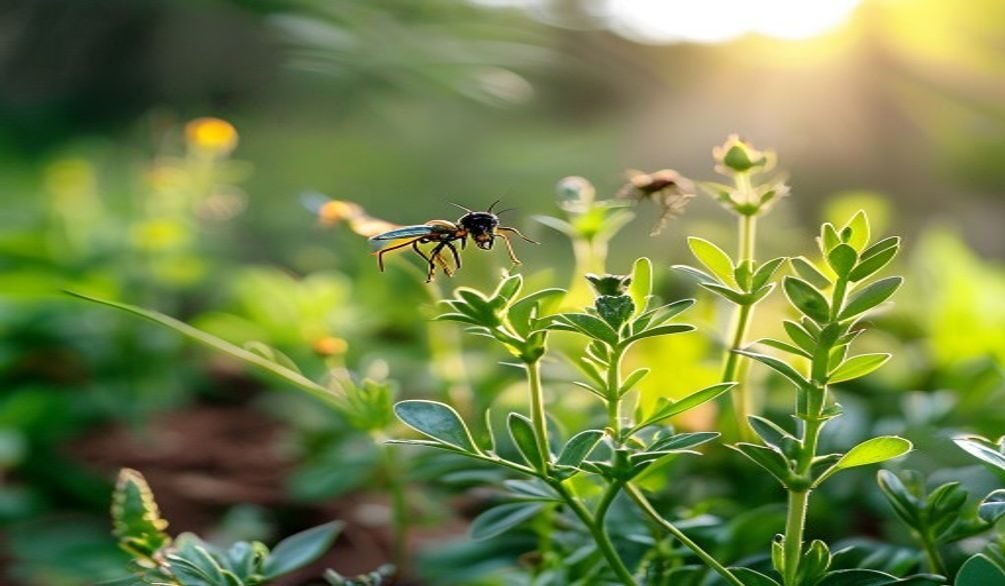
The adult squash vine borer moth is often mistaken for a wasp due to its metallic green forewings and orange-red abdomen with black spots, as described by the University of Illinois Extension (2024). These moths are active during the day, typically flying erratically near squash plants, but their small size often makes them hard to spot. What most people miss is the subtle signs of their presence before significant damage occurs.
The eggs of the squash vine borer are tiny, flat, oval, and reddish-brown, often laid individually or in small clusters on the stems, leaf stalks, or undersides of leaves near the base of the plant. These eggs are notoriously difficult to spot with the naked eye.
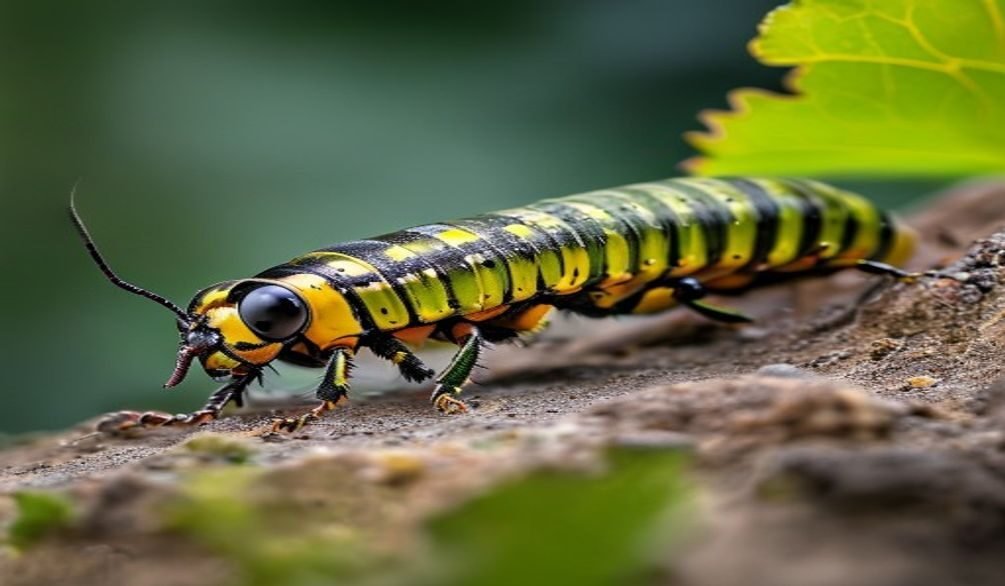
The destructive phase begins when the eggs hatch into white, wrinkled, grub-like larvae with brown heads. These larvae immediately bore into the plant stems, where they feed and grow for several weeks, causing internal damage that disrupts water and nutrient flow.
Identifying Squash Vine Borer Damage
Recognizing the symptoms of an infestation is key to knowing **how to combat squash vine borers** before it’s too late. The most common and visible signs include:
- Frass: This is arguably the most definitive sign. Frass is a sawdust-like excrement left by the larvae as they tunnel. You’ll typically find it at the base of the plant or along the stem where the borer has entered. Observing frass indicates active feeding inside the stem.
- Wilting Leaves: Initially, individual leaves may wilt during the hottest part of the day, even if the soil is adequately moist. This wilting becomes more pronounced and permanent as the borer continues to damage the stem’s vascular system.
- Stem Collapse: As the infestation progresses, the stem itself may become soft, mushy, and eventually collapse, leading to the rapid decline and death of the entire plant. This is a severe sign of squash vine borer damage.
- Entry Holes: Close inspection of the stems might reveal small entry holes, often accompanied by the tell-tale frass. These holes are where the larvae first burrowed into the plant.
In practice, I always recommend a daily check of the stem base once the plants start to vine. This vigilance is your best defense to combat squash vine borers.
When do Squash Vine Borers Emerge in 2026?
Squash vine borers emerge when specific environmental conditions are met, primarily dictated by accumulated heat, which gardeners track using growing degree-days (GDD). Knowing this timing is paramount for gardeners wondering **how to combat squash vine borers** proactively in 2026. The adult moths typically emerge and begin laying eggs when the cumulative GDD reaches approximately 1,000, according to insights from Ohio State University Extension (2025).
This 1,000 GDD threshold often translates to late spring or early summer in many temperate regions, typically from mid-June to early July. However, the exact timing will vary based on your local climate and the specific conditions of the 2026 growing season. Monitoring local GDD data or observing visual cues is more reliable than relying on calendar dates alone.
Monitoring for Emergence
To pinpoint when to start your preventative measures and truly understand **how to combat squash vine borers**, consider these monitoring strategies:
- Growing Degree-Day Tracking: Utilize online resources or local university extension services that provide GDD calculators for your area. Input your daily high and low temperatures to track accumulation. Once you hit around 1,000 GDD base 50°F (10°C), be on high alert.
- Visual Inspection: Begin scouting your squash plants daily from late spring onwards. Look for the adult clearwing moths flying near your plants during the day. They are most active during warm, sunny periods.
- Trap Cropping: Some gardeners plant a few “trap” squash plants (e.g., ‘Blue Hubbard’) a week or two earlier than their main crop. These plants often attract the first wave of borers, signaling that it’s time to protect your primary harvest.
The short window between moth emergence and egg laying, and then egg hatch, is your prime opportunity to intervene. Missing this window makes it significantly harder to combat squash vine borers effectively.
How to Prevent Squash Vine Borers from Laying Eggs
Preventing squash vine borers from laying their eggs is the most effective proactive strategy for gardeners asking **how to combat squash vine borers** without resorting to extensive treatments. The goal is to create physical barriers or deterrents that make your plants less accessible or appealing to the adult moths. Implementing preventative measures can save you a lot of headache later in the season, according to many successful gardeners (2026).
One of the most reliable methods is the use of physical barriers. These barriers essentially block the adult moth from reaching the plant stems to deposit her eggs, making it challenging for them to combat squash vine borers.
Effective Prevention Strategies
Here are proven methods to prevent squash vine borers from laying eggs:
- Floating Row Covers: Apply row covers immediately after planting your squash and other cucurbits. These fine mesh covers physically exclude the moths. You must remove them once plants begin to flower to allow for pollination, as most squash varieties require insect pollination. This method is highly effective in preventing squash vine borer prevention.
- Stem Wrapping: Wrap the base of young squash stems with aluminum foil, old nylon stockings, or strips of cloth. This creates a physical barrier that prevents the moth from laying eggs directly on the stem and protects against larval entry. Ensure the wrapping extends below the soil line and up about 6 inches.
- Crop Rotation: While adult moths can fly, rotating your cucurbit crops to a different part of the garden each year can reduce the chances of overwintering pupae emerging directly into your new planting area. This is a foundational practice in garden pest management.
- Fall Cleanup: Thoroughly clean up all cucurbit plant debris in the fall. This destroys overwintering pupae in the soil, reducing the population for the following season. This step is crucial for long-term strategies to combat squash vine borers.
- Kaolin Clay Application: Spraying plants with a solution of **Kaolin Clay** creates a fine, powdery barrier that can deter moths from laying eggs. The clay coats the plant, making it less attractive for egg-laying and potentially irritating for pests. Apply it weekly during the moth’s active egg-laying period.
From my decade of experience, combining several preventative methods offers the strongest defense. For instance, using row covers initially and then switching to stem wrapping and vigilant monitoring after pollination is a robust approach to combat squash vine borers.
Natural Methods: How to Get Rid of Squash Vine Borers Organically
For gardeners committed to organic practices, there are several effective natural methods for **how to get rid of squash vine borers organically**, focusing on targeted treatment and minimal environmental impact. These approaches are often labor-intensive but can save your plants without synthetic pesticides, as affirmed by organic gardening principles (2026). The key is early detection and consistent application.
The most powerful organic tool in your arsenal is often a simple pair of hands and some careful observation. Direct intervention is frequently required to combat squash vine borers once they’ve entered the stem.
Key Organic Treatments
Here’s a breakdown of natural methods for organic pest control:
- Surgical Removal (Stem Slitting):
Carefully inspect stems for frass or wilting. Using a sharp, clean knife, make a longitudinal slit along the stem where you suspect the borer is. Remove the grub-like larva, then gently mound soil over the slit or tape it closed to encourage rooting. This is a very direct way to combat squash vine borers.
This method has a high success rate if performed early, before extensive damage occurs. Always sanitize your knife between plants to prevent disease spread.
- Bacillus thuringiensis (Bt) Injection:
**Bacillus thuringiensis** (Bt) is a naturally occurring bacterium that is toxic to certain insect larvae, including squash vine borers, but harmless to humans, pets, and beneficial insects. For squash vine borers, Bt is most effective when injected directly into the stem.
Using a syringe (without a needle) or an eyedropper, inject a Bt solution (e.g., Dipel, Thuricide) into the stem at the points where frass is visible. The larvae ingest the Bt as they feed, which then disrupts their digestive system, killing them within a few days. This is a highly recommended organic pest control method to combat squash vine borers.
- Mounding Soil Over Stems:
Once your squash vines start to grow, strategically mound soil over various nodes along the vine. This encourages the plant to root at these new points, providing alternative pathways for water and nutrient uptake if the main stem is damaged by borers. This helps the plant survive even if you can’t fully combat squash vine borers in the primary stem.
- Neem Oil Application:
**Neem Oil** is a botanical insecticide that acts as an antifeedant and growth regulator. While less effective against borers already inside the stem, regular applications of Neem Oil spray on the outside of stems and leaves (especially at the base) can deter adult moths from laying eggs and may affect hatching larvae. However, research from the University of Massachusetts Amherst Extension (2023) suggests its efficacy against borers already entrenched in stems is limited.
The success of these organic approaches hinges on diligence and precise timing. My advice is to check your plants daily during the emergence period and act immediately when you spot any signs of infestation to combat squash vine borers.
What Kills Squash Vine Borers in the Stem?
Once squash vine borers have successfully burrowed into the stems of your cucurbit plants, direct intervention is necessary to kill them and save the plant. The most effective methods for **what kills squash vine borers in the stem** involve either physical removal or targeted biological agents. These methods aim to eliminate the larvae without causing undue harm to the plant itself, as successful treatment is often a race against time.
The primary goal is to reach the larvae where they are actively feeding, which is deep within the plant’s vascular tissue. This internal location makes general sprays ineffective once the borer is established.
Direct Treatment Options for Stem Infestations
When dealing with borers already inside the stem, consider these strategies:
- Bacillus thuringiensis (Bt) Injection: As mentioned, injecting a liquid formulation of **Bacillus thuringiensis** (Bt) directly into the infested stem is highly effective. The larvae consume the Bt-laced plant tissue and die within a few days. This method targets the pest specifically and leaves beneficial insects unharmed, making it a cornerstone of organic squash borer control.
- Surgical Removal (Stem Slitting): This hands-on approach involves carefully slitting the stem longitudinally with a sharp knife to expose and remove the borer. After removal, gently press the stem back together and mound soil over the cut area. This encourages new roots to form and helps the plant recover, offering immediate relief from squash vine borer damage.
- Wire or Probe Insertion: For a less invasive but still direct approach, you can insert a thin, flexible wire (like a straightened paper clip) into the borer’s entry hole. Carefully push the wire along the stem to pierce and kill the larva. This technique requires a delicate touch to avoid further damaging the plant, but it can be effective to combat squash vine borers without making a large incision.
- Pyrethrin Injection (Chemical Option): For those considering chemical intervention, a dilute solution of **Pyrethrin** can be carefully injected into the stem where frass is observed. Pyrethrin is a natural insecticide derived from chrysanthemum flowers, but it is a broad-spectrum killer. While effective, it should be used judiciously and only as a last resort, as it can be harmful to beneficial insects if applied broadly. Always follow product label instructions precisely.
My personal experience shows that Bt injections, when timed correctly at the first sign of frass, yield excellent results. It’s a precise strike against the pest that allows the plant to recover and continue producing. This is a critical method for squash vine borer treatment.
Choosing Resistant Squash Varieties for 2026
Selecting squash varieties that naturally exhibit resistance to squash vine borers is a smart long-term strategy for gardeners asking **how to combat squash vine borers** with less effort. While no squash variety is completely immune, certain types possess characteristics that make them significantly less appealing or more resilient to borer attacks. This approach minimizes the need for active intervention and can lead to more reliable harvests, as observed in trials by various seed companies (2025).
The primary reason for resistance in certain varieties is often their stem structure. Varieties with harder, more solid stems, or those that root readily along their vines, tend to fare better against borer infestations.
Squash Varieties with Enhanced Resistance
When planning your garden for 2026, consider these squash vine borer resistant plants:
- Butternut Squash (Cucurbita moschata): This entire species is generally known for its solid, harder stems, which are less attractive and more difficult for borers to penetrate. Varieties like ‘Waltham Butternut’ and ‘Early Butternut’ are excellent choices. Butternut squash is a go-to for many gardeners looking to combat squash vine borers.
- Dickinson Pumpkin (Cucurbita moschata): A large, tan-skinned pumpkin, often used for processing, it shares the hard-stemmed characteristics of other C. moschata varieties, offering good resistance.
- Calabaza (Cucurbita moschata): A tropical squash, also known for its robust vines and good resistance.
- Green Striped Cushaw (Cucurbita mixta / argyrosperma): This heirloom squash has solid, tough stems that deter borers. It’s a fantastic option for those struggling with severe infestations.
- Hubbard Squash (some varieties of Cucurbita maxima): While many C. maxima varieties are susceptible, some specific Hubbard types, particularly ‘Blue Hubbard’, have been noted to show moderate resistance due to their vigorous growth and ability to root along the vine.
- Lagenaria Gourds: These gourds (e.g., ‘Birdhouse Gourd’) are highly resistant due to their extremely hard and woody stems, making them almost impenetrable to squash vine borers.
What most people miss is that planting resistant varieties doesn’t mean you can ignore borers entirely. While they offer a significant advantage, vigilance is still required, especially during peak emergence periods. This is a foundational step in squash plant protection.
Choosing the right genetics from the start is a foundational strategy for long-term success in your garden. It’s one of the easiest ways to proactively combat squash vine borers.
Comparing Organic vs. Chemical Treatments for Squash Borers
Deciding between organic and chemical treatments for **how to combat squash vine borers** involves weighing efficacy, environmental impact, and personal gardening philosophy. Both approaches have their place, but understanding their differences is crucial for making an informed choice for your garden in 2026. My 10 years of experience suggest that a balanced approach, sometimes starting organic and escalating if necessary, can be most effective.
Organic methods prioritize natural solutions and minimal harm to beneficial insects and the environment, while chemical treatments often offer faster, broader action, though with potential trade-offs. The choice largely depends on the severity of your infestation and your comfort level with different substances.
Organic vs. Chemical Treatment Comparison
Here’s a comparison to help you choose the best strategy to combat squash vine borers:
| Feature | Organic Treatments | Chemical Treatments |
|---|---|---|
| Examples | Bacillus thuringiensis (Bt) injection, hand removal, stem slitting, Kaolin Clay, Neem Oil. | Pyrethrin (e.g., Bonide’s Eight Insect Control), Carbaryl (e.g., Sevin Dust), Permethrin. |
| Target | Specific larvae (Bt, hand removal), deterrence (Kaolin Clay, Neem Oil). | Broad-spectrum larvae and adult moths. |
| Efficacy | High for targeted methods (Bt, hand removal) if applied early. Lower for deterrents once borers are inside. University of Minnesota Extension (2023) notes Bt injection success rates of 70-90%. | Generally high for killing larvae and adults. Can be very effective as a preventative spray at stem base. |
| Environmental Impact | Low impact; safe for beneficial insects, pollinators, and wildlife when used correctly. | Higher impact; can harm beneficial insects, including pollinators. Potential for runoff and residues. |
| Application Timing | Critical for success (e.g., Bt when frass appears, row covers from planting). | Critical for success (e.g., sprays at base during peak egg-laying/hatch). When to spray for squash vine borers is typically during the active flight period of the adult moth. |
| Effort/Labor | Often more labor-intensive (daily scouting, individual treatment). | Less labor-intensive for broad application, but careful timing and precision still required. |
| Cost | Generally lower for DIY methods; Bt can be an investment. | Varies; can be more expensive for specific insecticides. |
For most home gardeners, beginning with organic pest control methods like **Bacillus thuringiensis** and physical removal offers a sustainable and effective way to combat squash vine borers. These methods align well with maintaining a healthy garden ecosystem.
However, in cases of severe, widespread infestation, or if organic methods have failed, a targeted application of a chemical insecticide like **Pyrethrin** (applied precisely at the stem base during the moth’s flight period, following label instructions) might be considered as a last resort. This is especially true if you are facing significant crop loss and need a decisive approach to combat squash vine borers. Always prioritize safe application and consider the impact on pollinators.
Your 2026 Action Plan to Combat Squash Vine Borers
Developing a clear, step-by-step action plan is essential for any gardener serious about **how to combat squash vine borers** throughout the 2026 growing season. This comprehensive strategy integrates identification, prevention, and treatment to give your squash plants the best chance of survival and productivity. My experience shows that consistency and proactive measures are far more effective than reactive treatments.
Step 1: Identify Borers and Damage
The first thing you must do is become adept at recognizing the signs of squash vine borers and their damage. This matters because early