Key Takeaways
- The Arkansas Plant Health Clinic diagnosed over 1,500 plant samples in 2025, with 41% being trees and shrubs.
- About 70% of plant diseases are caused by fungi, according to Taylor Klass of the Arkansas Plant Health Clinic.
- Crop diseases reduced corn yields by 6.0% in the United States in 2024, resulting in a 963.4 million bushel shortfall.
- The plant disease diagnostics market is projected to reach $0.82 billion in 2026, growing at a CAGR of 7.6%.
- Codling moth, aphids, and spotted wing drosophila are leading pest concerns for fruit and vegetable growers for the 2026 season.
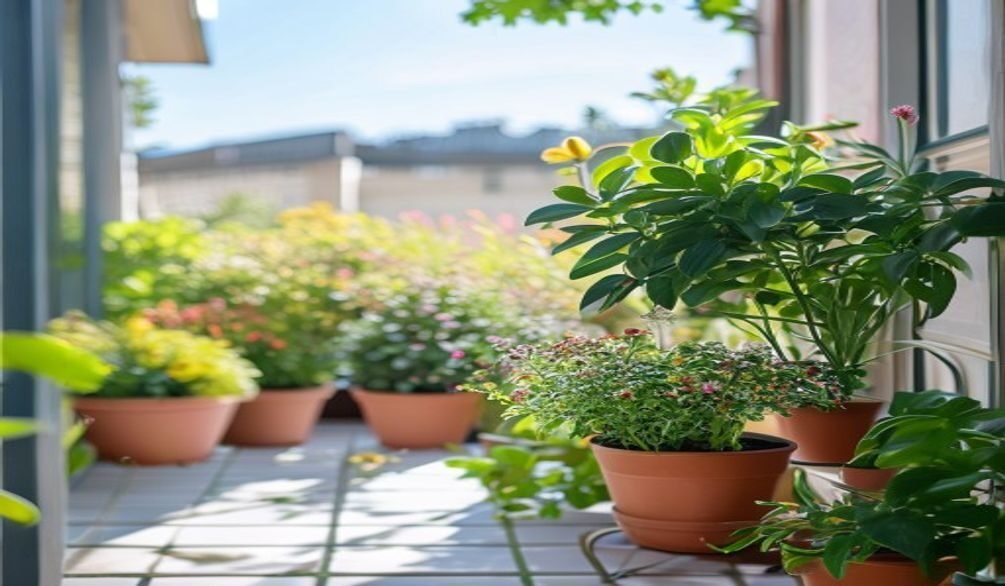
Most Bangalore balcony gardeners have faced the heartbreak of their favorite pudina plant suddenly wilting or their dhania turning yellow overnight. It’s frustrating, isn’t it? But don’t worry, understanding the root causes of these common plant problems fixes is often simpler than you think.
Quick Answer: Common plant problems often stem from improper watering, nutrient deficiencies, or pests. Simple fixes include adjusting watering, providing appropriate nutrients, using organic pest control, and ensuring adequate light and air circulation for healthier plants.
What are the most common plant problems?
The most common plant problems typically fall into three broad categories: improper watering, nutrient deficiencies, and pests or diseases. For instance, the Arkansas Plant Health Clinic diagnosed over 1,500 plant samples in 2025, with 41% of those being trees and shrubs, indicating a wide range of issues. Often, these issues are interconnected; a stressed plant is more susceptible to attack.
In my 10 years of experience with Indian balcony gardens, I’ve seen countless cases where a plant struggling with one issue quickly develops another. A classic example is overwatering leading to root rot, which then weakens the plant, making it an easy target for fungus gnats. These common plant problems fixes often require a holistic approach.
Watering woes: too much or too little?
Watering is arguably the trickiest part of gardening, especially in India’s varied climates. You might have heard advice to water every other day, but in practice, that’s often misleading — soil dries at completely different rates in Mumbai’s humidity versus Delhi’s dry summer heat, or in terracotta pots versus plastic ones. Always check the soil with your finger, never follow a calendar.
I once wasted an entire season of growing Cherry tomatoes like Pusa Ruby because I followed a fixed watering schedule. The grow bags I was using, which were supposed to be 15 litres but only held 9 litres due to thin sides, dried out much faster than expected in the pre-monsoon heat, leading to blossom end rot. This specific failure taught me to always feel the soil’s moisture before watering. Overwatering can lead to yellow leaves and wilting, while underwatering causes crispy, brown edges.
Nutrient needs: feeding your plants right
Just like us, plants need a balanced diet. Yellow leaves, stunted growth, or unusual leaf coloration can all be signs of a nutrient deficiency. For instance, a lack of nitrogen often causes overall yellowing of older leaves, while iron deficiency shows up as yellowing between the veins of younger leaves.
It’s crucial to understand your soil. Most Indian home gardeners use a mix of cocopeat, compost, and garden soil. But over time, especially with frequent watering, nutrients leach out. Organic gardening solutions like homemade compost or vermicompost can replenish these vital elements. This is a key step in effective common plant problems fixes.
Pest & disease pressures
Pests like aphids, spider mites, and mealybugs are unfortunately common, especially in urban settings. And diseases, particularly fungal infections, thrive in humid conditions like during the monsoon. About 70% of plant diseases are caused by fungi, according to Taylor Klass of the Arkansas Plant Health Clinic (2025), who also notes that wet weather significantly increases plant disease pressure. This makes prevention and quick identification vital.
For the 2026 season, codling moth, aphids, and spotted wing drosophila (SWD) are leading pest concerns for fruit and vegetable growers, with stink bugs emerging as a growing worry with reported concern doubling from the previous year. These persistent threats underscore the importance of vigilant monitoring and proactive pest control for plants.
How do i identify plant problems accurately?
Accurate plant disease identification involves careful observation of symptoms, understanding your plant’s normal growth, and considering environmental factors. You’re not alone if you find this hard; most people feel exactly this way because symptoms can look similar across different issues. The Purdue Plant Doctor website is a great online resource for diagnosing thousands of plant health problems in Midwest landscape plants, and while it’s US-based, the visual guides are often universally helpful.
Here’s a quick guide to help you narrow down the possibilities:
- Examine all parts: Look at the top and bottom of leaves, stems, flowers, and even the soil surface. Are there tiny insects? Sticky residue? Unusual spots or growths?
- Note the pattern: Is the problem affecting new growth or old growth? Is it localized to one part of the plant or spread throughout? Is it symmetrical or random?
- Consider the environment: Have you recently changed watering habits? Has there been extreme heat (like 40°C+ Indian summer heat) or cold? Is the plant getting enough light?
- Check the soil: Is it waterlogged? Bone dry? Does it smell foul (a sign of root rot prevention issues)?
Once you’ve gathered these clues, you can start looking up specific issues. Many local nurseries in India, like Bhavani Nursery in Pune, also offer advice if you bring a sample. This detective work is key to finding effective common plant problems fixes.
What are the signs of an unhealthy plant?
An unhealthy plant will often display a range of visual cues, from discolored leaves to stunted growth, signaling that something is amiss. Taylor Klass, head plant pathologist for the Arkansas Plant Health Clinic, states that “Plants that are stressed — whether from a living pathogen that’s causing a disease, or from their environment — are going to be prone to getting other types of infections” (2025). This means unhealthy plant signs are often intertwined.
Visual cues for unhealthy plants
Let’s break down some common visual indicators:
| Symptom | Possible Cause | Quick Fix Idea |
|---|---|---|
| Yellow Leaves (Chlorosis) | Overwatering, nutrient deficiency (Nitrogen, Iron), poor drainage | Adjust watering, add balanced fertilizer or iron supplement, ensure good drainage. |
| Wilting Leaves | Underwatering, overwatering (root rot), extreme heat, transplant shock | Check soil moisture, improve drainage, provide shade during peak heat. |
| Brown/Crispy Leaf Edges | Underwatering, low humidity, salt buildup, sunburn | Water more consistently, mist leaves, flush soil, move to shadier spot. |
| Holes/Chewed Leaves | Pests (slugs, snails, caterpillars) | Manual removal, organic slug bait, use Captain Jack’s Deadbug Brew. |
| White Powdery Spots | Powdery mildew (fungal infection plants) | Increase air circulation, spray with neem oil or baking soda solution. |
When I first started gardening, I planted a bougainvillea in a 6-inch pot, thinking I’d repot it later. Within six weeks, it was root-bound, dropping leaves, and looking incredibly stressed. It took four months to recover after I finally moved it to a 12-inch container. Bougainvillea, I learned, needs at least a 12-inch pot from day one, or it just stalls. This was a clear sign of an unhealthy plant due to improper potting.
The truth is, many unhealthy plant signs are reversible with prompt action. Understanding these indicators is the first step towards effective common plant problems fixes.
How do you fix common plant diseases?
Fixing common plant diseases often involves a combination of cultural practices, organic treatments, and sometimes, targeted fungicides. For instance, crop diseases reduced corn yields by 6.0% in the United States and 3.7% in Ontario in 2024, leading to a total shortfall of 963.4 million bushels, highlighting the severe impact diseases can have.
Tackling fungal infections
Fungal diseases like powdery mildew are incredibly common, especially during the Indian monsoon season with its high humidity. Powdery mildew, for example, blocks sunlight, causing foliage to yellow and, in severe cases, drop off. For these fungal infection plants, improving air circulation is crucial. Prune away affected leaves and ensure plants aren’t too crowded. Organic products like neem oil or baking soda solutions (1 teaspoon baking soda per liter of water with a few drops of liquid soap) can be effective. Lost Coast Plant Therapy is another excellent option, acting as a natural 3-in-1 insecticide, fungicide, and miticide.
Bacterial and viral issues
Bacterial and viral diseases are trickier. Often, the best course of action is to remove and destroy infected plants to prevent spread. There aren’t many effective treatments once they’ve taken hold. Preventing vegetable garden disease through good hygiene, disease-resistant varieties, and proper spacing is your best bet here.
The plant disease diagnostics market is projected to rise from $0.76 billion in 2025 to $0.82 billion in 2026, representing a compound annual growth rate (CAGR) of 7.6%. This growth shows the increasing focus on identifying and treating plant ailments, which directly impacts our efforts to find common plant problems fixes.
What are common problems with indoor plants?
Common problems with indoor plants often revolve around light, humidity, watering, and specific houseplant pests, as their environment is entirely controlled by you. Unlike outdoor plants, they don’t get natural rain or wind, so indoor plant issues require careful management.
Light & humidity challenges
Many indoor plants suffer from insufficient light. Windowless rooms or north-facing balconies in India can be too dim for many plants. Soltech Solutions offers lighting systems designed to help plants not only survive but thrive in environments with poor or no natural light. On the flip side, too much direct afternoon sun can scorch leaves, especially for delicate varieties.
Humidity is another factor. Our air-conditioned homes can be too dry for tropical plants. Grouping plants together, using pebble trays, or occasional misting can help. These are simple houseplant care tips that make a big difference.
Pests for indoor plants
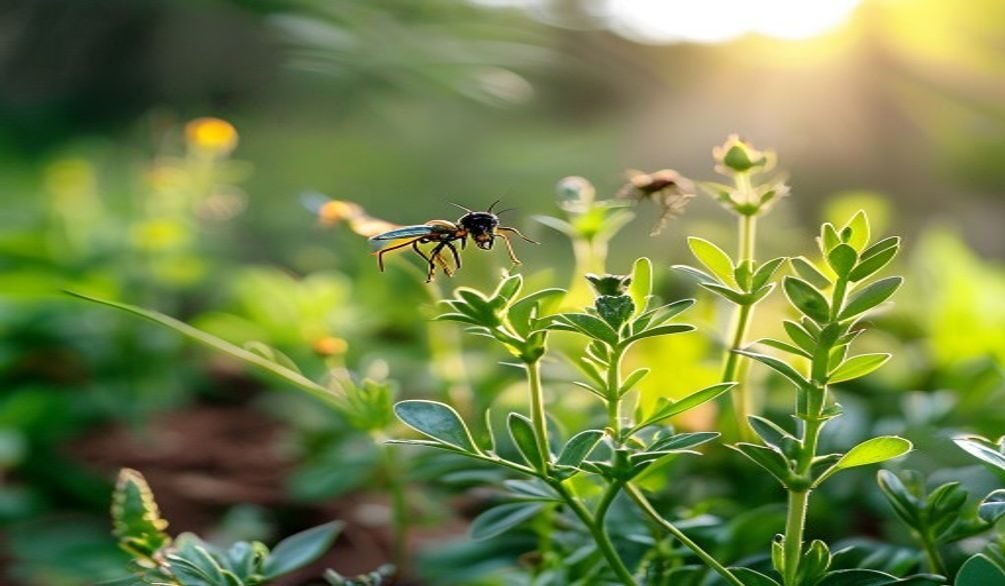
Indoor plants are still susceptible to pests like spider mites, aphids, mealybugs, and fungus gnats. Safer Brand’s houseplant sticky stakes are great for attracting flying insect pests without harsh pesticides. For more persistent issues like spider mites and thrips, Captain Jack’s Deadbug Brew, formulated with spinosad, is a highly effective solution. Lost Coast Plant Therapy can also be used as a soil drench to treat soil-dwelling pests like fungus gnats and root aphids, providing comprehensive pest control for plants.
Proven Winners’ *leafjoy* Shield-itt™ is an all-natural, systemic formula with Rosemary extract and Humic Acid that repels, controls, and treats aphids, spider mites, and whiteflies. It’s a fantastic organic gardening solution for these common indoor plant issues. Addressing these directly contributes to effective common plant problems fixes.
Preventative measures for plant health
Preventative measures are truly the best approach to maintaining plant health, as a healthy plant is far more resilient to pests and diseases. “The health of soil, plant, animal and man is one and indivisible,” as Sir Albert Howard wisely stated. This philosophy underpins the importance of robust preventative care.
Building a strong foundation
It starts with the soil. Enrich organic garden soil regularly with good quality compost or vermicompost. This improves drainage, aeration, and nutrient availability. When I prepare my pots, I always ensure a good mix of Cocogreen cocopeat, compost, and coarse sand to prevent compaction, which is a common cause of root rot prevention failures.
Choosing the right plant for your environment is also key. Don’t try to grow a sun-loving lal mirch plant in a shady corner or a tulsi plant in consistently waterlogged soil. Understand its needs and match it to your balcony’s conditions.
Regular monitoring & good practices
- Inspect regularly: Make it a habit to check your plants daily. Look under leaves, along stems, and at the soil surface. Catching issues early is half the battle.
- Good air circulation: Don’t overcrowd plants. Proper spacing helps prevent fungal infections, especially in humid climates like Mumbai.
- Sterilize tools: Always clean your pruning shears or other tools with rubbing alcohol between plants to avoid spreading diseases.
- Quarantine new plants: When you bring home a new plant from a local nursery or online from Ugaoo, keep it separate for a week or two. This prevents any hitchhiking pests or diseases from infecting your existing collection.
As Carl Huffaker of the University of California observed, “When we kill off the natural enemies of a pest, we inherit their work.” This highlights the importance of organic pest control for plants, as harsh chemicals can disrupt the natural balance. By focusing on these preventative steps, you’ll significantly reduce the need for reactive common plant problems fixes.
Frequently asked questions
What is the most common plant problem?
The most common plant problem is often improper watering, leading to either underwatering or overwatering. Overwatering can cause root rot, which is a major contributor to plant decline, according to gardening experts (2023). Always check soil moisture with your finger before watering to avoid this common issue.
How do i identify plant problems?
You can identify plant problems by observing visible symptoms like discolored leaves, wilting, or unusual spots, and examining for pests. The Arkansas Plant Health Clinic diagnosed over 1,500 plant samples in 2025, showing the variety of issues plants face. Pay attention to the location and pattern of symptoms on the plant.
What are the signs of an unhealthy plant?
Signs of an unhealthy plant include yellowing or browning leaves, wilting, stunted growth, holes in foliage, or the presence of visible pests. Taylor Klass of the Arkansas Plant Health Clinic notes that stressed plants are more susceptible to infections (2025). These symptoms indicate your plant needs attention.
How do you fix common plant diseases?
You fix common plant diseases by first identifying the specific ailment, then applying appropriate treatments such as organic fungicides, improving air circulation, or removing infected parts. About 70% of plant diseases are caused by fungi, according to Taylor Klass (2025). Early intervention is crucial for successful recovery.
What are the common problems with indoor plants?
Common problems with indoor plants include insufficient light, improper watering, low humidity, and infestations of pests like spider mites or fungus gnats. Solutions range from adjusting light exposure to using organic pest control products like Proven Winners’ *leafjoy* Shield-itt™. Addressing these specific needs helps indoor plants thrive.
Navigating the world of gardening can feel overwhelming when your beloved plants start showing signs of distress. But remember, most common plant problems fixes are straightforward once you understand what’s truly going on. By being observant, providing consistent care, and choosing the right organic gardening solutions, you can keep your balcony and terrace gardens thriving. Don’t be afraid to get your hands dirty and experiment – that’s how we learn and grow, just like our plants!