Key Takeaways
- U.S. landscaping services revenue is estimated at about $188.8 billion by 2025.
- The global garden seeds market is expected to reach nearly $5.4 billion by 2035, according to market projections.
- 49.5% of gardeners increased their spending on gardening in 2025, an 11.5% jump from 2024.
- Accurate plant identification is the crucial first step in diagnosing plant problems, states Penn State Extension.
- In 2025, the specific plant variety influenced 36% of buyers when purchasing plants.
Most Delhi terrace gardeners have experienced the frustration of seeing their beloved pudina or dhania plants wilt and turn yellow overnight, often a sign of underlying common plant problems. You’re not alone in finding this hard; honestly, it’s one of the most disheartening parts of gardening. But don’t worry, we’re here to help you identify and fix these common plant problems with simple, practical solutions so your plants can thrive.
Quick Answer: Solve common plant problems by correctly diagnosing issues like yellowing leaves, wilting, or pests, and then adjusting watering, light, nutrients, or applying appropriate organic treatments to restore plant health.
What are the most common problems with plants?
The most common plant problems often stem from environmental factors or basic care mistakes rather than complex diseases. Things like improper watering, insufficient light, and nutrient deficiencies are frequently the culprits, according to Sarah Dodd, CCMGA Certified Master Gardener. In my 10 years of experience growing 40+ vegetable varieties on Indian balconies, I’ve seen these issues pop up far more often than rare plant diseases.
Often, gardeners jump straight to thinking it’s a pest or a disease, but it’s usually something simpler. For instance, root rot, a very common issue, is almost always caused by overwatering, especially during the monsoon season in places like Mumbai where humidity is already high. You might notice your plant wilting even though the soil is wet—this is a classic sign. Similarly, yellowing leaves can indicate a range of common plant problems, from too much water to too little.
Let’s break down some of the most frequent issues you might encounter:
- Yellowing Leaves: This is a big one, and it’s a general sign that something’s off. It could be overwatering, underwatering, nutrient deficiency (especially nitrogen), or even too much/too little light. Pinpointing the exact cause is key to solving this common plant problem.
- Wilting: A droopy plant usually means it’s thirsty, but it can also signal overwatering (leading to root rot) or extreme heat stress. Think back to those scorching Indian summer days when your tulsi plant looks utterly exhausted by noon.
- Slow or Stunted Growth: If your plant isn’t growing as expected, it might be lacking nutrients, not getting enough light, or its roots are cramped in a small pot. I once wasted an entire season of tomatoes because I bought a “15-litre” grow bag online that only held 9 litres of soil—the root volume simply wasn’t enough for a vigorous plant.
- Pest Infestations: Tiny insects like spider mites, aphids, or mealybugs can quickly take over a plant, causing damage and weakening it. They’re especially common in dry, indoor environments or when plants are stressed.
- Fungal Diseases: Powdery mildew on bhindi leaves or black spots on rose bushes are examples of common fungal diseases, often exacerbated by high humidity and poor air circulation.
How do you troubleshoot plant problems effectively?
Troubleshooting common plant problems effectively involves observing your plant closely, checking its environment, and methodically ruling out potential causes. The Sill emphasizes that “The secret is in paying attention and looking closely: if there’s something wrong, your plant will let you know by showing you.” You’ve got to become a plant detective!
Start by asking yourself a few key questions about your plant’s recent history and current conditions. This structured approach helps prevent guesswork and leads to faster solutions.
- Examine the Entire Plant: Don’t just look at the most obvious problem area. Check the tops and bottoms of leaves, stems, and even gently inspect the soil surface and roots. Are there any tiny bugs? Any discoloration beyond the yellowing?
- Assess Watering Habits: This is probably the most frequent cause of common plant problems. Are you watering too much or too little? Stick your finger about an inch or two into the soil. Does it feel bone dry or soggy? For most plants, you want the top inch or two to dry out before watering again. For example, my dhania often struggles with overwatering during the monsoon if I’m not careful.
- Check Light Exposure: Has the plant’s light situation changed recently? Is it getting too much direct sun (especially the harsh Indian summer sun) or not enough? For instance, I lost my entire coriander crop in May when I sowed it on a south-facing balcony; the soil hit 45°C, frying the seedlings. Moving it to morning sun only fixed this common plant problem.
- Consider Nutrient Levels: When was the last time you fertilized? Yellowing leaves can often point to a nutrient deficiency. Are you using a balanced organic fertilizer, or has your plant been in the same soil for ages?
- Inspect for Pests: Look for tiny webs (spider mites), sticky residue (aphids, mealybugs), or tiny moving dots. A magnifying glass can be incredibly helpful here.
What are the signs of an unhealthy plant?
An unhealthy plant will communicate its distress through various visible symptoms, offering clues to the underlying common plant problems. These signs are your plant’s way of telling you it needs help, and learning to interpret them is crucial for effective plant care.
Here’s a quick guide to what different symptoms might mean:
| Symptom | Possible Cause(s) | My Observation |
|---|---|---|
| Yellow Leaves | Overwatering, underwatering, nutrient deficiency (nitrogen), low light, transplant shock. | Often the first sign of distress; check soil moisture first. |
| Brown/Crispy Leaf Tips | Underwatering, low humidity, excessive fertilizer, salt buildup. | Very common in dry Delhi winters, especially for tropical houseplants. |
| Wilting/Drooping | Underwatering, overwatering (root rot), extreme heat, pest damage. | If soil is wet and plant wilts, suspect root rot. If dry, just thirsty. |
| Stunted Growth | Nutrient deficiency, insufficient light, root bound, improper pot size. | My bhindi plants sometimes show this if I don’t give them enough space. |
| Holes/Chewed Leaves | Pests (caterpillars, slugs, snails), mechanical damage. | Look for the culprit hiding under leaves. |
| White Powdery Spots | Powdery mildew (fungal disease). | Often seen on gourd plants in humid conditions. |
| Sticky Residue/Tiny Bugs | Pest infestation (aphids, mealybugs, scale). | Check under leaves and along stems carefully. |
Understanding nutrient deficiencies
Nutrient deficiencies are a common contributor to common plant problems, often showing up as distinct leaf discolorations. For example, a lack of nitrogen typically causes older leaves to turn uniformly yellow, while iron deficiency might show yellowing between the veins of newer leaves, with the veins remaining green. Using a good organic garden soil enrichment strategy can prevent many of these issues. I always recommend adding a layer of compost every few months to my container plants.
How do you fix common houseplant problems?
Fixing common houseplant problems usually involves adjusting environmental conditions or applying simple organic treatments. Once you’ve diagnosed the issue, the solution is often straightforward, making your plant happy again.
Here are some practical fixes for the most common issues:
- For Overwatering/Root Rot:
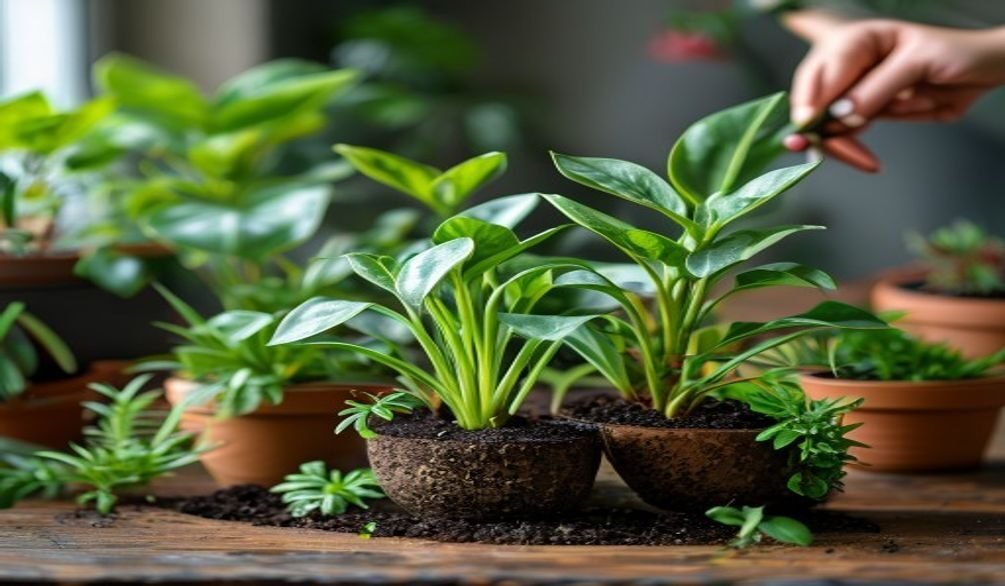
If the soil is constantly soggy and leaves are yellowing or wilting, you’re likely overwatering. Gently remove the plant from its pot, inspect the roots (healthy roots are firm and white; rotted ones are mushy and brown). Trim off any infected roots with clean scissors. Repot with fresh, well-draining soil, like a mix with cocopeat and perlite, which I find works wonders for my indoor tulsi plants. Water less frequently, only when the top inch of soil is dry. You can find good quality cocopeat from brands like Cocogreen at local nurseries or online on Ugaoo.
- For Underwatering:
If leaves are crispy and the soil is bone dry, your plant is thirsty. Give it a good soak! Place the pot in a basin of water for 20-30 minutes to allow the soil to absorb water from the bottom up. This is a great trick for reviving dehydrated plants. Afterward, ensure you’re watering consistently, checking the soil moisture regularly.
- For Pests (Spider Mites, Aphids, Mealybugs):
For minor infestations, a strong spray of water can dislodge many pests. For more persistent issues, use an organic insecticidal soap or neem oil spray. Mix a few drops of mild liquid soap with water and spray thoroughly, especially on the undersides of leaves. Repeat every 5-7 days until the pests are gone. Arber offers EPA-registered biological pesticides that are effective and organic. For scale insects, gently scrape them off with a cotton swab dipped in rubbing alcohol.
- For Nutrient Deficiencies:
If your plant shows signs of nutrient deficiency, a balanced liquid organic fertilizer can work quickly. Follow the package directions carefully—over-fertilizing can cause more common plant problems than under-fertilizing! I usually dilute my fertilizer to half strength and apply it during my weekly watering during the growing season. For a quick boost, a little vermicompost top dressing can do wonders for your potted plants.
- For Powdery Mildew:
Remove any heavily affected leaves immediately. Improve air circulation around the plant, especially important for plants in humid Bangalore balconies. You can also spray a solution of 1 teaspoon baking soda and a few drops of mild liquid soap mixed in 1 liter of water. This is a surprisingly effective organic plant problem solution I’ve used on my methi plants. For long-term prevention, consider choosing mildew-resistant varieties next time.
Preventing plant problems: choosing the right plant for the right place
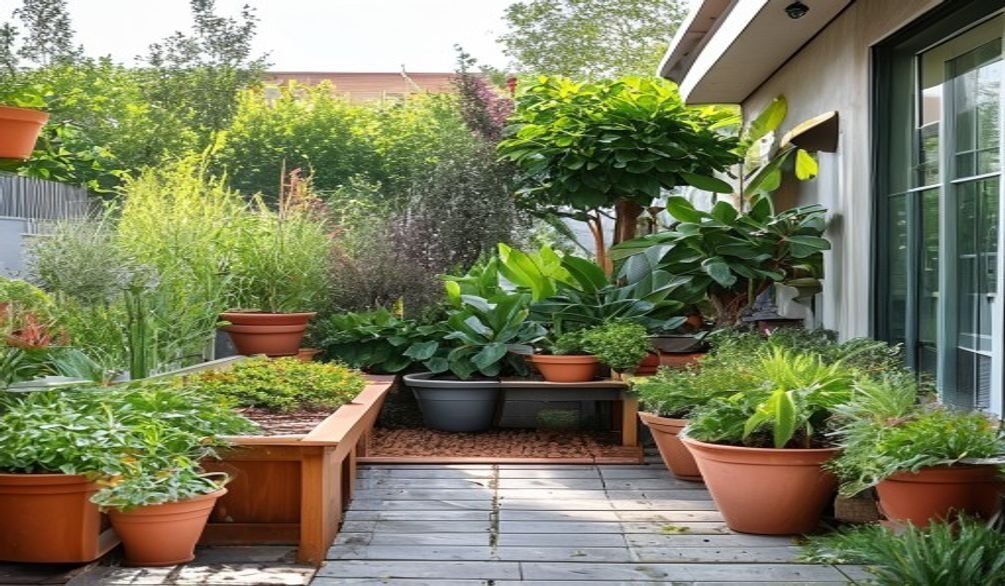
Preventing common plant problems starts with making smart choices about which plants you bring home and where you place them. You might have heard the common advice to “start with easy plants,” but honestly, “easy” is relative to your specific balcony conditions. A north-facing balcony in Bangalore needs completely different starter plants than a south-facing terrace in Delhi. Location matters more than a generic difficulty rating.
This “right plant, right place” philosophy is perhaps the most effective long-term solution to avoid most common plant problems.
* Understand Your Environment: Before buying any plant, take a good look at your space. How many hours of direct sun does it get? Is it shaded? What’s the humidity like? Is it windy? For example, a plant that thrives in the mild climate of Bangalore might struggle with the extreme heat of a Pune terrace garden.
* Match Plants to Conditions:
* Sun-loving plants like most vegetables (lal mirch, bhindi) need at least 6-8 hours of direct sun.
* Shade-tolerant plants (like some ferns or peace lilies) will scorch in direct sun but thrive in indirect light. If you have a north-facing balcony, choose plants that prefer partial shade or indirect light.
* Consider humidity: many tropical houseplants love the humidity of Mumbai, but might need extra misting in dry Delhi winters. You can even increase humidity for indoor plants with simple tricks.
* Research Plant Needs: Don’t just pick a plant because it looks pretty. Quick tip: a minute of research online or a chat with a knowledgeable local nursery owner can save you months of frustration. Proven Winners, for instance, offers trialed and tested varieties known for their vigor and ease of growth.
* Check Root Systems: When buying from a nursery, gently slide the plant out of its pot to check the roots. Are they circling the pot tightly? That’s a sign it’s root-bound and already stressed, which can lead to common plant problems later on. Look for plants with healthy, white roots filling the pot but not overly dense.
Long-term solutions for plant health and resilience
Building long-term plant health and resilience goes beyond quick fixes, focusing on creating an environment where your plants can naturally resist common plant problems. It’s about nurturing the entire ecosystem—from the soil to beneficial insects—rather than just reacting to symptoms.
* Soil Health is Paramount: Healthy soil is the foundation of healthy plants. Enrich your soil regularly with organic matter like compost or well-rotted cow dung manure. This improves drainage, aeration, and nutrient availability. I swear by adding a handful of vermicompost to my potted plants every couple of months; it makes a huge difference. You can find more tips on organic garden soil enrichment.
* Integrated Pest Management (IPM): Instead of immediately reaching for chemical sprays, adopt an IPM approach. This includes:
* Regular Inspection: Catch common plant problems early.
* Hand-Picking: Remove larger pests like caterpillars by hand.
* Beneficial Insects: Encourage ladybugs and lacewings, which prey on aphids and spider mites. Planting marigolds nearby can attract beneficial insects.
* Organic Sprays: Use neem oil or insecticidal soap only when necessary.
* Proper Watering Techniques: Learn to water deeply and less frequently, encouraging roots to grow deeper. This makes plants more drought-tolerant and less susceptible to root rot, a very common plant problem. Always check soil moisture before watering.
* Good Air Circulation: Ensure plants aren’t too crowded, especially in humid conditions. This helps prevent fungal diseases like powdery mildew. Pruning away dense foliage can significantly improve airflow.
* Crop Rotation (for edibles): If you have a larger garden space, rotating your crops annually can break pest and disease cycles in the soil, preventing specific common plant problems from building up.
When to call an expert for plant issues
Knowing when to call an expert for plant issues can save you time, effort, and sometimes, the plant itself, especially when facing persistent or unidentified common plant problems. While many issues are solvable with basic care adjustments, some situations warrant professional advice.
You’ve tried all the common troubleshooting steps, adjusted watering, light, and nutrients, and applied organic pest control, but your plant is still declining. This is a good time to consider bringing in a specialist.
* Unidentified Diseases: If you see unusual spots, growths, or widespread decline that doesn’t fit common descriptions, you might be dealing with a less common plant disease diagnosis. University extension services (like local agricultural universities in India) often have plant clinics where you can submit samples for diagnosis.
* Pest Outbreaks You Can’t Control: A severe infestation that isn’t responding to organic treatments might require stronger, targeted interventions. An expert can identify the specific pest and recommend the most effective and safe treatment.
* Valuable or Sentimental Plants: If the plant is particularly rare, expensive, or holds sentimental value, a professional opinion can be invaluable. You wouldn’t want to risk losing a cherished tulsi plant due to a misdiagnosis.
* Large Scale Problems: For larger gardens, particularly if you’re experiencing widespread issues across multiple plants, a horticultural consultant can assess the overall garden health and provide comprehensive solutions to tackle systemic common plant problems.
Frequently asked questions
What are the most common problems with plants?
The most common problems with plants include improper watering (both over and under), insufficient or excessive light, nutrient deficiencies, and common pests like spider mites or aphids. Addressing these fundamental care aspects usually resolves the majority of common plant problems.
How do you troubleshoot plant problems?
Troubleshoot plant problems by observing symptoms on leaves and stems, checking soil moisture, assessing light exposure, and inspecting for pests. This systematic approach, as advocated by The Sill, helps accurately identify the root cause of common plant problems.
What are the signs of an unhealthy plant?
Signs of an unhealthy plant include yellowing or browning leaves, wilting, stunted growth, holes in leaves, or the presence of visible pests or fungal spots. These symptoms are key indicators of underlying common plant problems, according to Penn State Extension.
How do you fix common houseplant problems?
Fix common houseplant problems by adjusting watering schedules, moving plants to appropriate light conditions, applying organic fertilizers for nutrient deficiencies, and using insecticidal soap or neem oil for pests. For root rot, repotting with fresh, well-draining soil is often necessary.
What is the most common reason for plant death?
The most common reason for plant death is improper watering, leading to either root rot from overwatering or dehydration from underwatering. This foundational care mistake contributes to a significant percentage of common plant problems and plant fatalities.
So, you’ve seen those yellowing leaves or wilting stems on your favorite plant – it’s a common story for gardeners, especially with the unique challenges of Indian climates. But remember, most common plant problems aren’t complex mysteries; they’re often simple signals your plant is sending you about its basic needs. By paying close attention to watering, light, and soil, and by choosing the right plant for your specific balcony or terrace, you can prevent most issues before they even start. Don’t be afraid to get your hands dirty, observe closely, and make those small adjustments. Your plants will thank you with lush growth and vibrant blooms!