Key Takeaways
- Composting just one household’s food scraps can offset 0.39 metric tons of CO2 equivalent annually, according to reencle (April 2026).
- The global home composting market is projected to reach USD 10,500 million by 2025, reports Market Report Analytics (April 2026).
- Organic waste constitutes roughly 36% of New York City’s residential waste stream, an Independent Budget Office report found (April 2026).
- Compost enhances soil’s ability to absorb and retain water, which reduces irrigation needs and stormwater runoff, as stated by the US EPA (March 2026).
- Red Wiggler worms (Eisenia fetida) are the most widely used species for efficient vermicomposting systems, ideal for Composting for Beginners.
Are you ready to transform your kitchen scraps and yard waste into a rich, nutrient-dense soil amendment? This guide on Composting for Beginners will demystify the entire process, providing you with actionable steps and expert insights to start your composting journey effectively in 2026. I’ll share everything you need to know to create fantastic compost, reduce waste, and enrich your garden, drawing from my decade of experience in horticulture.
Quick Answer: Composting for beginners involves combining organic waste like food scraps and yard trimmings in a controlled environment. This process, requiring greens, browns, air, and water, creates nutrient-rich soil amendment for gardens and reduces waste effectively.
Why Start Composting in 2026? Benefits for Your Garden & Planet
Starting composting in 2026 offers significant benefits for both your garden’s health and the environment, making it a powerful step towards sustainable living. Composting just the food scraps from one household can offset approximately 0.39 metric tons of CO2 equivalent per year, as reported by reencle (April 2026). This simple act dramatically reduces waste sent to landfills and enriches your soil naturally.
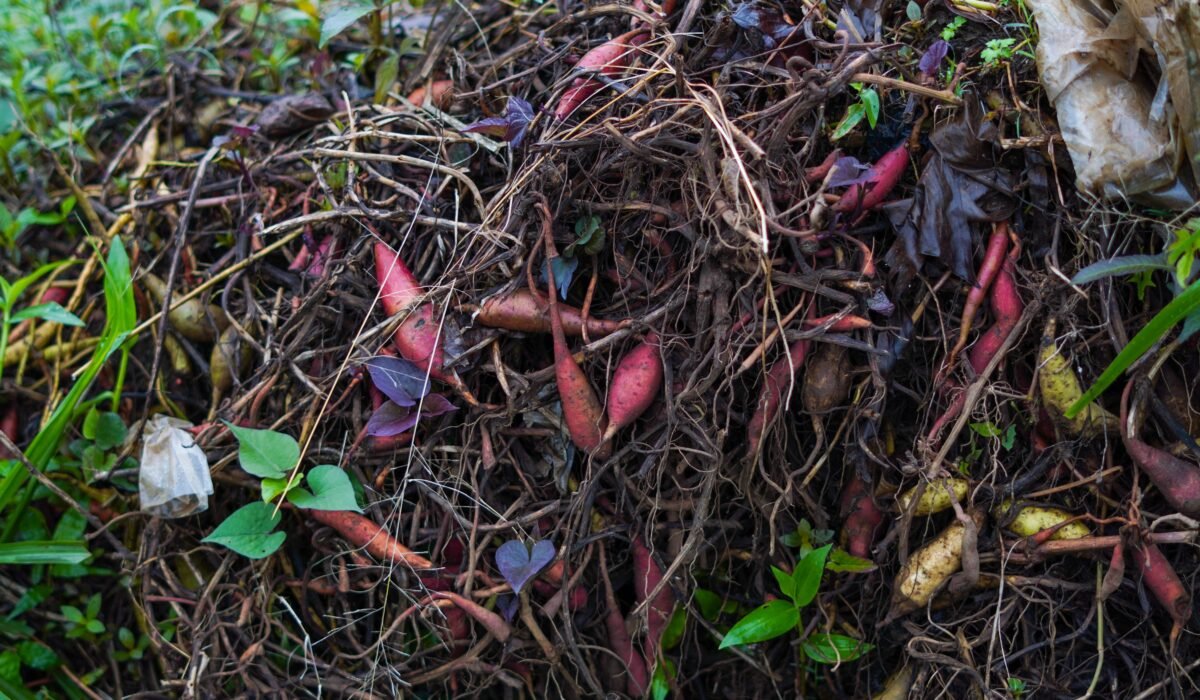
When you engage in Composting for Beginners, you’re not just creating dirt; you’re cultivating a vibrant ecosystem that nourishes your plants. The finished compost, often called “black gold,” improves soil structure, enhances water retention, and provides essential nutrients for robust plant growth. This is a fundamental aspect of sustainable gardening.
The environmental impact of composting is profound, addressing a significant portion of our waste stream. Organic waste constitutes roughly 36% of New York City’s residential waste stream, according to an Independent Budget Office report (April 2026). By diverting these materials, you play a direct role in reducing landfill burden and methane emissions.
Key Benefits of Composting for Beginners:
- Enriches Soil: Compost adds vital organic matter and nutrients, reducing the need for chemical fertilizers. This is a core advantage of Composting for Beginners.
- Improves Water Retention: Compost enhances the soil’s ability to absorb and retain water, which reduces the need for irrigation, according to the US EPA (March 2026). This is particularly crucial in drier climates.
- Reduces Waste: Diverting food scraps and yard trimmings from landfills significantly cuts down on municipal waste. This makes Composting for Beginners an impactful eco-friendly practice.
- Suppresses Plant Diseases: Healthy, compost-amended soil fosters beneficial microbes that can help protect plants from various pathogens. This natural defense mechanism is a boon for gardeners.
- Supports Beneficial Organisms: Compost encourages earthworms and other beneficial soil organisms, which further improve soil structure and nutrient cycling. These organisms are vital for long-term soil health.
The compost market is projected to increase from $8.7 billion in 2025 to $9.36 billion in 2026, representing a compound annual growth rate (CAGR) of 7.5%, states The Business Research Company (February 2026). This growth reflects a global recognition of composting’s value. Embracing Composting for Beginners contributes to this positive environmental and economic trend.
“Compost enhances the soil’s ability to absorb and retain water, which in turn helps farmers by reducing the need for irrigation, helps public works departments by reducing stormwater runoff into sewer systems, and helps communities cope with extreme drought or flood conditions,” emphasizes the US EPA (March 2026). This highlights the broad societal benefits beyond individual gardens.
The 4 Core Ingredients of Composting for Beginners
The four main ingredients for successful composting are “greens,” “browns,” water, and air, each playing a critical role in the decomposition process. Achieving the right balance of these elements is fundamental for Composting for Beginners to thrive and produce rich, healthy compost. Without these components, the microbial activity necessary for decomposition cannot occur efficiently.
Understanding these components is key for any beginner looking to master composting. “Composting is controlled decomposition — and it’s far easier than most people think. Nature has been doing it for millions of years without any help,” notes reencle.com (January 2026). Your role is simply to provide the ideal conditions.
Let’s break down these essential elements for Composting for Beginners:

- Greens (Nitrogen-Rich Materials): These are your nitrogen sources, providing the fuel for microorganisms. Examples include fresh grass clippings, fruit and vegetable scraps, coffee grounds, and plant trimmings. Greens add moisture and kickstart the decomposition.
- Browns (Carbon-Rich Materials): Browns provide the carbon necessary for the microorganisms’ energy and structure. Think of dry leaves, straw, wood chips, shredded newspaper, and cardboard. They add bulk and create air pockets within the compost pile.
- Water (Moisture): Just like any living organism, the microbes breaking down your compost need water to survive and function. Your compost pile should feel like a wrung-out sponge—damp, but not soggy. Too little water will slow decomposition, while too much can lead to anaerobic conditions and foul odors.
- Air (Oxygen): Aerobic decomposition, which is what we want for healthy composting, requires oxygen. Turning your compost pile regularly introduces air, preventing anaerobic bacteria (which cause bad smells) from taking over. This aeration is crucial for Composting for Beginners.
The University of Georgia (UGA) Extension recommends aiming for “roughly 2.5 to 3 times more browns to greens to support healthy microbial activity and efficient decomposition” (May 2026). This carbon-to-nitrogen (C:N) ratio is vital for rapid composting. A good C:N ratio prevents the pile from becoming too slimy or too dry.
Achieving the correct balance of these four ingredients is the secret to a successful and odor-free compost pile. For Composting for Beginners, focusing on these ratios simplifies the entire process. It ensures your efforts lead to a rich, finished product.
What Are the Easiest Ways to Start Composting in 2026?
The easiest way to start composting in 2026 depends entirely on your available space, time commitment, and specific goals, offering a tailored approach for every beginner. From simple backyard piles to high-tech indoor solutions, there’s a method perfect for your situation. Choosing the right method is the first and most important decision for successful Composting for Beginners.
Many beginners find success by starting with a simple, contained system that fits their lifestyle. Whether you have a sprawling garden or a small apartment, effective composting is within reach. My experience shows that finding a method that integrates easily into your daily routine is key to long-term success.
Here are some of the easiest and most popular methods for Composting for Beginners:

Backyard Composting (Traditional Pile or Bin)
Traditional backyard composting involves creating an open pile or using a simple bin to contain materials. This method is ideal for those with outdoor space and a steady supply of yard waste and kitchen scraps. It’s often the most cost-effective approach for Composting for Beginners.
- Open Piles: Requires minimal investment, simply designate an area in your yard. Great for large volumes of garden waste.
- Compost Bins: Enclosed structures like the Redmon Compost Bin or Suttons Modular Wooden Compost Bin keep the pile tidy and can deter pests. They come in various sizes and materials.
- Key Advantage: Handles large volumes of material efficiently and is relatively low-maintenance once established.
Compost Tumblers
Compost tumblers are sealed, rotating containers that make turning your compost pile incredibly easy. They’re excellent for beginners who want faster results and less manual labor. Models like the Maze 180 litre compost tumbler are popular choices.
- How They Work: You simply load materials, close the lid, and spin the tumbler every few days. This aerates the pile without a pitchfork.
- Benefits: Faster decomposition due to efficient aeration, contained system reduces odors and pests, and easier turning.
- Considerations: Can be more expensive than basic bins; capacity might be limited for very large volumes of waste.
Vermicomposting (Worm Composting)
Vermicomposting uses specific species of worms, primarily Red Wiggler worms (Eisenia fetida), to break down organic matter into nutrient-rich worm castings. This is an excellent option for indoor Composting for Beginners or those with limited outdoor space. It’s a fascinating and highly effective method.
- Worm Bins: Specialty bins, often with multiple trays, create a perfect habitat for the worms.
- Ideal for: Kitchen scraps, shredded paper, and small amounts of yard waste.
- Advantages: Produces highly potent compost (worm castings), can be done indoors, and is virtually odorless when managed correctly.
Electric Composters (Food Cyclers)
Electric composters, like the Reencle Electric Composter, rapidly break down food waste using heat and aeration, often reducing volume by up to 90% in just a few hours. This is the fastest method for indoor Composting for Beginners. While not traditional compost, it creates a soil amendment.
- Process: These machines dehydrate, grind, and sterilize food waste.
- Benefits: Quick results, eliminates odors, suitable for a wider range of food scraps (including meat and dairy in some models).
- Considerations: Requires electricity, higher initial cost, and the output is a dry, sterile material that needs further decomposition or mixing with soil to fully integrate.
For many, starting with a simple outdoor compost bin or a small indoor vermicomposting setup provides the most accessible entry point into Composting for Beginners. Kate Jaceldo, founder of Compost Queens, advises that “Composting is an art more than a science. Play with what you’ve got and monitor the process.” This encourages experimentation.
Step-by-Step: How to Start Your First Compost Pile
Starting your first compost pile is a straightforward process that involves a few key steps, from choosing a location to layering materials correctly. Following a structured approach ensures efficient decomposition and a successful outcome for Composting for Beginners. My years of gardening have taught me that good preparation makes all the difference.
This step-by-step guide will walk you through setting up a traditional backyard compost pile, which is an excellent starting point for most gardeners. Remember, consistency is more important than perfection in Composting for Beginners.
Step 1: Choose Your Composting Method
The first step is to decide which composting method best suits your lifestyle, space, and waste volume. This choice dictates the type of equipment you’ll need and the overall management of your compost. For instance, a small apartment might favor vermicomposting, while a large garden benefits from a backyard pile.
Step 2: Select a Location for Your Compost
Selecting an appropriate location for your compost pile or bin is crucial for both convenience and optimal decomposition. An ideal spot is easily accessible, well-drained, and partially shaded to prevent drying out. Avoid placing it too close to your house or property lines to prevent potential odor issues, although well-managed compost rarely smells bad.
Step 3: Gather Green and Brown Materials
Before building your pile, collect a good mix of both green (nitrogen-rich) and brown (carbon-rich) materials. Having a diverse collection on hand ensures you can create the optimal layers. Remember, the University of Georgia (UGA) Extension suggests a ratio of “roughly 2.5 to 3 times more browns to greens” (May 2026).
Step 4: Layer Your Compost Pile Correctly
Layering is key to creating a balanced environment for microorganisms, ensuring proper aeration and moisture distribution. Start with a base of coarse brown materials, then alternate layers of greens and browns, always topping with a brown layer to deter pests. For Composting for Beginners, consistency in layering is more important than precise measurements.
A typical layering sequence for Composting for Beginners:
- Base Layer: 4-6 inches of coarse browns (e.g., small branches, straw) for drainage and aeration.
- Green Layer: 2-4 inches of nitrogen-rich materials (e.g., food scraps, fresh grass clippings).
- Brown Layer: 4-6 inches of carbon-rich materials (e.g., dry leaves, shredded cardboard).
- Soil/Compost Starter (Optional): A thin layer of garden soil or a commercial compost starter like Jobe’s Organics Compost Starter can introduce beneficial microbes and speed up decomposition.
- Repeat: Continue alternating green and brown layers, moistening each layer as you go, until your pile reaches a manageable size (ideally 3x3x3 feet for optimal heating).
Step 5: Maintain Moisture and Aeration
Maintaining consistent moisture and adequate aeration are paramount for active composting. Your pile should feel like a damp sponge; if it’s too dry, decomposition slows, and if it’s too wet, it can become anaerobic and smelly. Regularly checking and adjusting moisture levels is a vital part of Composting for Beginners.
Step 6: Turn Your Compost Regularly
Turning your compost pile introduces oxygen, which is essential for the aerobic bacteria that do most of the work. Aim to turn your pile every 1-2 weeks, especially when you notice it heating up. This simple act dramatically speeds up decomposition and ensures even breakdown.
Step 7: Harvest Finished Compost
Your compost is ready when it is dark brown, crumbly, smells earthy, and you can no longer identify the original materials. This usually takes anywhere from 2 months to a year, depending on your method and maintenance. Sift out any larger, unfinished pieces and return them to a new pile.
Harvesting finished compost is a rewarding moment for Composting for Beginners, signaling the completion of a cycle. You can then spread this rich amendment in your garden beds, around trees, or mix it into potting soil for healthier plants. This material significantly improves soil health.
Composting for Beginners: What to Add (and What to Avoid)
Knowing what to add and, more importantly, what to avoid is critical for successful Composting for Beginners, ensuring a healthy pile free from pests and pathogens. The right materials break down efficiently, while the wrong ones can create problems like odors, attracting rodents, or introducing diseases. My advice to new composters is always to prioritize safety and balance.
Careful selection of materials is the cornerstone of effective composting. This section simplifies the common questions about what goes into your compost bin, making Composting for Beginners straightforward and successful.
What to Add to Your Compost Pile (Examples):

- Fruit and Vegetable Scraps: Peels, cores, wilted produce, and other plant-based food waste. These are excellent “greens.”
- Coffee Grounds and Tea Bags: Rich in nitrogen, these are fantastic “greens.” Just remove any staples from tea bags.
- Eggshells: Provide calcium and break down over time. Crush them for faster decomposition.
- Yard Waste: Grass clippings (in thin layers to prevent matting), leaves (especially dry ones as “browns”), small twigs, and spent garden plants.
- Shredded Newspaper and Cardboard: Excellent “browns.” Ensure they are not glossy or heavily inked.
- Wood Chips and Sawdust: Good “browns,” but add in moderation as they decompose slowly.
- Hair and Fur: Small amounts from pets or humans can be added as “greens.”
For kitchen scraps, a convenient countertop bin like the OXO Good Grips Easy-Clean Compost Bin can make collecting materials effortless. This neat solution makes daily contributions simple for Composting for Beginners.
What to Avoid Adding to Your Compost Pile:

- Meat, Bones, and Dairy Products: These attract pests (rodents, flies), create foul odors, and can introduce harmful bacteria.
- Oils and Greases: Also attract pests and can create anaerobic conditions in the pile.
- Pet Waste (Dog/Cat Feces): Can contain pathogens harmful to humans and should not be added to home compost.
- Diseased Plants: Pathogens may survive the composting process and spread to your garden when the compost is used.
- Weeds with Seeds: Many weed seeds can survive composting and sprout in your garden later. If your pile doesn’t get hot enough (130-160°F), avoid them.
- Chemically Treated Wood or Materials: Lumber treated with preservatives can leach harmful chemicals into your compost.
- Glossy or Coated Paper: Contains inks and coatings that are not good for your compost or garden.
Understanding these boundaries is crucial for maintaining a healthy and effective compost system. For Composting for Beginners, sticking to the “what to add” list reliably leads to success. This ensures your compost is safe for your garden.
Common Composting Problems & Simple Troubleshooting Tips
Even with careful planning, Composting for Beginners can sometimes encounter issues like unpleasant odors or a pile that just won’t break down, but most problems have simple, effective solutions. These common challenges are usually indicators that one of the core ingredients (greens, browns, water, or air) is out of balance. My experience has shown that patience and observation are your best tools.
Don’t be discouraged if your compost pile isn’t perfect right away; troubleshooting is a natural part of the learning process. Addressing these issues promptly will get your compost back on track.
Here’s a quick guide to common composting problems and their solutions for Composting for Beginners:
| Problem | Likely Cause | Simple Solution for Composting for Beginners |
|---|---|---|
| Foul Odor (Rotten Eggs) | Too much nitrogen (greens), too wet, not enough air (anaerobic conditions). | Add more “brown” materials (dry leaves, shredded cardboard) and turn the pile thoroughly to aerate. Reduce moisture if too wet. |
| Ammonia Smell | Too much nitrogen (greens), pile is too compact. | Add more “brown” materials to balance the C:N ratio and turn the pile to loosen it up. |
| Pile Isn’t Heating Up | Not enough nitrogen (greens), too dry, pile is too small, or lack of aeration. | Add more “green” materials (food scraps, grass clippings), moisten if dry, and turn to aerate. Ensure the pile is at least 3x3x3 feet. |
| Pile is Attracting Pests (Rodents, Flies) | Exposed food scraps, meat/dairy/oils added, or uncovered pile. | Bury food scraps deep in the pile or cover with a layer of “browns.” Avoid adding prohibited materials. Use an enclosed bin. |
| Pile is Too Dry | Not enough moisture, too many “browns.” | Add water gradually while turning the pile until it feels like a damp sponge. Increase “greens” for more moisture. |
| Pile is Slimy or Mushy | Too much moisture, too many “greens,” not enough aeration. | Add more “brown” materials to absorb excess moisture and provide structure. Turn the pile frequently to introduce air. |
“Composting is an art more than a science. Play with what you’ve got and monitor the process,” advises Kate Jaceldo of Compost Queens (April 2021). This philosophy is particularly helpful when troubleshooting, as it encourages observation and adaptation. Each compost pile is unique, and learning its quirks is part of the fun of Composting for Beginners.
Many commercial compost starters, like Espoma Organic Traditions Compost Starter, can also help kickstart a sluggish pile by introducing a boost of beneficial microorganisms. These can be particularly useful when you’re just getting started with Composting for Beginners. Don’t hesitate to use them if your pile seems stuck.
Beyond the Basics: Composting for Specific Gardening Goals
Once you’ve mastered the fundamentals of Composting for Beginners, you can tailor your composting practices to achieve specific gardening goals, from boosting vegetable yields to improving particular soil types. Understanding how compost interacts with different plants and soil conditions allows for more strategic and impactful application. This is where your composting journey truly becomes an advanced skill.
Applying compost isn’t a one-size-fits-all approach; different applications yield different results. From my experience, a targeted use of compost can dramatically enhance specific areas of your garden.
How Composting for Beginners can be adapted for specific gardening goals:
- Boosting Vegetable Yields: Incorporate a generous layer of finished compost (1-2 inches) into your vegetable beds each spring before planting. This provides a slow-release source of nutrients vital for prolific growth. Healthy soil leads to healthy harvests.
- Improving Flower Blooms: Mix compost into the soil around perennial flowers or in potting mixes for annuals. The improved soil structure and nutrient availability encourage stronger plants and more vibrant, longer-lasting blooms. For more continuous blooms, consider planting best perennial flowers for continuous blooms 2026.
- Amending Heavy Clay Soils: Clay soils benefit immensely from compost, which helps to break up compacted particles, improving drainage and aeration. Apply a thick layer (2-4 inches) and work it into the top 6-8 inches of soil. This physically alters the soil structure.
- Enhancing Sandy Soils: Sandy soils struggle with water