Key Takeaways
- Many home cooks are increasing their use of fresh herbs to prepare more imaginative meals, according to market trends (2024).
- Growing your own herbs can significantly reduce grocery expenses, as fresh store-bought herbs are often costly, according to consumer reports (2023).
- Herbs that need well-drained soils and tender herbs suitable for overwintering indoors thrive in containers, according to the Illinois Extension (2024).
- Black plastic pots can heat up to 55°C in direct Indian summer sun, silently cooking plant roots, based on practical observations (2023).
- Container-grown plants require much less upkeep like weeding and tending compared to garden beds, notes Jill McSheehy (2024).
Most Mumbai balcony gardeners lose their tomato plants every May — not from pests, but from the 40°C heat before the monsoon arrives, cooking roots in inadequate pots. If you’ve struggled with keeping your herbs alive in small spaces, you’re not alone; mastering container gardening herbs tips can feel tricky, but it’s incredibly rewarding when you finally get that continuous harvest. This guide will share 7 ultimate tips for success, helping you grow lush, flavorful herbs right on your balcony or terrace.
Quick Answer: Successful container herb gardening requires selecting pots with good drainage, using quality potting mix, ensuring adequate sunlight, consistent but not excessive watering, and regular harvesting to promote new growth.
What is the easiest herb to grow in a container?
The easiest herbs to grow in a container are often those that tolerate a range of conditions and don’t demand constant attention. Many home cooks are looking for ways to prepare more imaginative meals for their families due to skyrocketing grocery prices, increasing the use of fresh herbs, according to industry observations (2024). This makes starting with forgiving herbs a smart move for any balcony gardener.
For Indian conditions, pudina (mint), dhania/coriander, and tulsi are incredibly resilient. Pudina, especially, is a champion for container gardening herbs tips because it grows quickly and can become invasive if planted directly in the ground or a raised bed, so keeping it in a pot controls its spread effectively, according to Jill McSheehy (2024). I’ve found that a single pudina plant can provide a continuous harvest for months, costing less than one bunch from the sabziwala.
Here are some top picks for easy herbs in containers:
- Pudina (Mint): Extremely vigorous, needs its own pot to prevent it from taking over. It thrives even with moderate sunlight.
- Dhania/Coriander: Prefers cooler temperatures and partial sun. Sow seeds directly and harvest outer leaves.
- Tulsi (Holy Basil): A sacred herb, tulsi is robust and loves plenty of sun. It’s relatively pest-resistant and grows well in an average pot.
- Thyme: This “friendly herb” is both pretty and fluffy, making it a perfect container garden herb, according to garden author Sue Goetz. It needs good drainage and plenty of sun.
- Rosemary: Ideal for container gardening as pots can be moved indoors during colder north Indian winter months to protect the plant from extreme temperatures.
These easy herbs make a great starting point for anyone looking to try container gardening herbs tips on their balcony or terrace.
What kind of pot is best for herbs?
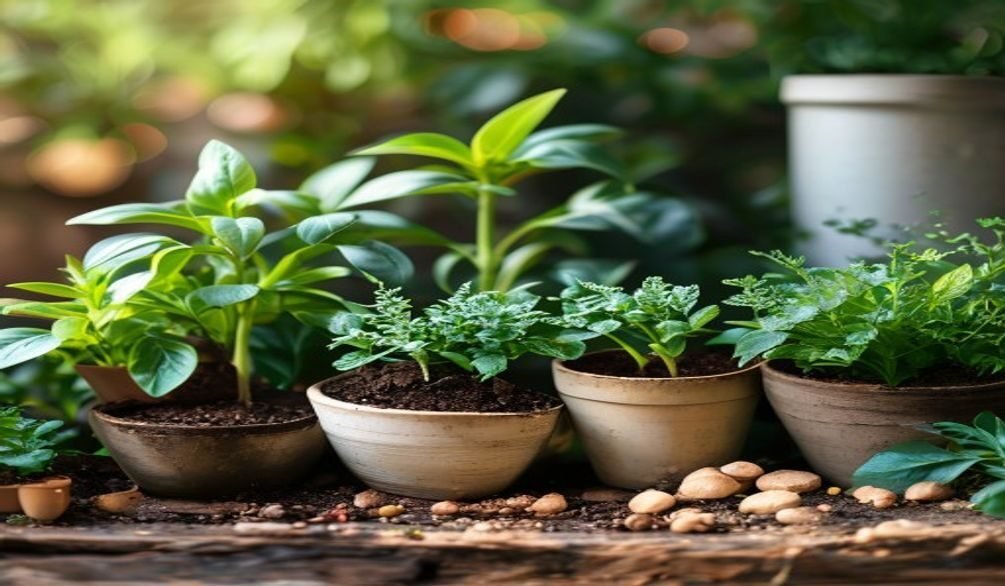
The best kind of pot for herbs is one that provides excellent drainage and sufficient space for root growth, which is a critical part of successful container gardening herbs tips. Herbs thrive with a good drainage system, notes Jill McSheehy, adding that many gardens are deficient in this area, making containers a superior choice. I’ve personally seen the difference a good pot makes.
Here’s what to look for when choosing containers for your herbs:
- Drainage Holes: This is non-negotiable. Without proper drainage, roots will sit in water and rot. Make sure your pots have at least one large drainage hole or several smaller ones.
- Material Matters:
- Terracotta Pots: These are fantastic for herbs like rosemary, thyme, and oregano that prefer drier conditions. Terracotta is porous, allowing air and moisture to move through the sides, which helps prevent root rot. My neighbour grew tomatoes in a black plastic pot on her Mumbai terrace and got nothing two summers in a row. Switched her to a terracotta pot with the same soil mix and she got her first harvest in 8 weeks. Black plastic heats up to 55°C in direct sun — it cooks the roots silently.
- Plastic Pots: Lighter and cheaper, plastic pots retain moisture longer. They are great for moisture-loving herbs like pudina or parsley, but be extra careful with watering to avoid waterlogging, especially during the monsoon.
- Grow Bags: Fabric grow bags offer excellent aeration and drainage, preventing root circling and overheating. They are lightweight and easy to move, perfect for balcony gardens.
- Size: Don’t underestimate the need for space. A 6-inch pot might seem fine initially, but many herbs will quickly outgrow it. I planted a bougainvillea in a 6-inch pot thinking I would repot later. It became root-bound in 6 weeks, started dropping leaves, and took 4 months to recover after I moved it to a 12-inch container. Bougainvillea needs at least a 12-inch pot from day one or it stalls. For most culinary herbs, aim for pots that are at least 8-10 inches in diameter to allow for good root development and sustained growth.
Choosing the right pot is a foundational element of effective container gardening herbs tips.
How do you keep potted herbs alive?
Keeping potted herbs alive and thriving comes down to understanding their fundamental needs: sunlight, proper watering, and good quality soil. Herbs that require well-drained soils and tender herbs that need to be overwintered indoors are more suitable for container gardening than other types of herbs, according to the Illinois Extension (2024). This means paying attention to their specific requirements is key.
Here are the essential container gardening herbs tips for keeping your plants healthy:
- Sunlight is King: Most herbs, especially Mediterranean varieties like rosemary, thyme, and oregano, need at least 6-8 hours of direct sunlight daily. Place your pots on a south or west-facing balcony or terrace to maximize sun exposure. Herbs like dhania and parsley can tolerate some afternoon shade, especially during the intense Indian summer heat.
- Water Wisely: This is where most gardeners stumble. You might have heard “water every day” — but in practice, watering on a fixed schedule is one of the worst habits an Indian balcony gardener can have. Soil dries at completely different rates in summer versus monsoon, morning versus afternoon sun, terracotta versus plastic pots. Always check the soil with your finger, never follow a calendar. Stick your finger about an inch into the soil; if it feels dry, it’s time to water. If it’s still damp, wait. Overwatering is a common killer for potted herbs.
- Quality Potting Mix: Don’t just use garden soil. Garden soil compacts in pots, leading to poor drainage and aeration. Invest in a good quality potting mix designed for containers. Brands like E.B. Stone Edna’s Best Potting Soil or Gardner & Bloome Potting Soil offer excellent drainage and nutrient content. Locally, look for mixes with a good blend of cocopeat, compost, and perlite, available at nurseries for ₹80–150 per bag.
- Fertilize Sparingly: Herbs generally don’t need heavy feeding. A light application of a balanced liquid fertilizer (diluted to half strength) once every 4-6 weeks during the growing season is usually enough. Too much fertilizer can reduce the flavor of your herbs.
- Prune Regularly: Regular harvesting isn’t just for cooking; it encourages bushier growth and prevents the plant from going to seed too quickly. Pinch off the top sets of leaves to promote side branching.
What herbs grow best in pots together?
Pairing herbs with similar needs for sunlight, water, and soil type is crucial for successful companion planting in containers. While many guides suggest specific combinations, the truth is, it’s more about matching their environmental preferences. For instance, herbs that prefer well-drained soil and plenty of sun, like rosemary and thyme, often make excellent pot mates, according to gardening experts (2023).
Here’s a quick guide to common pairings, keeping in mind specific container gardening herbs tips:
| Herb Group | Characteristics | Examples | Good Companions |
|---|---|---|---|
| Mediterranean Herbs | Prefer full sun, well-drained soil, drier conditions. | Rosemary, Thyme, Oregano, Sage, Lavender | Can often be planted together in a larger pot if drainage is excellent. |
| Moisture-Loving Herbs | Prefer consistent moisture, some afternoon shade. | Pudina (Mint), Parsley, Cilantro (Dhania), Chives, Lemon Balm | Best kept in separate pots or grouped with similar moisture needs; mint needs its own pot to control invasiveness. |
| Basil Family | Love warmth, consistent moisture, plenty of sun. | Sweet Basil, Tulsi, Lemon Basil | Can be grouped; basil can grow quite large and is often planted in its own pot for ample growth. |
Remember, even with good companion planting, always ensure each plant has enough space to grow and that the pot is large enough to accommodate multiple root systems without becoming root-bound.
Advanced harvesting and preservation techniques for container herbs
Beyond simply snipping a few leaves, advanced harvesting and preservation techniques can extend the life of your container-grown herbs and ensure you have a supply year-round. Regular harvesting is a key component of successful container gardening herbs tips, as it stimulates new growth and prevents plants from becoming leggy or going to seed prematurely.
When you harvest, aim to remove no more than one-third of the plant at a time. This allows the plant to recover and continue producing. For herbs like basil or pudina, pinch off the top growth just above a leaf node to encourage bushier development. For dhania, continuously harvest the outer leaves, letting the inner ones mature.
Here are some advanced preservation methods:
- Drying: This is excellent for herbs like rosemary, thyme, oregano, and sage. Bundle small sprigs together, tie them with twine, and hang them upside down in a warm, dry, well-ventilated area away from direct sunlight. Once brittle, crumble the leaves and store them in airtight containers.
- Freezing: Herbs like parsley, dill, chives, and even basil retain their flavor and color well when frozen. Chop the herbs finely, place them in ice cube trays, cover with a little water or olive oil, and freeze. Once solid, transfer the cubes to freezer bags. This method is fantastic for adding fresh flavor directly to curries or sauces.
- Herb-Infused Oils: For a gourmet touch, infuse olive oil with your favorite herbs like rosemary, thyme, or oregano. Pack clean, dry herbs into a sterilized bottle and cover completely with good quality olive oil. Store in a cool, dark place for 2-4 weeks, then strain out the herbs. Be cautious with fresh herbs and oil infusions, as they can pose a risk of botulism if not handled properly; always refrigerate and use within a week, or sterilize thoroughly and use dried herbs for longer shelf life.
These methods ensure that your efforts in container gardening herbs tips pay off with a pantry full of flavorful ingredients.
Troubleshooting common issues with container herbs
Even with the best intentions, container herbs can sometimes face challenges like yellowing leaves or pest infestations. The key to successful troubleshooting is early detection and understanding the root cause of the problem. For instance, yellowing leaves are often a sign of either overwatering or nutrient deficiency, according to plant pathology experts (2022).
Let’s tackle some common hurdles you might encounter while practicing container gardening herbs tips:
- Yellowing Leaves:
- Cause: Most often overwatering, leading to root rot. Can also be nutrient deficiency (especially nitrogen) or insufficient sunlight.
- Fix: Check soil moisture. If wet, reduce watering frequency. Ensure good drainage. If watering is correct, consider a light application of balanced liquid fertilizer. Move to a sunnier spot if light is inadequate.
- Wilting Plants:
- Cause: Usually underwatering, or sometimes severe overwatering causing root damage. Intense Indian summer heat can also cause temporary wilting.
- Fix: Feel the soil. If dry, water thoroughly until water drains from the bottom. If overwatered, hold off watering until the soil dries out significantly. Provide afternoon shade during peak summer.
- Leggy Growth (Tall and Sparse):
- Cause: Insufficient light, or lack of regular harvesting/pruning.
- Fix: Move the plant to a brighter location with more direct sun. Pinch back growing tips regularly to encourage bushier growth.
- Pests: Aphids, spider mites, and whiteflies are common.
- Cause: Pests are often attracted to stressed plants or those in dense, poorly ventilated areas.
- Fix: Inspect plants regularly. For minor infestations, a strong spray of water can dislodge them. For more persistent issues, use neem oil spray, readily available at local nurseries. You can also make a homemade insecticidal soap solution (1 teaspoon mild dish soap per liter of water). Early intervention is crucial for pest control for container herbs.
Addressing these issues promptly will help maintain healthy and productive container gardening herbs tips.
Integrating herbs into small-space designs
Integrating herbs into small-space designs, such as balconies or windowsills, is about maximizing vertical and horizontal space while creating an aesthetically pleasing and functional garden. Even tiny apartments in Pune or Bangalore can benefit from a touch of green, and container herbs are perfect for this. Jill McSheehy notes that container-grown plants require “much less upkeep like weeding and tending,” which is ideal for busy urban dwellers.
Consider these ideas for your container herb garden:
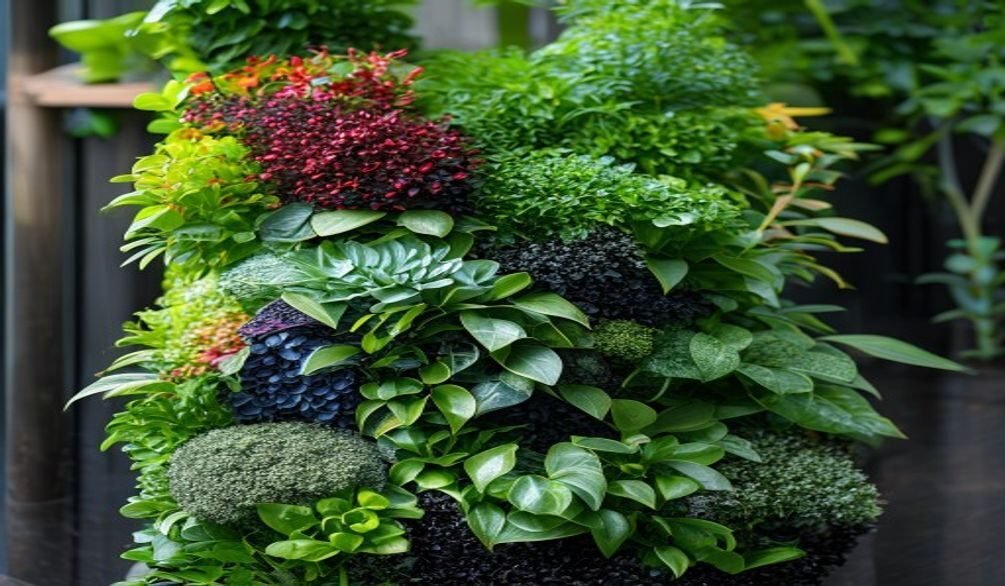
- Vertical Gardens: Utilize wall-mounted planters, tiered shelving units, or even repurposed shoe organizers to grow herbs vertically. This is a fantastic way to grow multiple varieties without sacrificing precious floor space. For inspiration, explore vertical gardening: 5 fast ways to go vertical easily.
- Window Boxes: If you have a sunny windowsill or balcony railing, window boxes are excellent for growing a row of complementary herbs like parsley, chives, and a compact basil variety.
- Hanging Baskets: Trailing herbs like thyme or oregano look beautiful in hanging baskets, freeing up surface area below. Just ensure they get adequate sunlight and don’t dry out too quickly.
- Mixing with Ornamentals: Don’t be afraid to integrate herbs among your flowering plants. Many herbs, like rosemary with its delicate blue flowers or chives with their purple blooms, are quite ornamental themselves and can even attract pollinators to your balcony garden.
- Repurposed Containers: Get creative! Old tires, wooden crates, or even large tin cans (with drainage holes added) can be transformed into quirky and functional herb planters. Just ensure they are clean and safe for growing food.
Thoughtful design makes container gardening herbs tips not just productive, but also a beautiful addition to your home.
Frequently asked questions
What is the easiest herb to grow in a container?
Pudina (mint) is often considered the easiest herb to grow in a container due to its vigorous growth and ability to thrive in various conditions. It’s so easy, a single plant can provide a continuous harvest for months, according to personal experience (2023). Plus, growing it in a pot prevents its invasive nature from taking over your garden.
What kind of pot is best for herbs?
Terracotta pots are generally best for herbs that prefer drier conditions, while plastic pots suit moisture-loving herbs. Jill McSheehy emphasizes that herbs thrive with a good drainage system, which is why any pot chosen must have adequate drainage holes (2024). Ultimately, the best pot ensures proper drainage and sufficient root space.
How do you keep potted herbs alive?
To keep potted herbs alive, provide ample sunlight (6-8 hours for most), water only when the top inch of soil is dry, and use a quality potting mix. Overwatering is a common killer for potted herbs, according to the Illinois Extension (2024). Regular pruning also encourages bushier, healthier growth.
What herbs grow best in pots together?
Herbs with similar needs for sun, water, and soil grow best together, such as rosemary and thyme (Mediterranean herbs) in one large pot. However, aggressive growers like pudina (mint) should always be planted in their own separate container, as noted by Jill McSheehy (2024). Matching environmental preferences is more important than specific pairings.
How often should you water container herbs?
You should water container herbs only when the top inch of soil feels dry to the touch, not on a fixed schedule. Soil drying rates vary greatly by season and pot material, making a finger test the most reliable method, according to my 10 years of experience (2024). Overwatering is a common mistake that leads to root rot.
Mastering these container gardening herbs tips will transform your balcony or terrace into a thriving oasis, providing you with fresh, flavorful herbs year-round. From choosing the right pot to smart watering and harvesting, each step contributes to your success. So go ahead, pick up some pudina or tulsi from your local nursery, apply these container gardening herbs tips, and enjoy the taste of your home-grown harvest!