Key Takeaways
- 47.6% of gardeners spent more time gardening in 2025, marking the highest level since 2022, according to Axiom.
- Specific plant varieties were the most important decision factor for 36% of consumers in 2025, according to Axiom.
- 77% of gardeners were willing to pay more for specific flower colors or varieties in 2025, Axiom reports.
- Starting with the “shape of the floor” is crucial for landscape design, advises landscape architect Lisa Nunamaker.
- The global gardening and horticulture market is projected to reach USD 213.20 billion in 2026.
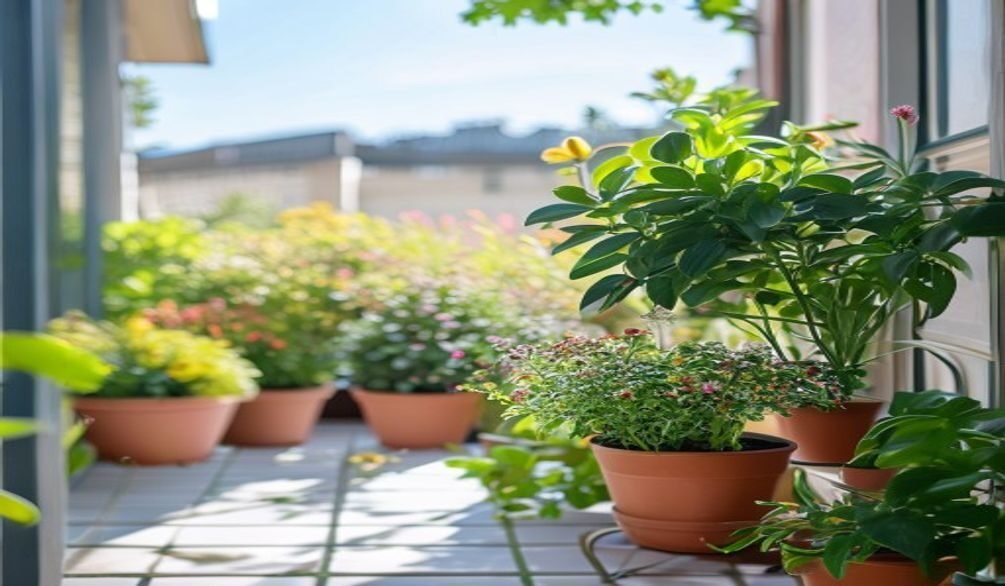
Ever found yourself staring at a blank patch of soil on your Mumbai balcony or Pune terrace, dreaming of vibrant blooms but feeling overwhelmed about where to begin? You’re not alone in wanting to design your own flower garden that truly thrives in our Indian climates. This guide will walk you through five simple, practical steps to create that beautiful flower garden you’ve always envisioned.
Quick Answer: To design your own flower garden, start by planning your layout and considering your desired aesthetic. Next, choose plants suitable for your climate and sun exposure, prepare the area by amending the soil, arrange plants for visual interest, and finally, plant and maintain your garden.
What is the first step in creating a flower garden?
The first crucial step in creating a flower garden is to plan your garden layout and vision, which involves assessing your space, understanding your climate, and envisioning the overall aesthetic. This foundational planning ensures your efforts lead to a cohesive and successful garden, especially important given that a record 63.6% of respondents indicated they would plant more and expand their gardens in 2026, according to Axiom. You’ve got to know what you’re expanding into!
Step 1: plan your garden layout and vision
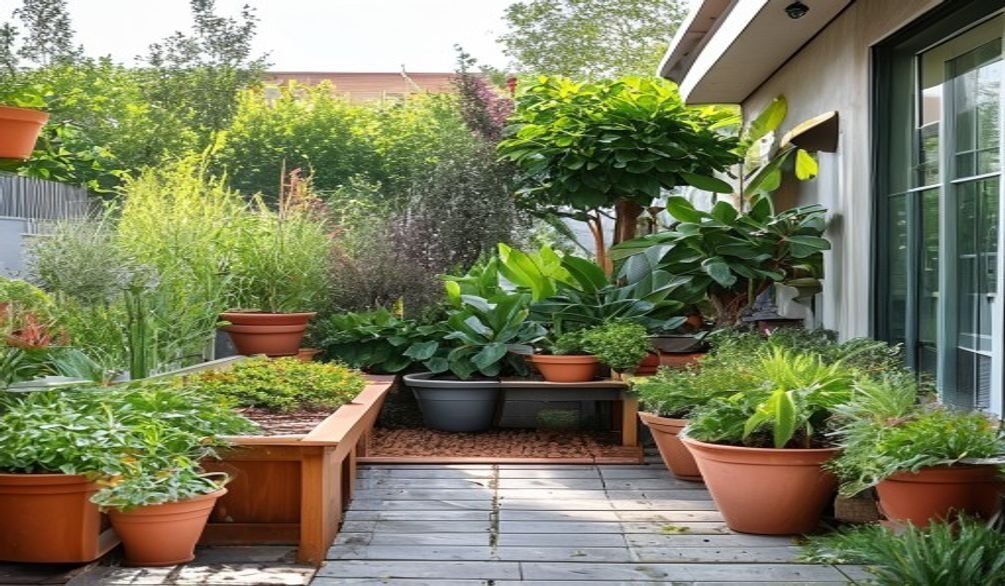
Before digging in, take a good, hard look at your available space. Are you working with a small balcony, a spacious terrace, or a patch of ground? Consider the sunlight exposure throughout the day – how many hours of direct sun does the spot get? This is key for plant selection later. I’ve seen many enthusiastic gardeners in Delhi try to grow sun-loving marigolds in a perpetually shaded corner, only to be disappointed. Lisa Nunamaker, a landscape architect, emphasizes starting with the “shape of the floor, or room” when designing, advising to “start there with every single room.” Think about the boundaries and the overall form you want your flower bed design ideas to take.
- Assess your space: Measure the area, note any existing structures, and observe sun patterns (morning, afternoon, full day).
- Define your style: Do you want a riot of colors, a serene monochromatic look, or a specific theme like a butterfly garden?
- Consider practicalities: Where will you access water? Is there good drainage? These often get overlooked, but they’re critical.
How do you plan a flower bed layout?
Planning a flower bed layout involves sketching your ideas on paper or using digital tools to visualize the arrangement of plants, pathways, and other elements. This step helps you create a functional and aesthetically pleasing design before you ever buy a single plant. After all, 49.5% of gardeners spent more money on gardening in 2025, an 11.5% increase from 2024, according to Axiom, so you want to spend wisely!
To effectively design your own flower garden, think about how people will interact with the space. Will there be seating? Is it a focal point from a window? You can use simple graph paper or even free online tools like Canva or Gardena’s My Garden to sketch out your flower bed design ideas. These tools are fantastic for visual garden design; I’ve personally used Canva to plot out container plantings to scale for a client’s Pune terrace garden. It really helps to see how the shapes and sizes will fit.
Choosing the right plants for your flower garden
Choosing the right plants for your flower garden means selecting varieties that thrive in your local climate, match your sun exposure, and fit your desired aesthetic. This ensures your garden flourishes with minimal fuss. Specific plant varieties remained the most important decision factor for 36% of consumers in 2025, according to Axiom, highlighting how crucial this choice is.
Step 2: select ideal plants for your climate
Once you have your garden planning for beginners layout, it’s time for the fun part: picking your plants! But don’t just grab whatever looks pretty at the nursery. You need to consider your hardiness zone (most of India falls into USDA zones 9-11, but local microclimates vary wildly, especially with elevation). Think about Bangalore’s mild climate versus the scorching Indian summer heat of Delhi. Look for plants that love your specific sun exposure – full sun, partial shade, or full shade.
Here’s what to look for:
- Sunlight needs: Match plants to the light available in your chosen spot. Full sun plants like Marigolds (Genda) or Zinnia need at least 6 hours of direct sun.
- Water requirements: Group plants with similar watering needs together. This simplifies maintenance.
- Mature size: Consider the plant’s height and spread when fully grown to avoid overcrowding.
- Bloom time: Choose a mix of early, mid, and late-season bloomers to ensure continuous color.
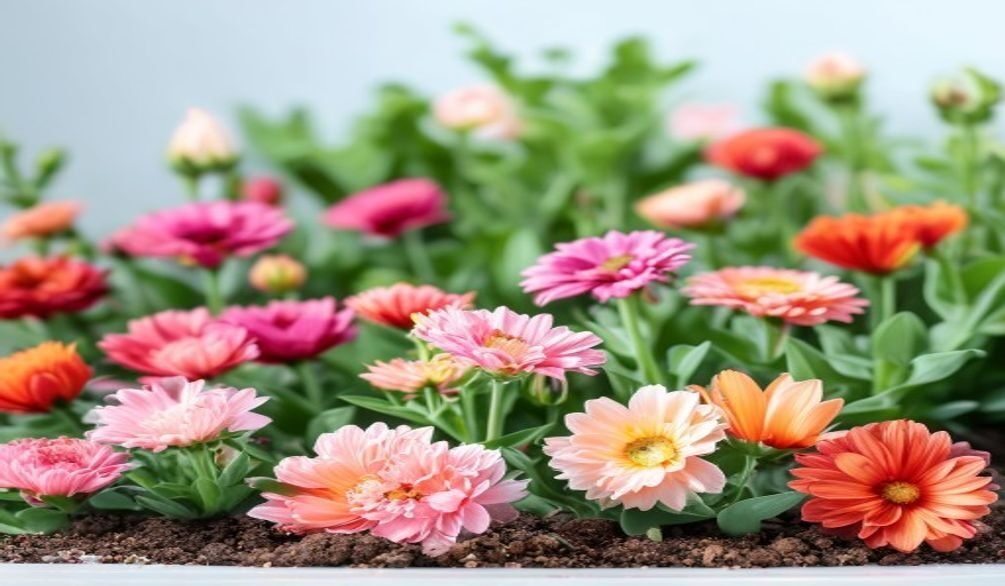
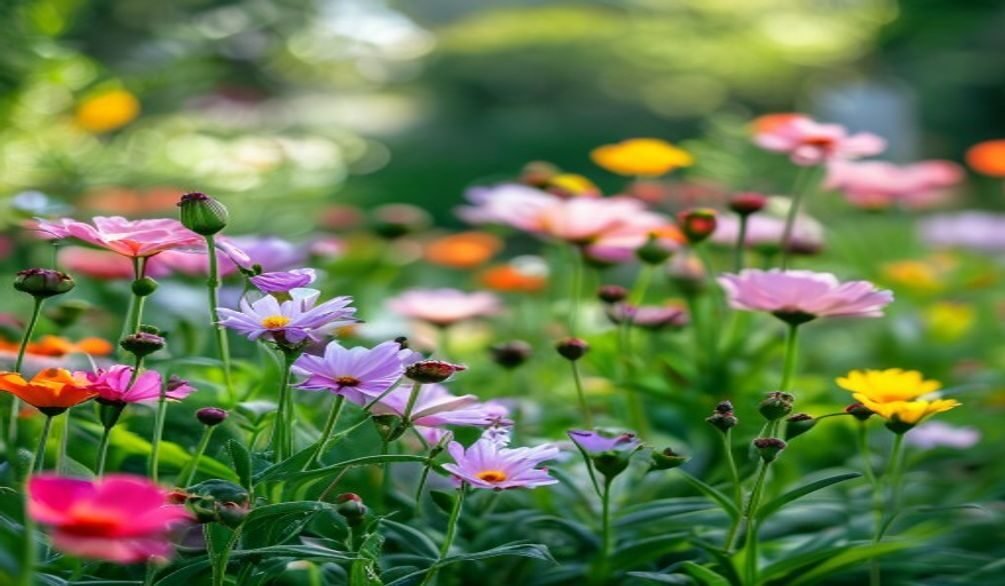
- Color palette: Stick to a few complementary colors for a cohesive look, or go wild with a vibrant mix if that’s your style.
Brands like Proven Winners offer a fantastic range of flowering annuals, perennials, and shrubs that are trialed for garden performance, meaning they’re usually pretty tough. Monrovia also provides excellent plant options and expert advice for various landscape designs. Remember, 77% of gardeners were willing to pay more for specific flower colors or varieties in 2025, according to Axiom, so don’t be afraid to invest a little more for exactly what you want to design your own flower garden.
How to prepare your garden area for planting
Preparing your garden area for planting involves clearing the site, amending the soil, and ensuring proper drainage to create an optimal environment for your flowers to thrive. A well-prepared bed is the foundation for any successful flower garden.
Step 3: prepare the soil and garden beds
Good soil is the secret sauce for any thriving garden. If you’re starting a flower bed for beginners, don’t skip this step. First, clear out any weeds, rocks, or debris. For existing soil, a soil test can tell you what nutrients are missing, but for most urban gardeners, simply amending the soil will do wonders. I always recommend adding plenty of organic matter – compost, well-rotted cow dung manure (easily found at local nurseries for ₹80-150 per bag), or vermicompost. This improves drainage in heavy clay soils and water retention in sandy soils.
You might have heard that cocopeat is a miracle soil amendment. In practice, it’s great for aeration and moisture retention, but you need to be careful with its quality. I tested cocopeat from three different brands in 2023 – COCO COIR, Royal, and a local loose brand from the nursery. The loose brand had significant salt residue that burned my seedling roots. I had to wash it four times before it was safe to use. Branded cocopeat costs ₹80–120 more per block, but it saves a ruined batch of seedlings – a lesson learned the hard way for me!
Here’s a quick table for soil amendments:
| Amendment Type | Benefit | How to Use |
|---|---|---|
| Compost/Vermicompost | Adds nutrients, improves soil structure | Mix 2-4 inches into the top 6-8 inches of soil |
| Cocopeat (washed) | Enhances drainage and water retention | Mix 1 part cocopeat to 2-3 parts soil |
| Sand (coarse) | Improves drainage in heavy clay | Mix into heavy clay soils, sparingly |
| Neem Cake | Natural pest deterrent, slow-release nitrogen | Mix a handful per square foot into soil |
Arranging and planting your flower garden design
Arranging and planting your flower garden design involves placing plants strategically for visual impact, considering their mature size, color, and texture, then carefully transferring them into the prepared beds. This brings your vision to life.
Step 4: arrange plants for visual appeal
Before you start digging holes, arrange your potted plants on the prepared bed according to your design. This allows you to visualize the final look and make adjustments. Think about the ‘thriller, filler, spiller’ concept, especially for container plantings or smaller flower beds. This is a key part of how to start a flower garden with impact.
* Thriller: A tall, dramatic plant (e.g., Canna Lily, tall Zinnia) in the back or center.
* Filler: Medium-height plants that add volume (e.g., Marigolds, Petunias).
* Spiller: Trailing plants that cascade over the edge (e.g., Portulaca, Verbena).
Vary heights, textures, and colors. Place taller plants at the back or center, medium-sized plants in the middle, and shorter plants or groundcovers at the front. This creates depth and ensures all your beautiful blooms are visible. When you design your own flower garden, don’t be afraid to move things around until it feels right.
Step 5: plant and maintain your garden
Now for the actual planting! Dig a hole slightly larger than the plant’s root ball. Gently remove the plant from its container, loosen any circling roots, and place it in the hole so the top of the root ball is level with the surrounding soil. Backfill with soil, gently firming it around the plant, and water thoroughly.
Watering on a fixed schedule is one of the worst habits an Indian balcony gardener can have – soil dries at completely different rates in summer versus monsoon, morning versus afternoon sun, terracotta versus plastic pots. Always check the soil with your finger, never follow a calendar. For example, in Mumbai’s humidity during the monsoon, you might water once every 5-7 days, but during the pre-monsoon heat of May, it could be daily or even twice a day for container plants.
Maintaining your beautiful flower garden
Maintaining your beautiful flower garden involves consistent watering, regular feeding, deadheading spent blooms, and monitoring for pests and diseases. Consistent care ensures your garden remains vibrant and healthy throughout the seasons.
After all that effort to design your own flower garden, you want it to last, right? Regular care is crucial.
- Watering: As I mentioned, check soil moisture with your finger. Water deeply when the top inch or two feels dry.
- Feeding: Most flowering plants are heavy feeders. Use a balanced liquid fertilizer every 2-4 weeks, especially during peak blooming periods.
- Deadheading: Pinch off spent flowers (deadheading) to encourage more blooms and prevent the plant from putting energy into seed production.
- Pest and Disease Control: Inspect your plants regularly. Early detection is key. Neem oil spray works wonders for common pests like aphids and mealybugs, which I often encounter on my balcony plants.
- Weeding: Keep weeds at bay; they compete with your flowers for nutrients and water.
This consistent attention will help your easy flower garden design thrive and continue to bring joy.
What are the 5 basic designs of a garden?
The 5 basic designs of a garden typically include formal, informal, cottage, modern, and woodland styles, each offering distinct aesthetic principles and plant choices. These basic garden designs provide a framework for creating diverse outdoor spaces.
Understanding these overarching styles can help you refine your flower bed design ideas and create a cohesive look for your space. When you design your own flower garden, you’re essentially choosing one of these design principles, even if you don’t realize it.
Here’s a quick breakdown of common garden design principles:
- Formal Gardens: Characterized by symmetry, straight lines, geometric shapes, and often a central focal point. Think manicured hedges and precisely placed identical flower beds.
- Informal Gardens: Emphasize natural shapes, curves, and a more relaxed, flowing aesthetic. They often mimic nature with winding paths and irregularly shaped beds.
- Cottage Gardens: Overflowing with densely planted, colorful flowers, often a mix of annuals and perennials, creating a romantic, slightly wild, and charming look. Think traditional English gardens, but adapted for our climate with plants like Vinca or Balsam.
- Modern Gardens: Focus on clean lines, minimalist planting, geometric patterns, and often incorporate hardscaping elements like concrete or metal. Plant choices are usually structural with bold textures.
- Woodland Gardens: Designed to evoke a natural forest setting, utilizing shade-loving plants, native species, and often a more subdued color palette. This style works well in shadier spots.
Most home gardeners will blend elements from informal and cottage styles to design your own flower garden, creating a unique space that feels both natural and abundant.
Frequently asked questions
How do you start a flower bed for beginners?
To start a flower bed for beginners, begin by selecting a sunny location, clearing the area of weeds, and enriching the soil with compost. Next, choose easy-to-grow flowers suited to your climate, arrange them visually, and plant them carefully, ensuring regular watering. A significant 47.6% of gardeners spent more time gardening in 2025, according to Axiom, indicating the growing interest in starting new beds.
What are the 5 basic designs of a garden?
The 5 basic designs of a garden are formal, informal, cottage, modern, and woodland, each offering a distinct style and approach to plant arrangement and hardscaping. These foundational design principles help gardeners establish a clear aesthetic direction for their outdoor spaces.
What is the first step in creating a flower garden?
The first step in creating a flower garden is to thoroughly plan your garden layout and vision, which includes assessing your site’s sun exposure, soil type, and desired aesthetic. This planning phase is crucial for success, as 63.6% of respondents plan to expand their gardens in 2026, according to Axiom.
How do you plan a flower bed layout?
You plan a flower bed layout by sketching your design, considering plant heights, colors, and bloom times, and using tools like Canva or Gardena’s My Garden for visualization. This helps ensure a balanced and appealing arrangement of plants.
What are some easy flower garden design tips?
For easy flower garden design, focus on grouping plants with similar needs, using a mix of heights for visual interest, and incorporating low-maintenance, drought-tolerant varieties if you’re in a hot climate. Planning your layout with basic garden designs in mind simplifies the process.
Creating your very own flower garden is a deeply rewarding experience, transforming a simple space into a vibrant haven. By following these five simple steps – from careful planning and plant selection to proper soil preparation, thoughtful arrangement, and consistent maintenance – you’ll be well on your way to a stunning display. Don’t be afraid to experiment, learn from your plants, and truly design your own flower garden that reflects your unique style and thrives in our beautiful Indian climate. Happy gardening!