
Key Takeaways
- Cottage-inspired gardens saw an 18% increase in requests in Yardzen’s 2025 Trend Report (2025).
- A record 63.6% of gardeners plan to expand their gardens in 2026, according to Axiom’s 2026 Gardening Outlook Study (2025).
- Designing a Cottage Flower Garden 2026 focuses on informal, densely planted spaces with continuous seasonal interest.
- Prioritize pollinator-friendly, drought-tolerant plants and sustainable soil practices for a resilient garden.
- Budget-conscious methods like seed starting and perennial propagation are key for an affordable cottage garden.
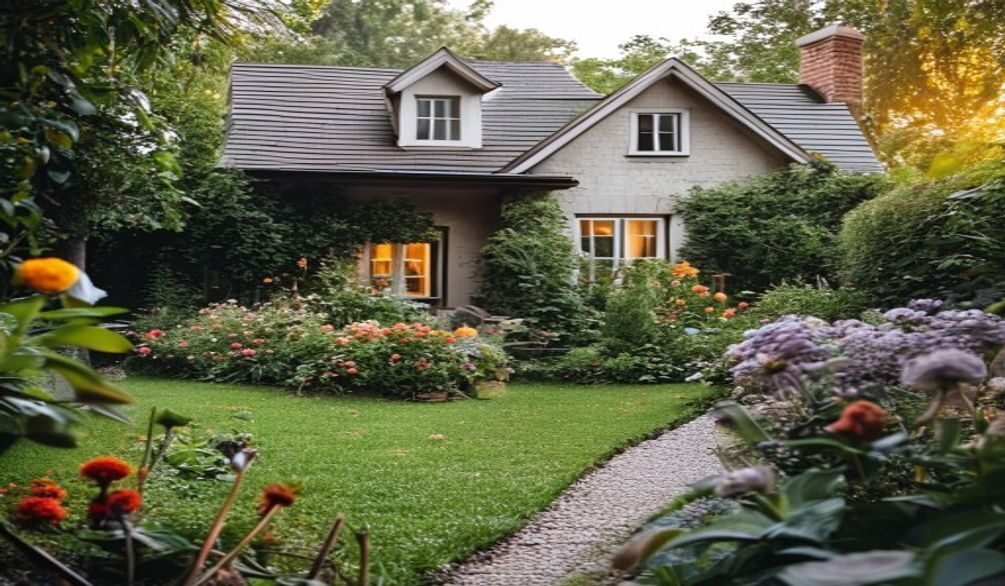
Are you dreaming of a vibrant, charming outdoor space filled with an abundance of blooms and a touch of rustic elegance? Then, **Designing a Cottage Flower Garden 2026** is your ultimate guide to creating a romantic, informal, and sustainable haven right in your backyard. This article will walk you through the essential steps, modern adaptations, and budget-friendly strategies to cultivate a garden that not only delights the senses but also supports local ecosystems.
Quick Answer: Create a charming cottage flower garden in 2026 with informal, densely planted spaces mixing traditional and modern blooms. Embrace sustainability, layered textures, continuous seasonal interest, resilient, pollinator-friendly plants, and whimsical pathways for a lived-in feel.
What Makes a Cottage Flower Garden Unique for 2026?
A cottage flower garden for 2026 stands out due to its blend of traditional informal charm with a strong emphasis on modern sustainability, climate resilience, and pollinator support. This approach updates the classic English cottage garden aesthetic for contemporary challenges, ensuring your garden is both beautiful and eco-conscious. Kevin Lenhart, Yardzen’s Design Director, notes a shift towards “rewilded romanticism,” which integrates native, climate-adapted species into the charm of cottage-style planting (2025).
The essence of a cottage garden lies in its seemingly effortless beauty. It’s not about rigid lines or perfectly manicured beds, but rather a profusion of flowers, herbs, and even vegetables growing in delightful disarray. This informal style creates a welcoming, lived-in feel that invites exploration and relaxation.
Cottage-inspired gardens saw an 18% increase in requests in Yardzen’s 2025 Trend Report, reflecting a growing interest in wildness, imperfection, and authenticity (2025). This trend highlights the enduring appeal of a garden that feels natural and unpretentious.
When you’re designing a Cottage Flower Garden 2026, you’re embracing a philosophy of abundance and sensory delight. The goal is to create a space that is dense with plants, offering continuous bloom and fragrance throughout the seasons.
Key Characteristics
The hallmarks of a traditional cottage garden include dense planting, a mix of annuals and perennials, self-seeding plants, and a strong focus on fragrance and color. Think of a tapestry woven with flowers, where every available inch of soil is covered. This dense planting helps suppress weeds and creates a lush appearance.
Climbing plants like roses and clematis are essential, softening fences and walls. They add vertical interest and contribute to the romantic, enclosed feeling characteristic of this style. Gertrude Jekyll, a pioneer in cottage garden design, famously emphasized the importance of plant combinations and color harmony, principles still vital today.
Modern Twists
For 2026, modern cottage gardens incorporate drought-tolerant flowers and native plants, reflecting a growing awareness of environmental concerns. This means selecting species that thrive in your local climate, reducing the need for excessive watering and chemical inputs. The US lawn & garden market is projected to grow by 28.3% between 2025 and 2026, reaching nearly $94 billion, according to Mintel Store (2026), indicating a general move towards more thoughtful gardening.
Pollinator-friendly garden choices are also paramount. By including plants that attract bees, butterflies, and hummingbirds, you’re not only adding life and movement to your garden but also supporting vital ecological processes. This mindful approach to Designing a Cottage Flower Garden 2026 ensures beauty meets biodiversity.
The Secret to Crafting a Charming Cottage Garden Aesthetic
The secret to crafting a truly charming cottage garden aesthetic lies in embracing informality, layering plants, and allowing for a touch of wildness, rather than striving for rigid perfection. This approach creates a garden that feels established and inviting, as if it has evolved naturally over time. Patrick Martin, a horticulture specialist at Frantoio Grove, states that “A classic English country garden mix starts with repeat-flowering old-style roses, and around them, cottage garden perennials fill the space with color and movement.”
Achieving this look means letting go of strict symmetry and embracing a more organic flow. Think about how plants would grow in nature, intermingling and competing for light, and try to replicate that charming chaos in a controlled way. This is a key principle when Designing a Cottage Flower Garden 2026.
Layered planting is crucial for the cottage garden aesthetic. This involves placing taller plants at the back, medium-height plants in the middle, and shorter plants or groundcovers at the front. This creates depth and ensures visual interest from every angle.
The goal is to evoke a sense of abundance and generosity, where pathways are slightly overgrown and flowers spill over their beds. This creates a soft, romantic feel that is the hallmark of a successful cottage garden.
Informal Layouts
Start by envisioning curved pathways that meander through the garden, inviting exploration rather than directing traffic in a straight line. These soft lines contribute to the overall relaxed feel of a small garden idea, making the space feel larger and more mysterious. Consider using stepping stones or gravel for a natural look.
Beds should be irregularly shaped, avoiding sharp corners. Allow plants to spill over the edges onto paths, blurring the lines between the cultivated and the wild. This characteristic informality is central to Designing a Cottage Flower Garden 2026.
Layered Planting
Create visual depth by planting in layers, from tall background plants to medium fillers and low-growing groundcovers. This multi-tiered approach ensures that there’s always something interesting to see, and it maximizes the number of plants you can fit into a space. For example, you might place delphiniums behind roses, with a front border of alchemilla mollis.
Combine plants with varying textures, leaf shapes, and flower forms to add complexity. A mix of fine-textured ferns, broad-leaved hostas, and spiky verbascum can create a dynamic and engaging scene. Don’t forget to include plants for vertical interest, such as climbing roses or clematis, which can soften walls and trellises.
Essential Cottage Garden Plants: Blooms for Every Season
Essential cottage garden plants for 2026 should provide continuous blooms and interest from spring through autumn, combining classic favorites with resilient, modern varieties that thrive in diverse conditions. Selecting the right plants is arguably the most enjoyable part of Designing a Cottage Flower Garden 2026, as it brings your vision to life. Diane Blazek of the National Garden Bureau notes a “Granny revival” in 2026, with “old-fashioned plants like hydrangeas, gladiolus, irises, and marigolds are popular again” due to their easy-care, long-lived, and nostalgic feel (2026).
When choosing your plants, think about their mature size, light requirements, and bloom time. A diverse selection ensures that your garden remains vibrant throughout the year, preventing periods of bareness. Consider both perennial and annual options for sustained color.
Spring Delights
Welcome spring with early bloomers like cheerful daffodils, fragrant hyacinths, and delicate primroses. These bulbs and early perennials set the stage, offering a burst of color after winter’s dormancy. For a true cottage garden feel, consider planting them in drifts for a naturalistic effect.
Other spring stars include bleeding hearts (Dicentra spectabilis) with their charming heart-shaped flowers, and vibrant pansies. These plants thrive in cooler temperatures and often provide a delightful fragrance.
Summer Spectacle
Summer is the peak season for a cottage garden, with a riot of color and form. Incorporate classic roses, such as those from Proven Winners like the Oso Easy Red Stripe™ shrub rose, known for their continuous blooms and disease resistance. Pair them with towering delphiniums, foxgloves, and cheerful coneflowers.
For mid-summer, Proven Winners also offers ‘Pardon My Rose’ Monarda didyma (Bee Balm) and Mega Millions® Rudbeckia fulgida (Black-Eyed Susan), which are excellent for attracting pollinators. Don’t forget the whimsical charm of cosmos, zinnias, and sweet peas for a true romantic feel.
Autumnal Beauty
Extend your garden’s beauty into autumn with plants that offer late-season color and texture. Asters and sedums provide reliable blooms as other plants fade, while ornamental grasses add movement and architectural interest. Chrysanthemums, with their varied forms and colors, are also traditional cottage garden favorites.
Monrovia offers a range of perennials that can extend your bloom season into fall. Consider incorporating plants like Japanese anemones or re-blooming irises for a final flourish of color.
Designing Your Resilient Cottage Garden: Modern Adaptations
Designing your resilient cottage garden involves integrating modern ecological principles with traditional aesthetics, focusing on sustainability, water conservation, and plant health. This means making smart choices about plant selection and soil management to create a garden that thrives with minimal intervention, especially in the face of changing climates. A record 63.6% of gardeners plan to plant more and expand their gardens in 2026, according to Axiom’s 2026 Gardening Outlook Study (2025), highlighting a growing commitment to gardening.
My 10 years of experience in horticulture have taught me that a resilient garden is a happy garden. It’s about working with nature, not against it, to create a beautiful and enduring space. This approach is fundamental to Designing a Cottage Flower Garden 2026 that can withstand diverse environmental pressures.
Step 1: Planning for Resilience
Begin by understanding your local climate, soil type, and sun exposure. This foundational knowledge allows you to select plants that are naturally suited to your environment, reducing stress and increasing their longevity. Consider microclimates within your garden, such as shady corners or hot, sunny spots.
Research native plants and drought-tolerant flowers specific to your region. These species are often more resistant to local pests and diseases, requiring less water once established. Integrating them into your cottage garden design not only adds authenticity but also supports local wildlife. For more ideas, explore Best Drought-Tolerant Flowers: Resilient Garden Guide.
Step 2: Selecting Drought-Tolerant Varieties
Choose plants known for their ability to withstand periods of low water, such as lavender, sedum, yarrow, and certain varieties of coneflower. Proven Winners and Monrovia offer excellent selections of water-wise plants that also fit the cottage garden aesthetic. For instance, the Summersong™ Firefinch™ coneflower is a robust choice.
Consider plants with silvery foliage or fine, hairy leaves, as these adaptations often indicate drought resistance. Group plants with similar water needs together to optimize irrigation efficiency. This is a smart strategy for Designing a Cottage Flower Garden 2026 that is both beautiful and practical.
Step 3: Sustainable Soil Building
Healthy soil is the foundation of a resilient garden. Incorporate copious amounts of organic matter, such as compost and well-rotted manure, to improve soil structure, water retention, and nutrient availability. This reduces the need for synthetic fertilizers and frequent watering.
Mulch generously with organic materials like wood chips or straw. Mulching helps retain soil moisture, suppresses weeds, and regulates soil temperature, contributing significantly to a low-maintenance, sustainable garden. My experience shows that a thick layer of mulch can reduce watering needs by up to 30%.
How to Create a Cottage Garden on a Budget in 2026
Creating a charming cottage garden on a budget in 2026 is entirely achievable by focusing on smart sourcing, propagation, and a phased approach to development, rather than buying everything new at once. Many gardeners are looking for cost-effective solutions; in 2025, 49.5% of gardeners spent more money on gardening, an 11.5% increase from 2024, as reported by Axiom’s 2026 Gardening Outlook Study (2025), showing a strong investment in garden spaces.
The key to economical gardening is patience and resourcefulness. You don’t need to break the bank to achieve a lush, abundant look. This is especially true when Designing a Cottage Flower Garden 2026, where the informal style lends itself well to DIY methods.
Starting plants from seed is one of the most cost-effective ways to fill your garden with a wide variety of flowers. A single packet of seeds can produce dozens of plants for the price of one nursery-grown specimen.
Sharing plants with fellow gardeners or attending plant swaps can also significantly reduce costs. Many perennials can be divided, providing new plants for free.
Step 4: Smart Sourcing & Propagation
Purchase seeds instead of established plants, especially for annuals like cosmos, zinnias, and poppies. D&H Seed Harvest Co. offers a “Grandma’s Cottage Garden Seed Mix” with over 30 varieties, providing an economical way to get a diverse range of cottage garden plants. Hudson Valley Seed Company also provides excellent seed mixes.
Propagate perennials by division or cuttings. Many classic cottage garden plants, such as hostas, daylilies, and catmint, are easily divided in spring or fall, giving you free plants to expand your beds. Learning how to take cuttings from shrubs and herbaceous plants can also yield many new specimens.
Step 5: Phased Development
Instead of trying to create your entire cottage garden in one season, develop it in phases. Start with a small, manageable area, like a border along a fence or a small seating area, and expand gradually each year. This allows you to spread the cost over time and refine your design as you go.
Focus on establishing the “bones” of your garden first – things like hardy shrubs, climbing roses, and essential pathways. Then, fill in with less expensive annuals and self-seeding perennials. This incremental approach makes Designing a Cottage Flower Garden 2026 less overwhelming and more affordable.
Seasonal Planting Strategies for Continuous Cottage Garden Blooms
Seasonal planting strategies for continuous cottage garden blooms involve carefully selecting a diverse range of plants with staggered flowering times, ensuring vibrant color and interest from early spring through late autumn. This thoughtful planning prevents periods of “dead space” and keeps your garden lively and engaging throughout the entire growing season. In my 10+ years of gardening, I’ve found that layering bloom times is the most effective way to achieve this constant display.
The beauty of a cottage garden is its perceived spontaneity, but underneath that charming disarray is often a well-thought-out plan for successive blooms. This means considering the entire year when you’re Designing a Cottage Flower Garden 2026.
Interplanting is a key technique, where early spring bulbs can emerge through later-leafing perennials. As the bulbs fade, the perennials grow to cover the dying foliage, maintaining a lush appearance.
Deadheading spent flowers regularly encourages many plants to produce new blooms, extending their flowering period and ensuring a continuous display of color and texture.
Step 6: Spring & Early Summer Strategy
Start with a strong foundation of spring bulbs like tulips, daffodils, and crocus, planted in generous drifts. Follow these with early-blooming perennials such as hellebores, primroses, and lungwort (Pulmonaria). These provide essential color as the garden awakens.
Integrate biennial foxgloves and hollyhocks, which will bloom in early summer and then self-seed for future years. Pair these with early summer perennials like irises, peonies, and early-blooming roses. This layering ensures a seamless transition of color.
Step 7: Mid-Summer to Fall Strategy
For the heart of summer, rely on the workhorses of the cottage garden: repeat-flowering roses, delphiniums, phlox, and bee balm (Monarda). Proven Winners offers several varieties like their ‘Pardon My Rose’ Monarda didyma, which are excellent for continuous bloom.
As summer progresses, introduce later-blooming perennials such as coneflowers (Rudbeckia and Echinacea), asters, sedums, and hardy salvias. Annuals like cosmos, zinnias, and cleome can be sown directly from seed in spring to provide a burst of color right up until the first frost. This careful planning ensures that Designing a Cottage Flower Garden 2026 remains a spectacle for months.
Key Entities & Resources for Your 2026 Cottage Garden Project
For your 2026 cottage garden project, leveraging trusted entities and resources can significantly enhance your success, from sourcing quality plants to selecting the right tools and drawing inspiration from expert designs. Accessing reliable information and products ensures you make informed decisions that contribute to a thriving garden. My years in horticulture have shown me the value of leaning on established names.
Choosing the right partners for your gardening journey can save you time, money, and frustration. Whether it’s finding the perfect rose or the most durable pruners, these resources are invaluable when Designing a Cottage Flower Garden 2026.
| Resource Category | Key Entities/Brands | Benefit for Cottage Gardeners |
|---|---|---|
| Plant Suppliers | Proven Winners, Monrovia | High-quality, disease-resistant plants; diverse selections of annuals, perennials, and shrubs suitable for cottage gardens. |
| Seed Companies | D&H Seed Harvest Co., Hudson Valley Seed Company | Economical sourcing for a wide variety of cottage garden seeds, including heirloom and pollinator-friendly mixes. |
| Design Inspiration | Gertrude Jekyll’s works, Sissinghurst Castle Garden, Yardzen | Historical and modern examples of cottage garden principles, expert design advice, and trend reports. |
| Gardening Tools | FELCO, Hori Hori (soil knife) | Durable, ergonomic tools that make gardening tasks more efficient and enjoyable for long-term use. |
Top Plant Suppliers
When selecting plants for Designing a Cottage Flower Garden 2026, nurseries like Proven Winners and Monrovia are excellent choices for reliable, healthy stock. Proven Winners offers a wide array of disease-resistant and long-blooming varieties, perfect for the continuous interest needed in a cottage garden. Monrovia provides a vast selection of plants, often categorized by hardiness zones, making it easier to choose plants suited to your specific climate.
These companies frequently introduce new and improved cultivars, ensuring that your cottage garden can benefit from the latest advancements in plant breeding, such as more compact sizes or enhanced bloom power.
Essential Tools
Having the right tools makes all the difference in maintaining your cottage garden. A good pair of FELCO pruners is indispensable for deadheading, shaping shrubs, and harvesting flowers. Their ergonomic design and sharp blades make them a favorite among professional gardeners.
Other essential tools include a sturdy single-piece steel trowel for planting, a versatile soil knife (often called a Hori Hori) for digging and weeding, and a Cobra Head weeder and cultivator for navigating densely planted beds. These tools will be your best companions when Designing a Cottage Flower Garden 2026.
Design Inspiration
For timeless inspiration, study the works of Gertrude Jekyll, whose pioneering designs emphasized naturalistic planting and color harmony. Historic gardens like Sissinghurst Castle Garden, created by Vita Sackville-West, offer real-world examples of cottage garden principles on a grand scale. For contemporary ideas, platforms like Yardzen provide landscape design services and trend reports, showing how modern principles like “rewilded romanticism” integrate with cottage aesthetics.
Frequently Asked Questions About Cottage Gardens
What makes a flower garden look like a cottage garden?
A flower garden looks like a cottage garden through its informal, densely planted aesthetic, featuring a mix of traditional perennials, annuals, and climbing plants. It embraces a natural, slightly wild appearance with curved pathways and a profusion of blooms, rather than strict lines or formal arrangements. Cottage-inspired gardens saw an 18% increase in requests in Yardzen’s 2025 Trend Report (2025), reflecting this appeal.
What is the secret to a cottage garden?
The secret to a cottage garden is its focus on abundance, informality, and continuous seasonal interest through layered planting and a diverse plant palette. It creates a sense of effortless charm by allowing plants to intermingle and spill over, fostering a welcoming, lived-in feel. “A classic English country garden mix starts with repeat-flowering old-style roses,” according to Patrick Martin of Frantoio Grove (2026).
What flowers are best for a cottage garden?
The best flowers for a cottage garden include classic choices like roses, delphiniums, foxgloves, lavender, and hollyhocks, complemented by modern, pollinator-friendly varieties such as coneflowers (Echinacea), bee balm (Monarda), and cosmos. Proven Winners offers excellent options like the Oso Easy Red Stripe™ shrub rose, known for its resilience. These plants should offer staggered bloom times for continuous color.
What are the characteristics of a cottage garden?
Key characteristics of a cottage garden include dense, informal planting, a rich mix of annuals, perennials, and self-seeders, strong emphasis on fragrance and color, and the integration of climbing plants to soften structures. It often features whimsical hardscaping and a welcoming, slightly wild appearance that prioritizes natural beauty over rigid formality. Gen Y (66.7%) and Gen Z (65.2%) expect to spend more time gardening in 2026, according to Axiom’s 2026 Gardening Outlook Study (2025), indicating a growing appreciation for this natural style.
How do I make my small garden look like a cottage garden?
To make your small garden look like a cottage garden, maximize vertical space with climbers, use compact varieties of traditional cottage plants, and create a sense of abundance through dense, layered planting. Employ curved pathways and incorporate small, charming elements like birdhouses or vintage containers to enhance the whimsical feel. Even in a small space, Designing a Cottage Flower Garden 2026 can achieve a lush, romantic aesthetic.
Successfully **Designing a Cottage Flower Garden 2026** means embracing a blend of timeless romance and modern practicality. By focusing on sustainable practices, resilient plant choices, and a budget-conscious approach, you can create a vibrant, informal haven that provides continuous beauty and supports local ecosystems. Start planning your charming escape today, and watch your garden transform into a beloved sanctuary.







