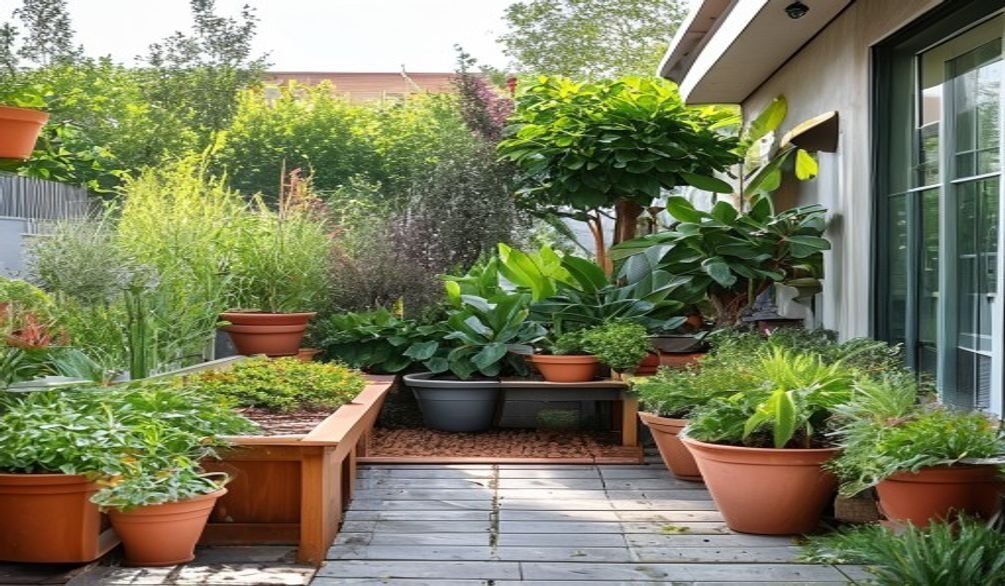
Creating a beautiful garden that thrives even when water is scarce is a growing challenge for many gardeners, but choosing the best drought-tolerant flowers can transform your landscape into a resilient oasis. As Gaurav, with over 10 years of experience in horticulture, I understand the desire for vibrant blooms without the constant worry of water restrictions. This guide will walk you through top flower choices and essential strategies to cultivate a stunning, water-wise garden.
Why Choose Drought-Tolerant Flowers for a Resilient Garden?
Opting for drought-tolerant flowers is more than just a trend; it’s a smart, sustainable choice for modern gardening. In many regions, water resources are becoming increasingly precious, making waterwise gardening a necessity. By selecting plants that naturally require less water, you contribute to environmental conservation while still enjoying a lush, colorful display.
The benefits extend beyond just saving water. Drought-resilient perennials often demand less maintenance, thriving in conditions where conventional flowers would wilt. This means less time spent on watering, fewer worries during heatwaves, and a more robust garden overall. For example, estimates show that approximately 25% of Texas’ water supply in urban areas is used for landscaping, much of which goes to high-demand plants. Imagine the impact if more gardeners embraced low-water flowers!
Furthermore, these plants are often hardier, resisting common pests and diseases that plague more delicate varieties. This inherent resilience creates a garden that is not only beautiful but also self-sufficient. As Penn State Extension wisely notes, drought-resilient plants are not fully tolerant until their root systems are well established, emphasizing the initial care needed to unlock their full potential.
The Best Drought-Tolerant Flowers for Stunning, Low-Water Landscapes
When it comes to creating beautiful, low-water landscapes, selecting the right varieties is key. My experience has shown that many popular and vibrant flowers are surprisingly resilient, making them perfect candidates for xeriscape plants and dry garden design. Here are some of the best drought-tolerant flowers that offer spectacular blooms with minimal fuss:
- Salvia (Sage): Varieties like ‘Rockin’® Fuchsia Salvia’ are fantastic. They offer long-lasting blooms in vivid colors and are magnets for hummingbirds and butterflies. They thrive in full sun and well-drained soil, making them ideal heat-tolerant plants.
- Lantana: ‘Luscious® Citrus Blend Lantana’ is a personal favorite. These cheerful plants produce clusters of small, colorful flowers that change hue as they mature. They are incredibly tough, tolerating heat, humidity, and drought with ease, making them excellent low-water flowers.
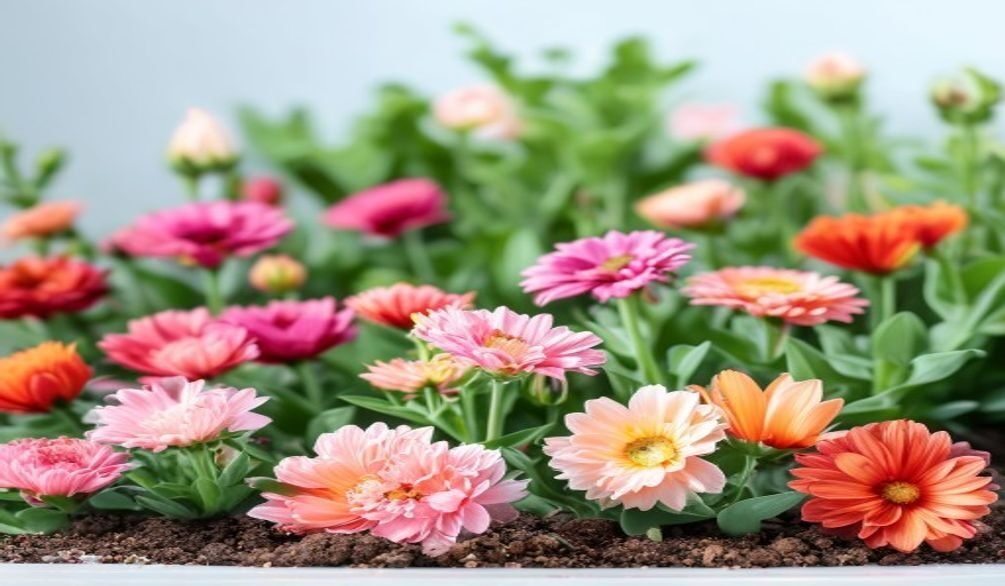
- Gaillardia (Blanket Flower): ‘Gaillardia Fanfare Showtime’ stands out with its unique, trumpet-shaped petals. These sun-loving perennials bloom for months, bringing vibrant reds, oranges, and yellows to your garden. They are truly tough perennials that promise color and minimal fuss, as John Murgel from Colorado State University Extension often highlights for dry climates.
- Russian Sage (Perovskia atriplicifolia): ‘Bluesette Russian Sage’ offers airy spires of lavender-blue flowers and silvery foliage. It’s a striking plant that provides texture and color from summer into fall, requiring very little water once established. It’s a prime example of a drought-resilient perennial.
- Agastache (Hummingbird Mint): Cultivars like ‘Blue Boa’ Hummingbird Mint are fantastic for their fragrant foliage and spikes of blue or purple flowers. They attract pollinators and are exceptionally drought-tolerant, making them perfect flowers for dry climates.
- Sedum (Stonecrop): These succulent-like plants come in various forms, from groundcovers to upright varieties. Their fleshy leaves store water, allowing them to withstand dry spells beautifully. They add unique texture and late-season interest to any low water garden design.
These plants are just a few examples of the many stunning options available. When choosing, look for varieties that are specifically bred for their resilience, like those often highlighted by brands such as Proven Winners.
Native Drought-Tolerant Flowers for Regional Resilience
Embracing native plants is perhaps the most effective strategy for creating a truly resilient garden. Native drought plants are naturally adapted to your local climate and soil conditions, meaning they require less intervention and thrive with minimal supplemental watering. This approach not only conserves water but also supports local ecosystems and wildlife.
For instance, in the arid Southwest, plants like Agastache (Hummingbird Mint) and Desert Marigold (Baileya multiradiata) are excellent choices. Their deep root systems help them tap into available moisture and withstand intense heat. Moving to the Midwest, Coneflower (Echinacea purpurea) and Liatris (Blazing Star) are robust native drought-tolerant flowers that provide vibrant color and attract pollinators, thriving in diverse soil conditions.
On the Pacific Northwest, despite its reputation for rain, many areas experience summer droughts. Here, plants like Oregon Grape (Mahonia aquifolium) and Gilt Edge Serviceberry, both highlighted by Washington State University Extension, demonstrate natural drought tolerance with their thick, waxy leaves that minimize water loss. The Southeast, with its humid summers, benefits from native hibiscus species and certain Baptisia (False Indigo) varieties, which are surprisingly drought-tolerant once established.
Incorporating these regionally appropriate native species ensures your garden is not only beautiful but also ecologically sound. They are the ultimate resilient garden plants, offering beauty and sustainability.
Designing a Pollinator Paradise with Drought-Resilient Blooms
A thriving garden is often a buzzing garden, full of bees, butterflies, and hummingbirds. You can create an incredibly attractive and sustainable habitat for these vital creatures using only drought-tolerant flowers. The key is thoughtful design, focusing on plant layering and succession blooming to ensure a continuous food source. For more tips on attracting beneficial insects, check out our guide on Attracting Pollinators to Your Vegetable Garden.
Start by selecting a diverse range of pollinator-friendly flowers with different bloom times, shapes, and colors. This ensures that different types of pollinators are catered to throughout the growing season. For example, tubular flowers like Salvia and Agastache are perfect for hummingbirds, while flat-topped clusters of Sedum or Yarrow provide landing pads for butterflies.
Consider grouping plants in drifts to create larger visual targets for pollinators. Layering plants, with taller specimens at the back and shorter ones in front, creates a dynamic visual appeal and offers varied habitats. Some excellent drought-resilient bloom pairings for pollinators include:
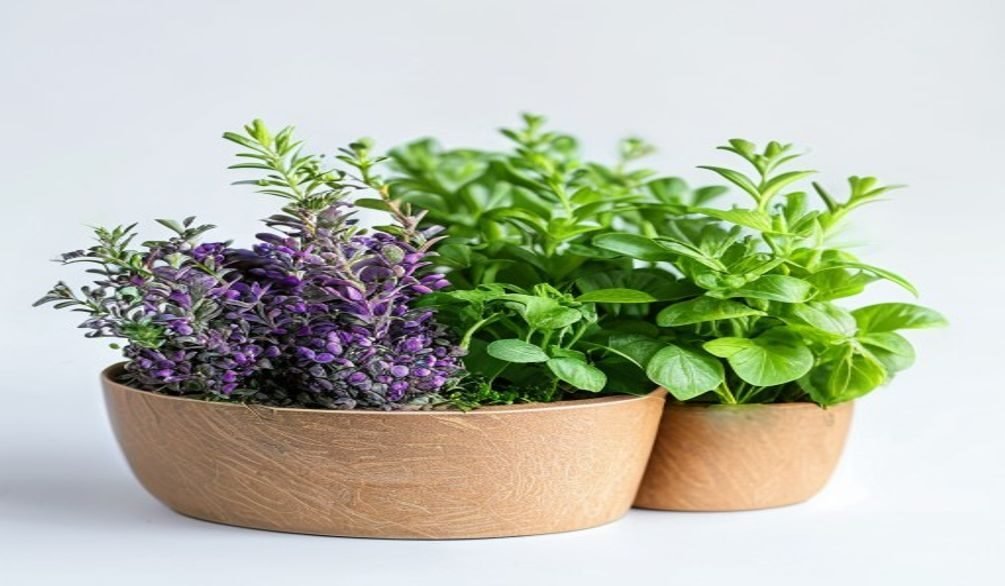
- Lavender and Blanket Flower (Gaillardia): Lavender provides early to mid-summer blooms, while Gaillardia continues well into fall, offering a long season of nectar.
- Russian Sage and Coneflower (Echinacea): The silvery foliage and airy blue flowers of Russian Sage complement the sturdy, daisy-like blooms of Coneflower, attracting a wide range of bees and butterflies.
- Lantana and Verbena bonariensis: Lantana offers continuous bloom and attracts butterflies, while the tall, delicate Verbena adds vertical interest and is a favorite of smaller pollinators.
By consciously designing with these principles, your dry garden design will not only be water-wise but also a vibrant haven for biodiversity, showcasing the true power of sustainable gardening.
Beyond the Bloom: Long-Term Care for Your Water-Wise Garden
While the best drought-tolerant flowers are known for their resilience, long-term maintenance is crucial for their sustained health and beauty. Many gardeners assume that once established, these plants need no water at all, but that’s a common misconception. Even drought-tolerant plants benefit from occasional deep watering during extended dry spells, especially during their first year as their roots establish.
Pruning plays an important role in the longevity and vigor of your water-wise garden. Deadheading spent flowers encourages more blooms and prevents the plant from expending energy on seed production. For some perennials, a hard cutback in late winter or early spring can rejuvenate growth and maintain a tidy shape. For instance, Russian Sage often benefits from being cut back to about 6-12 inches from the ground.
Monitoring for pests and diseases, though less common with resilient varieties, is still important. Healthy, stress-free plants are naturally more resistant. Ensure good air circulation and avoid over-fertilizing, which can lead to lush, but weaker, growth. What most people miss is that even drought-tolerant plants need a little attention to truly flourish year after year. As Myers from the OSU Extension Service notes, even some vegetables like tomatoes can benefit from reduced irrigation in late summer, showing how strategic water management is key across the garden.
Essential Tips for Maximizing Drought Tolerance in Your Flower Garden
Achieving a truly water-wise garden goes beyond just selecting the best drought-tolerant flowers; it involves smart planting and ongoing care practices. Here are some essential tips to help your low-water flowers thrive with minimal irrigation:
- Improve Soil Health: Good soil drainage is paramount. Incorporate organic matter like compost into your soil before planting. This improves soil structure, enhances water retention in sandy soils, and ensures excess water drains away from roots in clay soils.
- Strategic Mulching: Apply a 3-to-5-inch layer of organic mulch around your plants. This is a game-changer for water-saving landscaping. According to Alabama Extension, mulch can reduce water loss from evaporation by up to 70% compared to bare soil, while also suppressing weeds and regulating soil temperature.
- Efficient Watering Techniques: When you do water, do it deeply and infrequently. This encourages roots to grow deeper, making plants more resilient to dry conditions. Drip irrigation systems are highly effective, as The Cactus Outlet highlights, reducing water usage by up to 70% compared to traditional sprinklers by delivering water directly to the root zone.
- Group Plants by Water Needs: Design your garden in “hydrozones,” grouping plants with similar water requirements together. This allows you to water different areas more efficiently, preventing overwatering of drought-tolerant species and underwatering of those that need a bit more.
- Plant at the Right Time: Planting in cooler weather, like fall or early spring, gives plants a chance to establish their root systems before the heat of summer arrives. This initial establishment period is critical for their long-term drought tolerance.
By implementing these practices, you’ll create an environment where your drought-tolerant flowers can truly flourish. Even for those who prefer some grass, options like UC Verde® buffalograss, developed by California’s public university system, mimic traditional lawns while being far more drought-tolerant, as Eddie Chau from UC Berkeley Extension points out. The overall goal is a garden that works with nature, not against it.
Frequently Asked Questions
What is the most drought tolerant flower?
While “most” is subjective and depends on specific climate, plants like Portulaca (Moss Rose) and certain varieties of Sedum are exceptionally drought-tolerant, thriving in extremely dry and hot conditions. They store water in their fleshy leaves and stems, allowing them to survive with minimal moisture.
What flowers can survive without much water?
Many flowers can survive with minimal water once established, including Lavender, Russian Sage, Gaillardia (Blanket Flower), Lantana, Yarrow, and Coneflower. These plants have evolved mechanisms such as deep root systems, waxy leaves, or hairy foliage to reduce water loss and thrive in dry conditions.
What flowers are good for dry climates?
Flowers excellent for dry climates include Agastache (Hummingbird Mint), Salvia, Coreopsis, Penstemon, and certain Cacti and Succulents that also produce vibrant blooms. These species are naturally adapted to arid or semi-arid environments, making them ideal choices for regions with low rainfall and high heat.
What plants are most resilient to drought?
Plants most resilient to drought typically include native species adapted to local dry conditions, as well as many Mediterranean and desert plants. Examples are Lavender, Rosemary, Yucca, Cacti, Sedum, and various ornamental grasses. Their resilience comes from deep root systems, water-storing capabilities, or foliage designed to minimize transpiration.
Embracing the best drought-tolerant flowers is a powerful step towards a more sustainable and beautiful garden. With the right plant choices and smart gardening practices, you can create a vibrant, resilient landscape that conserves water and thrives in challenging conditions. Start transforming your garden today and enjoy the enduring beauty of these remarkable blooms!