
Key Takeaways
- DIY drip irrigation for terrace gardens can reduce water usage by up to 60% compared to traditional methods, according to Farmonaut (2026).
- The global drip irrigation market was valued at USD 9.80 billion in 2025, as reported by VynZ Research (2026).
- Smart residential irrigation systems can cut household water use by up to 35% by 2026, according to Farmonaut (2026).
- DIY drip irrigation kits can cost as low as $20 for small patio plants or raised beds, offering an accessible entry point for gardeners.
- Todd Hendricks, founder of Louisville Landscape Pros, states drip systems can reduce water bills significantly, sometimes by up to 30%.
Are you tired of constantly watering your containers, only to see precious water run off or evaporate before it reaches the roots? Setting up a **DIY drip irrigation terrace garden** is a game-changer, addressing the common challenges of urban gardening by delivering water precisely where your plants need it most. This guide will walk you through everything you need to know to create an efficient, water-saving watering system that keeps your terrace garden thriving.
Quick Answer: DIY drip irrigation for terrace gardens conserves water and nurtures plants by delivering precise moisture directly to roots. This customizable, low-pressure system minimizes evaporation, ideal for containers, enhancing plant health and reducing water bills.
What is DIY Drip Irrigation for Terrace Gardens?
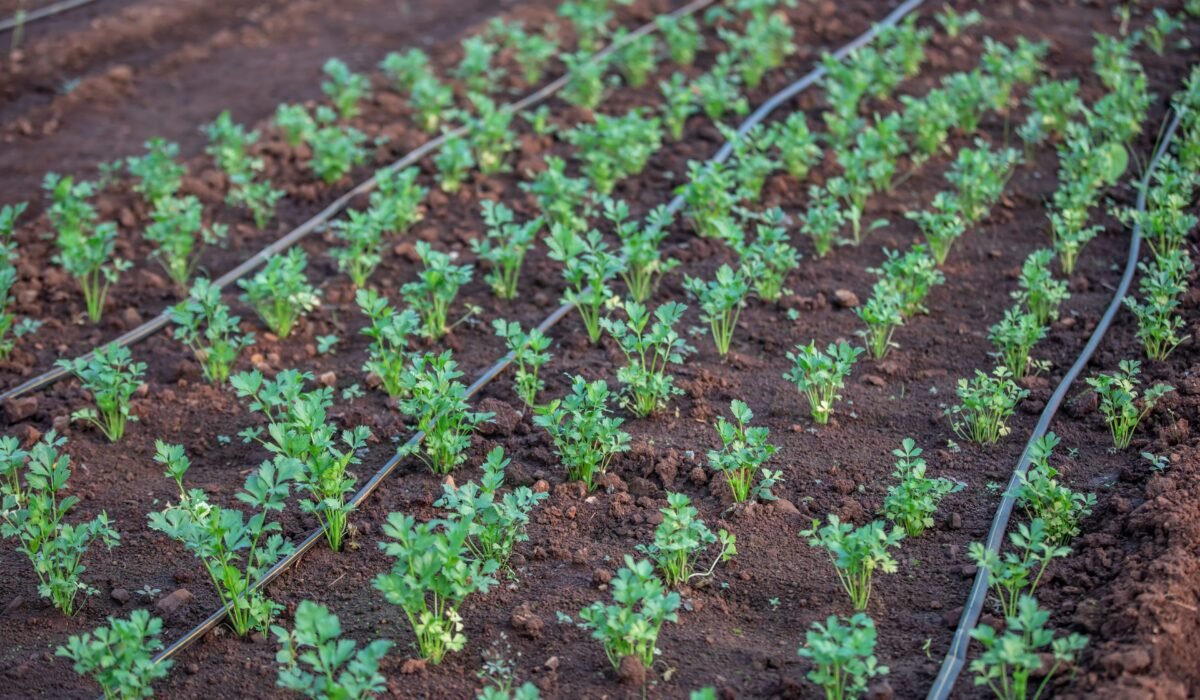
A **DIY drip irrigation terrace garden** system is a highly efficient watering method that delivers water directly to the root zone of plants, typically through a network of tubes, emitters, and micro-tubing. This approach significantly reduces water waste by minimizing evaporation and runoff, making it ideal for container gardens and small spaces. According to Farmonaut, drip irrigation systems can reduce water usage by up to 60% compared to traditional flood irrigation (2026).
This method allows you to customize watering for individual plants or groups, ensuring each gets exactly what it needs. My 10 years of experience in gardening have shown me that **micro irrigation containers** benefit immensely from this precision, leading to healthier plants and substantial water savings. It truly transforms how you maintain your urban oasis.
The core principle of a DIY drip irrigation terrace garden is slow, consistent water delivery. This prevents water stress, promotes deeper root growth, and reduces the incidence of fungal diseases often associated with overhead watering.
Bootstrap Farmer states that “Drip irrigation is a crop or landscape irrigation system designed to make watering simple and often automatic.” This simplicity is key for busy urban gardeners looking for an automated urban garden watering solution.
Key components typically include a pressure regulator, filter, main supply tubing, smaller distribution tubing, and various emitters or drippers. Brands like Rain Bird and Netafim offer a wide range of reliable components suitable for setting up a robust **DIY drip irrigation terrace garden**. Surface drip irrigation held approximately 58% of total revenue in 2025, making it the largest segment, according to VynZ Research (2026).
7 Essential Steps to Install Your Terrace Garden Drip System
Installing a **DIY drip irrigation terrace garden** system is a straightforward process that empowers you to create an efficient watering solution tailored to your space. Following these essential steps ensures proper setup and optimal performance for your balcony drip irrigation kit installation.
Step 1: Plan Your Terrace Layout
Begin by drawing a detailed map of your terrace garden, noting the location of all containers and plants. This step is crucial for determining the length of tubing, the number of emitters, and the ideal placement for your water source, ensuring a functional **DIY drip irrigation terrace garden**. Understanding your layout prevents material waste and ensures efficient water distribution.
Step 2: Gather Your Drip Irrigation Components
Collect all necessary parts, including main supply tubing (typically 1/2″ or 3/4″), smaller distribution tubing (1/4″), a pressure regulator, a filter, connectors, end caps, stakes, and various drip emitters or micro-sprinklers. For a reliable setup, consider high-quality components from brands like DIG Drip Irrigation or Orbit. Having all components ready streamlines the installation of your **DIY drip irrigation terrace garden**.
Step 3: Connect to Water Source
Attach your system to a water source, typically an outdoor spigot, using a backflow preventer, a timer (optional but highly recommended), a filter, and a pressure regulator. The pressure regulator is vital for a **DIY drip irrigation terrace garden** as it reduces household water pressure to a level safe for drip systems, usually 15-30 PSI. This prevents blowouts and ensures consistent flow.
Step 4: Lay Out Mainline Tubing
Run the main supply tubing along the perimeter of your terrace or through the center, reaching all planting areas. Secure the tubing with stakes to prevent kinks and ensure it stays in place. This mainline forms the backbone of your **DIY drip irrigation terrace garden** system, distributing water to all subsequent branches.
Step 5: Install Emitters and Micro-Tubing
Punch holes in the mainline tubing at each plant location using a specialized punch tool. Insert a connector into each hole and attach 1/4″ micro-tubing, running it to individual potted plant drip emitters. For a **DIY drip irrigation terrace garden**, choose emitters with flow rates appropriate for your plants’ needs. This direct delivery minimizes evaporation, making it a water-saving rooftop garden solution.
Step 6: Test the System for Leaks
Turn on your water supply and carefully inspect all connections, emitters, and tubing for leaks or inconsistencies in water flow. This critical step in setting up your **DIY drip irrigation terrace garden** allows you to identify and fix any issues before they waste water or under-water your plants. Address any leaks immediately by tightening connections or replacing faulty components.
Step 7: Adjust and Fine-Tune Watering
Observe your plants and adjust emitter flow rates or run times as needed. Different plants have varying water requirements, so fine-tuning is essential for optimal plant health. For example, succulents need less water than leafy vegetables. This ongoing adjustment ensures your **DIY drip irrigation terrace garden** provides the perfect amount of moisture. For more insights on water management, consider reviewing Terrace Garden Drainage Solutions.
Choosing the Best Drip Irrigation System for Your Terrace
Selecting the best drip irrigation system for your terrace involves considering your garden’s size, plant types, and desired level of automation. The market offers a variety of options, from basic kits to advanced customizable systems, all designed to facilitate a successful **DIY drip irrigation terrace garden**. Your choice will significantly impact ease of installation and long-term efficiency.
For smaller setups or beginners, a pre-packaged balcony drip irrigation kit is often the most convenient choice. Brands like Orbit offer micro watering drip kits specifically designed for container gardens, providing all the necessary components for a small **DIY drip irrigation terrace garden**. These kits simplify the process of setting up an automated watering system for urban gardens.
For larger or more complex terrace gardens, sourcing individual components from reputable manufacturers like Rain Bird, Netafim, or Irritec allows for greater customization. Irritec systems, for example, are known for combining functionality with aesthetics, blending discreetly into the garden environment.
When planning your drip irrigation system design, think about the pressure requirements and filtration needs. A good filter is essential to prevent clogging, especially if your water source has sediment, a common issue for any **DIY drip irrigation terrace garden**.
Here’s a comparison of popular drip irrigation solutions suitable for a **DIY drip irrigation terrace garden**:
| System Type | Best For | Key Features | Considerations |
|---|---|---|---|
| Basic Drip Kits (e.g., Orbit Micro Watering Drip Kit) | Small container gardens, beginners | All-in-one package, easy setup, affordable | Limited scalability, fewer customization options |
| Customizable Component Systems (e.g., Rain Bird, Netafim) | Medium to large terraces, diverse plant needs | High flexibility, durable components, tailored design | Requires more planning and assembly, higher initial cost |
| Advanced Smart Systems (e.g., Irritec Armonia) | Tech-savvy gardeners, larger urban spaces | Automation, remote control, water conservation features | Higher cost, requires tech setup, potential for complexity |
| Gravity-Fed Drip Irrigation | No spigot access, off-grid setups | Simple, no pressure needed, eco-friendly | Limited pressure, best for small, low-demand gardens |
Addressing Unique Challenges of Terrace Garden Drip Irrigation
While a **DIY drip irrigation terrace garden** offers significant benefits, urban environments present specific challenges that require thoughtful solutions. Overcoming these ensures your system operates efficiently and integrates seamlessly with your terrace aesthetics.
One common issue is **limited water pressure** from residential taps, which can affect system performance. To counteract this, ensure your system includes a pressure regulator, a crucial component for any **DIY drip irrigation terrace garden**. For instance, DIG Drip Irrigation offers regulators that maintain optimal pressure, preventing uneven watering or burst lines.
Wind exposure on terraces can increase evaporation from plant leaves, even with drip irrigation. To mitigate this, consider windbreaks or strategically placing plants. This helps ensure the precise water delivery from your **DIY drip irrigation terrace garden** is fully utilized by your plants.
Another challenge is the **weight consideration for containers** and the overall load on your terrace structure. Opt for lightweight containers and use only the necessary amount of soil. This helps maintain structural integrity while still allowing for a lush **DIY drip irrigation terrace garden**.
Aesthetics also play a significant role in urban spaces. Many gardeners want their **DIY drip irrigation terrace garden** to be discreet. Use dark-colored tubing that blends with soil or container colors, and hide mainlines behind planters or along railings. Irritec’s Armonia system, for example, is designed with aesthetics in mind, offering discreet driplines.
How Much Does a DIY Drip Irrigation System Cost?
The cost of a **DIY drip irrigation terrace garden** can vary widely depending on the size of your garden, the quality of components chosen, and the level of automation desired. Generally, opting for a DIY approach is more cost-effective than professional installation, making it an appealing option for urban gardeners.
For small patio plants or raised beds, a basic **DIY drip irrigation terrace garden** kit can be surprisingly affordable, starting as low as $20. These kits provide an excellent entry point for beginners looking to experiment with water-saving irrigation for rooftop gardens without a significant investment. However, expanding beyond these basic kits will increase costs.
The average cost of a residential drip irrigation system is $520, with most homeowners paying $310 to $815 for installation in 2026, according to LawnStarter (2025). By undertaking a **DIY drip irrigation terrace garden** project, you can significantly reduce these installation costs.
Investing in durable components from brands like Netafim or Rain Bird might have a higher upfront cost but can offer better longevity and performance. This ensures your **DIY drip irrigation terrace garden** remains efficient for many seasons, providing a cost-effective small garden irrigation solution over time.
Consider the long-term savings on your water bill. Todd Hendricks, founder of Louisville Landscape Pros, states that “Drip irrigation systems are the most water-efficient irrigation system on the market and can reduce your water bills significantly, sometimes even up to 30 percent.” This makes a **DIY drip irrigation terrace garden** a smart financial choice.
Advanced Automation and Smart Options for Urban Gardens
Moving beyond basic timers, advanced automation and smart options can elevate your **DIY drip irrigation terrace garden** to a new level of efficiency and convenience. These technologies allow for precise control over watering schedules, often integrating with weather data and soil moisture sensors.
Smart irrigation controllers are a popular choice for an automated urban garden watering system. These devices connect to your home Wi-Fi and can be controlled via smartphone apps, allowing you to adjust schedules remotely. Many smart controllers also integrate with local weather forecasts, automatically skipping watering cycles if rain is expected, which is perfect for a **DIY drip irrigation terrace garden**.
Farmonaut reports that smart residential irrigation systems can reduce household water use by up to 35% compared to traditional methods by 2026. This data underscores the environmental and financial benefits of upgrading your **DIY drip irrigation terrace garden** with smart technology.
For areas without easy access to electricity, solar-powered systems offer an eco-friendly alternative. These systems typically include a small solar panel to charge a battery, powering the timer and pump for your **DIY drip irrigation terrace garden**. This is a fantastic option for truly off-grid balcony setups.
Brands like Rain Bird offer advanced solutions, such as their All-in-One Zone Control system, which simplifies installation and intelligent irrigation management. When planning your **DIY drip irrigation terrace garden**, consider adding soil moisture sensors. These sensors communicate with your smart controller, ensuring plants are watered only when they actually need it, optimizing water use even further.
Troubleshooting Common Drip Irrigation Problems
Even with careful installation, you might encounter a few common issues when operating your **DIY drip irrigation terrace garden**. Knowing how to troubleshoot these problems can save you time and ensure your plants continue to receive adequate water.
One of the most frequent problems is **leaks in the system**.
* Check all connections: Ensure fittings are tight and correctly seated.
* Inspect tubing: Look for punctures or cracks, often caused by garden tools or sun exposure.
* Replace faulty parts: Damaged emitters or connectors should be replaced immediately to maintain the integrity of your **DIY drip irrigation terrace garden**.
Another prevalent issue is **uneven water distribution**, where some plants receive too much or too little water. This often stems from incorrect pressure or clogged emitters. A pressure regulator is key for consistent flow in any **DIY drip irrigation terrace garden**.
Clogging is a significant concern, especially if your water source contains sediment. This is why a filter is a mandatory component in any effective **DIY drip irrigation terrace garden** setup. Regularly cleaning your filter is a simple yet crucial maintenance task.
Here are some quick tips for common problems:
- Low or No Water Flow: Check your water source, ensure the main valve is open, and clean the filter. Confirm the pressure regulator is functioning correctly.
- High Water Flow/Burst Tubing: Verify your pressure regulator is installed and set to the correct PSI (typically 15-30 PSI).
- Emitters Not Dripping: Emitters might be clogged. Try soaking them in a vinegar solution to remove mineral deposits or replace them. Ensure proper air venting at the end of the line.
- Algae Growth: Use opaque tubing to block sunlight, preventing algae from growing inside the lines of your **DIY drip irrigation terrace garden**.
Plant-Specific Strategies for Your Drip System
Optimizing your **DIY drip irrigation terrace garden** involves understanding that different plants have unique watering needs. Tailoring your drip system to these specific requirements ensures each plant thrives, from thirsty vegetables to drought-tolerant succulents.
For high-water-demand plants like many vegetables (e.g., tomatoes, cucumbers) or flowering annuals, you might use emitters with a higher flow rate or place multiple emitters per container. These plants benefit from consistent moisture, so ensuring adequate water delivery is crucial for their growth in a **DIY drip irrigation terrace garden**.
Herbs, while varied, generally prefer consistent but not soggy soil. A single 0.5 GPH (gallons per hour) emitter per small herb pot is often sufficient. This careful application prevents overwatering, which can lead to root rot, a common issue in container gardening.
Succulents and other drought-tolerant plants require minimal water, making them excellent candidates for a **DIY drip irrigation terrace garden** with very low-flow emitters, or even just infrequent watering cycles. Less is often more for these resilient plants.
Consider grouping plants with similar water needs together in your **DIY drip irrigation terrace garden**. This allows you to create zones with different watering schedules or emitter types, maximizing efficiency. For instance, a zone for herbs might get less frequent watering than a zone for leafy greens. This strategic design ensures optimal plant health. Remember to also consider Balcony Garden Fertilizer Guide for comprehensive plant care.
For larger containers or fruit trees, ring emitters or multiple point-source emitters can ensure the entire root ball receives water. This prevents dry spots and encourages even growth. Farmonaut reports that drip irrigation can lead to a 20-50% yield improvement for many crops (2026), highlighting the system’s effectiveness for productive gardens.
Frequently Asked Questions
Is drip irrigation good for terrace garden?
Yes, drip irrigation is excellent for a terrace garden as it conserves water and delivers precise moisture directly to plant roots, minimizing waste. It significantly reduces evaporation and runoff, which is ideal for container gardening and helps in creating a water-saving rooftop garden.
How do you install drip irrigation in a terrace garden?
To install a **DIY drip irrigation terrace garden**, you typically plan your layout, connect a pressure regulator and filter to your water source, lay mainline tubing, punch holes for smaller micro-tubing, and insert emitters into each container. Testing for leaks and adjusting emitter flow rates are crucial final steps.
Which irrigation system is best for terrace garden?
A customized **DIY drip irrigation terrace garden** system is often best, utilizing components from reliable brands like Rain Bird or Netafim for flexibility and efficiency. These systems allow for precise water delivery to individual containers, making them superior to overhead sprinklers for urban spaces.
How much does it cost to install drip irrigation for a garden?
The average cost for a residential drip irrigation system is $520, with most homeowners paying $310 to $815 for installation in 2026, according to LawnStarter (2025). A DIY approach for a **DIY drip irrigation terrace garden** can significantly reduce these costs, with basic kits available for as low as $20.
How do you water plants on a balcony without a tap?
You can water plants on a balcony without a tap by using a gravity-fed drip irrigation system from a rain barrel or elevated water container. Alternatively, a small pump connected to a reservoir can create sufficient pressure for a **DIY drip irrigation terrace garden**, offering flexibility for various urban setups.
Embracing a **DIY drip irrigation terrace garden** is one of the most impactful steps you can take to enhance your urban gardening experience. By providing precise, efficient watering, you’ll conserve water, promote healthier plants, and free up your time for other gardening joys. Start planning your system today and transform your terrace into a thriving, sustainable oasis!







