
Key Takeaways
- Investing in durable, ergonomic tools significantly enhances efficiency and enjoyment in your vegetable garden.
- The global garden tools market was valued at USD 119.13 billion in 2025, according to a report published in May 2026.
- North America led the garden tools market with 35.5% of the global market share in 2024, as reported in May 2026.
- Proper maintenance, including cleaning and sharpening, extends tool lifespan and maintains performance.
- Smart gardening tools, like automated irrigation, are gaining traction, with venture funding reaching USD 160 million in 2024.
Cultivating a thriving vegetable garden requires more than just seeds and sunshine; it demands the right **essential tools for vegetable garden** success. Without the proper implements, even the most dedicated gardener can struggle with common tasks, leading to frustration and less-than-optimal yields. This guide, drawing on my over 10 years of experience in horticulture, will walk you through the smart and ergonomic picks that will transform your gardening experience.
Quick Answer: Essential tools for a thriving vegetable garden include a sturdy trowel, hand pruners, digging fork, hoe, gardening gloves, watering can/hose, and wheelbarrow. These facilitate planting, weeding, cultivating soil, and harvesting for a productive, enjoyable experience.
Why Are Essential Tools for Your Vegetable Garden Crucial?
Essential tools for your vegetable garden are crucial because they directly impact efficiency, plant health, and your overall enjoyment of the gardening process. Using the right tool for the job significantly reduces physical strain and improves the quality of your work, leading to better outcomes for your plants. For instance, the global garden tools market was valued at USD 119.13 billion in 2025, according to a report published in May 2026, highlighting the widespread recognition of their importance.
Proper tools allow for precise planting, effective weeding, and gentle harvesting, all of which contribute to a healthier garden ecosystem. Without them, you risk damaging delicate seedlings, struggling with compacted soil, or even injuring yourself. Investing in quality **essential tools for vegetable garden** tasks is an investment in your garden’s future.
Monty Don, a renowned gardener, suggests, “Gardening is easy. Stick it in the ground the right way up and most plants will grow perfectly well.” This simplicity, however, is often underpinned by having the correct implements to prepare the ground and care for the plants. The right equipment makes the “stick it in the ground” part genuinely easy.
These tools are not just about convenience; they are about conservation of effort and maximizing yield. A well-equipped gardener can tackle tasks more quickly and effectively, freeing up time to enjoy the beauty and bounty of their vegetable patch. It’s about working smarter, not harder, in the garden.
What are the Basic Tools for Vegetable Gardening?
The basic tools for vegetable gardening encompass a core set of hand implements necessary for fundamental tasks like planting, weeding, and soil preparation. These foundational **essential tools for vegetable garden** work are the starting point for any successful gardener, regardless of garden size. The hand tools segment represented 30% of the market in 2025, according to market research, underscoring their enduring value.
From my experience, a beginner gardener needs to prioritize versatility and durability when selecting their initial tool kit. These basic tools form the backbone of your gardening arsenal, enabling you to perform a wide range of activities. You can’t effectively cultivate a garden without them, making them truly indispensable.
Here’s a breakdown of the most basic **essential tools for vegetable garden** tasks:
- Trowel: An indispensable hand tool for digging small holes for planting seedlings and bulbs.
- Hand Pruners (Shears): Crucial for harvesting vegetables, deadheading, and making clean cuts on plants.
- Digging Fork: Excellent for aerating soil, breaking up compacted earth, and mixing in compost without inverting soil layers.
- Hoe: Used for weeding and cultivating the soil surface, especially effective for larger areas.
- Gardening Gloves: Protect your hands from thorns, blisters, and dirt, ensuring comfort and safety.
- Watering Can or Hose: Essential for delivering water to plants, vital for growth and establishment.
- Wheelbarrow or Garden Cart: Makes transporting soil, compost, plants, and harvested produce much easier.
These basic tools are the workhorses of the garden, allowing you to manage most day-to-day tasks with relative ease. A good quality set of basic **essential tools for vegetable garden** care can last for many seasons with proper maintenance.
The 7 Essential Tools for a Thriving Vegetable Garden
To cultivate a thriving vegetable garden, equipping yourself with a specific set of seven **essential tools for vegetable garden** success will significantly improve your efficiency and results. These tools are selected for their versatility, effectiveness, and ability to handle the most common gardening challenges. In 2024, over 18,000,000 units of garden tools were shipped worldwide, demonstrating the global demand for effective gardening solutions.
Each of these tools plays a distinct role in preparing soil, planting, maintaining, and harvesting your crops, making them truly indispensable. Choosing high-quality versions of these items ensures longevity and better performance, which is key for a productive garden. Investing in these items streamlines your gardening process considerably.
Here are the 7 **essential tools for vegetable garden** enthusiasts:
- Sturdy Trowel: A robust trowel is vital for transplanting seedlings, digging small holes, and mixing amendments. The Wilcox 14-Inch All-Pro Digging Trowel is often cited as a top choice for its durability.
- Hand Pruners (Bypass Shears): Angelo Randaci, a master gardener, emphasizes, “A good pair of pruners is essential. They make a clean cut similar to a pair of scissors.” Felco F-2 One-Hand Pruning Shear is a leading option known for professional quality and clean cuts. These are crucial for harvesting and light pruning.
- Digging Fork: This tool is indispensable for breaking up compacted soil, aerating beds, and incorporating organic matter. It’s gentler on soil structure than a spade, making it perfect for preparing new garden beds or revitalizing old ones.
- Garden Hoe (e.g., Dutch Hoe or Stirrup Hoe): An effective hoe is invaluable for weeding large areas with minimal effort. A stirrup hoe, in particular, slices weeds just below the soil surface, preserving beneficial soil structure.
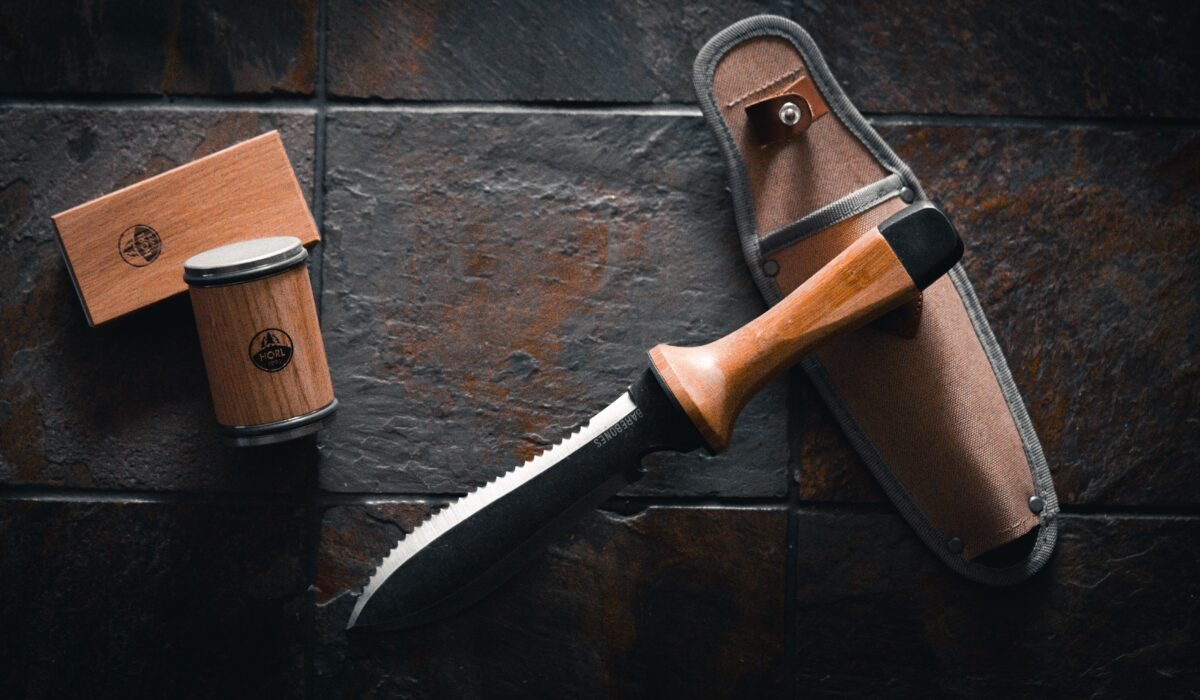
- Hori Hori Knife (Soil Knife): Often called a “soil knife,” this versatile tool is excellent for weeding, cutting roots, planting, and even dividing perennials. “The most useful type of trowel for beginning gardeners isn’t even a trowel—it’s a soil knife, also known as a hori hori,” highlighting its multi-functionality.
- Gardening Gloves: Protecting your hands is paramount. Look for durable, comfortable gloves that offer good dexterity, safeguarding against thorns, blisters, and prolonged exposure to soil.
- Wheelbarrow or Garden Cart: For moving soil, compost, mulch, or harvested crops, a wheelbarrow or garden cart saves immense effort. It’s an often-underestimated tool that dramatically improves garden logistics.
These **essential tools for vegetable garden** tasks collectively cover nearly every manual operation you’ll encounter. Each one is a cornerstone of efficient and enjoyable gardening.
Choosing the Right Material for Your Essential Tools for Vegetable Garden
When selecting your **essential tools for vegetable garden** work, the materials they are made from are paramount for durability and performance. Tools crafted from high-quality stainless steel or carbon steel offer superior strength and resistance to rust, lasting many seasons. Handles made from ash wood or ergonomic composites provide comfort and reduce strain during prolonged use.
The best gardening tool, as one expert noted, “is the one built to work as hard as you do,” emphasizing the importance of material specifications and construction quality. This means considering not just the blade or head, but also the handle and how the components are joined. A tool with a lifetime warranty, such as those from Wolverine Tools, often signals confidence in its construction and materials.
Ergonomic & Durable Designs: Tools for Every Gardener
Ergonomic and durable designs are paramount when selecting **essential tools for vegetable garden** work, as they reduce strain, enhance comfort, and ensure longevity, catering to gardeners of all physical abilities. Tools designed with ergonomics in mind minimize repetitive stress injuries and make gardening accessible and enjoyable for everyone. The Royal Horticultural Society (RHS) endorses Burgon & Ball tools, highlighting their quality and ergonomic design, a testament to the importance of such features.
Investing in tools built to last means less frequent replacement and consistent performance. This approach saves money in the long run and prevents the frustration of tools breaking mid-task. Durability often comes from superior materials and construction, such as hardened steel and reinforced handles.
Consider these aspects for ergonomic and durable **essential tools for vegetable garden** use:
- Ergonomic Handles: Look for handles with soft grips, anti-slip features, and shapes that fit comfortably in your hand. Fiskars Ergo Garden Tool Set is recommended for beginners in 2026, praised for its ergonomic SoftGrip handles.
- Lightweight Materials: Tools made from aluminum or high-grade composites can reduce the overall weight, making them easier to maneuver, especially for gardeners with limited strength or mobility.
- Extended Handles: Long-handled hoes and cultivators reduce the need for bending, which is beneficial for back health. This is particularly important for larger garden beds.
- Lifetime Warranties: Brands like Wolverine Tools, known for manufacturing contractor-grade hand tools since 1994, offer lifetime warranties, indicating their confidence in product durability. This provides peace of mind for your investment in **essential tools for vegetable garden** projects.
- High-Quality Metals: Stainless steel or forged carbon steel heads resist rust and bending, ensuring the tool maintains its sharpness and integrity over time. Felco F-2 One-Hand Pruning Shears, for example, are renowned for their robust construction.
Choosing tools that prioritize both comfort and resilience transforms the gardening experience. These durable garden tools with lifetime warranty options are a smart choice for any gardener serious about their craft.
Integrating Smart Tools for Enhanced Efficiency
Integrating smart tools into your gardening routine can significantly enhance efficiency and precision, offering modern solutions to traditional challenges in cultivating your vegetable garden. These innovative **essential tools for vegetable garden** care leverage technology to automate tasks, monitor conditions, and provide data-driven insights. Venture funding for smart garden tools reached USD 160 million in 2024, up from USD 100 million in 2023, indicating a growing market and investment in this sector.
While often overlooked in traditional “essential tools” lists, smart gardening tools are becoming increasingly accessible and effective for both beginners and experienced gardeners. They address common pain points like inconsistent watering, pest detection, and nutrient management, freeing up your time and often leading to healthier plants. For gardeners interested in smart gardening tools for beginners, many options are now user-friendly and intuitive.
Smart tools that can become **essential tools for vegetable garden** efficiency:
- Automated Irrigation Systems: These systems deliver water precisely when and where it’s needed, preventing over or under-watering. Some can be controlled via smartphone apps, adjusting based on weather forecasts.
- Soil Moisture Sensors: These devices provide real-time data on soil moisture levels, helping you optimize watering schedules and conserve water.
- Smart Plant Monitors: Often small, stake-like devices, these monitors track light, temperature, humidity, and soil fertility, sending alerts to your phone if conditions are suboptimal.
- Robotic Lawn Mowers/Weeders: While more of an investment, these can manage larger areas of a garden or lawn, reducing manual labor for tasks like weeding in wider pathways between vegetable beds. Redback brand cordless tools, for instance, are gaining recognition for consistent quality and performance in power tool categories, which often includes smart-enabled devices.
- Weather Stations: Personal weather stations can provide hyper-local data, helping you make informed decisions about planting, watering, and pest control.
The power tools segment accounted for 40.3% of the gardening tools market in 2025, according to Global Market Insights Inc., with battery-powered tools seeing their share grow from 29% in 2022 to 38% in 2024. This trend underscores a shift towards convenience and technology in gardening, making smart tools increasingly relevant as **essential tools for vegetable garden** management.
How to Maintain Your Gardening Tools for Longevity
Maintaining your gardening tools properly is critical for ensuring their longevity and optimal performance, saving you money and frustration in the long run. Just as you wouldn’t neglect your car, your **essential tools for vegetable garden** use require regular care to stay sharp, clean, and rust-free. Neglecting maintenance can significantly shorten a tool’s lifespan and make gardening tasks harder.
In my years of gardening, I’ve seen firsthand how a little bit of consistent care can make a cheap tool last for years, while a neglected expensive tool quickly deteriorates. Proper garden tool maintenance tips are straightforward but often overlooked. This simple routine is paramount for keeping your **essential tools for vegetable garden** ready for action.
Key steps for maintaining your **essential tools for vegetable garden**:
- Clean After Each Use: Immediately after gardening, remove all soil, sap, and debris from your tools. A stiff brush and water are usually sufficient. For stubborn sap, a little rubbing alcohol or mineral spirits can help.
- Dry Thoroughly: Moisture is the enemy of metal. Ensure all metal parts are completely dry before storage to prevent rust. You can wipe them down with a cloth or let them air dry in the sun.
- Sharpen Regularly: Sharp blades make clean cuts, which are healthier for plants and require less effort from you. Use a sharpening stone or file for pruners, hoes, and spades. Angelo Randaci stresses the importance of clean cuts for plant health, which only sharp tools can provide.
- Oil Metal Parts: Apply a light coat of oil (like linseed oil, mineral oil, or WD-40) to metal surfaces, especially blades and hinges, to prevent rust and keep moving parts smooth. This is particularly important for **essential tools for vegetable garden** items like pruners and hoes.
- Inspect and Repair: Periodically check handles for splinters or cracks, and tighten any loose bolts or screws. Replace worn-out grips or damaged components as needed.
- Proper Storage: Store tools in a dry, protected area, such as a shed or garage. Hanging them up prevents contact with damp ground and keeps them organized.
By following these simple steps, your **essential tools for vegetable garden** care will remain effective and reliable for many seasons. This proactive approach ensures your equipment is always in top condition, ready for any task.
What Tools Do Professional Gardeners Use?
Professional gardeners rely on a combination of high-quality, durable hand tools and specialized power equipment to efficiently manage larger landscapes and diverse planting needs. While their basic **essential tools for vegetable garden** tasks might be similar to home gardeners, the emphasis is often on commercial-grade durability, precision, and ergonomic design for extended use. North America led the garden tools market with 35.5% of the global market share in 2024, reflecting the significant demand for robust tools in professional settings.
Professionals often choose brands known for their resilience and performance under rigorous conditions. They understand that investing in superior tools reduces replacement costs and ensures consistent, high-quality work. This dedication to quality is a hallmark of professional practice.
Here’s a comparison of tools commonly used by professional gardeners versus typical home gardeners:
| Tool Type | Professional Gardener | Home Gardener |
|---|---|---|
| Trowel/Soil Knife | Wilcox All-Pro Digging Trowel, Hori Hori knife (heavy-duty) | Standard metal trowel, smaller hori hori knife |
| Pruning Shears | Felco F-2 One-Hand Pruning Shear, professional-grade bypass pruners | Fiskars SoftGrip pruners, basic bypass shears |
| Digging Tools | Wolverine Tools spades & forks (contractor-grade), broadforks | Standard digging fork, garden spade |
| Weeding Tools | Heavy-duty stirrup hoe, specialized hand weeders | Standard garden hoe, hand cultivator |
| Power Tools | Redback cordless mowers/trimmers, professional-grade tillers | Battery-powered string trimmers, small electric tillers |
| Gloves | Durable leather or synthetic, often specialized for tasks | General-purpose fabric or rubber-coated gloves |
Professional gardeners also often use specialized **essential tools for vegetable garden** tasks like soil testing kits, precise measuring tools for amendments, and robust irrigation components. Their choices reflect a need for reliability and efficiency when gardening is not just a hobby, but a livelihood. They also prioritize tools that are easily repairable and have readily available replacement parts.
Frequently Asked Questions
What are the most important gardening tools?
The most important gardening tools are a sturdy trowel, reliable hand pruners, a digging fork, a hoe, and comfortable gardening gloves. These **essential tools for vegetable garden** tasks cover the fundamental needs for planting, weeding, cultivating, and harvesting. The hand tools segment represented 30% of the garden tools market in 2025, according to market data, underscoring their primary importance. Having these basics ensures you can tackle most garden tasks efficiently.
What is the most versatile garden tool?
The most versatile garden tool is often considered the Hori Hori knife, also known as a soil knife. This multi-functional tool can be used for weeding, planting, cutting roots, dividing plants, and even as a measuring device. “The most useful type of trowel for beginning gardeners isn’t even a trowel—it’s a soil knife, also known as a hori hori,” highlighting its broad utility. Its robust blade and serrated edge make it an indispensable **essential tools for vegetable garden** accessory.
What tools do professional gardeners use?
Professional gardeners use a range of high-quality, durable tools including commercial-grade spades and digging forks from brands like Wolverine Tools, precise Felco pruners, and efficient power tools like Redback cordless systems. They prioritize robust construction and ergonomic design for prolonged use and reliability. North America held 35.5% of the global garden tools market share in 2024, as reported in May 2026, driven by both professional and home gardening demands for quality equipment.
What kind of tools do you need for a small garden?
For a small garden, you primarily need compact and precise **essential tools for vegetable garden** tasks. This includes a hand trowel, a small hand cultivator, bypass pruners, and gardening gloves. Tools designed for small spaces, like mini hoes or hori hori knives, are especially useful for navigating tight areas without disturbing nearby plants.
How do I choose quality gardening tools?
To choose quality gardening tools, look for robust materials like stainless steel or forged carbon steel blades, strong wooden or ergonomic composite handles, and solid construction methods. Prioritize brands known for durability, such as Fiskars, Felco, and Wilcox, and consider those offering lifetime warranties. Investing in high-quality **essential tools for vegetable garden** use reduces the need for frequent replacements and improves performance.
The journey to a flourishing vegetable garden is made significantly easier and more enjoyable with the right **essential tools for vegetable garden** success. By selecting durable, ergonomic, and even smart tools, you empower yourself to nurture your plants with precision and efficiency. My years of experience confirm that a well-chosen set of tools is not just an expense, but a foundational investment in your gardening passion. Start building your ideal tool kit today and watch your garden thrive.







