Key Takeaways
- Fresh fruit prices are projected to rise 1.8% across 2026, according to the USDA Economic Research Service (ERS).
- U.S. fruit imports reached $10.61 billion from January to April 2026, with fresh fruit comprising 70.5% of that value.
- 63.6% of gardeners plan to expand their gardens in 2026, showing increased interest in home fruit production.
- Fig trees are considered among the easiest fruit trees to grow, according to Perfect Plants Nursery (2026).
- Organic fresh produce sales hit $21.5 billion in 2024, experiencing a 5.2% increase from the previous year, as stated by Tom Chapman, co-CEO of the Organic Trade Association (OTA).
Most Mumbai balcony gardeners lose their tomato plants every May — not from pests, but from the scorching 40°C heat before the monsoon arrives. It’s frustrating, isn’t it? But don’t worry, starting a successful **fruit garden for beginners** is absolutely achievable with the right steps and a bit of local know-how. This guide will walk you through 8 simple steps to get your own backyard fruit growing, even if you’re battling Indian summer heat or limited space.
Quick Answer: To start a fruit garden, choose a sunny spot, select easy-to-grow fruits suited to your climate, prepare the soil with organic matter, plant correctly, water consistently, and protect from pests and diseases for a successful harvest.
What is the easiest fruit to grow for beginners?
Strawberries are often considered the easiest fruit to grow for beginners, especially in pots or small beds. 63.6% of gardeners plan to plant more and expand their gardens in 2026, indicating a growing interest in home gardening, and easy fruits like strawberries make this expansion less daunting. They mature quickly, usually within a year, and don’t demand much space. You’ll find they adapt well to various climates, from Bangalore’s mild weather to Pune’s terrace gardens. Just give them consistent water and plenty of sun.
Here’s the thing: everyone tells beginners to start with “easy” plants, but easy is relative to your specific balcony conditions. A north-facing balcony in Bangalore and a south-facing terrace in Delhi need completely different starter plants. Location matters more than some generic difficulty rating. For instance, while strawberries are generally easy, they’ll struggle in intense Indian summer heat (40°C+) without some afternoon shade. Conversely, a fig tree, which is also very beginner-friendly, would thrive in that same heat.
When I started my own **fruit garden for beginners**, I quickly realized that what works for one person might not work for another. So, consider your local climate and available sunlight before settling on a “beginner-friendly” list.
- Strawberries: Quick to produce, great for containers or hanging baskets.
- Raspberries: Can be grown in a small space with support, and they’re quite resilient.
- Blueberries: Need acidic soil, but dwarf varieties do well in pots.
- Figs: Extremely forgiving and thrive in warm climates.
How do you start a fruit garden for beginners?
Starting a **fruit garden for beginners** involves planning your space, selecting suitable fruits, preparing your soil, and consistent care. The USDA Economic Research Service (ERS) forecasts fresh fruit prices to rise 1.8% across 2026, making home fruit production an increasingly attractive option for many. You’ll want to begin by assessing your available sunlight – most fruit plants need at least 6-8 hours of direct sun daily.
Next, choose fruits that are well-suited to your local climate and space. Think about dwarf varieties or fruits that grow well in containers if you’re short on space. I’ve found that for Indian urban gardeners, focusing on what thrives in your specific city – be it Mumbai’s humidity or Delhi’s dry heat – is key. Don’t just pick something because a foreign guide says it’s “easy.”
Here are the simple steps I follow:
- Site Selection: Find a spot with ample sunlight (6-8 hours daily).
- Soil Preparation: Enrich your soil with organic compost. For container gardening, use a good quality potting mix.
- Fruit Selection: Choose fruits that match your climate and space. Dwarf varieties are great for small fruit garden ideas.
- Planting: Plant seedlings or saplings carefully, ensuring proper spacing.
- Watering: Water consistently, especially during dry spells. Avoid overwatering in the monsoon.
- Fertilizing: Feed your plants with organic fertilizers as needed.
- Pest & Disease Management: Monitor regularly and address issues promptly with organic solutions.
- Pruning & Training: Shape your plants for better air circulation and fruit production.
What fruit trees are easiest to grow for beginners?
Fig trees are widely regarded as one of the easiest fruit trees for beginners due to their resilience and adaptability. According to Perfect Plants Nursery (2026), “Fig trees may well be the easiest fruit trees of all to grow,” also listing pear, apple, and pomegranate as other beginner-friendly options. This is fantastic news for anyone starting a **fruit garden for beginners** in India, as figs thrive in our warmer climates.
Dwarf and semi-dwarf varieties are your best friends here. They’re bred to stay smaller, making them perfect for backyard fruit growing tips in limited spaces like a terrace or a compact garden. They also tend to produce fruit sooner than their full-sized counterparts. I’ve seen ‘Brown Turkey’ fig trees produce abundantly in large pots on Delhi terraces, surviving both the harsh summers and chilly winters with minimal fuss.
It’s also crucial to consider disease resistance. For example, ‘Kieffer’ pear is known for its fire blight resistance, which can be a significant issue for pear trees. When you’re just starting out, you want to minimize potential problems, right?
| Fruit Tree | Key Benefits for Beginners | Ideal Indian Climate |
|---|---|---|
| Fig (e.g., ‘Brown Turkey’) | Very forgiving, drought-tolerant, grows well in containers. | Warm, sunny, adaptable to most regions. |
| Dwarf Apple (e.g., ‘Golden Delicious’) | Good for smaller spaces, many varieties are self-pollinating. | Requires a chilling period, better for cooler regions like North India. |
| Dwarf Pear (e.g., ‘Kieffer’) | Disease resistant, produces reliably, can be grown in large pots. | Adaptable, some varieties tolerate warmer winters. |
| Pomegranate | Drought-tolerant once established, beautiful flowers and fruit. | Warm, dry climates, excellent for arid regions. |
What fruits grow best in pots?
Many fruits flourish in pots, making them ideal for urban gardeners with limited space or those looking to create a versatile **fruit garden for beginners**. Fresh fruit CPI was 2.1% higher in May 2026 than in May 2025, with apples and citrus rising faster than the overall fresh fruit basket, highlighting the economic benefit of growing your own. Container gardening is a fantastic way to mitigate these rising costs.
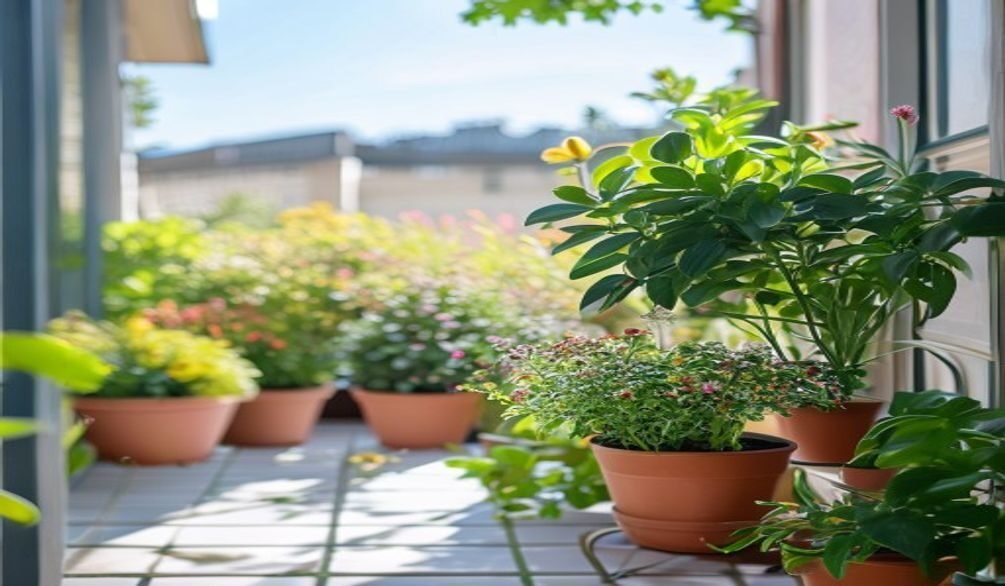
The key to growing fruit in containers is selecting dwarf varieties and ensuring you have large enough pots with good drainage. I’ve personally had great success with strawberries and blueberries in large terracotta pots on my balcony. You can even move them to protect them from extreme Indian summer heat or heavy monsoon rains.
Here’s a list of fruits that are generally happy in pots:
- Strawberries: They love hanging baskets or wide, shallow pots.
- Blueberries: Dwarf varieties need large pots (at least 18-24 inches in diameter) and acidic soil.
- Raspberries: Can be grown in large containers with a small trellis for support.
- Dwarf Citrus: Kumquats, lemons, and limes do exceptionally well in pots, especially in sunny spots.
- Figs: As mentioned, ‘Brown Turkey’ figs are perfect for large containers.
- Dwarf Pomegranates: Offer both ornamental beauty and delicious fruit.
Remember, pot size matters. A small pot will stunt growth and reduce yields. For most dwarf fruit trees, you’ll need at least a 20-gallon (around 75-liter) container.
Choosing the right location and soil for your fruit garden
Selecting the right location with ample sunlight and preparing well-draining, nutrient-rich soil are foundational steps for any successful fruit garden for beginners. Most fruit plants, from mangoes to mulberries, demand a minimum of 6-8 hours of direct sunlight daily to produce abundant fruit. You can’t cheat the sun requirement; it’s non-negotiable for good yields.
Once you’ve identified your sunniest spot, turn your attention to the soil. Healthy soil is the bedrock of a thriving garden, and for fruit plants, it’s even more crucial. You might have heard that any garden soil will do — but in practice, that’s rarely true for a productive fruit garden. Most Indian garden soils benefit hugely from amendments. In my 10 years of experience, enriching your soil with organic matter like compost, well-rotted cow dung, or vermicompost is far more effective than just relying on chemical fertilizers later. This boosts soil health, improves drainage, and provides a slow-release food source for your plants. For container gardening, use a high-quality potting mix, perhaps even mixing in some cocopeat from a brand like Cocogreen for better moisture retention, especially during the Indian summer heat. Organic garden soil enrichment: 10 simple ways to boost health can offer more detailed tips.
A common mistake I’ve seen is gardeners using seeds from a local kirana store, thinking they’re the same as garden seeds. My friend tried growing methi this way, and the germination rate was a dismal 15%. After switching to quality seeds from a seed shop, like Sarpan or Indo-American, the germination rate jumped to over 80%. Cooking seeds and garden seeds are simply not the same thing, even if they look identical. Always source your planting material from reputable nurseries or seed suppliers.
Watering and fertilizing your beginner fruit garden
Consistent watering and appropriate fertilization are crucial for nurturing a healthy and productive fruit garden for beginners. Over 49.5% of gardeners spent more money on gardening in 2025, an 11.5% increase from 2024, indicating a willingness to invest in proper care for better yields. Knowing how much and when to water, and what to feed your plants, ensures that investment pays off.
Watering isn’t just about pouring water; it’s about providing it effectively. Young plants need more frequent watering, especially in the pre-monsoon heat. I generally water my potted fruit plants every 2 days in summer, but only once in 5 days during the monsoon to prevent root rot. The soil should be moist, not waterlogged. You can check the soil moisture by sticking your finger about an inch or two deep; if it feels dry, it’s time to water. For fruit trees, deep watering that encourages roots to grow downwards is better than frequent shallow watering.
When it comes to feeding, most fruit plants are heavy feeders, especially when fruiting. Organic options are always my go-to. Vermicompost, cow dung manure, or even a balanced organic liquid fertilizer can work wonders. Apply compost around the base of your plants every few months. For potted plants, a diluted liquid feed every 2-4 weeks during the growing season is beneficial. Don’t overdo it, though; too much fertilizer can burn roots.
Protecting your fruit garden from pests and diseases
Protecting your fruit garden from pests and diseases is an ongoing but manageable task for beginners, ensuring your efforts lead to a bountiful harvest. Gerry Edwards, Chair of the RHS Fruit, Vegetable and Herb Expert Group, emphasizes making expert gardening knowledge accessible to inspire beginner gardeners, and pest management is a key part of that. Early detection is your best defense.
Regularly inspect your plants – check the undersides of leaves, new shoots, and developing fruits for any signs of trouble. Common culprits in Indian gardens include aphids, mealybugs, fruit flies, and powdery mildew. Often, a strong jet of water can dislodge aphids. For more persistent pests, neem oil spray is an excellent organic solution, readily available at local nurseries or online on Ugaoo or Nurserylive for around ₹150-₹300. I always keep a bottle handy.
For pruning, a good quality pruner is essential. Master gardener and horticulturalist Bunting recommends Felco pruners for their durability and sharp blades. Proper pruning improves air circulation, which can prevent fungal diseases, and helps maintain the plant’s shape for better fruit production. Remember, a healthy plant is more resistant to pests and diseases.
Frequently asked questions
What is the best fertilizer for fruit trees for beginners?
For beginners, a balanced organic fertilizer like vermicompost or well-rotted cow dung manure is best for fruit trees. These options provide nutrients slowly and improve soil structure, reducing the risk of over-fertilization, which can harm young plants. Supplement with a balanced NPK organic liquid feed during the growing season.
How much space do you need for a small fruit garden?
You can start a small fruit garden with surprisingly little space, even a balcony or terrace will do. Many dwarf fruit tree varieties and berry bushes thrive in large pots, requiring only 2-3 feet of diameter per plant. U.S. fruit imports totaled $10.61 billion from January to April 2026, with fresh fruit accounting for 70.5% of that value, showing the high demand that can be met even partially by small home gardens.
Can i grow a fruit garden in containers?
Absolutely, you can grow a successful fruit garden in containers, and it’s an excellent approach for a fruit garden for beginners. Strawberries, blueberries, dwarf citrus, and figs are particularly well-suited for container growing, allowing for flexibility in placement and protection from harsh weather. Just ensure adequate pot size and good drainage.
What are the easiest fruit plants to grow in india?
For Indian conditions, easy fruit plants include figs, pomegranates, strawberries, and dwarf varieties of lemons and limes. These adapt well to varied climates, from Mumbai’s humidity to Delhi’s summers, and are relatively low-maintenance, making them perfect for a beginner fruit garden. They also provide a good yield without needing extensive care.
How often should i water my beginner fruit garden?
Watering frequency for a beginner fruit garden depends on the climate, soil type, and plant size, but generally, water when the top inch or two of soil feels dry. During Indian summers, this might mean every 1-2 days for potted plants, while in the monsoon, watering could be reduced to once every 5-7 days to prevent waterlogging. Always check soil moisture before watering.
Starting a **fruit garden for beginners** doesn’t have to be intimidating; it’s a rewarding journey that connects you with nature and provides fresh, delicious produce. Remember to choose the right fruits for your climate, prepare your soil well, and be consistent with watering and pest management. With these simple steps, you’ll be enjoying your own homegrown fruits sooner than you think. Why not pick up a dwarf fig sapling or some strawberry plants this weekend and get started?