Key Takeaways
- Spotted Wing Drosophila (SWD) was the biggest pest threat for fruit growers in 2025, according to a grower survey (2025).
- Dormant oil sprays are crucial for suffocating overwintering pests like scale insects and mite eggs, as highlighted by Rutgers University Plant & Pest Advisory (2026).
- Codling moth was the most troublesome pest for fruit growers in 2025, especially in apples and pears (2025).
- Sanitation, including removing infested fruit, is the most important strategy for orchard pest management, states Cloud Mountain Farm Center.
- Phytophthora disease concerns nearly doubled in 2026, reaching 35% from 18% in 2025 (2026).
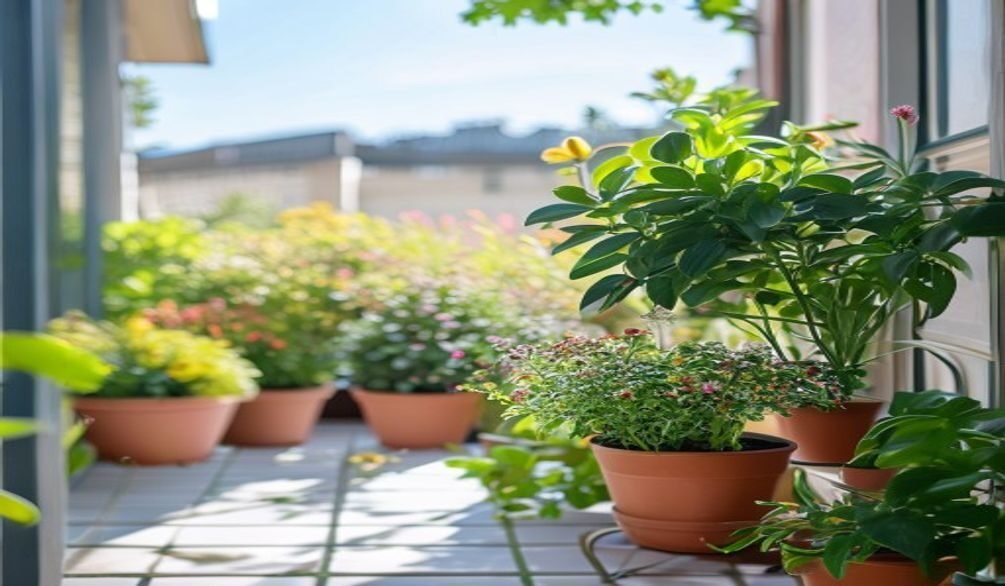
Most Pune terrace gardeners have felt that familiar sting of disappointment: you nurture a beautiful mango tree, watch the tiny fruits form, only for a sudden infestation to ruin your potential harvest. Effective fruit garden pest prevention isn’t just about spraying; it’s about understanding your plant’s needs and creating a resilient ecosystem. This guide will walk you through seven proven ways to protect your precious fruits, from cultural practices to smart organic solutions, tailored for Indian conditions.
Quick Answer: To prevent fruit garden pests, use cultural practices like sanitation and pruning, physical barriers such as netting, encourage beneficial insects, apply dormant/horticultural oils, and consider targeted organic or conventional sprays as needed.
How do you keep bugs from eating your fruit?
Keeping bugs from eating your fruit involves a multi-pronged approach combining good cultural practices, physical barriers, and targeted treatments. “Pest management in fruit gardens and home orchards should begin with good growing practices,” according to K-State Extension Sedgwick County.
You’ll find that a healthy plant is naturally more resistant to pests. This means choosing fruit varieties that thrive in your local climate, like a Jamun tree for Mumbai’s humidity or a Nagpur Santra for drier regions. Proper pruning annually ensures good airflow and sunlight exposure, which helps prevent many fungal issues that weaken plants and make them susceptible to pests. Also, regularly raking and destroying fallen leaves and damaged fruit is crucial; Cloud Mountain Farm Center emphasizes that “Sanitation in the orchard is the most important strategy” for preventing pests from overwintering or spreading.
- Pruning for Health: Remove dead, diseased, or crossing branches to improve air circulation. This helps prevent fungal diseases that often invite secondary pest problems.
- Sanitation is Key: Don’t just pick up fallen fruit — remove it completely from your garden. Many pests, like fruit flies or codling moths, lay eggs in fallen fruit, continuing their lifecycle.
- Crop Rotation (where applicable): For annual fruit plants, rotating crops can break pest cycles in the soil.
Honestly, many gardeners overlook the power of simple cleanliness. I’ve seen gardeners struggle with constant fruit fly issues because they leave overripe tomatoes or fallen guavas under the plant. That’s just an open invitation for more trouble. Effective fruit garden pest prevention starts with these basic, consistent habits.
What are natural pest repellents for fruit trees?
Natural pest repellents for fruit trees often rely on strong scents or physical deterrence to keep pests away without harsh chemicals. One effective strategy is planting companion plants that naturally repel pests, such as marigolds (Tagetes spp.) which deter nematodes and other soil-borne pests, or garlic around the base of trees, which can discourage aphids and fruit borers.
You can also use physical barriers. Bagging individual fruits, for example, is a labor-intensive but highly effective method against pests like apple maggots and codling moths. For smaller fruits, fine mesh netting draped over the entire tree or individual branches works wonders, creating a physical barrier that bugs simply can’t penetrate. I’ve personally seen this work beautifully on small Kesar mango trees on a balcony garden in Bangalore, protecting the developing fruits from fruit flies. This kind of hands-on fruit garden pest prevention is often the safest bet.
Here’s a quick look at some natural options:
| Repellent Method | Target Pests | Application/Notes |
|---|---|---|
| Companion Planting | Aphids, nematodes, borers | Plant marigolds, garlic, nasturtiums near fruit trees. |
| Physical Barriers | Codling moth, fruit flies, birds | Netting for whole trees, individual fruit bags (e.g., for apples when 0.5-0.75 inches). |
| Neem Oil Spray | Aphids, mites, whiteflies | Diluted spray, effective as a repellent and antifeedant. Available at local nurseries for ₹150–₹300. |
| Garlic/Chili Spray | General insect repellent | Homemade, strong odor deters many pests. |
Remember, “It is imperative that time and care be taken to properly identify a pest problem before making a pesticide application, even one using organic products,” as advised by New Mexico State University Extension (2025). Don’t just spray everything; know your enemy!
How can you protect fruit from pests organically?
Protecting fruit from pests organically involves a combination of cultural practices, biological controls, and natural sprays that prioritize ecosystem health. Beyond physical barriers and companion planting, encouraging beneficial insects is a cornerstone of organic fruit garden pest prevention.
You can attract predatory insects like ladybugs (which devour aphids) and lacewings by planting flowering herbs and native plants. Think about adding plants like dill, fennel, or even some local tulsi near your fruit trees. These provide nectar and pollen, which beneficial insects need for their adult diet. My own experience growing dhania and pudina from cuttings has shown me how quickly beneficial insects show up when there’s a diverse mini-ecosystem. When I tried growing pudina from seeds twice, it was slow and patchy, and the plants were much more vulnerable to early pest attacks. But when I switched to cuttings from a fresh sabziwala bunch, 9 out of 10 rooted in water in 6 days and were in soil by day 8, growing into robust plants that could handle a few aphid visitors without issues.
When sprays are needed, organic options like neem oil are your best friend. Neem oil works as an antifeedant and growth regulator, disrupting the pest’s life cycle rather than just killing it outright. It’s safe for pollinators once dry and doesn’t harm beneficials as much as broad-spectrum chemical sprays. Just be sure to apply it in the late evening to avoid harming bees and other beneficials that are active during the day.
You might have heard that organic fertilizers are the ultimate for all gardens. In practice, for small container gardens, the soil volume in a 12-inch pot is often too small for slow-release organic nutrients to work efficiently the way they do in ground soil. Liquid fertilizers like diluted jeevamrit or seaweed extract work faster and are easier to control in pots, providing quick boosts to fruit tree health which, in turn, helps with fruit garden pest prevention.
What is the best homemade fruit tree spray?
The best homemade fruit tree spray for general pest deterrence is often a simple garlic and chili concoction, or a mild soap solution. These sprays work by either repelling pests with strong odors and irritating compounds or by suffocating soft-bodied insects like aphids.
For a basic insecticidal soap spray, you’ll want to mix 1-2 tablespoons of mild liquid soap (like dish soap, but ensure it’s not antibacterial or heavily scented) with one liter of water. Spray this directly onto affected leaves, making sure to cover the undersides where many pests hide. This is particularly effective against aphids and spider mites, which were a close second to codling moth in 2025 in terms of grower trouble, according to a survey (2025).
If you’re dealing with more persistent pests or want a stronger repellent, a chili-garlic spray can be quite potent:
- Ingredients: 2-3 large garlic cloves, 2-3 green or red chilies (lal mirch works well), 1 teaspoon mild liquid soap, 1 liter water.
- Preparation: Crush the garlic and chilies. Steep them in about 100ml of hot water for several hours or overnight.
- Mixing: Strain the mixture, then add the remaining water and the liquid soap.
- Application: Spray thoroughly on foliage, especially where pests are visible. Reapply after rain or every 5-7 days for active infestations.
Remember, homemade sprays are contact killers or repellents, so consistent application is key for effective fruit garden pest prevention. Always test a small area of the plant first to ensure there’s no adverse reaction before spraying the entire tree.
When should you use dormant oil sprays for fruit trees?
You should use dormant oil sprays on fruit trees during their dormant season, typically in late winter or early spring before bud break, and definitely before leaves emerge. “Dormant oil sprays are your first line of defense as they work to coat the protective covering of the scale and prevent respiration,” according to Rutgers University Plant & Pest Advisory (2026).
These oils, often horticultural oils, are crucial for suffocating overwintering eggs and larvae of pests like scale insects, aphids, and European red mites. Applying it during the dormant period minimizes the risk to beneficial insects and pollinators, as they aren’t active yet. For apples, Rutgers recommends application during the “green tip-half inch green stage” for optimal efficacy against European red mites.
Here’s why timing is everything for this aspect of fruit garden pest prevention:
- No Foliage: With no leaves, the oil can reach every nook and cranny of the branches and trunk, where pests hide.
- No Pollinators: Bees and other beneficial insects aren’t active yet, so they won’t be harmed.
- Pest Vulnerability: Overwintering pests are often in a more vulnerable, immobile state.
I find that many gardeners in North India, especially those growing apples or stone fruits, often miss this critical window. They wait until they see active pests in spring, by which time the damage is already starting. Proactive treatment with dormant oil is far more effective than reactive spraying later in the season. You can find dormant oil sprays easily at larger nurseries or online platforms like Ugaoo.
How do beneficial insects help with fruit pest control?
Beneficial insects play a vital role in fruit pest control by preying on or parasitizing common garden pests, acting as natural biological controls. These tiny allies are often more effective and sustainable than chemical sprays, forming a crucial part of any fruit garden pest prevention strategy.
For example, ladybugs are voracious eaters of aphids, while lacewing larvae consume aphids, mites, and small caterpillars. Parasitic wasps, often tiny and unnoticed, lay their eggs inside pest larvae, effectively killing them from the inside out. Attracting these insects means less reliance on sprays and a healthier ecosystem overall. Spotted Wing Drosophila (SWD), which emerged as the biggest threat for fruit growers in 2025, cited by 21% of respondents (2025), is a pest that beneficial insects can help manage, though often not eliminate entirely.
To encourage beneficial insects:
- Plant Diversity: Grow a variety of flowering plants that provide nectar and pollen. Think about sunflowers, marigolds, or even some local wildflowers.
- Avoid Broad-Spectrum Pesticides: These kill beneficials along with pests. Opt for targeted, organic solutions if you must spray.
- Provide Shelter: Create small “bug hotels” or leave some natural debris where beneficials can overwinter.
It’s a continuous cycle: a healthy population of beneficials keeps pest numbers in check, reducing the need for intervention. This long-term approach is what truly defines sustainable fruit garden pest prevention.
What are common fruit garden pests and how do you identify them?
Common fruit garden pests vary by region and fruit type, but often include aphids, codling moths, fruit flies, and spider mites, each identifiable by specific damage patterns and physical characteristics. Knowing your enemy is the first step in effective fruit garden pest prevention.
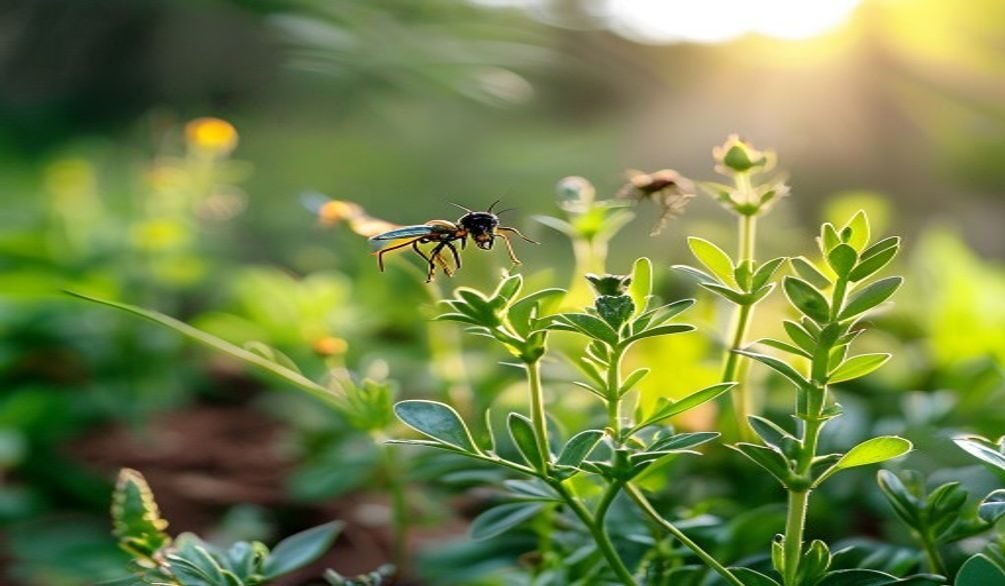
Codling moth was the most troublesome pest for fruit growers in 2025, especially in apples and pears, with mentions climbing sharply (2025). You’ll typically find their larvae tunneling into fruit, leaving behind “frass” (excrement) and causing premature fruit drop. Aphids, on the other hand, are tiny, soft-bodied insects that cluster on new growth and the undersides of leaves, sucking plant sap and often leaving behind sticky honeydew, which can lead to sooty mold. This was a common sight on my balcony guava tree in Delhi during the post-monsoon season.
Here’s a quick guide to some notorious fruit garden pests:
- Aphids: Small, pear-shaped insects (green, black, or brown). Found in clusters on new shoots and leaf undersides. Leaves may curl or yellow.
- Codling Moth: Larvae tunnel into apples, pears, and walnuts. Look for small entry holes and internal damage, often with brown frass.
- Fruit Flies (e.g., Spotted Wing Drosophila): Lay eggs in ripening fruit, causing soft spots and rot. SWD was the biggest threat for fruit growers in 2025, according to a survey (2025). You’ll see tiny maggots inside the fruit.
- Spider Mites: Tiny, almost invisible. Cause stippling (tiny dots) on leaves and fine webbing, especially in hot, dry conditions.
- Scale Insects: Small, immobile bumps on stems and branches. They suck sap, weakening the plant. Often covered by a waxy protective shell.
Identifying pests correctly is crucial for choosing the right treatment. Sometimes, what looks like a pest problem might actually be a nutrient deficiency or a disease. For instance, Phytophthora disease concerns nearly doubled in 2026, reaching 35% from 18% in 2025 (2026), and its symptoms can sometimes be confused with severe pest damage. Always take a close look, maybe even with a magnifying glass, before you decide on a course of action.
Frequently asked questions
How do i keep bugs from eating my fruit?
To keep bugs from eating your fruit, implement cultural practices like proper sanitation and pruning, use physical barriers such as netting, and introduce beneficial insects. Codling moth was the most troublesome pest for fruit growers in 2025, according to a grower survey (2025), highlighting the need for vigilance.
What is a natural pest repellent for fruit trees?
Natural pest repellents for fruit trees include companion planting with strong-scented herbs like garlic or marigolds, and physical barriers like fruit bags or fine mesh netting. Neem oil also acts as a natural repellent and antifeedant, disrupting pest life cycles.
How do i protect my fruit from pests organically?
You can protect your fruit from pests organically by fostering beneficial insect populations, using physical barriers like fruit bags, and applying organic sprays like diluted neem oil or insecticidal soap. Always identify the specific pest before applying any organic product, as advised by New Mexico State University Extension (2025).
What is the best homemade fruit tree spray?
The best homemade fruit tree spray for general pest deterrence is often a simple mixture of mild liquid soap and water, or a chili-garlic concoction. These sprays work through contact or strong repellency against pests like aphids and spider mites.
When should you use dormant oil sprays for fruit trees?
You should use dormant oil sprays on fruit trees in late winter or early spring, before bud break, while the trees are still dormant. This timing is critical for suffocating overwintering pests like scale insects and mite eggs, as highlighted by Rutgers University Plant & Pest Advisory (2026).
Ultimately, successful fruit garden pest prevention boils down to consistent observation and proactive care. It’s about building a resilient garden where your plants are strong enough to withstand minor attacks and where natural predators keep major infestations at bay. By combining good sanitation, smart planting choices, and timely, targeted interventions, you can enjoy a bountiful harvest from your Indian balcony or terrace garden without constantly battling pests. So, next time you see a tiny bug, remember: you’ve got a whole toolkit of strategies to protect your precious fruits!