Key Takeaways
- 63.6% of gardeners plan to expand their gardens and plant more in 2026, according to ArboStar (2025).
- Low maintenance remains a top driver for plant trends in 2026, favoring manageable options like herbs, as per the 2026 Plant Trends Report (2026).
- U.S. landscaping services revenue is estimated at about $188.8 billion in 2025, according to ArboStar (2025).
- Creating a functional herb garden layout requires understanding sunlight, drainage, and plant compatibility for optimal growth.
- Strategic layout choices like spirals or raised beds can maximize space and efficiency for any size herb garden.
Have you ever dreamed of stepping outside your door and plucking fresh herbs for your meal, perfectly organized and thriving? The secret to achieving this culinary convenience and garden beauty lies in effectively designing a functional herb garden layout. As an expert gardener with over 10 years of experience, I’ve seen firsthand how a well-planned layout transforms a simple patch of dirt into a productive and delightful herb oasis.
Quick Answer: Designing a beautiful and functional herb garden involves strategic planning. Key layouts include classic borders, containers, raised beds, spirals, and checkerboards. Prioritize sunlight, drainage, and plant compatibility to create a thriving, aesthetically pleasing, and productive herb oasis.
What makes an herb garden both beautiful and functional?
A truly successful herb garden seamlessly blends aesthetic appeal with practical utility, ensuring both visual delight and abundant harvests. The key lies in strategic planning that considers both form and function, a principle central to designing a functional herb garden layout. Homeowners are increasingly seeking outdoor spaces that feel authentic and purposeful, as noted by Tyler Bigham, Principal Lead Designer for Alterra Landscape Design.
Beauty in an herb garden comes from thoughtful arrangement, varied textures, and vibrant colors, while functionality ensures ease of access and optimal growing conditions. This dual focus means selecting plants that complement each other visually and horticulturally, creating a harmonious environment. For instance, a well-placed border of fragrant lavender can be both stunning and attract beneficial pollinators, enhancing the overall garden ecosystem.
A beautiful herb garden often incorporates diverse plant heights and leaf shapes, along with elements like decorative containers or winding pathways. This creates visual interest and makes the garden a joy to behold. Meanwhile, functionality demands that your herbs are easy to reach for harvesting and maintenance, thriving in conditions tailored to their specific needs.
My experience shows that the most admired herb gardens are those where every element serves a purpose, from the choice of planting medium to the overall arrangement. Whether it’s a formal knot garden or a whimsical cottage style, the underlying structure for designing a functional herb garden layout always prioritizes plant health and gardener convenience. This balance is what truly makes an herb garden both beautiful and a productive asset to your home.
How do you plan a functional herb garden layout?
Planning a functional herb garden layout involves a systematic approach that considers your available space, sunlight exposure, and the specific needs of your chosen herbs. The first step in designing a functional herb garden layout is always to assess your site thoroughly, as this dictates the most suitable design options. According to the 2026 Plant Trends Report, low maintenance remains a top driver for plant choices, making efficient planning crucial (2026).
Begin by observing the sunlight patterns in your chosen area throughout the day, as most herbs require at least 6-8 hours of direct sunlight. This crucial observation will guide plant placement, ensuring sun-loving herbs like basil and rosemary receive ample light, while those tolerating partial shade, such as mint or parsley, are appropriately situated. Failing to account for sunlight is a common pitfall in herb garden design.
Next, consider drainage and soil quality. Herbs generally prefer well-draining soil, so amending heavy clay soils with compost or creating raised beds is often beneficial. Understanding the water requirements of different herbs is also vital for grouping them effectively, preventing overwatering for some and underwatering for others. This strategic grouping is a cornerstone of designing a functional herb garden layout.
Finally, sketch out your ideas, considering access paths, proximity to your kitchen, and the mature size of your herbs. A well-thought-out plan saves time and effort in the long run, ensuring your garden is both productive and easy to manage. Almanac.com provides excellent resources for initial planning, highlighting various layouts that optimize space and plant needs.
Step 1: assess your site and sunlight
The initial step in designing a functional herb garden layout is to meticulously evaluate your potential garden site. You need to identify the exact amount of sunlight your location receives daily, as this is the single most critical factor for most herbs. From my experience, a full day of sun ensures the strongest flavors and healthiest growth.
Map out where the sun hits at different times of the day, marking areas that receive full sun (6+ hours), partial sun (4-6 hours), and shade (less than 4 hours). This crucial information prevents you from planting sun-loving herbs in shady spots, which would inevitably lead to disappointment. This careful observation forms the bedrock of any successful herb garden plan.
Step 2: evaluate soil and drainage
After sunlight, the next vital element in designing a functional herb garden layout is understanding your soil and ensuring excellent drainage. Most herbs thrive in well-drained soil, as soggy roots can quickly lead to rot and plant death. You should test your soil’s texture and pH level.
If your soil is heavy clay, amending it with organic matter like compost or creating raised beds will significantly improve drainage and aeration. Proper drainage is paramount for Mediterranean herbs like rosemary and thyme, which are particularly susceptible to root issues in waterlogged conditions. Addressing soil needs early on prevents common problems later.
Step 3: plan for access and harvesting
When designing a functional herb garden layout, always consider how you will access your herbs for daily harvesting and routine maintenance. You want to avoid layouts that require awkward stretching or stepping on plants. Ensure that every part of your garden is within easy reach.
This might involve incorporating pathways, leaving sufficient space between rows, or choosing container designs that can be moved. Placing frequently used herbs closest to your kitchen door will also enhance functionality, making it convenient to grab fresh ingredients while cooking. Easy access encourages more frequent use and enjoyment of your herb garden.
Step 4: consider plant compatibility and growth habits
A critical aspect of designing a functional herb garden layout is understanding which herbs thrive together and which prefer their own space. You must group plants with similar water and sunlight needs to minimize maintenance and maximize growth. For example, Mediterranean herbs like rosemary, thyme, and oregano all prefer dry, sunny conditions.
Conversely, aggressive spreaders like mint should always be contained, either in pots or with root barriers, to prevent them from taking over the entire garden. Ignoring compatibility can lead to some herbs outcompeting others, reducing overall productivity. Thoughtful grouping creates a harmonious and productive environment for all your herbs.
5 modern & sustainable herb garden layout ideas
When designing a functional herb garden layout, modern and sustainable approaches prioritize efficiency, aesthetics, and ecological benefits. These innovative layouts not only make your garden more productive but also contribute to environmental health, aligning with the growing interest in sustainable practices. In February 2025, drought conditions impacted 58% of California and Nevada, pushing homeowners toward water-efficient landscaping, highlighting the need for sustainable designs.
Step 1: design a raised bed layout
To create a versatile and manageable herb garden, you should consider a raised bed layout, which offers excellent control over soil quality and drainage. This method is particularly beneficial for designing a functional herb garden layout because it allows for customized soil mixes tailored to specific herb needs, an advantage over amending existing garden soil.
Raised beds elevate your planting space, reducing bending and making gardening more accessible, which is a key driver for many gardeners, as low maintenance is a top trend for 2026 according to the 2026 Plant Trends Report (2026). They also help define garden areas cleanly and can be designed in various shapes and sizes to fit any aesthetic, from a rustic wooden box to sleek metal borders. For small spaces, a raised bed running along a walkway or garden path can transform an underused strip into a highly productive zone, as illustrated by Konzept Garden.
Step 2: create a vertical garden system
For maximizing space in urban environments or small backyards, you should implement a vertical garden system. This approach is ideal for designing a functional herb garden layout where horizontal space is limited, allowing you to grow a surprising number of herbs in a compact footprint.
Vertical gardens can take many forms, from stacked planters and wall-mounted pockets to repurposed pallets or hanging systems. They are excellent for growing smaller herbs like chives, thyme, and mint (in individual pockets to control spreading). Vertical setups also improve air circulation around plants and can reduce pest issues. For more on managing pests in such systems, refer to our guide on Vertical Garden Pest Control.
Step 3: implement a circular herb spiral
To efficiently group herbs by their specific environmental needs within a compact and visually striking design, you should construct a circular herb spiral. This innovative method is perfect for designing a functional herb garden layout that mimics diverse microclimates.
An herb spiral uses height and orientation to create varying conditions: the top is sunny and dry for Mediterranean herbs, the middle offers moderate conditions, and the base provides a moist, shadier spot for water-loving plants like mint and parsley. Almanac.com highlights circular designs as smart ways to group herbs by water and soil needs, making them incredibly efficient. This design is not only practical but also a beautiful focal point in any garden.
Step 4: plan a container cluster garden
For unparalleled flexibility and ease of rearrangement, you should plan a container cluster garden, especially beneficial for renters or those with limited ground space. This method is excellent for designing a functional herb garden layout that can be easily adapted or moved.
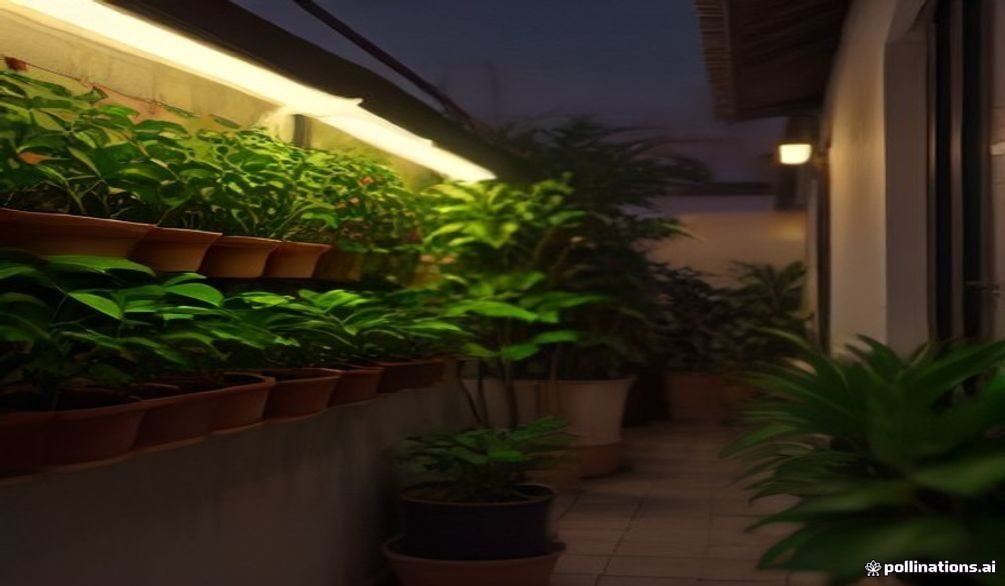
By grouping individual pots of various sizes, shapes, and materials, you can create a cohesive and attractive display that mimics a traditional garden bed. This allows you to move plants to optimize sunlight, protect them from harsh weather, or simply redecorate your patio or balcony. Konzepte Garden describes arranging individual pots in a deliberate grouping to mirror a garden bed, perfectly suited for condo and apartment dwellers. This approach works wonderfully for balcony herb gardens for beginners.
Step 5: develop a climate-adaptive border
To create a resilient and low-maintenance herb garden, you should develop a climate-adaptive border that selects herbs suited to your local environment. This is a crucial aspect of designing a functional herb garden layout that will thrive with minimal intervention.
Focus on drought-tolerant varieties for arid regions or choose herbs that can withstand humidity and occasional flooding in wetter climates. Tyler Bigham of Alterra Landscape Design emphasizes that “homeowners are looking for low-water, drought-tolerant, and disease-resistant varieties that stay healthy with minimal effort.” This strategy reduces water consumption and ensures your herbs flourish naturally. Incorporating native plants or those well-adapted to your specific climate ensures long-term success and sustainability.
Here’s a comparison of common herb garden layout ideas:
| Layout Idea | Best For | Key Benefits | Considerations |
|---|---|---|---|
| Raised Beds | Custom soil, accessibility, small to large spaces | Improved drainage, easier access, defined aesthetics | Initial cost for materials, requires filling with soil |
| Vertical Garden | Small spaces, balconies, wall decor | Maximizes vertical space, good air circulation | Requires consistent watering, limited plant size |
| Herb Spiral | Creating microclimates, aesthetics, small to medium spaces | Diverse growing conditions, striking visual feature | Requires construction, specific design knowledge |
| Container Cluster | Flexibility, renters, patios, mobility | Portable, easy to rearrange, disease control | Requires frequent watering, pots can be expensive |
| Climate-Adaptive Border | Sustainable gardening, specific climates | Low water use, resilient plants, minimal intervention | Requires careful plant selection, less flexibility |
Which herb garden layouts are best for small spaces?
For small spaces, the best herb garden layouts are those that maximize vertical growth, leverage containers, or utilize compact, multi-level designs to make every square inch count. When you are designing a functional herb garden layout in a limited area, verticality and modularity are your greatest allies. Almanac.com offers excellent examples of adaptable layouts for small spaces, including hexagonal planters.
Vertical gardens are exceptionally effective for small spaces, as they allow you to grow numerous herbs upwards along a wall or fence, freeing up precious ground space. This method is perfect for patios, balconies, or even kitchen walls, turning an otherwise unused area into a lush, productive herb haven. Systems range from simple stacked pots to elaborate wall-mounted pocket planters, suitable for herbs like chives, parsley, and various mints (when individually contained).
Container gardening is another top choice for small areas, offering unmatched flexibility for designing a functional herb garden layout. Individual pots can be arranged in clusters, moved to optimize sunlight, or brought indoors during colder months. This allows you to cultivate a diverse collection of herbs, even on a tiny balcony, as explored in our guide on Balcony Herb Garden for Beginners. You can also mix and match pot sizes and materials to create visual interest.
Finally, the herb spiral is an ingenious solution that packs multiple growing environments into a single, compact structure. By building upwards, you create different moisture and temperature zones, accommodating a wide variety of herbs within a small footprint. This design, featured by Konzept Garden, proves that even small backyards can host a thriving and diverse herb collection.
How can smart technology enhance your herb garden?
Smart technology can significantly enhance your herb garden by automating routine tasks, providing real-time plant data, and optimizing growing conditions for healthier, more productive herbs. Integrating smart solutions is a modern approach to designing a functional herb garden layout, offering convenience and precision. The global garden seeds market is expected to rise from about $3.7 billion in 2025 to nearly $5.4 billion by 2035, indicating a growing investment in gardening, often supported by technology (ArboStar, 2025).
Automated irrigation systems, controlled by smart timers or soil moisture sensors, ensure your herbs receive the exact amount of water they need, preventing both overwatering and underwatering. These systems can be programmed to deliver water at optimal times, reducing waste and conserving water, which is particularly beneficial in drought-prone areas. This level of precision is difficult to achieve with manual watering, especially for busy gardeners.
Soil sensors are another valuable tool, monitoring crucial factors like moisture levels, nutrient availability, and pH directly from the soil. This data can be accessed via a smartphone app, providing insights that help you make informed decisions about fertilization and soil amendments. Such technology takes the guesswork out of plant care, making designing a functional herb garden layout even more efficient. For example, knowing your soil pH is off allows for timely adjustments, preventing common herb ailments.
Beyond irrigation and sensors, smart indoor grow lights can provide ideal light spectrums for herbs grown indoors, while smart hydroponic systems offer controlled environments for year-round cultivation. These technologies not only simplify gardening but also contribute to the low-maintenance trend, allowing gardeners to enjoy their herbs with less effort. My own experience shows that these tools can dramatically improve yields and plant vigor.
Designing drought-tolerant and pollinator-friendly herb gardens
Designing a functional herb garden layout with a focus on drought tolerance and pollinator attraction creates a sustainable, resilient, and ecologically beneficial space. This approach is increasingly vital as gardeners prioritize water conservation and support for local ecosystems. Emily Springer of Meeting House Farm plans herb gardens with purpose, creating peaceful sanctuaries that produce medicinal herbs and often include pollinator-friendly elements.
To create a drought-tolerant herb garden, select Mediterranean varieties like rosemary, lavender, thyme, and oregano, which are naturally adapted to arid conditions and require minimal watering once established. These herbs thrive in full sun and well-draining soil, making them ideal for regions with limited rainfall or for gardeners seeking low-maintenance options. Grouping these water-wise herbs together ensures efficient irrigation and minimizes water waste.
Incorporating pollinator-friendly herbs not only enhances your garden’s biodiversity but also contributes to the health of vital insect populations. Herbs like borage, chives, fennel, and hyssop produce flowers that are highly attractive to bees, butterflies, and other beneficial insects. When designing a functional herb garden layout, intersperse these flowering herbs among your culinary varieties to create a vibrant ecosystem. This attracts pollinators, which can also benefit any nearby vegetable plants, improving overall garden productivity.
Consider using mulching techniques with wood chips or gravel around your drought-tolerant herbs to retain soil moisture and suppress weeds, further reducing water needs. By combining smart plant selection with water-wise practices, you can cultivate a beautiful and productive herb garden that is both environmentally responsible and resilient. This holistic approach aligns with modern gardening trends focused on sustainability and ecological harmony.
Essential tips for herb plant compatibility and placement
Understanding herb plant compatibility and strategic placement is fundamental to designing a functional herb garden layout that thrives and minimizes problems. Grouping the right herbs together can enhance their growth and flavor, while improper pairings can lead to stunted development or even plant death. From my 10+ years in horticulture, this is one of the most common mistakes I see.
Always group herbs with similar water and light requirements to ensure they all receive optimal care without negatively impacting their neighbors. For instance, Mediterranean herbs such as rosemary, thyme, oregano, and lavender prefer full sun and dry conditions, making them ideal companions. Planting them together prevents overwatering issues for these drought-tolerant varieties, which can occur if they are placed next to moisture-loving plants.
Conversely, some herbs are known for their aggressive spreading habits and should be isolated. Mint, for example, is notorious for taking over garden beds; it’s best grown in its own pot or a dedicated, contained section of a raised bed to prevent it from choking out other herbs. When designing a functional herb garden layout, consider physical barriers or separate containers for such vigorous growers.
Companion planting principles can also be applied to herbs to deter pests or attract beneficial insects. For example, planting chives near carrots can help deter carrot rust flies, while dill can attract beneficial wasps that prey on aphids. Almanac.com provides excellent guidance on specific plant pairings that promote healthier gardens. Thoughtful placement truly elevates the overall success and health of your herb collection.
Grouping by water needs
When designing a functional herb garden layout, categorize your herbs into “dry-loving” and “moisture-loving” groups. You should place Mediterranean herbs like rosemary, thyme, sage, and lavender in sunny, well-drained areas. These plants prefer their soil to dry out between waterings.
For moisture-loving herbs such as mint, parsley, cilantro, and basil, select a location that retains more moisture or provide more frequent watering. If these are in a general garden bed, ensure they are not directly adjacent to their dry-loving counterparts. Proper water management prevents common issues like root rot or drought stress.
Considering sunlight requirements
Sunlight is a non-negotiable factor in designing a functional herb garden layout. You must ensure that all your chosen herbs receive the appropriate amount of light for optimal growth and flavor development. Most herbs thrive in full sun, requiring at least 6-8 hours of direct sunlight daily.
Place sun-worshippers like basil, oregano, and dill in the brightest spots. For herbs that tolerate partial shade, such as mint, parsley, and cilantro, you can position them where they receive morning sun and afternoon shade, especially in hotter climates. Correct placement based on light needs significantly boosts your garden’s productivity.
Managing aggressive growers
A common challenge in designing a functional herb garden layout is managing herbs with vigorous, spreading root systems. You must take proactive measures to contain these plants. Mint is the classic example, as its runners can quickly colonize an entire bed.
Plant aggressive herbs in their own containers, either freestanding or sunken directly into the garden bed with their rims above soil level. Alternatively, use root barriers made of metal or thick plastic. This containment strategy allows you to enjoy these herbs without them overwhelming their neighbors, maintaining balance in your garden.
Creating your dream herb garden: next steps
Embarking on designing a functional herb garden layout is a rewarding journey that blends horticultural expertise with personal creativity. You have learned about critical planning steps, innovative layout ideas, and essential considerations for plant compatibility and sustainability. Now, it’s time to take these insights and apply them to your own space. Begin by sketching your ideal layout, incorporating the principles of sunlight, drainage, and plant grouping. The number of people spending 50% more time gardening rose by 27% in 2025 compared to 2024, indicating a widespread enthusiasm for such projects (ArboStar, 2025). Don’t hesitate to experiment with different container options or even integrate smart technology to make your herb garden truly unique and effortless. Your dream herb garden is within reach; start planning today and enjoy the fresh flavors and beauty it brings to your home.
Frequently asked questions
What are the different types of herb garden layouts?
Different types of herb garden layouts include classic borders, raised beds, vertical gardens, container clusters, and specialized designs like herb spirals or checkerboard patterns. Each layout offers unique benefits for designing a functional herb garden layout based on space, aesthetic preference, and plant needs. Almanac.com provides examples of 5 distinct layouts adaptable for various spaces.
How do you plan a functional herb garden?
To plan a functional herb garden, you first assess sunlight and drainage at your chosen site, then select herbs with similar needs, and finally sketch a layout that ensures easy access for harvesting. This systematic approach is key to designing a functional herb garden layout that thrives. Low maintenance remains the top driver for plant trends in 2026, making efficient planning crucial (2026 Plant Trends Report, 2026).
What is the best shape for an herb garden?
The best shape for an herb garden depends on your available space and personal aesthetic, with common choices including rectangular raised beds, circular herb spirals, or informal borders. A circular design, for example, is highlighted by Almanac.com as a smart way to group herbs by water and soil needs, optimizing conditions for designing a functional herb garden layout. Ultimately, any shape that allows for easy access and optimal plant health is effective.
How do you make an herb garden look nice?
To make an herb garden look nice, focus on varied plant textures and heights, incorporate decorative containers or borders, and ensure clean, accessible pathways. Thoughtful arrangement and the inclusion of flowering herbs like lavender or chives can add visual appeal, enhancing the overall beauty when designing a functional herb garden layout. Tyler Bigham of Alterra Landscape Design notes clients desire spaces that feel relaxed and connected to nature, not overly rigid.
Which herbs are best for a beginner garden?
For a beginner garden, easy-to-grow herbs include basil, mint, rosemary, thyme, chives, and parsley, as they are generally forgiving and productive. These herbs are excellent choices for someone just starting with designing a functional herb garden layout due to their resilience and common culinary uses. They adapt well to various conditions and provide quick rewards, encouraging new gardeners.