Key Takeaways
- 55% of U.S. households, or 71.5 million, actively engaged in gardening in 2025, according to the National Gardening Association (2025).
- Nearly half of gardeners (49.5%) increased their gardening expenditure in 2025 compared to the previous year, according to Axiom Marketing (2025).
- Raised garden beds, like those from Birdies Raised Garden Beds, are highly popular, generating 1.16 million annual searches in 2026.
- Millennials constitute almost a third of all gardeners and 70% identify as “plant parents,” according to Axiom Marketing (2025).
- Easy-to-grow plants for beginners include pudina, dhania, grape tomatoes, and lettuce, often thriving in containers.
Most Mumbai balcony gardeners lose their dhania crop every May, not from pests, but because the intense 40°C pre-monsoon heat fries delicate seedlings. If you’re looking for practical, real-world **gardening basics for beginners** that actually work in Indian conditions, you’re in the right place. We’ll cut through the confusion and give you the simple steps to start growing your own food and flowers successfully, even if you’re just getting started with a small space.
Quick Answer: To start gardening, choose a sunny location, prepare your soil with compost, select easy-to-grow plants suitable for your climate, water consistently, and use basic tools like a trowel and pruners to ensure a successful beginning.
What is the first step to starting a garden?
The very first step to starting a garden is choosing the right location with adequate sunlight. A successful garden often requires at least six hours of direct sunlight daily, according to Bonnie Plants, a brand known for vigorous young plants. This sounds simple, but it’s where many beginners stumble, especially with limited balcony or terrace space in cities like Pune or Bangalore.
Step 1: choose your garden location
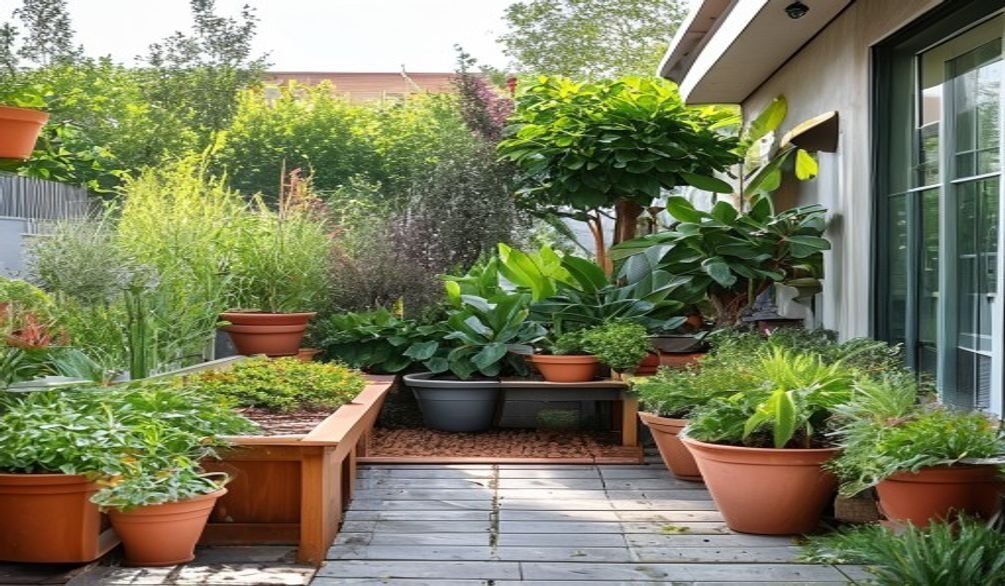
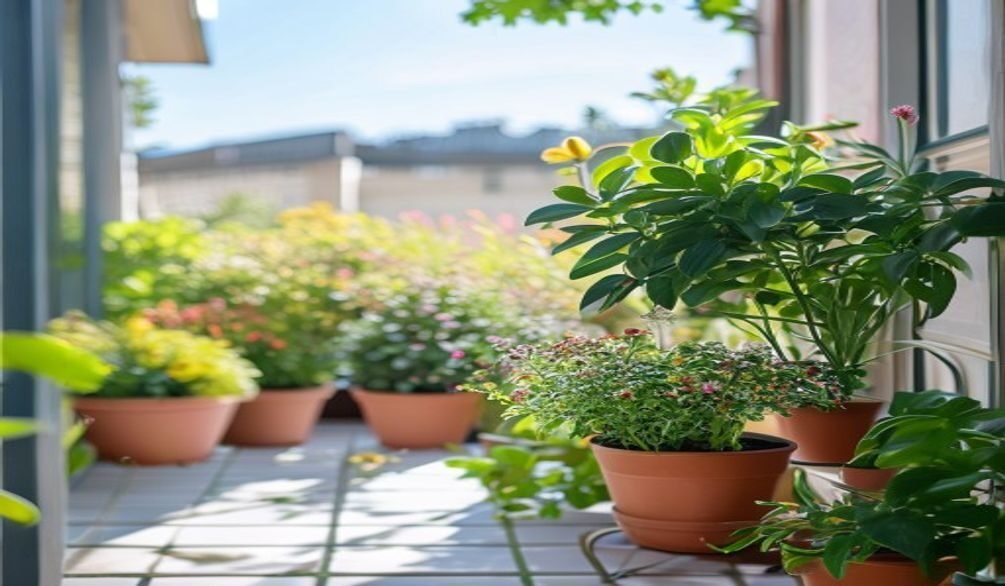
You’ll need a spot that gets plenty of sun. For vegetables and most flowering plants, think about areas that receive at least 6-8 hours of direct sunlight. If you’re in a city with scorching Indian summer heat, like Delhi, a south-facing balcony might be too intense for some plants during peak afternoon, as I learned when I lost an entire dhania crop in May 2022. I had sown directly in a pot on a south-facing balcony, and the soil hit 45°C, frying the seedlings within four days. Moving it to morning sun with afternoon shade fixed the issue on my next attempt. Consider your available space – a small balcony can still be productive with containers or even a vertical garden system like those from Greenstalk Garden.
How do you choose the right plants for beginners?
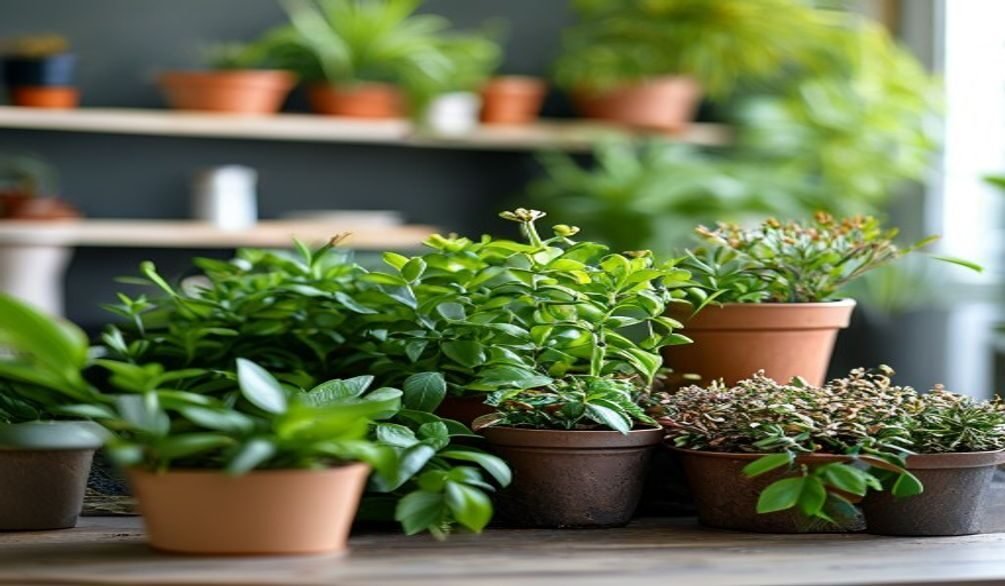
Choosing the right plants for beginners means selecting varieties known for their resilience and ease of growth, especially those suited to your local climate and space. Many new gardeners find success with plants that don’t demand constant attention or specific soil conditions, making **gardening basics for beginners** much simpler. For instance, grape tomatoes, mini bell peppers, and various herbs are often recommended as easy-to-grow edible plants, according to Bonnie Plants.
Step 2: prepare your soil
Good soil is the foundation of any thriving garden, and it’s especially critical for **gardening basics for beginners**. Don’t just grab garden soil from a construction site! You’ll want a mix that drains well but also retains moisture and nutrients. For container gardening, a good potting mix is key. I usually mix cocopeat (from brands like Cocogreen), compost, and some garden soil in a 1:1:1 ratio. This provides excellent drainage and aeration. For raised garden beds, which are popular with brands like Birdies Raised Garden Beds, you’ll want to fill them with a similar rich, well-draining blend.
Step 3: select easy-to-grow plants
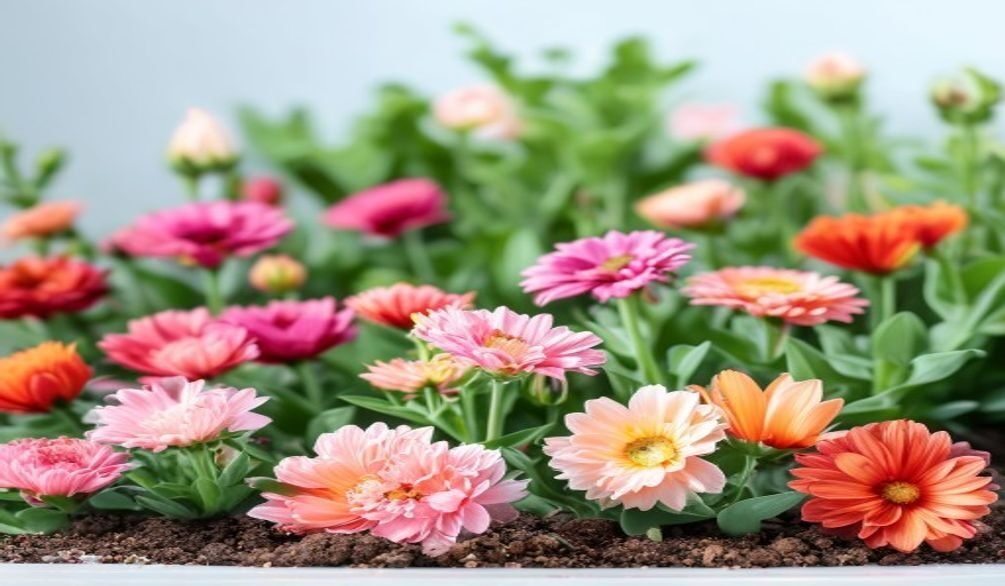
Start with plants that are known to be forgiving. For edibles, think about pudina, dhania, methi, cherry tomatoes (like Pusa Ruby), lettuce, or even bhindi. These often tolerate minor mistakes and still give you a harvest. For flowers, marigolds or vinca are incredibly hardy in Indian climates. If you’re buying seeds, remember that cooking seeds from a kirana store aren’t the same as garden seeds. A friend once tried growing methi from kirana store seeds and got only 15% germination; switching to Sarpan or Indo-American seeds boosted it to over 80%. My opinion is that most people give up on gardening after one failed crop and blame themselves — but 80% of first failures are caused by wrong pot size, wrong season, or wrong soil mix, not wrong technique. Get those three right, and almost any plant becomes easy to grow.
What are the 7 basic steps of gardening?
The 7 basic steps of gardening for beginners involve careful planning, proper soil preparation, plant selection, layout design, correct planting, consistent watering, and regular maintenance. These steps form the core of successful **gardening basics for beginners**, guiding you from an empty space to a flourishing garden.
Here’s a breakdown of the essential steps:
- Choose Your Garden Location: Identify a spot with adequate sunlight (6-8 hours for most vegetables).
- Prepare Your Soil: Amend your soil with compost or use a quality potting mix for containers.
- Select Easy-to-Grow Plants: Opt for resilient varieties suited to your climate, like pudina or lettuce.
- Plan Your Garden Layout: Decide where each plant will go, considering mature size and sun needs.
- Plant Your Seeds or Starts: Follow planting depth and spacing guidelines for successful germination.
- Water Consistently: Provide regular moisture, adjusting for weather and plant type.
- Weed and Fertilize Regularly: Keep weeds at bay and replenish soil nutrients as needed.
These steps provide a clear roadmap for anyone starting their gardening journey, helping to avoid common pitfalls.
Step 4: plan your garden layout
Even a small balcony garden needs a plan. Think about how big your plants will get. Will a tall tomato plant shade out your lettuce? Are you using pots, raised beds, or a combination? Vertical gardening systems, like those from Greenstalk Garden, are amazing for maximizing space in places like Mumbai or Bangalore where horizontal space is a luxury. Sketching it out helps visualize everything.
Step 5: plant your seeds or starts
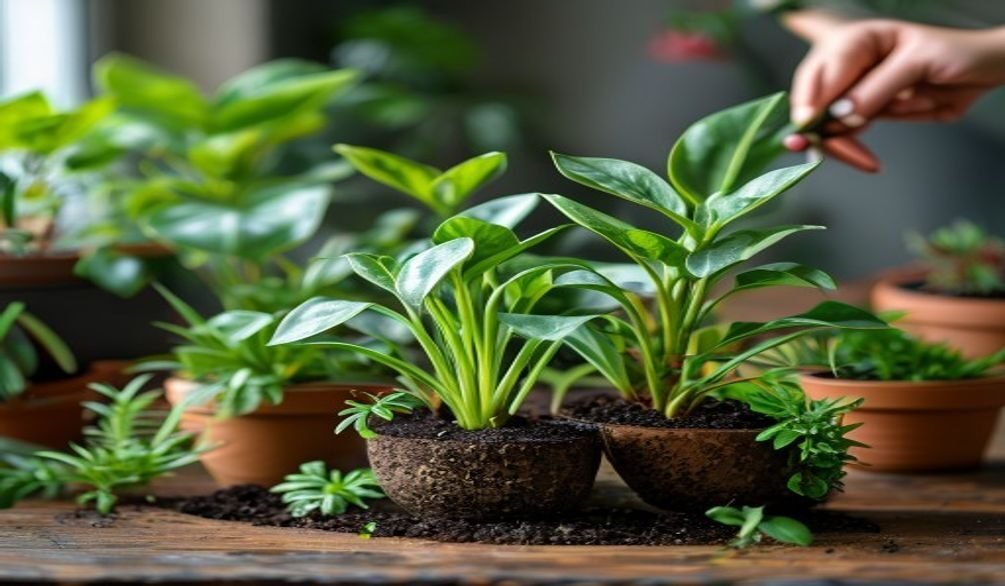
Once your soil is ready and your plan is set, it’s time to plant. If you’re using seeds, check the packet for planting depth and spacing. For young plants (starts), like those from Bonnie Plants, gently remove them from their nursery pots and place them in your prepared soil. Make sure the roots are covered and the plant is at the same depth it was in its original container. Remember to water immediately after planting to help settle the soil.
What are the 5 basics of gardening?
The 5 basics of gardening boil down to sunlight, soil, water, plant selection, and ongoing care, forming the fundamental pillars of **gardening basics for beginners**. Understanding these five elements ensures your plants have the best chance to thrive.
Let’s simplify it further for a beginner:
- Sunlight: Plants need energy from the sun. Think of it as their food source.
- Soil: This is their home and pantry, providing nutrients and a place for roots to grow.
- Water: Essential for transporting nutrients and keeping plants hydrated, just like for us.
- Right Plants: Choosing plants that like your climate and conditions is half the battle.
- Basic Care: This means regular watering, removing weeds, and occasional feeding.
Mastering these five points will set you up for success, whether you’re growing haldi in Kerala or pudina in Delhi.
How do you ensure proper watering and soil health?
Ensuring proper watering and soil health involves understanding your plants’ needs, monitoring soil moisture, and regularly replenishing nutrients. Consistent watering is crucial; 72% of container plants fail due to poor drainage or inconsistent watering, according to Penn State Extension (2023). For soil health, regularly adding compost or organic matter is key, as it improves structure and nutrient availability.
Step 6: water consistently
Watering is probably the most common challenge for new gardeners. The trick is to water deeply when the top inch or two of soil feels dry, rather than just a little bit every day. Overwatering can be just as bad as underwatering, especially in humid cities like Mumbai during the monsoon. Check the soil with your finger. If it feels dry, water until you see it drain out the bottom of the pot. Using automated watering timers, like the Rain Point Automated Watering Timer, can be a lifesaver, especially if you travel.
Step 7: weed and fertilize regularly
Weeds compete with your plants for nutrients and water, so pull them out as soon as you see them. It’s much easier when they’re small. As for fertilizing, your plants will use up the nutrients in the soil over time. A good compost tea or a balanced organic liquid fertilizer (available at local nurseries for ₹80–150) every 2-4 weeks can give them a boost. Scotts Miracle-Gro also offers various organic feeds that are readily available.
What essential tools do beginner gardeners need?
Beginner gardeners primarily need a few basic, versatile tools to get started without overspending. A hand trowel, pruning shears, gardening gloves, and a watering can are typically sufficient for most small-scale gardening projects, making **gardening basics for beginners** accessible. The Hori Hori knife, a multi-purpose tool for digging, planting, and weeding, is also highly recommended by multiple sources, like Hoselink, for its versatility.
Here’s a quick list of what you’ll actually use:
- Hand Trowel: For digging small holes for planting and transplanting.
- Pruning Shears (Secateurs): Essential for trimming, shaping, and harvesting.
- Gardening Gloves: Protect your hands from thorns, dirt, and blisters.
- Watering Can or Hose with a Gentle Nozzle: For consistent and controlled watering.
- Small Hand Cultivator or Fork: Great for loosening soil and weeding in pots.
You don’t need a shed full of fancy equipment to start. These few items will cover most of your initial needs.
How can you maintain your garden for long-term success?
Maintaining your garden for long-term success involves consistent observation, adapting to seasonal changes, and continuous learning about your specific plants and local conditions. This sustained effort builds upon the initial **gardening basics for beginners**, transforming a hobby into a rewarding lifestyle. For example, 50.2% of gardeners expect to spend more time gardening in 2026, indicating a commitment to ongoing care, according to Axiom Marketing (2025).
Here’s what I’ve found works for sustained success:
| Maintenance Aspect | Why It Matters | Beginner Tip for Success |
|---|---|---|
| Daily Observation | Catch pests or diseases early; notice watering needs. | Spend 5 minutes each morning looking at your plants. Are leaves yellow? Are there tiny holes? |
| Seasonal Adjustment | Plants have different needs in Indian summer, monsoon, and winter. | In Indian summer, water more often. In monsoon, reduce watering and check for fungal issues. |
| Pest & Disease Management | Healthy plants are more resistant; early intervention is key. | Use neem oil spray for common pests. Remove affected leaves immediately. |
| Harvesting Regularly | Encourages more production for many vegetables and herbs. | Don’t let vegetables over-ripen on the plant; pick them when ready. |
| Learning & Adapting | Every garden is unique; what works for one might not work for another. | Join local gardening groups in Bangalore or Delhi, read up, and experiment with different plant varieties. |
The key insight here is that gardening is an ongoing conversation with nature. You learn by doing, by observing, and by sometimes making mistakes. Don’t be afraid to try new things.
Frequently asked questions
What is the easiest vegetable to grow for beginners?
The easiest vegetables to grow for beginners include leafy greens like lettuce and spinach, as well as herbs like pudina (mint) and dhania (coriander). These plants often have quick growth cycles and are forgiving of minor care mistakes, according to Bonnie Plants. They also do well in containers, which is perfect for urban Indian gardeners.
What should a beginner gardener plant?
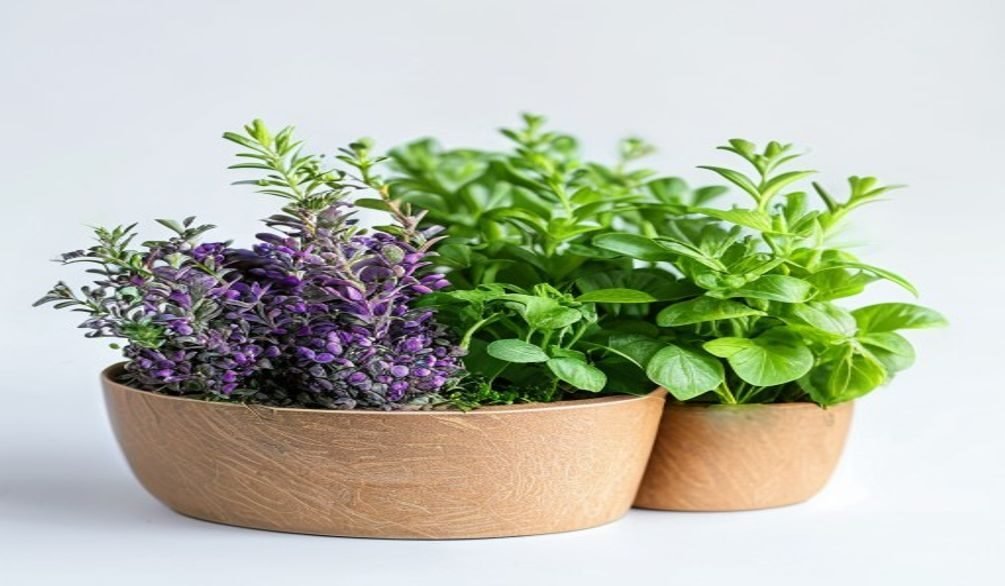
A beginner gardener should plant resilient herbs like basil and rosemary, small vegetables such as grape tomatoes and mini bell peppers, and easy flowers like marigolds or vinca. These options are known for their high success rates and adaptability, making the initial experience enjoyable, as noted by the National Gardening Association (2025). Many are available as healthy starts from local nurseries.
What are the common mistakes for first-time gardeners?
Common mistakes for first-time gardeners include overwatering or underwatering, choosing plants unsuitable for their climate, using poor soil, and neglecting sunlight requirements. For example, 72% of container plants fail due to poor drainage or inconsistent watering, according to Penn State Extension (2023). Getting the basics right is crucial for success.
How much sun do most vegetables need?
Most vegetables need at least 6 to 8 hours of direct sunlight per day to thrive and produce a good harvest. Plants like tomatoes, peppers, and bhindi are particularly sun-hungry, according to Scotts Miracle-Gro. If your spot gets less sun, focus on leafy greens like lettuce or spinach, which can tolerate partial shade.
Is gardening expensive to start?
Gardening doesn’t have to be expensive to start; you can begin with minimal investment using recycled containers, free compost, and inexpensive seeds. While the global LED grow light market was valued at $4.67 billion in 2025, a beginner can easily start with basic tools and sunlight, keeping initial costs low. Many local nurseries offer seeds for ₹10-₹30 per packet.
Mastering **gardening basics for beginners** isn’t about having a green thumb; it’s about understanding a few fundamental principles and applying them consistently. Remember to pick a sunny spot, prepare your soil well, choose easy-to-grow plants suited to your climate, water mindfully, and keep an eye on your garden regularly. You’ve got this! Start small, learn from each plant, and soon you’ll be enjoying fresh harvests from your own balcony or terrace garden. Happy gardening!