
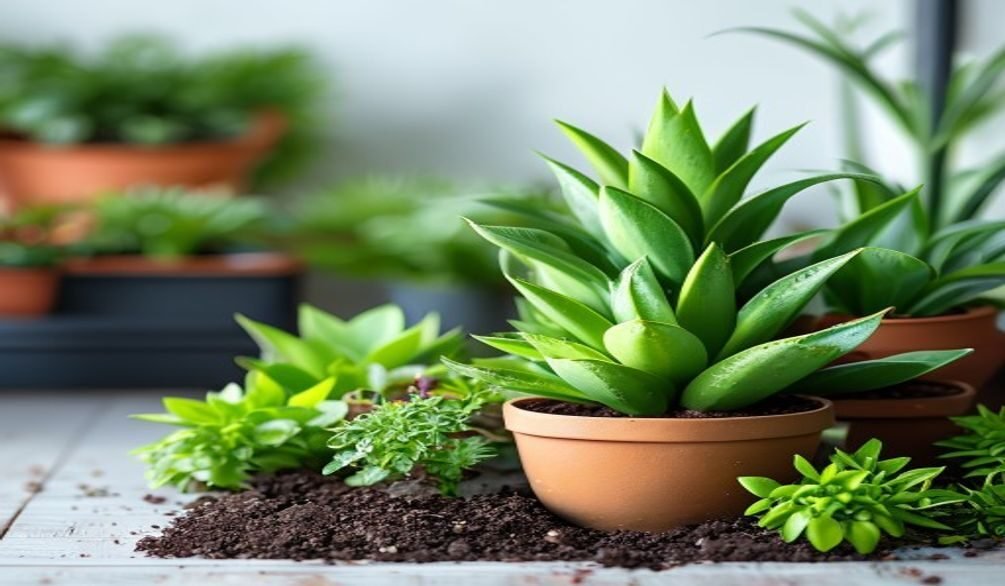
Key Takeaways
- Over 43% of Americans are growing some kind of food at home, according to Axiom (2025).
- 55% of American households are engaged in gardening activities, translating to 71.5 million gardening households, according to Axiom (2025).
- Cherry tomatoes like Pusa Ruby and hardy herbs like pudina are excellent choices for beginner gardeners.
- Compost and well-aged manure are crucial for improving soil drainage and nutrient retention.
- Essential gardening tools for beginners include a hand trowel, hand fork, and protective gloves.
Most Mumbai balcony gardeners lose their pudina plants every May – not from overwatering, but from the scorching 40°C+ heat before the monsoon arrives. If you’ve faced similar struggles or just don’t know where to begin, don’t worry, mastering the gardening basics for beginners is totally achievable. This guide will walk you through 10 simple steps to get your green thumb glowing, making sure your plants thrive even in challenging Indian conditions.
Quick Answer: Starting a garden involves choosing a sunny location, preparing nutrient-rich soil with compost, selecting easy-to-grow plants, establishing a consistent watering routine, and investing in basic tools like a trowel and gloves.
What are the first steps to starting a garden?
The first steps to starting a garden involve assessing your space, understanding your climate, and deciding what you want to grow. Over 43% of Americans are now growing some kind of food at home, a significant increase from previous years, according to Axiom (2025). This shows a growing interest in home gardening, and your first step is to figure out your personal goals.
You’ll want to think about how much sunlight your potential garden spot gets. Is it a south-facing balcony in Delhi, baking in the summer sun, or a shadier spot in Bangalore? This dictates what plants will thrive. Also, consider the size of your space; a small balcony might mean container gardening, while a terrace could allow for raised beds. Don’t forget, these initial considerations are crucial for successful gardening basics for beginners.
- Observe Sunlight: Track how many hours of direct sunlight your chosen spot receives daily. Most vegetables need at least 6-8 hours.
- Assess Space: Determine if you’re working with a small balcony, a terrace, or a patch of ground. This impacts container size and garden layout.
- Define Goals: What do you want to grow? Fresh dhania for your kitchen? Colorful marigolds? Decide early on to guide your plant choices.
How do i start a garden from scratch for beginners?
Starting a garden from scratch for beginners involves a clear plan, beginning with site preparation and understanding your soil. 55% of American households are engaged in gardening activities, which translates to 71.5 million gardening households, according to Axiom (2025), so you’re joining a huge community! Don’t let the idea of “scratch” overwhelm you; it’s about building a solid foundation.
You’ll need to clear your chosen area, whether it’s removing weeds from a patch of ground or simply cleaning out old pots. Then, focus on enriching your soil – this is non-negotiable for success. For me, when starting a new terrace garden in Pune, I always spend extra time on this phase. I’ve seen too many new gardeners rush it, only to have their plants struggle later. This foundational work is key to making gardening basics for beginners less intimidating.
Garden planning for beginners
Effective garden planning for beginners means sketching out your layout and understanding what grows well together. It’s like designing a small ecosystem, really. Consider companion planting – for example, planting tulsi near tomatoes can deter pests, and it’s a practice many experienced Indian gardeners swear by.
You don’t need fancy software; a simple drawing on paper works perfectly. Think about plant heights, sun exposure, and how you’ll access your plants for watering and harvesting. This initial planning helps prevent overcrowding and ensures each plant gets its fair share of resources.
Container gardening basics
Container gardening basics are perfect for urban spaces, offering flexibility and control over soil conditions. If you’re in a city like Mumbai or Bangalore, containers are probably your best bet. My own balcony garden in Bangalore relies entirely on containers, and it’s taught me a lot.
Here’s what I noticed after trying this myself: I bought a “grow bag” online advertised as 15 litres — it held only 9 litres when filled properly because the sides were too thin to stand upright. I wasted an entire season of tomatoes because the root volume was not enough. Now I only buy grow bags from physical nurseries where I can check the material thickness and ensure I’m getting what I pay for. This simple check can save you a lot of heartache and wasted effort when diving into gardening basics for beginners.
What are the basics of gardening?
The basics of gardening revolve around understanding your plants’ fundamental needs: sunlight, water, nutrients, and protection. Gertrude Jekyll, an influential 20th-century garden designer, famously said, “The love of gardening is a seed that once sown never dies.” This love grows when you see your efforts rewarded, and that comes from mastering these core elements.
It’s not just about planting a seed and hoping for the best. You’re creating an environment where life can flourish. This means consistent care and observation. Are the leaves turning yellow? Is the soil too dry? These are the questions you’ll learn to answer as you get more comfortable with gardening basics for beginners.
| Basic Need | Why It Matters | Beginner Tip |
|---|---|---|
| Sunlight | Fuels photosynthesis for plant growth. | Aim for 6-8 hours of direct sun for most vegetables. |
| Water | Transports nutrients; keeps plants hydrated. | Check soil moisture before watering; don’t overwater. |
| Nutrients | Essential for strong growth and yields. | Amend soil with compost; use organic fertilizers sparingly. |
| Protection | Shields plants from pests, diseases, and extreme weather. | Regularly inspect plants; use neem oil for pests. |
Choosing the right location for your beginner garden
Choosing the right location for your beginner garden is paramount, as it directly impacts sunlight exposure and protection from harsh elements. You might have heard that “more sun is always better” for vegetables. In practice, this isn’t always true for every Indian climate — a south-facing terrace in Delhi needs shade cloth in summer, while a north-facing balcony in Bangalore might struggle to get enough light for fruiting plants. What actually works instead is understanding the *quality* and *intensity* of your specific sunlight.
Think about your local climate. Does your city experience intense Indian summer heat, like Jaipur, or is it milder, like Ooty? Your location will determine everything from plant selection to watering frequency. A spot near a wall might offer some morning shade, which can be a lifesaver for tender plants during peak afternoon sun.
Sunlight requirements
Understanding sunlight requirements is crucial for plant health and productivity. Most fruiting vegetables, like lal mirch or bhindi, need at least 6-8 hours of direct sunlight daily to produce well. Leafy greens, like palak or methi, can often tolerate 4-6 hours.
Observe your space throughout the day. Does a building cast a shadow in the afternoon? Does a tree block the morning sun? This detailed observation will inform your plant choices and layout, making your gardening basics for beginners journey much smoother.
Preparing your soil for success
Preparing your soil for success is arguably the most important step in establishing a healthy garden, as good soil provides the foundation for strong plant growth. Compost and well-aged manure are frequently recommended to improve soil drainage and nutrient retention, according to countless gardening experts. It’s the lifeblood of your garden.
A common mistake I’ve seen beginners make is underestimating the importance of good soil. They’ll buy cheap, sandy soil from a local vendor, plant their seeds, and then wonder why nothing grows. Good soil isn’t just dirt; it’s a living ecosystem. For more in-depth guidance, check out our post on prep soil vegetable garden: 5 simple steps for success.
Soil preparation for gardening
Proper soil preparation for gardening involves enriching it with organic matter to create a hospitable environment for roots. This means adding compost, vermicompost, or well-rotted cow dung, which you can often find at your local nursery or even from a sabziwala.
In my 10 years of experience, especially with Indian soil conditions, I’ve learned that drainage is key. I tested cocopeat from three different brands in 2023 — COCO COIR, Royal, and a local loose brand from the nursery. The loose brand had salt residue that burned my seedling roots! I had to wash it 4 times before it was safe to use. Branded cocopeat, though it costs ₹80–120 more per block, truly saves a ruined batch of seedlings. Don’t skimp on this part of your gardening basics for beginners.
Selecting easy-to-grow plants for beginners
Selecting easy-to-grow plants for beginners is smart, but remember that “easy” is relative to your specific balcony conditions and climate. Everyone tells beginners to start with easy plants — but easy is relative to your specific balcony conditions. A north-facing balcony in Bangalore and a south-facing terrace in Delhi need completely different starter plants. Location matters more than a generic difficulty rating. For instance, cherry tomatoes like Pusa Ruby work better in containers on a sunny balcony than a large indeterminate variety.
Hardy herbs like rosemary and thyme, vegetables like lettuce and radishes, and flowers like geraniums are generally recommended for beginners due to their tolerance for mistakes and quick results. Tomatoes are the most popular homegrown vegetable, found in 86% of food gardens, so they’re a great goal, but start with the right variety, according to Axiom (2025).
Easy garden plants
For your first time gardener experience, focusing on easy garden plants will build your confidence. These plants tend to be forgiving of inconsistent watering or less-than-perfect soil.
Some of my personal favorites for Indian climates include:
- Pudina (Mint): Grows vigorously, even in partial shade. Just keep it in its own pot, or it’ll take over!
- Dhania (Coriander): Quick to grow from seed, though it bolts in extreme heat. Plant in cooler months.
- Radishes: Ready to harvest in just 3-4 weeks. Super satisfying for beginners.
- Cherry Tomatoes (e.g., Pusa Ruby): Smaller plants, higher yield potential in containers.
- Bhindi (Okra): Loves the heat, so perfect for Indian summers.
Essential tools and budgeting for new gardeners
Essential tools and budgeting for new gardeners don’t have to break the bank; you can start with just a few key items. 49.5% of gardeners spent more money on gardening in 2025, an 11.5% increase from 2024, according to Axiom (2025), but you can absolutely keep costs low initially. You don’t need a shed full of gadgets to get started with gardening basics for beginners.
Focus on quality over quantity for the tools you do buy. A good hand trowel will last you years, while a cheap one might bend on the first tough patch of soil. Look for brands like A.M. Leonard or Felco for pruning shears later on, but for now, basic tools will do.
Basic gardening tools
Basic gardening tools are your best friends when starting out. You really only need a few to handle most tasks.
Here’s a simple list to get you started:
- Hand Trowel: For planting seedlings and digging small holes. Available at nurseries for ₹80–150.
- Hand Fork: Great for loosening soil, mixing in compost, and weeding.
- Gardening Gloves: Protect your hands from thorns, soil, and potential irritants.
- Watering Can or Hose with a gentle nozzle: For consistent and controlled watering.
- Small Pruning Shears: For light trimming and harvesting herbs. Look for brands like Falcon or a good local option for around ₹200-₹400.
Watering and basic maintenance tips
Watering and basic maintenance tips are crucial for keeping your plants healthy and productive. Consistent watering is paramount, as both overwatering and underwatering can harm your plants. During the Indian summer heat, especially in places like Delhi where temperatures soar above 40°C, you might need to water twice a day – once in the early morning and again in the late evening.
But here’s a quick tip: Always check the soil moisture with your finger about an inch deep before watering. If it feels dry, water. If it’s still damp, wait. This simple trick prevents root rot, a common killer for beginner plants.
Watering your garden
Watering your garden effectively means understanding when and how much water your plants need, which varies significantly by season and plant type. Drip irrigation systems and soaker hoses are suggested for efficient and consistent watering, especially for beginners, but a watering can or hose works just fine for a small garden.
During the monsoon, you’ll need to drastically reduce watering, sometimes even stopping entirely for a few days, especially if your pots are exposed to heavy rain. I’ve lost more plants to monsoon overwatering than any other issue in Mumbai. The key is to remember that drainage holes are your friends!
Simple gardening guide to maintenance
A simple gardening guide to maintenance involves regular observation, light pruning, and keeping an eye out for pests. Just spending a few minutes each day looking at your plants can tell you a lot. Are there any yellowing leaves? Are there tiny holes appearing on the bhindi leaves?
Regularly removing dead or yellowing leaves helps the plant direct energy to new growth. For pests, start with simple organic solutions like a neem oil spray, which is readily available at most Indian nurseries or online on Ugaoo. This proactive approach is fundamental to gardening basics for beginners.
Frequently asked questions
What are the 10 steps to start a garden?
The 10 steps to start a garden include choosing a location, preparing soil, selecting plants, getting tools, planning layout, planting, watering, fertilizing, pest management, and harvesting. Over 43% of Americans are now growing some kind of food at home, according to Axiom (2025), showing the widespread appeal of this process. Following these steps helps ensure a successful start to your gardening journey.
What are the basics of gardening?
The basics of gardening encompass understanding sunlight needs, providing adequate water and nutrients, protecting plants from pests and diseases, and selecting appropriate plants for your climate. Marcus Bridgewater, a recognized gardening influencer, emphasizes nurturing your garden and yourself. These core principles are essential for sustainable growth.
What are the first steps to starting a garden?
The first steps to starting a garden involve assessing your available space and sunlight, deciding what you want to grow, and preparing your soil with nutrient-rich amendments like compost. 55% of American households engage in gardening, according to Axiom (2025), highlighting the commonality of these initial efforts. Begin by observing your environment and setting clear goals.
How do i start a garden from scratch for beginners?
To start a garden from scratch for beginners, begin by clearing your chosen area, enriching the soil with organic matter, and then selecting easy-to-grow plants suitable for your local climate. My personal experience with grow bags taught me to always check material thickness at physical nurseries to ensure adequate root volume. This hands-on approach builds a strong foundation for new gardeners.
Mastering the gardening basics for beginners is an incredibly rewarding journey that brings fresh produce and beautiful blooms right to your home. You’ve learned how to choose the right spot, prepare your soil, select resilient plants, and maintain them with consistent care. Remember, every expert gardener started somewhere, often with a few failed plants along the way. So, don’t be afraid to get your hands dirty and begin cultivating your own little patch of green today. Your efforts will pay off!







