Key Takeaways
- Total spending on gardening reached an all-time high of $79.0 billion in 2025, according to industry reports (2025).
- 47.6% of gardeners spent more time gardening in 2025, marking the highest level since 2022.
- 63.6% of gardeners plan to plant more and expand their gardens in 2026.
- Cherry tomatoes are a great option for small spaces, with tomatoes being the most popular homegrown vegetable, found in 86% of food gardens.
- Liquid fertilizers like diluted jeevamrit offer faster, more controllable nutrient delivery for container gardens, as opposed to slow-release organic options.
Most Mumbai balcony gardeners lose their pudina plants every May — not from pests, but from the scorching 40°C heat before the monsoon arrives. If you’ve ever felt that frustration, you’re not alone, and this guide to gardening basics for beginners is designed to help you succeed, even with India’s challenging climate. We’ll cover the simplest ways to get started today, ensuring your plants thrive from the get-go.
Quick Answer: Starting a garden today is easy by focusing on sunlight, good soil, and consistent water. Begin small with easy-to-grow plants in containers or a small bed, and don’t be afraid to learn as you go.
What are the first steps to starting a garden?
The very first steps to starting a garden involve picking the right spot, understanding your sunlight, and deciding what you want to grow. In 2025, 47.6% of gardeners spent more time gardening, showing a growing interest in getting hands-on. So, let’s make sure your initial efforts count!
First off, observe your space. Does your balcony get morning sun and afternoon shade, or is it baking in direct light all day? This is crucial for successful gardening basics for beginners. A spot with at least 6 hours of direct sunlight is ideal for most vegetables and flowering plants. If you have less, don’t worry – you can still grow leafy greens like palak or pudina.
Next, think about what excites you. Do you dream of fresh dhania for your curries, or vibrant marigolds to brighten your home? Start small, maybe with just 2-3 pots. This approach makes beginning your gardening journey less overwhelming and much more enjoyable.
How do you start a garden for beginners?
Starting a garden for beginners involves focusing on simplicity and learning as you go, rather than aiming for perfection. The truth is, 63.6% of gardeners plan to expand their gardens in 2026, which means most people start small and build up. You’ll want to choose easy-to-grow plants, use good quality potting mix, and establish a consistent watering routine.
Here’s a quick breakdown of how to kick things off:
- Choose Your Location: Find a spot with adequate sunlight – usually 6+ hours for fruiting plants, less for leafy greens.
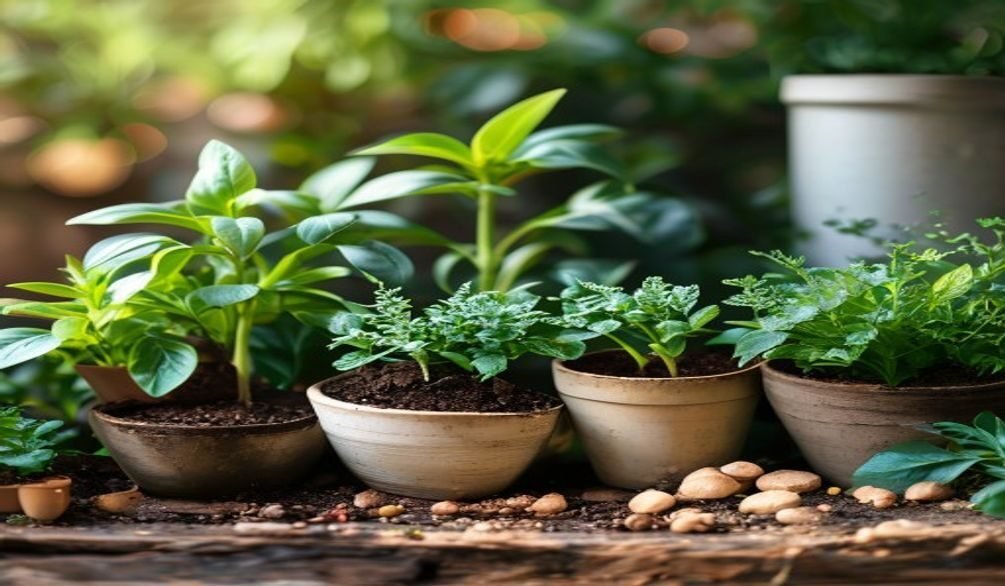
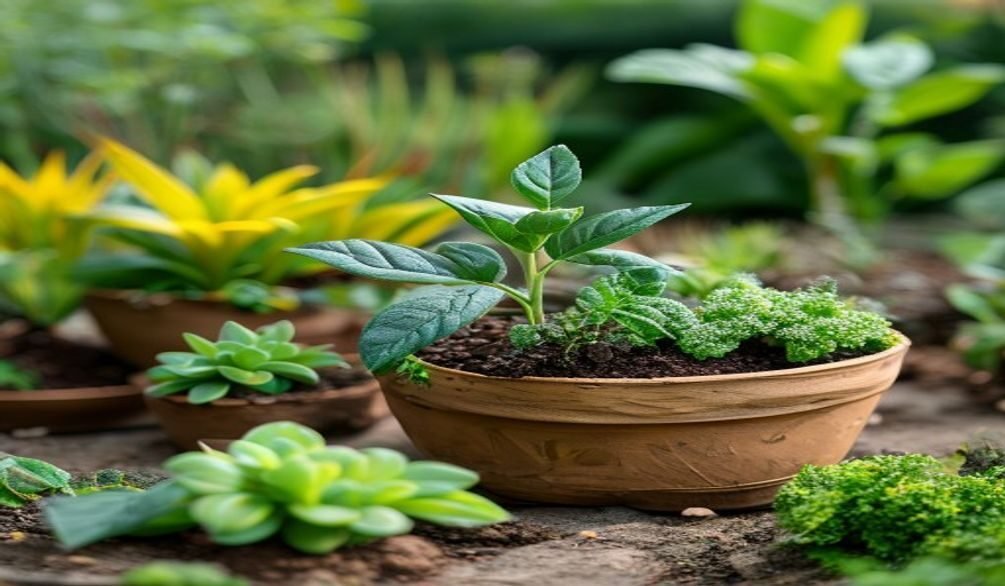
- Select Containers or a Small Bed: For balcony and terrace gardens, terracotta pots or grow bags (available for ₹50-₹200 at local nurseries) work wonders. My neighbour struggled with tomatoes in black plastic pots on her Mumbai terrace for two summers, getting nothing. Switching to terracotta, with the same soil, gave her a harvest in 8 weeks. Black plastic can heat up to 55°C in direct sun, silently cooking roots!
- Get Good Soil: Don’t just use garden soil. A well-draining potting mix is key for containers.
- Pick Easy Plants: Start with resilient options like pudina, dhania, radishes, or even cherry tomatoes.
- Water Consistently: Feel the soil; if the top inch is dry, it’s time to water.
These steps lay a solid foundation for your gardening basics for beginners adventure.
What are the 7 basic steps of gardening?
The 7 basic steps of gardening provide a clear roadmap for anyone looking to cultivate a green space, ensuring a structured approach from planning to harvest. These foundational steps help you manage your garden effectively, and they are universally applicable whether you’re tending to a small balcony setup or a larger plot.
Let’s break them down:
- Site Selection: Evaluate your space for sunlight, wind exposure, and access to water.
- Soil Preparation: For containers, use a good potting mix. For beds, amend existing soil with compost.
- Plant Selection: Choose plants suitable for your climate and experience level.
- Planting: Sow seeds or transplant seedlings carefully, following spacing guidelines.
- Watering: Establish a regular watering schedule based on plant needs and climate.
- Feeding: Provide nutrients through fertilizers, especially for container plants.
- Pest & Disease Management: Monitor plants and address issues promptly using organic methods where possible.
Following these steps helps streamline your efforts, making the process of learning gardening basics for beginners much more manageable and rewarding. It’s about creating a sustainable system for your plants.
Choosing the right plants for your beginner garden
Choosing the right plants for your beginner garden is paramount to early success, as some varieties are far more forgiving than others. Tomatoes are the most popular homegrown vegetable, found in 86% of food gardens, according to industry data, making them a great starting point. But not all tomatoes are created equal for beginners!
For those starting with gardening basics for beginners, I always recommend plants that are robust and have a quick turnaround time. This gives you confidence and a tangible reward for your efforts.
Here are some top picks for Indian conditions:
- Pudina (Mint): Grows easily from cuttings, spreads quickly, and doesn’t demand much sun. Perfect for a small pot.
- Dhania (Coriander): Loves cooler weather; plant in post-monsoon or early winter. Quick to germinate, but needs regular harvesting to prevent bolting.
- Radishes: Super fast! You can harvest them in as little as 3-4 weeks. Great for seeing quick results.
- Cherry Tomatoes (e.g., Pusa Ruby): Smaller varieties do exceptionally well in pots compared to large beefsteak types. They are prolific bearers.
- Bhindi (Okra): A sun-lover that thrives in Indian summer, just make sure to keep it well-watered.
- Tulsi (Holy Basil): A must-have for every Indian home. Easy to grow from seed or small plants, and incredibly resilient.
Remember, start with a couple of these. Don’t try to grow everything at once. Small wins build big confidence!
Understanding soil and watering for gardening basics
Understanding soil and watering is foundational for successful gardening basics for beginners, as these two elements directly impact plant health more than almost anything else. Poor drainage is a common killer for container plants, and overwatering is often more detrimental than underwatering.
When it comes to soil, for container gardening – which is what most urban Indian gardeners do – a good potting mix is non-negotiable. Don’t just scoop up garden soil; it compacts easily and lacks aeration. Look for a mix that includes cocopeat (like Cocogreen or local brands), vermicompost, and perlite or sand for drainage. This blend ensures roots can breathe and water drains effectively, preventing root rot.
For watering, the “finger test” is your best friend. Stick your finger about an inch or two into the soil. If it feels dry, it’s time to water. If it’s still damp, wait. In my experience, I lost my entire coriander crop in May 2022 because I sowed directly in a pot kept on a south-facing balcony during peak summer. The soil hit 45°C by afternoon and the seedlings fried within 4 days. Moving it to morning sun only with afternoon shade and consistent watering got me a full harvest on the next attempt. This taught me that even with good soil, the right watering frequency and sun exposure for the climate are key.
You might have heard that organic fertilizers are always better. In practice, for small container gardens, the soil volume in a 12-inch pot is often too small for slow-release organic nutrients to work the way they do in ground soil. Liquid fertilizers like diluted jeevamrit or seaweed extract work faster and are easier to control in pots, providing nutrients exactly when your plants need them.
Essential tools for starting your garden easily
Starting your garden easily doesn’t require a huge investment in fancy equipment; a few essential tools are all you really need to master the gardening basics for beginners. You don’t need to spend thousands of rupees on specialized gear when you’re just starting out.
Here’s a simple list of what you’ll actually use:
- Hand Trowel: Essential for digging small holes for planting, mixing soil, and transplanting seedlings. A good quality metal one (₹100-₹250) will last years.
- Gardening Gloves: Protect your hands from soil, thorns, and pests. Simple cotton or rubberized gloves (₹50-₹150) are fine.
- Watering Can or Sprayer: For gentle, controlled watering, especially for seedlings. A 5-liter can is usually enough for a balcony garden (₹150-₹300).
- Pruning Shears/Scissors: For harvesting herbs, trimming dead leaves, or light pruning. Any sharp pair of scissors will do for a small garden.
- Small Rake/Cultivator: Helps loosen soil and remove small weeds in pots.
These tools are widely available at local nurseries or online stores like Ugaoo and Nurserylive. Investing in these basics ensures you have what you need without overspending, letting you focus on the joy of growing.
Troubleshooting common beginner gardening problems
Troubleshooting common beginner gardening problems is a natural part of the learning process, and understanding these issues early on can prevent discouragement. Every gardener, including me, faces challenges – it’s how we learn! This is crucial for anyone diving into gardening basics for beginners.
Here’s a table outlining common issues and their solutions:
| Problem | Likely Cause | Simple Fix |
|---|---|---|
| Yellowing Leaves | Overwatering, nutrient deficiency, or lack of sunlight. | Check soil moisture, apply liquid fertilizer, ensure adequate sun. |
| Wilting Plants | Underwatering, excessive heat, or root rot. | Water thoroughly (if dry), provide afternoon shade, check drainage. |
| Slow Growth | Poor soil quality, insufficient light, or lack of nutrients. | Amend soil with compost, move to sunnier spot, feed regularly. |
| Pests (Aphids, Mealybugs) | Often appear on new growth or stressed plants. | Spray with neem oil solution (available for ₹200-₹400), manually remove. |
| No Flowers/Fruit | Lack of pollination, insufficient light, or nutrient imbalance. | Hand-pollinate, ensure 6+ hours of sun, use bloom-boosting fertilizer. |
One common mistake I see is gardeners panicking and over-correcting, like watering more when leaves are yellowing from overwatering. Always diagnose the problem first. For instance, if your dhania is wilting in the scorching Delhi summer, it’s probably the heat and not lack of water. Move it to a cooler spot with morning sun and afternoon shade, and it usually perks right up. You can also refer to guides on preventing plant diseases for more specific advice.
Expanding your garden: next steps for enthusiasts
Once you’ve mastered the initial gardening basics for beginners and enjoyed some successful harvests, you’ll naturally feel the urge to expand your green space. This enthusiasm is common, with 50.2% of gardeners expecting to spend more time gardening in 2026. This next phase is about building on your successes and trying new things.
Consider these options when you’re ready to grow:
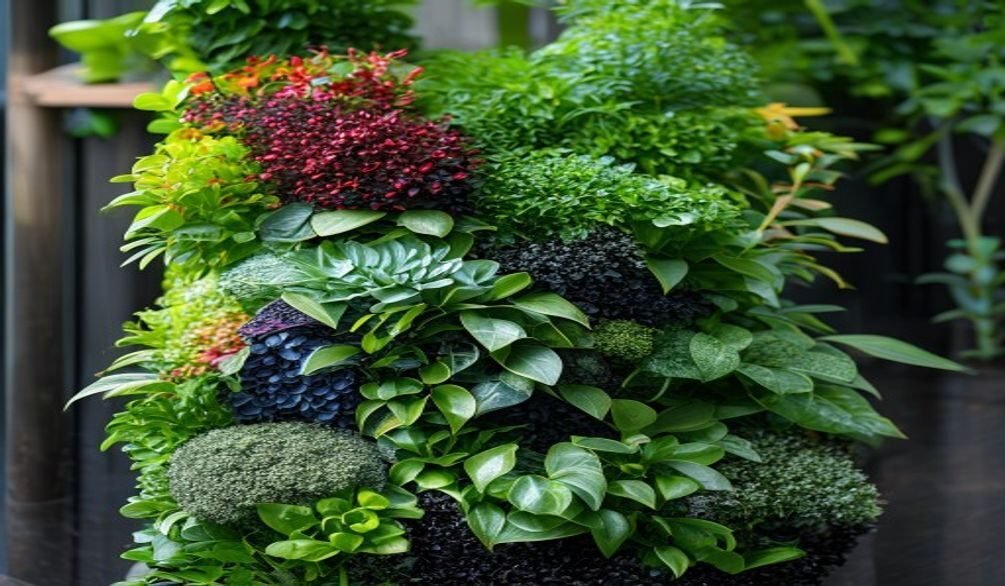
- Vertical Gardening: If space is a constraint, especially in cities like Bangalore or Pune, vertical setups are fantastic. You can grow more plants in a smaller footprint. Check out vertical gardening ideas for inspiration.
- Composting: Start a small compost bin for your kitchen scraps. This creates nutrient-rich soil amendments and reduces waste.
- Experiment with New Plants: Try slightly more challenging vegetables like bell peppers, eggplants, or even some fruit-bearing plants in larger containers.
- Seed Saving: Once you grow open-pollinated varieties, you can start saving seeds from your best plants for the next season. Melissa K. Norris of “Pioneering Today” recommends buying heirloom seeds from quality suppliers to ensure good genetics for saving.
- Drip Irrigation: For larger terrace gardens, a simple DIY drip irrigation system can save a lot of time and water, ensuring consistent moisture for your plants, as highlighted by Handmade Farmhouse.
Expanding your garden is a continuous learning journey. Each new plant or technique brings fresh challenges and rewards, deepening your connection to nature.
Frequently asked questions
What are the 5 basics of gardening?
The 5 basics of gardening are sunlight, soil, water, nutrients, and pest management. Focusing on these core elements ensures your plants have the fundamental conditions needed to thrive. Total spending on gardening reached an all-time high of $79.0 billion in 2025, according to industry reports, indicating the significant investment people make in these basics. Mastering these aspects will give you a solid foundation for any gardening endeavor.
What are the first steps to starting a small garden?
The first steps to starting a small garden involve choosing a suitable location with adequate sunlight, selecting appropriate containers or a small bed, and picking easy-to-grow plants. For instance, in Mumbai, a north-facing balcony might be ideal for leafy greens like palak, while a west-facing one needs afternoon shade for most vegetables. Starting small helps build confidence without feeling overwhelmed.
What is the easiest way to start a vegetable garden for beginners?
The easiest way to start a vegetable garden for beginners is by using containers and focusing on resilient, quick-growing plants like radishes, pudina, or cherry tomatoes. This method minimizes soil preparation and allows for flexibility in placement, crucial for urban gardeners. Radishes can be harvested in just 3-4 weeks, providing fast gratification for new gardeners.
How do you start a garden at home for beginners?
To start a garden at home for beginners, begin by assessing your available light, choosing small pots or grow bags, and investing in a good quality potting mix. Then, plant seeds or small saplings of easy-to-grow herbs or vegetables. This simple setup avoids the complexities of ground gardening and is perfect for balconies or windowsills.
What are some beginner gardening tips?
Some key beginner gardening tips include starting small, choosing plants suited to your local climate, using well-draining soil, and learning to water based on soil moisture rather than a strict schedule. Remember that 49.5% of gardeners spent more money gardening in 2025, an 11.5% increase from 2024, showing the value placed on getting the right supplies from the start. Don’t be afraid to make mistakes; they’re your best teachers.
Starting your journey with gardening basics for beginners doesn’t have to be complicated. By focusing on sunlight, good soil, consistent watering, and choosing easy plants, you’ll be well on your way to enjoying fresh produce and beautiful blooms from your own space. Remember, even experienced gardeners like me started small, often with a few pots of dhania or tulsi. So, pick a spot, get your hands dirty, and let the magic begin – your green thumb is waiting to emerge!