Key Takeaways
- 47.6% of gardeners spent more time gardening in 2025, according to Axiom (2025).
- 55% of American households engage in gardening, totaling 71.5 million gardening households, according to Axiom (2025).
- Good soil drainage is crucial; 72% of container plants fail due to poor drainage, according to Penn State Extension (2023).
- The global garden seeds market is projected to reach nearly $5.4 billion by 2035, up from $3.7 billion in 2025.
- Consistent watering is key, especially during pre-monsoon heat, but overwatering can be as damaging as underwatering.
Most Mumbai balcony gardeners lose their tomato plants every May — not from pests, but from the brutal 40°C pre-monsoon heat. It’s frustrating when you put in all that effort, only for your plants to wilt away, but with the right gardening tips for beginners, you can avoid these common pitfalls and enjoy a thriving green space. This guide will walk you through proven methods to ensure your plants are healthy and happy, even in challenging Indian conditions.
Quick Answer: For healthy plants, ensure adequate sunlight, consistent watering without overdoing it, nutrient-rich soil, regular pruning, and effective protection against common pests and diseases.
What are the basic steps in gardening?
Starting a garden involves several key steps that build on each other, ensuring a solid foundation for your plants. A significant 47.6% of gardeners spent more time gardening in 2025, showing a growing interest in nurturing plants, according to Axiom (2025). These fundamental steps apply whether you’re planning a small balcony garden or a larger terrace setup.
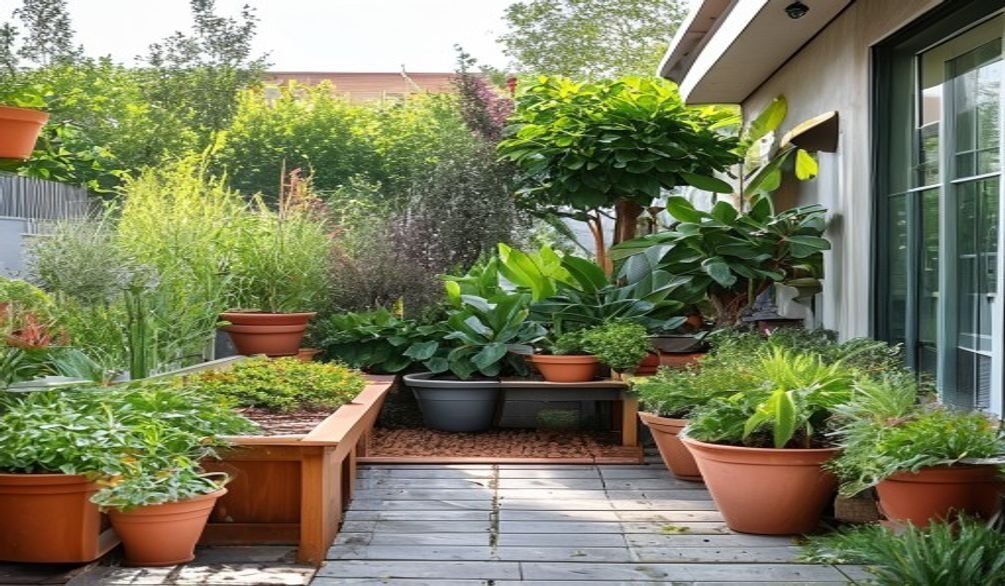
First, you’ll want to plan your garden layout. Consider how much sunlight your space gets throughout the day. Then, choose the right plants for those conditions. My north-facing balcony in Bangalore can only handle shade-loving plants like tulsi or leafy greens, unlike a south-facing terrace in Delhi that soaks up sun all day.
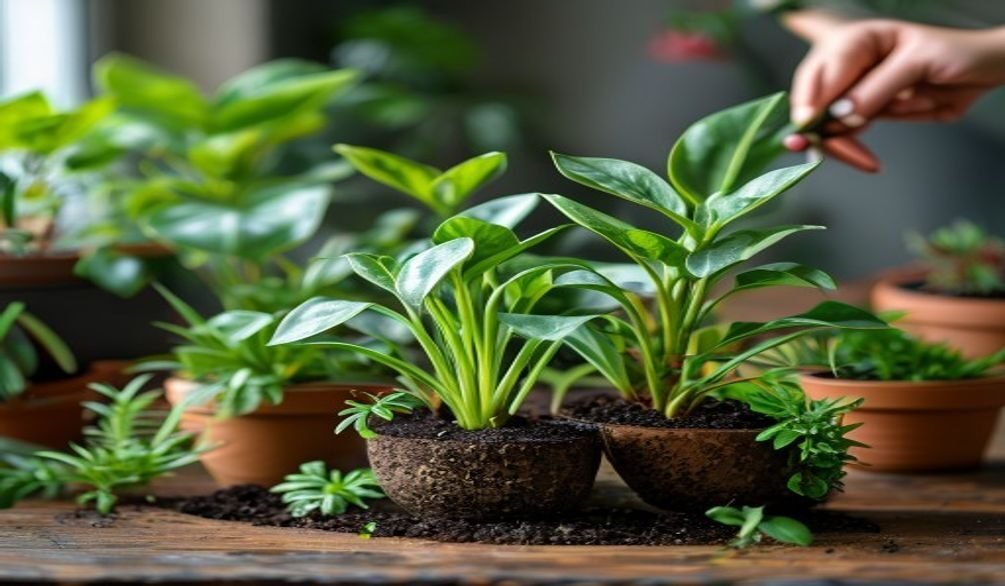
Next, you need to prepare your soil. This is crucial for healthy root development and nutrient uptake. After that, it’s time to plant your chosen seeds or saplings. Don’t forget consistent watering and regular feeding. Finally, keep an eye out for pests and diseases, and prune as needed to encourage growth. These gardening tips for beginners are your roadmap to success.
What are the 5 basic things a plant needs to grow?
For a plant to thrive, it fundamentally needs sunlight, water, nutrient-rich soil, air, and proper temperature. These basic plant needs are non-negotiable for healthy growth, much like how we need food, water, and shelter.
Here’s a quick breakdown of these essentials:
- Sunlight: This is energy. Plants use photosynthesis to convert light into food. Most vegetables like bhindi or lal mirch need at least 6-8 hours of direct sun daily.
- Water: It transports nutrients and keeps plants hydrated. Too little, and they wilt; too much, and roots can rot. It’s a delicate balance, especially during monsoon season in Mumbai.
- Nutrient-Rich Soil: The soil provides a stable anchor and essential nutrients. Think of it as your plant’s pantry. Enriching organic garden soil is vital for long-term health.
- Air: Specifically, carbon dioxide for photosynthesis and oxygen for root respiration. Good air circulation prevents fungal diseases, too.
- Proper Temperature: Every plant has an ideal temperature range. Extreme heat, like the Indian summer heat of 40°C+, or cold can stress plants and hinder growth.
Understanding these basics is one of the most important gardening tips for beginners.
How do you choose the right plants for your garden?
Choosing the right plants means matching their needs to your specific growing conditions, not just picking what looks pretty. You might have heard beginners should always start with “easy” plants. In practice, “easy” is relative to your specific balcony conditions — a north-facing balcony in Bangalore and a south-facing terrace in Delhi need completely different starter plants. Location matters more than a generic difficulty rating.
Consider these factors:
- Sunlight Availability: Observe your garden space. Does it get full sun (6+ hours), partial sun (3-6 hours), or shade (less than 3 hours)? Proven Winners, for example, trials and tests plants globally to ensure they are easy to grow and perform well in various light conditions.
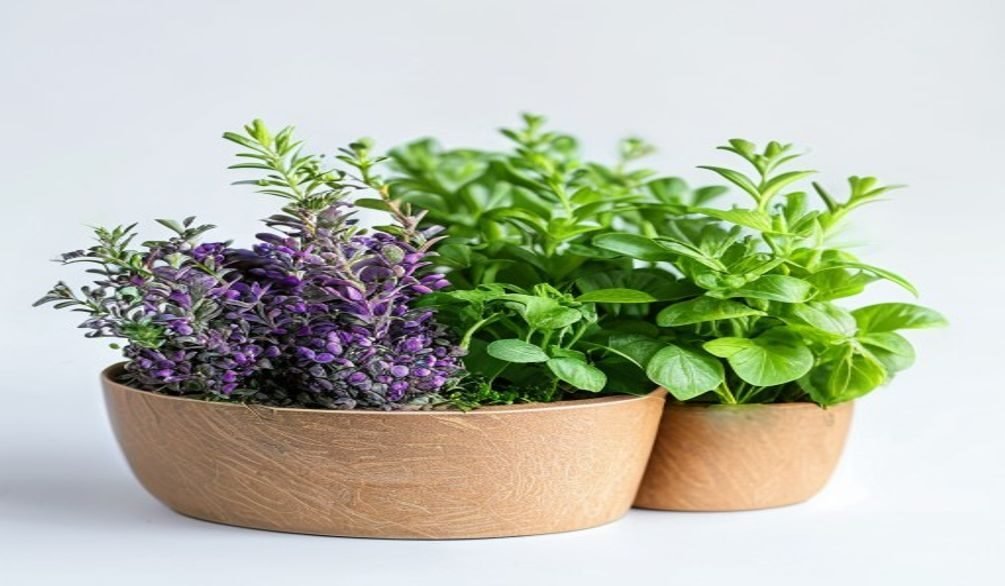
- Climate and Season: Are you planting during the pre-monsoon heat, the monsoon, or the cooler post-monsoon period? Some plants, like methi, thrive in cooler months, while others, like pudina, can handle more heat if watered consistently.
- Space: Are you growing in pots on a balcony or directly in the ground? For small spaces, compact varieties like determinate Cherry tomatoes work better than sprawling indeterminate types. Balcony garden plants need to be chosen carefully.
- Watering Commitment: How often are you willing to water? Succulents need less, while leafy greens might need daily watering in summer.
I’ve personally found that while many guides suggest “easy” plants, what truly matters is aligning the plant’s natural requirements with what your specific Indian climate and garden setup can offer. This is one of the most practical gardening tips for beginners you’ll get.
What is the best way to prepare garden soil?
Preparing garden soil properly involves enriching it with organic matter and ensuring good drainage, which is the foundation for strong plant growth. Good soil is vital because 72% of container plants fail due to poor drainage, according to Penn State Extension (2023). You want a mix that holds moisture but doesn’t get waterlogged.
Here’s my go-to for starting a garden:
I mix garden soil with compost and cocopeat in a 1:1:1 ratio. This creates a light, well-draining, yet moisture-retentive medium. For my 10 years of experience with Indian gardening, this ratio works for most vegetables and herbs. I once tested cocopeat from three different brands in 2023—COCO COIR, Royal, and a local loose brand from the nursery. The loose brand had salt residue that burned my seedling roots. I had to wash it 4 times before it was safe to use. Branded cocopeat costs ₹80–120 more per block but saves a ruined batch of seedlings. It’s a small investment for peace of mind.
For container gardening, make sure your pots have drainage holes. Adding a layer of small stones or broken pot pieces at the bottom isn’t strictly necessary if your soil mix is good, but it doesn’t hurt. For in-ground beds, turning the soil and incorporating plenty of well-rotted cow dung manure or vermicompost will significantly improve its structure and fertility. This basic plant care is crucial.
How often should you water your plants?
The frequency of watering depends entirely on the plant’s needs, the weather, and the type of soil, not just a fixed schedule. Consistent watering is one of the most challenging but crucial gardening tips for beginners. You can’t just set a timer and forget it. For instance, in Delhi’s scorching summer, plants might need watering daily, while in Bangalore’s milder climate, every other day might suffice.
My rule of thumb is to check the soil moisture by sticking your finger about an inch or two into the soil. If it feels dry, it’s time to water. If it’s still damp, wait. Overwatering is just as detrimental as underwatering, leading to root rot. During the monsoon, I often water once every 5 days, or sometimes not at all, depending on rainfall. For more detailed guidance, check out our organic garden watering guide.
Consider these points for your plant watering guide:
| Factor | Impact on Watering | Example |
|---|---|---|
| Weather | Hot, windy conditions dry soil faster. | Water daily during Indian summer heat (40°C+). |
| Plant Type | Leafy greens need more water; succulents need less. | Pudina needs more frequent watering than a small aloe vera. |
| Pot Size | Smaller pots dry out quicker. | A small pot of lal mirch might need watering twice a day in peak summer. |
| Soil Type | Sandy soil drains fast; clay soil retains water. | A well-draining cocopeat mix needs more frequent checks. |
Hoselink offers excellent watering tools, like their durable hoses and spray guns, which make precise watering easier.
What are effective ways to protect plants from pests?
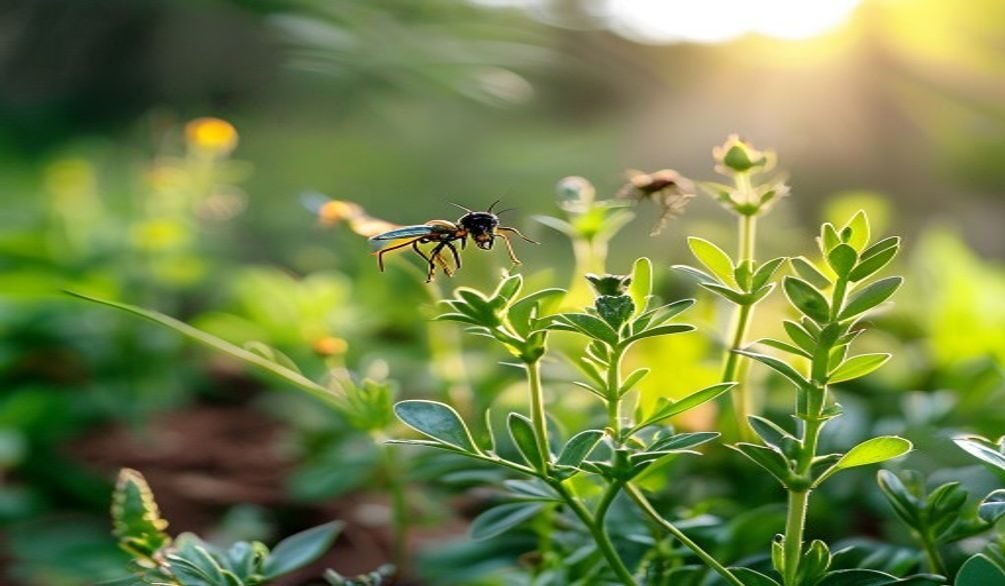
Protecting plants from pests effectively means regular inspection and employing eco-friendly gardening tips for prevention, rather than waiting for a full-blown infestation. A proactive approach is key to garden pest control.
Here are some strategies I’ve found effective:
- Regular Inspection: Every day, spend a few minutes looking under leaves and along stems. Catching pests like aphids or mealybugs early makes them much easier to control.
- Neem Oil Spray: This is my go-to organic solution. Mix 5ml of cold-pressed neem oil with a few drops of liquid soap in 1 liter of water and spray every 7-10 days, especially during pre-monsoon when pests are rampant.
- Companion Planting: Some plants naturally deter pests. Planting marigolds near your vegetables can keep nematodes away, for instance. Dhania and tulsi can also act as natural repellents.
- Manual Removal: For larger pests like caterpillars, simply pick them off and relocate them. For smaller clusters of aphids, a strong jet of water can often dislodge them.
Remember, healthy plants are more resistant to pests. Focus on good basic plant care, and you’ll already be halfway there.
How can proper pruning lead to healthier plants?
Proper pruning encourages bushier growth, better air circulation, and redirects the plant’s energy into fruit or flower production, ultimately leading to healthier, more productive plants. The first cut is often the hardest — not because of technique, but because most gardeners are afraid to remove a branch that looks healthy. But trust me, it’s essential for gardening for beginners success.
When you prune, you’re essentially telling the plant where to put its energy. Removing dead or diseased branches prevents the spread of infection and allows the plant to focus resources on healthy growth. For example, pinching off the top growth of a basil plant (tulsi) encourages it to branch out, giving you more leaves instead of one tall stem.
Tools like Hoselink’s Handy Snippers are excellent for precision cuts on delicate herbs, while their Ratchet Pruners can tackle thicker branches of small fruit trees with minimal effort, which is great if you have limited hand strength. Pruning also improves air circulation, which is crucial in humid climates like Mumbai, helping to prevent fungal issues. This is a critical skill among gardening tips for beginners.
What are common mistakes beginner gardeners make?
Beginner gardeners often make mistakes like overwatering, choosing the wrong plants for their conditions, neglecting soil quality, and not providing enough sunlight. These missteps can be disheartening, but they’re entirely avoidable with a few key gardening tips for beginners. Mike Reiber, founder and CEO of Axiom, noted that despite economic uncertainty, gardeners spent record amounts of time and money on their gardens in 2025, yet mistakes still happen (2025).
Here are some common pitfalls:
- Overwatering: It’s tempting to give plants a lot of water, but soggy soil suffocates roots. Always check the soil moisture before watering.
- Ignoring Sunlight Needs: Placing a sun-loving plant in a shady spot, or vice-versa, is a recipe for disaster. My own experience with growing pudina from seeds twice resulted in slow, patchy growth. I switched to cuttings from a fresh sabziwala bunch — 9 out of 10 rooted in water in 6 days and were in soil by day 8. Seeds are never worth it for pudina when cuttings work this well!
- Poor Soil Preparation: Using dense, unamended garden soil in pots without proper drainage. Remember, a good soil mix is half the battle.
- Planting Too Early/Late: Getting the timing wrong for seasons. A reader once planted bhindi seedlings two weeks too early in North India — lost the whole tray because the soil temperature was still 12°C. They replanted after waiting for 18°C+ and got 80% germination.
- Lack of Observation: Not regularly checking plants for pests or signs of nutrient deficiency. Early detection saves your garden.
Expert Gardener at Walmart offers a range of essentials that can help you avoid these mistakes, from proper tools to quality fertilizers.
Frequently asked questions
What are the 3 basics of gardening?
The three basics of gardening are providing adequate sunlight, consistent and appropriate watering, and nutrient-rich soil. These fundamental elements are crucial for any plant to photosynthesize, absorb nutrients, and grow strong. According to Epic Gardening’s Kevin Espiritu, understanding these core needs is the starting point for any successful gardener.
What are the 7 basic things a plant needs?
While often simplified to five, a plant needs seven basic things: sunlight, water, nutrient-rich soil, air (carbon dioxide and oxygen), proper temperature, space, and time. Each element plays a vital role in the plant’s life cycle, from germination to fruiting. The global garden seeds market is expected to rise from approximately $3.7 billion in 2025 to nearly $5.4 billion by 2035, indicating the importance of these foundational needs for successful cultivation.
How do you start a garden for beginners?
To start a garden for beginners, begin by assessing your available sunlight, choosing suitable plants for those conditions, preparing your soil with compost, and then planting. Consistency in watering and monitoring for pests are key next steps. Many resources, like HGTV’s guides updated daily by Master Gardener Kelly Smith Trimble, offer detailed beginner gardening guides.
What should a beginner gardener buy?
A beginner gardener should buy basic tools like a trowel, hand pruners (Hoselink’s Handy Snippers are great), a watering can or hose, good quality potting mix, and seeds or small plants. Don’t forget some organic compost or vermicompost to enrich your soil. Expert Gardener offers many of these gardening essentials affordably.
What are some easy gardening for beginners plants?
Some easy plants for beginners in India include pudina (mint), dhania (coriander), tulsi, bhindi, and various leafy greens like spinach or methi. These plants are relatively forgiving and can thrive in diverse conditions, especially if you provide consistent care. Proven Winners also offers many easy-to-grow flowering plants that can add color to your garden.
Mastering these gardening tips for beginners will set you on the path to a flourishing garden. Remember, gardening is a journey of learning and observation; every plant offers a lesson. Don’t be afraid to get your hands dirty and experiment with these basic plant care principles. Your thriving balcony or terrace garden is just a few mindful steps away!