Key Takeaways
- The global fresh herbs market size was valued at USD 6.56 billion in 2025, according to market projections.
- Basil and cilantro/coriander accounted for over 65% of the global fresh herb market in 2024.
- Europe held the largest revenue share of the fresh herbs market in 2025.
- Herbs require 6-8 hours of direct sunlight daily to develop their strongest flavors.
- Well-drained soil with a pH between 6.0 and 7.0 is ideal for most culinary herbs.
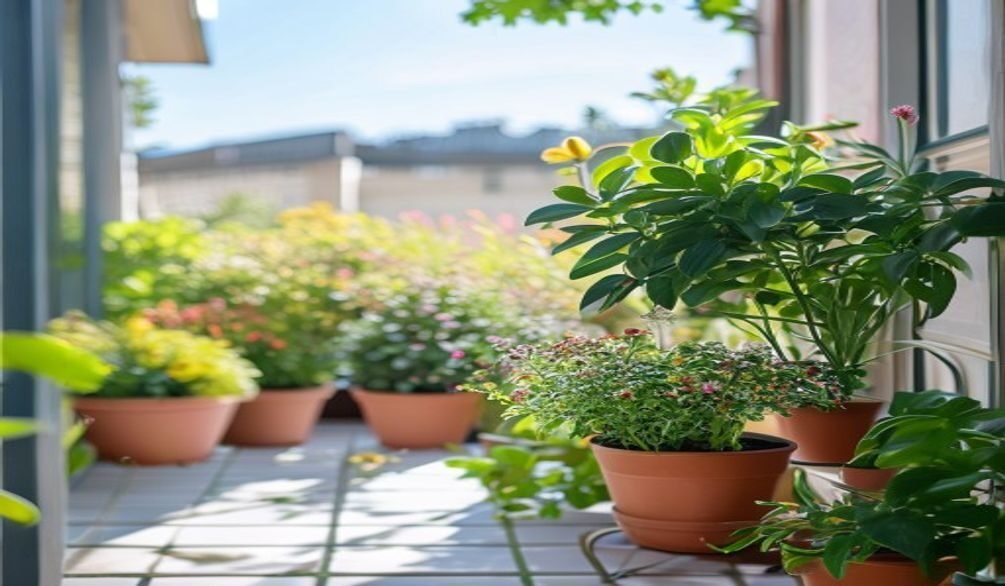
When your dhania or pudina from the local sabziwala lacks that punchy aroma you crave, it’s frustrating, isn’t it? You want to grow more flavorful herbs right in your own balcony garden, those that truly elevate your cooking. This guide will walk you through seven simple, proven ways to ensure your homegrown herbs burst with amazing taste and fragrance.
Quick Answer: To grow more flavorful herbs, ensure ample sunlight, use well-drained, nutrient-rich soil, water consistently but avoid overwatering, and harvest regularly to stimulate growth and concentrate essential oils.
What makes herbs more flavorful?
Herbs become more flavorful primarily through the concentration of their essential oils, which are responsible for their distinct aromas and tastes. Jekka McVicar, an expert herb grower, highlights that herbs “quite simply transform a meal into a feast – they not only make the food look and taste appealing, they also stimulate the digestion and are one of the essential ingredients that make a meal come alive.” These oils are produced by the plant as a defense mechanism and are influenced by environmental factors like sunlight, soil, water, and even harvesting stress.
Honestly, the stronger the plant has to work a little, the more potent its flavor often becomes. This isn’t about neglecting your plants, but rather providing optimal stress that encourages essential oil production. Think of it like a chef reducing a sauce – concentrating the flavors. When you grow more flavorful herbs, you’re essentially helping them produce more of these aromatic compounds.
Factors influencing herb potency
Several key factors contribute to the intensity of herb flavor:
- Sunlight: More sun generally means more essential oil production.
- Soil Quality: Well-drained, nutrient-rich soil provides the building blocks for strong growth and flavor.
- Watering Habits: Consistent, but not excessive, watering encourages deep root growth and nutrient uptake.
- Harvesting Techniques: Regular pruning stimulates new growth and prevents the plant from putting all its energy into flowering.
- Genetics: Some varieties are naturally more potent than others. For example, a Thai basil will always have a different flavor profile than a sweet Italian basil.
How does sunlight impact herb flavor?
Sunlight significantly impacts herb flavor by directly influencing the plant’s production of essential oils. Most culinary herbs thrive and develop their strongest flavors when they receive at least 6-8 hours of direct sunlight daily, according to general gardening recommendations. Without enough sun, herbs tend to grow leggy and their leaves will be less aromatic and potent, because the plant isn’t getting the energy it needs to synthesize those flavorful compounds.
For us urban gardeners, especially those with north-facing balconies in a city like Mumbai, getting enough direct sun can be a real challenge. You might find your tulsi growing tall but sparse, with leaves that don’t have that characteristic strong aroma. That’s a clear sign it’s craving more light. If you can’t provide natural sunlight, an indoor grow light system like the AeroGarden Harvest Indoor Garden can be a fantastic alternative, allowing you to grow more flavorful herbs even without a sunny window.
| Herb Type | Ideal Sunlight Exposure | Flavor Impact with Less Sun |
|---|---|---|
| Basil (Tulsi, Sweet Basil) | Full Sun (6-8+ hours) | Milder, less aromatic, leggy growth |
| Rosemary | Full Sun (6-8+ hours) | Weaker scent, less robust flavor |
| Thyme | Full Sun (6-8+ hours) | Reduced pungency, softer texture |
| Coriander (Dhania) | Partial Sun (4-6 hours) | Bolts faster, less leaf production |
| Mint (Pudina) | Partial Sun to Full Sun | Good growth, but less intense flavor in deep shade |
What are the best soil conditions for potent herbs?
The best soil conditions for potent herbs involve well-drained, nutrient-rich soil with a slightly acidic to neutral pH (around 6.0 to 7.0). Good drainage is absolutely crucial; 72% of container plants fail due to poor drainage, according to Penn State Extension (2023). This is something I learned the hard way. I once over-watered a curry leaf plant for three weeks straight because I was following a fixed schedule instead of checking the soil. By the time the leaves started yellowing, it was already too late — the roots had rotted. Now I always push my finger 2 inches into the soil before watering anything.
To grow more flavorful herbs, you need a soil mix that retains some moisture but never gets waterlogged. For my balcony garden in Pune, I usually mix equal parts good quality potting mix, cocopeat (like Cocogreen), and compost. Adding a handful of perlite or coarse sand also helps with drainage. Using a USDA organic certified fertilizer, such as Down to Earth Organic Vegetable Garden Fertilizer (4-4-4 N-P-K), can significantly improve the fragrance and quality of your herbs, providing balanced nutrients without harsh chemicals.
Improving your herb garden soil
* Ensure Excellent Drainage: Use pots with drainage holes and add a layer of broken terracotta or gravel at the bottom.
* Incorporate Organic Matter: Compost or well-rotted manure enriches the soil, improving structure and nutrient availability.
* Check pH Levels: Most herbs prefer a slightly acidic to neutral pH. Simple home test kits are available at local nurseries for ₹100–200.
* Fertilize Sparingly: Herbs generally don’t need heavy feeding. A light application of organic fertilizer every 4-6 weeks during the growing season is usually enough to grow more flavorful herbs.
How can proper watering enhance herb taste?
Proper watering enhances herb taste by promoting healthy growth and allowing the plant to concentrate its essential oils, while overwatering dilutes flavors and can lead to root rot. The trick is to water deeply but infrequently, allowing the top inch or two of soil to dry out between waterings. This encourages the roots to grow deeper, making the plant more resilient and better able to absorb nutrients.
You might have heard that herbs like a lot of water. In practice, this can be misleading for many Indian climates. A basil plant in Delhi during a 40°C summer needs daily watering, but that same plant in Bangalore during the mild post-monsoon might only need water every 2-3 days. The key is feeling the soil, not sticking to a rigid schedule. When the plant experiences a slight, controlled drought stress, it can actually boost the production of essential oils, leading to stronger tasting herbs. However, don’t let them wilt completely, as that stresses them too much and can reduce flavor.
What harvesting techniques increase herb flavor?
Harvesting techniques significantly increase herb flavor by encouraging bushier growth and preventing the plant from “bolting” or going to seed, which often signals the end of its most flavorful leaf production. Regular pinching and trimming are your best friends here. When you harvest, aim to remove about one-third of the plant’s growth, cutting just above a leaf node or pair of leaves. This tells the plant to branch out, producing more leaves and therefore more of those delicious essential oils, helping you grow more flavorful herbs.
For instance, with basil (tulsi or sweet basil), always pinch off the central stem once it has 3-4 sets of true leaves. This prevents it from growing tall and leggy and instead encourages it to become a dense, leafy bush. If you see flower buds forming on any herb, pinch them off immediately. Flowering diverts the plant’s energy from leaf production to seed production, drastically reducing the potency and quality of the leaves. Using tools like the Microplane Herb Mill can make quick work of processing your fresh harvests for garnishes, ensuring you get maximum flavor extraction.
Best practices for harvesting herbs
* Harvest Early: The best time to harvest most herbs is in the morning after the dew has dried, but before the sun gets too hot, as this is when their essential oil content is highest.
* Use Sharp Tools: Clean, sharp scissors or pruning shears make clean cuts that heal quickly, minimizing stress on the plant.
* Don’t Over-Harvest: Never remove more than one-third of the plant at a time to ensure it has enough foliage for photosynthesis and recovery.
* Store Properly: Keep harvested herbs fresh by placing stems in a glass of water on your counter or using a Cole & Mason Fresh Herb Keeper in the fridge, which can keep them crisp for up to three weeks.
Do herbs taste better homegrown?
Yes, herbs generally taste significantly better homegrown compared to store-bought varieties, primarily because you control the growing conditions and can harvest them at their peak freshness. The global fresh herbs market was valued at USD 6.56 billion in 2025, according to market projections, showing the demand for fresh herbs. But commercially grown herbs are often bred for shelf life and transport, not intense flavor, and they lose potency rapidly after being picked.
When you grow more flavorful herbs yourself, you pick them moments before use. That immediate transfer from plant to plate means the volatile essential oils, which give herbs their aroma and taste, haven’t had time to degrade. I’ve found that my homegrown pudina has a far more vibrant, refreshing kick than anything I buy from the sabziwala – and that’s not just my bias! The truth is, the fresher the herb, the more concentrated its flavor.
What are the easiest herbs to grow for cooking?
The easiest herbs to grow for cooking are those that are forgiving of minor mistakes and thrive in a variety of conditions, making them perfect for beginners in urban Indian gardens. Eric Preston Stout, an expert gardener, says, “Herbs are the easiest [edible plants] to grow because they require the least amount of time, maintenance and room.” However, everyone tells beginners to start with easy plants — but easy is relative to your specific balcony conditions. A north-facing balcony in Bangalore and a south-facing terrace in Delhi need completely different starter plants. Location matters more than difficulty rating, so always observe your specific microclimate.
For me, pudina (mint) is a top contender, especially from cuttings. I grew pudina from seeds twice and both times it was slow and patchy. Switched to cuttings from a fresh sabziwala bunch — 9 out of 10 rooted in water in 6 days and were in soil by day 8. Seeds are never worth it for pudina when cuttings work this well! Other great options to grow more flavorful herbs include curry leaf, which is a staple in Indian cooking, and tulsi (holy basil), revered for its medicinal properties and strong aroma.
Top easy herbs for indian balconies
- Pudina (Mint): Extremely vigorous, grows well in partial shade or sun, and propagates easily from cuttings. Just watch it, as it can be invasive!
- Curry Leaf: A small tree that loves full sun and warmth. It’s drought-tolerant once established and provides fresh leaves for years.
- Tulsi (Holy Basil): A sacred plant that thrives in Indian conditions. It needs sun and consistent watering but is generally low-maintenance.
- Dhania (Coriander): Best grown in slightly cooler weather, like post-monsoon or winter in North India. It bolts quickly in summer heat, so choose heat-tolerant varieties like ‘Coriander Long Standing’ if growing in warmer months.
- Lemongrass: Grows in clumps and is quite hardy. It needs plenty of sun and water but is relatively pest-free.
Frequently asked questions
What makes herbs more aromatic?
Herbs become more aromatic due to the concentration of their essential oils, which are volatile organic compounds produced by the plant. These oils are influenced by environmental factors like ample sunlight and proper watering, according to Jekka McVicar, an expert herb grower. Providing optimal growing conditions helps enhance the herb’s natural fragrance.
How can i make my basil more flavorful?
To make your basil more flavorful, ensure it receives 6-8 hours of direct sunlight daily, use well-drained soil, and pinch off flower buds regularly. Pinching forces the plant to produce more leaves instead of seeds, concentrating its essential oils and boosting flavor, as recommended by many gardening experts. This consistent pruning is key to growing more flavorful herbs.
Do herbs need fertilizer to be flavorful?
Herbs generally don’t need heavy fertilization, but a balanced organic fertilizer can enhance their flavor and growth. Over-fertilizing, especially with nitrogen, can lead to lush green growth but weaker flavor, as the plant prioritizes foliage over essential oil production. Light feeding with a product like Down to Earth Organic Vegetable Garden Fertilizer (4-4-4 N-P-K) is usually sufficient.
What is the best time of day to harvest herbs for maximum flavor?
The best time of day to harvest herbs for maximum flavor is in the morning, after the dew has dried but before the intense heat of the midday sun. At this time, the plant’s essential oils are most concentrated in the leaves, providing the strongest aroma and taste for your culinary needs. Harvesting then helps you grow more flavorful herbs.
Why do my homegrown herbs taste bland?
Your homegrown herbs might taste bland due to insufficient sunlight, overwatering, or infrequent harvesting. Lack of sun reduces essential oil production, overwatering dilutes flavors, and allowing herbs to flower diverts energy from leaf development. Adjusting these factors can significantly improve the potency and taste of your herbs, helping you grow more flavorful herbs.
Growing your own herbs that burst with flavor isn’t just a dream – it’s totally achievable, even on a small balcony. By focusing on sunlight, soil, smart watering, and consistent harvesting, you’ll be well on your way to a garden full of potent, aromatic leaves. Remember, the goal is to help your plants produce those precious essential oils, making every meal a feast. So go ahead, try these tips, and grow more flavorful herbs that truly elevate your cooking. Happy gardening!