Dreaming of fresh, fragrant herbs at your fingertips, even in the middle of winter? You can absolutely grow organic herbs indoors, transforming your kitchen windowsill or a sunny corner into a vibrant, edible oasis. This comprehensive guide will walk you through every step, ensuring your indoor herb garden thrives with natural, healthy goodness.
What Makes Your Indoor Herb Garden Truly Organic?
Many beginners think “organic” simply means using organic seeds, but it’s a much broader philosophy that embraces ecological balance. For your indoor herb garden setup, “organic” means cultivating herbs without synthetic pesticides, herbicides, or chemical fertilizers.
It’s about nurturing a healthy ecosystem, even on a small scale. While home gardeners don’t seek USDA certification, adhering to these principles ensures you’re growing the purest, most flavorful herbs possible.
Principles of Organic Indoor Herb Growing
Creating a truly organic environment involves thoughtful choices from the very beginning. It’s about building a foundation for sustainable herb growing.
- No Synthetic Chemicals: This is the cornerstone. Avoid all man-made pesticides, herbicides, and chemical fertilizers.
- Healthy Soil: Focus on nutrient-rich, living soil that supports plant health naturally. According to Mathieu Ngouajio of the USDA, “a successful garden begins with healthy soil texture and structure.”
- Biodiversity: Even indoors, encouraging beneficial microorganisms in your soil contributes to a resilient environment.
- Sustainable Sourcing: Choose organic seeds, organic potting mix, and natural pest control methods.
How to Start Your Organic Indoor Herb Garden
Beginning your DIY indoor organic herb garden setup is an exciting journey that doesn’t require a green thumb, just a clear plan. With the right foundation, you’ll be enjoying fresh herbs in no time.
Choosing Your Containers & Location
Selecting appropriate containers is crucial for healthy root development and drainage. Terracotta pots, like those found in the Buzzy Seeds Organic Herb Garden Grow Kit, are excellent as they allow soil to breathe.
Ensure your chosen spot offers ample light, ideally a south-facing window. Remember, the goal is to make your small space organic indoor herb garden ideas a reality.
Gathering Your Organic Supplies
To truly grow organic herbs indoors, you’ll need the right inputs. Here’s what to look for:
- Organic Seeds or Starter Plants: Opt for certified organic, non-GMO seeds from reputable suppliers like Johnny’s Selected Seeds or Eden Brothers. If buying starter plants, confirm they were grown organically.
- Organic Potting Mix: This is non-negotiable. Look for a blend specifically designed for container gardening herbs, often containing compost, coco coir, perlite, and vermiculite. Avoid mixes with synthetic fertilizers or moisture-retaining crystals.
- Drainage Materials: Small pebbles or broken pottery at the bottom of pots can help prevent waterlogging, though good potting mix often negates the need.
- Watering Can: A small one with a fine spout for gentle, precise watering.
Easiest Organic Herbs to Grow Indoors for Beginners
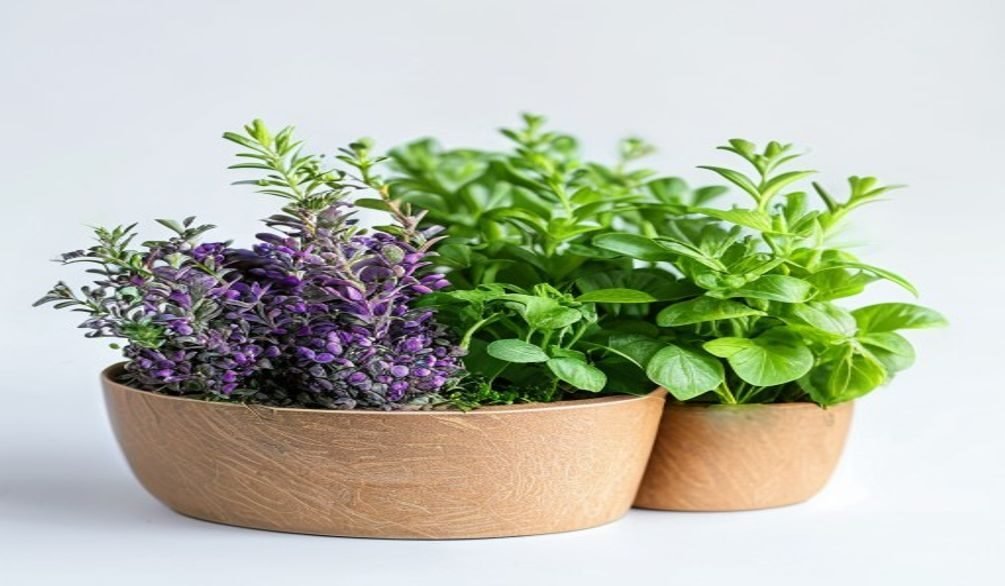
If you’re just starting, selecting resilient and forgiving herbs will boost your confidence. These varieties are among the best herbs for indoors organic growth, requiring minimal fuss while delivering maximum flavor.
Many organic herb garden kits for beginners, like the Spade To Fork Complete Indoor Herb Garden Kit, include these popular choices.
Top Picks for Your Indoor Organic Herb Garden
- Basil: Loves warmth and light, providing aromatic leaves for Italian dishes. Organic basil indoor growing tips often emphasize consistent moisture and warmth.
- Mint: Incredibly vigorous, mint is one of the easiest organic herbs to grow indoors. Keep it in its own pot, as it can be invasive.
- Chives: These oniony greens are simple to grow from seed or bulb and add a delicate flavor to many meals.
- Parsley: Both flat-leaf and curly varieties do well, preferring slightly cooler temperatures and consistent moisture.
- Thyme: A hardy herb that tolerates drier conditions, perfect for savory dishes.
- Oregano: Similar to thyme, oregano is robust and thrives with good light and moderate watering.
These varieties are known for their adaptability, making them excellent choices when you grow organic herbs indoors for the first time.
Do Indoor Herbs Need Grow Lights for Optimal Growth?
The short answer is: often, yes. While a sunny south-facing window might suffice for some herbs, most homes simply don’t provide enough natural light year-round. Iowa State University Extension and Penn State Extension both confirm that “light is typically the most limiting factor to successfully growing herbs indoors.”
For truly optimal growth and robust flavor, supplemental lighting is usually necessary, especially during shorter winter days. This is where grow lights for herbs become invaluable.
Understanding Grow Light Needs
Herbs generally require 6-8 hours of direct sunlight daily. When natural light is insufficient, grow lights simulate the full spectrum of sunlight, promoting photosynthesis. For more in-depth guidance, you might find our article on Best Lighting for Indoor Herbs: Year-Round Success Guide helpful.
Penn State Extension specifically recommends placing herbs 6 to 12 inches from two 40-watt, cool white fluorescent bulbs for 14 to 16 hours if natural light is insufficient. Modern LED grow lights, like those from GE LED Grow Light or Juhefa, are energy-efficient alternatives.
Best Organic Soil & Watering Practices for Indoor Herbs
The foundation of a thriving organic indoor herb garden lies in its soil and how you water it. These two factors are critical for preventing common issues and ensuring your plants receive proper nutrients.
Selecting the Ideal Organic Potting Mix
Your choice of organic potting mix directly impacts drainage, aeration, and nutrient availability. Look for blends that are light, well-draining, and rich in natural organic matter.
Ingredients like coco coir, perlite, vermiculite, and especially compost, are excellent. Compost not only provides nutrients but also improves soil structure and hosts beneficial microbes. Consider adding a small amount of your own soil amendments compost to boost fertility, as suggested by USDA organic gardening principles.
Mastering Watering Indoor Herbs
Overwatering is the silent killer of many indoor plants, especially herbs. The University of Minnesota Extension advises to “Water indoor herbs when the soil feels dry a half inch below the surface, depending on pot size.”
They also warn that “root rots are the most common problem of herbs grown indoors” due to constantly wet soil conditions. Always ensure your pots have drainage holes, and empty any excess water from saucers after 15-30 minutes. This prevents roots from sitting in stagnant water.
Natural Pest Control & Organic Nutrient Management
Maintaining an organic indoor herb garden means embracing natural solutions for common challenges. This holistic approach keeps your herbs healthy without resorting to harmful chemicals.
Organic Pest Control for Indoor Herb Plants
Prevention is your best defense against pests. Regularly inspect your plants for any signs of trouble, like sticky leaves or tiny insects. If you spot pests, act quickly with natural methods.
- Physical Removal: For larger pests like mealybugs, use a cotton swab dipped in rubbing alcohol to wipe them away. For smaller ones, a strong spray of water can dislodge them. You can find more solutions for how to get rid of mealybugs in our guide.
- Neem Oil Spray: A natural, organic insecticide that disrupts the life cycle of many common pests. Mix according to package directions and apply to foliage.
- Insecticidal Soap: A mild soap solution (e.g., a few drops of unscented castile soap per quart of water) can smother soft-bodied insects. Always test on a small area first.
- Quarantine New Plants: Before introducing any new plant to your small space organic indoor herb garden ideas, keep it separate for a week or two to ensure it’s pest-free.
Remember, a healthy plant is more resistant to pests. Focus on optimal growing conditions to build their natural defenses.
How to Fertilize Indoor Organic Herbs Naturally
While a good organic potting mix provides initial nutrients, indoor herbs will eventually deplete the soil. Knowing how to fertilize indoor organic herbs naturally is key to sustained growth.
- Compost Tea: Steep finished compost in water for a day or two, then strain and use the liquid to water your plants. This provides a gentle, nutrient-rich boost.
- Organic Liquid Fertilizer: Choose a balanced organic liquid fertilizer specifically formulated for herbs. Brands like Espoma or FoxFarm offer excellent options. Dilute according to instructions to avoid over-fertilizing.
- Worm Castings: A spoonful of worm castings mixed into the topsoil every few months provides a slow-release source of nutrients and beneficial microbes.
In practice, regular small doses of organic nutrients are better than infrequent, heavy applications. What most people miss is that consistent, gentle feeding mimics natural soil processes.
Harvesting & Enjoying Your Organic Indoor Herbs
The best part about growing organic herbs indoors is the reward of fresh, flavorful additions to your culinary creations. Proper harvesting techniques not only give you delicious herbs but also encourage your plants to produce more.
Tips for Maximizing Your Harvest
To ensure your herbs remain productive, always harvest strategically. Use clean scissors or snips to avoid damaging the plant.
- Pinch Back Regularly: For bushy herbs like basil and mint, pinch off the top sets of leaves just above a node (where leaves emerge). This encourages the plant to branch out, leading to a fuller, more productive plant.
- Don’t Take Too Much: Never remove more than one-third of the plant at once. This allows it to recover and continue growing.
- Harvest Before Flowering: For most herbs, the flavor is best before the plant flowers. If flower buds appear, pinch them off to direct the plant’s energy back into leaf production.
- Harvest in the Morning: The flavor and aromatic oils are often most concentrated in the morning, after the dew has dried but before the sun is too strong.
Enjoying your organic indoor herbs is all about integrating them into your daily life. From garnishing dishes to making fresh teas, the possibilities are endless.
Frequently Asked Questions
What is the easiest herb to grow indoors for beginners?
Mint is widely considered one of the easiest herbs to grow indoors for beginners due to its vigorous growth and adaptability. Other forgiving options include chives, basil, and thyme, all of which thrive with basic care and good lighting.
How do you start an indoor herb garden for beginners?
To start an indoor herb garden for beginners, choose appropriate containers with drainage, select organic seeds or starter plants, and use a high-quality organic potting mix. Provide adequate light, either natural or with supplemental grow lights, and establish a consistent watering schedule.
Do indoor herbs need grow lights?
While some indoor herbs can survive on a very sunny windowsill, most will significantly benefit from or even require grow lights for optimal growth, especially during winter or in less bright homes. Grow lights ensure they receive the 6-8 hours of direct light needed for robust health and flavor.
What is the best soil for indoor herbs?
The best soil for indoor herbs is a well-draining, airy organic potting mix that includes ingredients like coco coir, perlite, vermiculite, and compost. This type of soil provides essential nutrients, prevents waterlogging, and supports a healthy root system without synthetic additives.
Embarking on your journey to grow organic herbs indoors is a rewarding experience that connects you to nature and provides a constant supply of fresh, healthy flavor. By focusing on organic principles, proper care, and a little patience, you’ll cultivate a thriving indoor garden that brings joy and deliciousness to your home. Start small, learn from your plants, and soon you’ll be enjoying the fruits of your labor, one fragrant leaf at a time.